
Used 2019 Conventional Daycab Trucks For Sale in Nebraska
Browse used 2019 conventional daycab trucks in Nebraska. Compare specs, wheelbase, engine, transmission, axle ratio, and fleet-ready features.
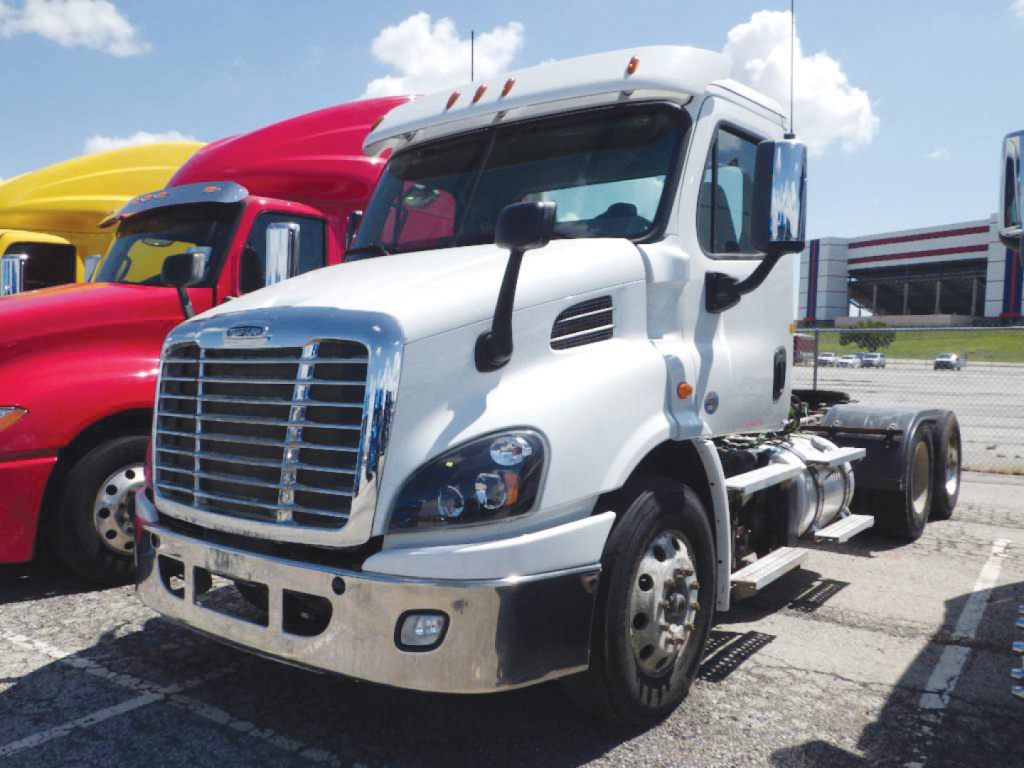
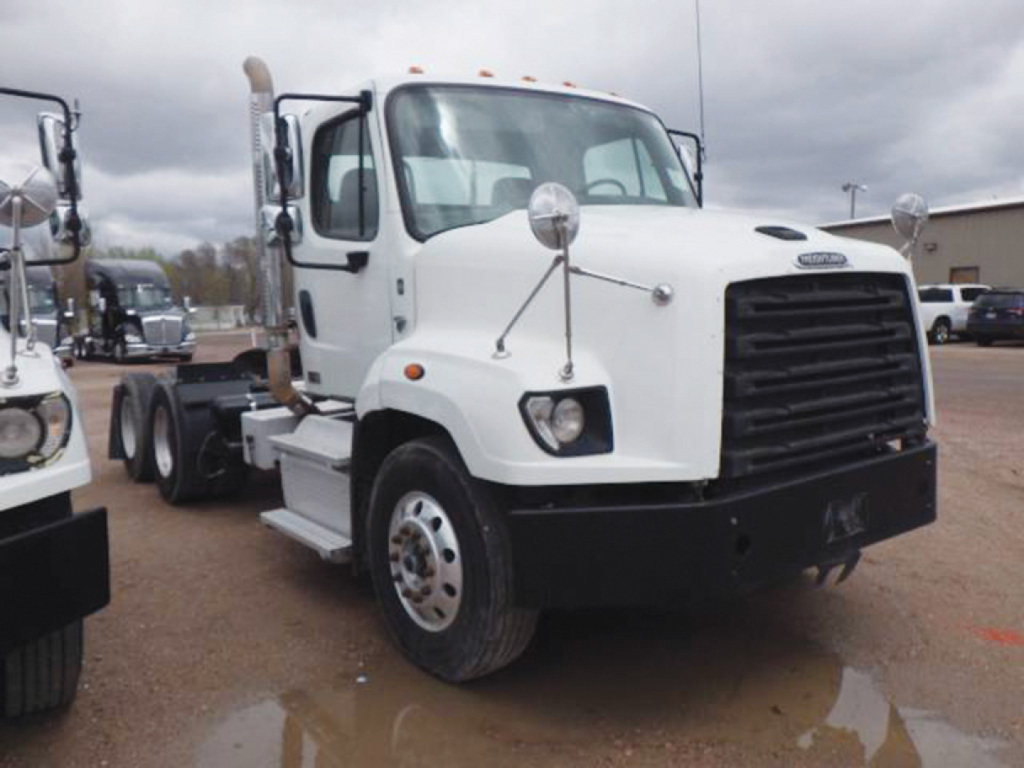
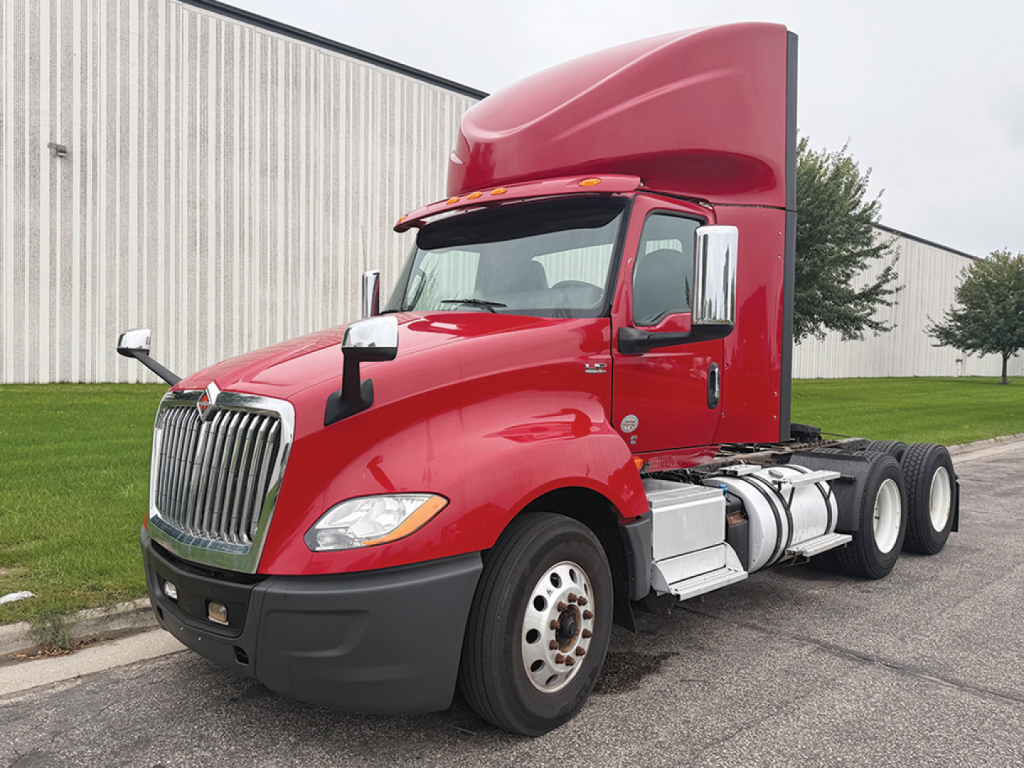
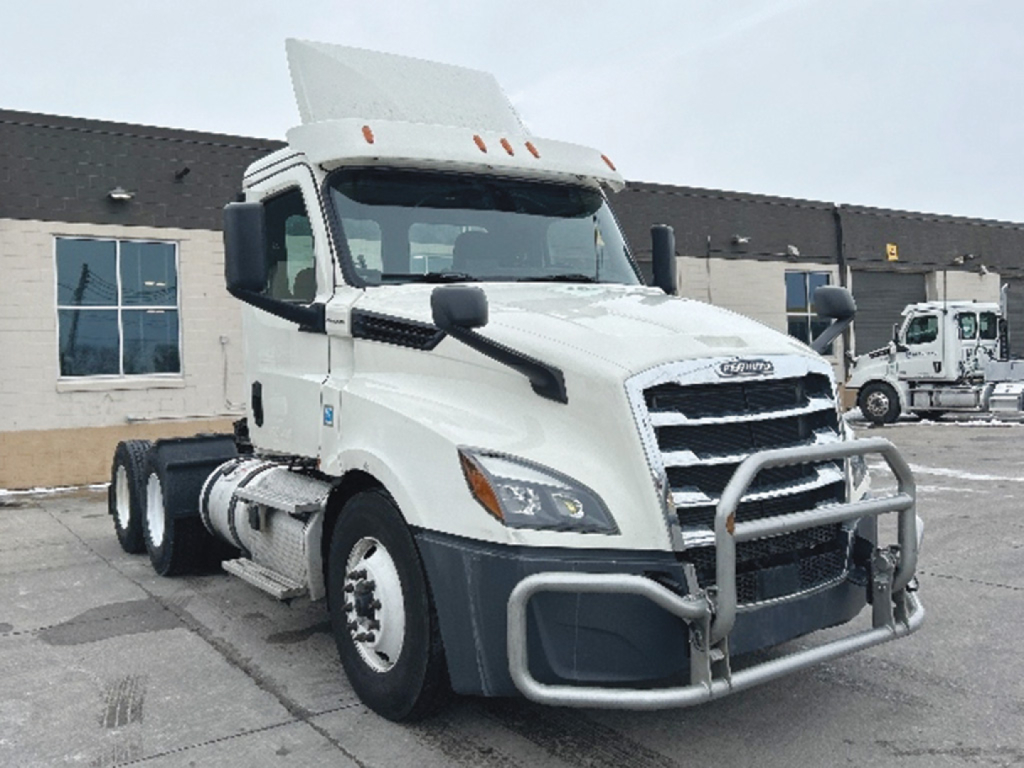
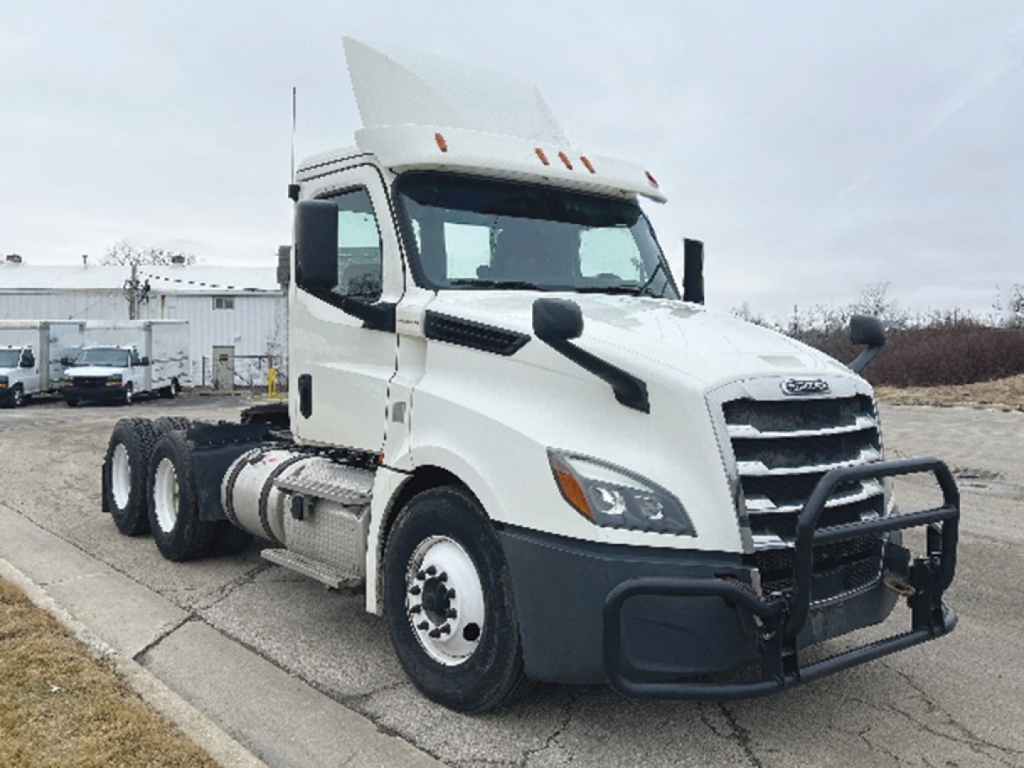
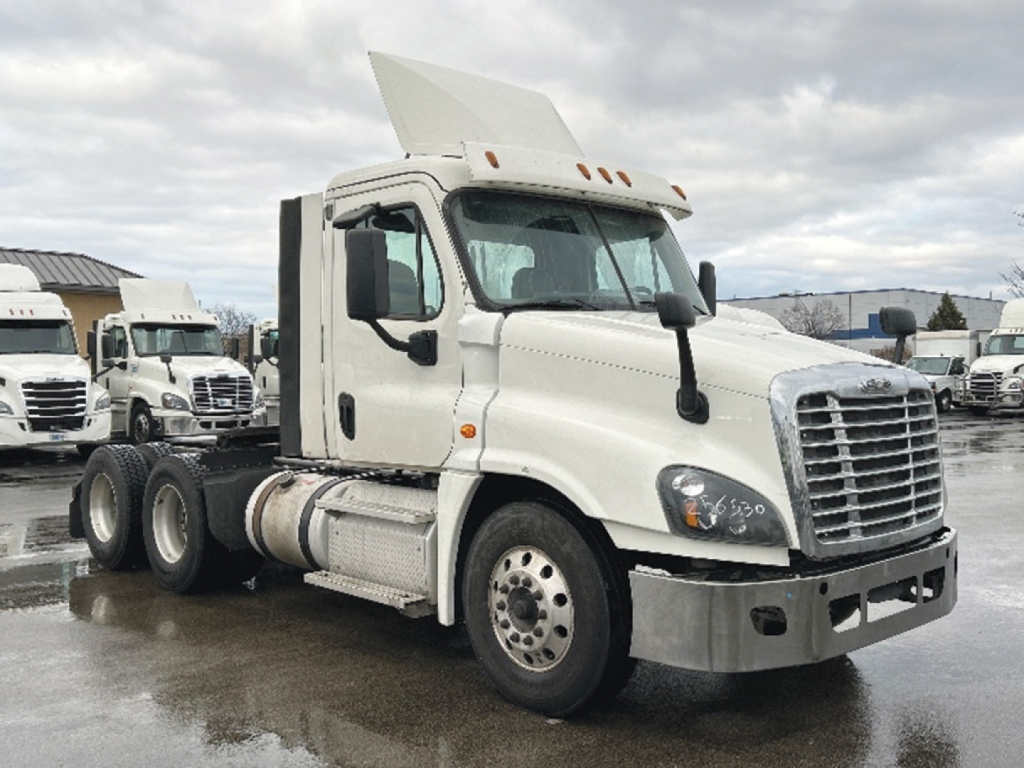
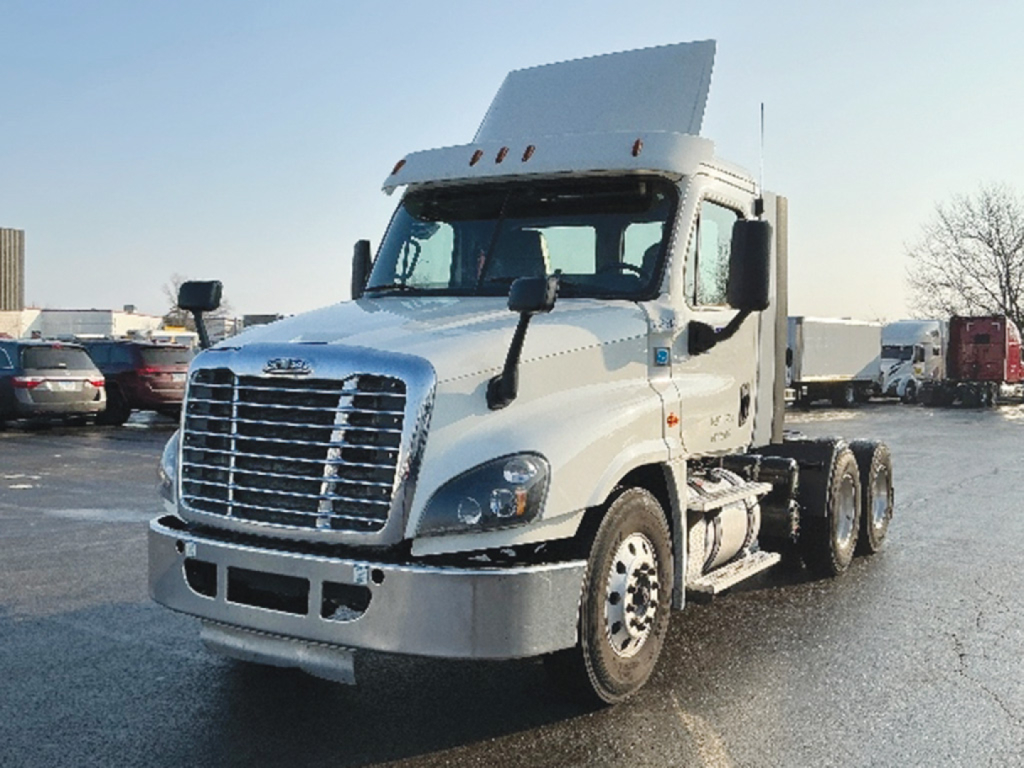
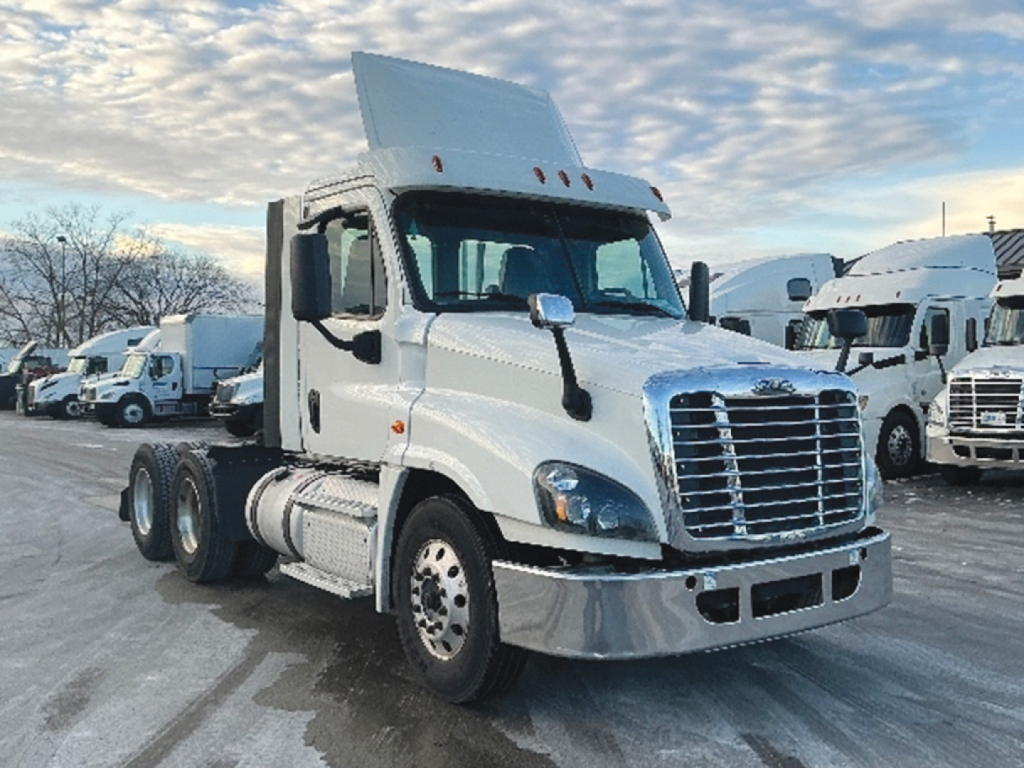
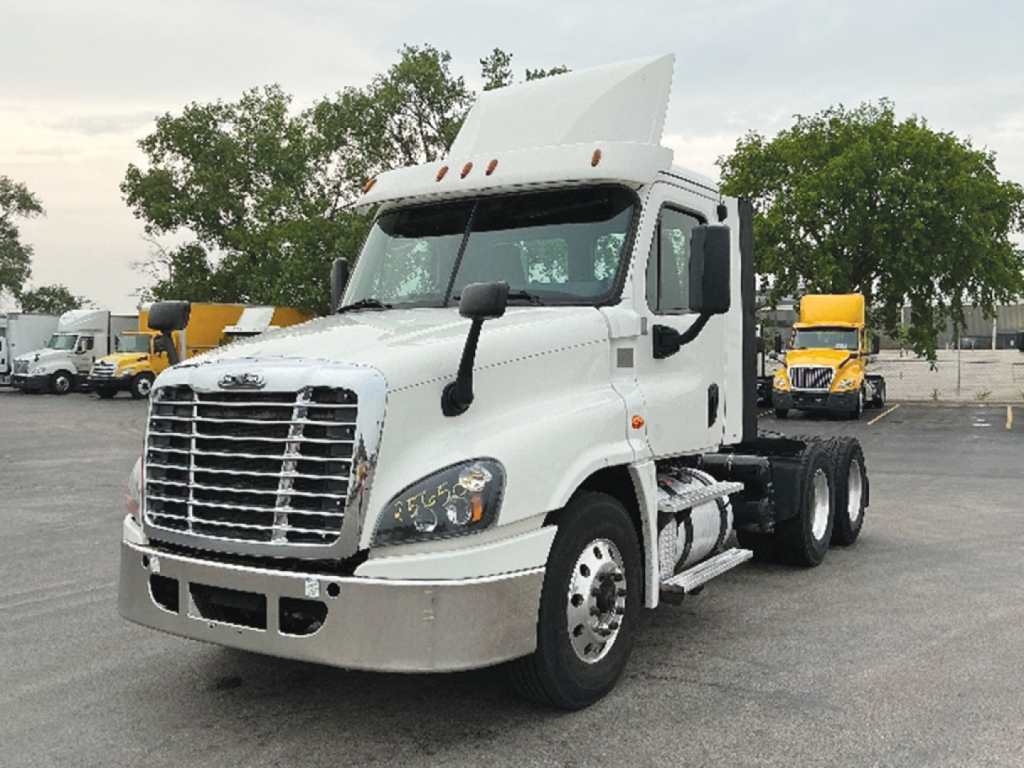
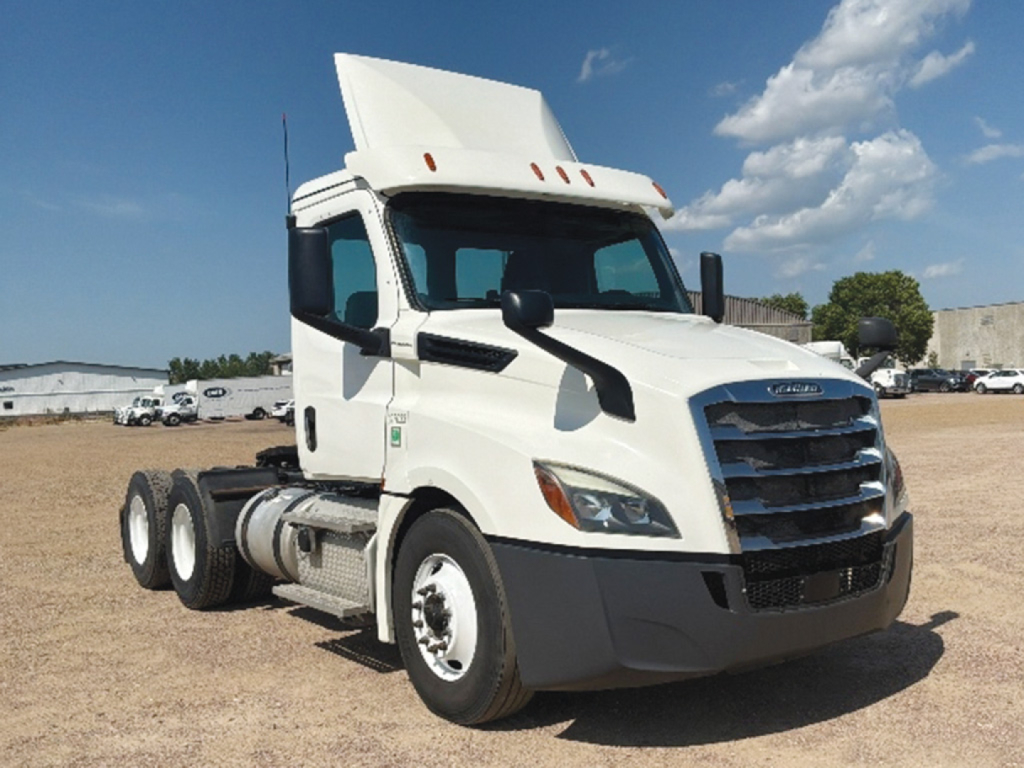
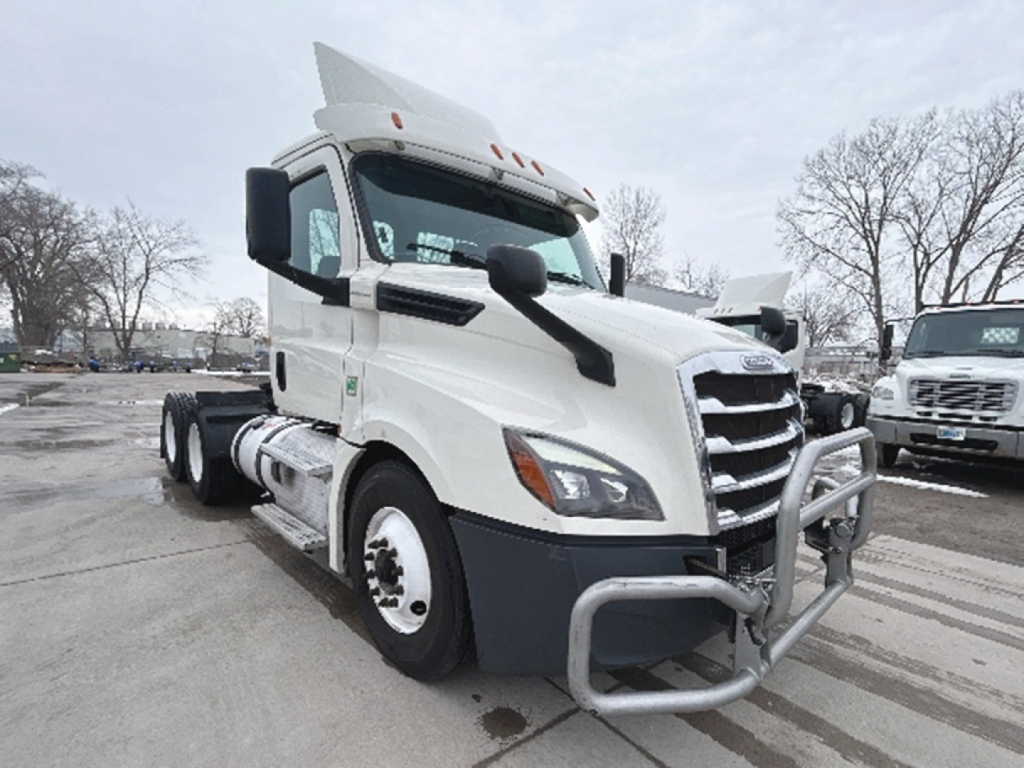
Selling a used 2019 conventional daycab truck? List your used 2019 conventional daycab truck for sale and reach thousands of commercial buyers.
Used 2019 Conventional Daycab Trucks in Nebraska
The biggest buying decisions usually come down to powertrain and wheelbase. Many 2019 daycabs in this class were spec'd with 400 to 470 horsepower engines such as the Detroit DD13, Cummins X15, PACCAR MX-13, or Navistar A26, paired with automated manuals like the DT12 or with traditional 10-speed manuals. Rear axle ratings around 40,000 pounds are common, and axle ratios in the mid-2s to mid-3s tell you a lot about the truck's intended duty cycle. A 2.47 or 2.64 ratio generally points to fuel-efficient highway and regional service, while a 3.25 or 3.55 ratio is better suited to heavier starts, shorter routes, and vocational crossover use. Wheelbases often land around 175 to 190 inches, which affects trailer swing clearance, bridge law flexibility, and how the truck handles in tight yards.
For Nebraska buyers, condition matters as much as spec because these trucks often see long interstate miles, seasonal weather, and a mix of pavement, gravel lots, and ag traffic. Look closely at the fifth wheel setup, including air-slide function, travel range, and signs of excessive plate wear. Suspension type, brake spec, and tire package also deserve attention. Air ride suspension is standard on many fleet daycabs, while disc brakes, low-profile 22.5 rubber, and aluminum wheels are common on more highway-focused tractors. Features like engine brakes, dual fuel tanks, roof fairings, cab extenders, and quarter fenders can make a real difference in operating cost and drivability on I-80 and other regional corridors.
A good 2019 conventional daycab should match the trailer and lane it will actually run. Buyers hauling 53-foot vans or reefers should pay attention to back-of-cab clearance, fairing compatibility, and kingpin setting. Those planning heavier short-haul work should focus more on axle ratio, transmission type, frame condition, and signs of clutch, driveline, or suspension wear. Also review emissions service history, idle hours, collision mitigation calibration, and overall cab condition, especially on fleet-maintained units that may have strong records but higher mileage. When the spec is right, a used 2019 daycab can deliver a lower total operating cost than an older pre-aero tractor while still giving drivers a modern, comfortable workplace.
Frequently Asked Questions about Used 2019 Conventional Daycab Trucks in Nebraska
What is a conventional daycab truck best used for?
A conventional daycab truck is best suited for regional freight, local pickup and delivery, port and rail drayage, dedicated route work, and any application where the driver returns home daily. It is also called a non-sleeper conventional tractor. Compared with a sleeper tractor, a daycab usually weighs less, costs less to maintain, and is easier to maneuver in yards, docks, and urban or agricultural settings.
What engine and transmission specs are common in a 2019 conventional daycab?
Many 2019 conventional daycabs were built with 13-liter to 15-liter diesel engines in the 400 to 470 horsepower range. Common examples include the Detroit DD13, Cummins X15, PACCAR MX-13, and Navistar A26. Automated manual transmissions were widely spec'd in this model year, especially for regional fleet service, though 10-speed manuals are still common. Rear axle ratings around 40,000 pounds and ratios from about 2.47 to 3.55 are typical depending on the intended duty cycle.
How do I choose the right axle ratio on a used daycab truck?
Axle ratio should match your load, terrain, and average road speed. Lower numerical ratios like 2.47 or 2.64 usually favor fuel economy and lower engine rpm on highway lanes. Higher numerical ratios like 3.25 or 3.55 generally provide stronger launch performance and better suitability for heavy loads, stop-and-go routes, or mixed on-road and yard work. A mismatch between ratio and application can hurt fuel economy, drivability, and clutch or transmission life.
What should I inspect first on a used 2019 daycab in Nebraska?
Start with maintenance records, engine hours, fault history, and emissions system service. Then inspect the frame rails, suspension, brake condition, tire wear pattern, fifth wheel plate and slide mechanism, and driveline components. In Nebraska and the central plains, also check for corrosion from winter road treatment, windshield and hood damage from road debris, and cab or chassis wear caused by gravel lots, agricultural use, and frequent trailer hookups.
Is a 2019 daycab a good choice for 53-foot van or reefer work?
Yes, a properly spec'd 2019 daycab can work very well with 53-foot dry van and refrigerated trailers, especially on regional lanes. The key is making sure the wheelbase, fifth wheel travel, fairing setup, and back-of-cab clearance are correct for the trailer's kingpin setting and swing radius. Trucks spec'd for fleet van service often include aerodynamic fairings, air-slide fifth wheels, and fuel-efficient axle ratios that make them a strong fit for this type of freight.