
Used 2018 Conventional Day Cab Trucks For Sale in Georgia
Compare used 2018 conventional day cab trucks for sale in Georgia by axle ratio, engine hours, emissions history, and port or regional hauling needs.
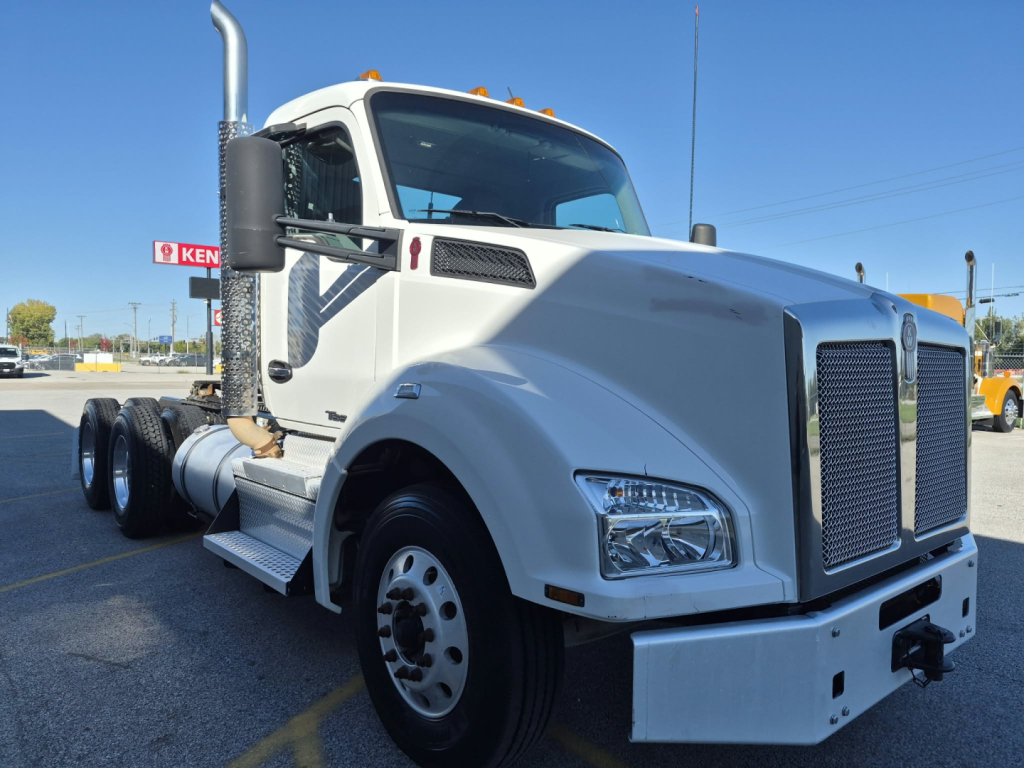
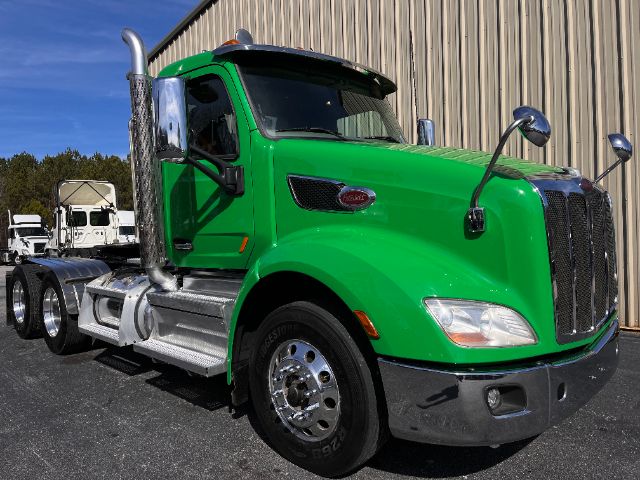

Selling a used 2018 conventional day cab truck? List your used 2018 conventional day cab truck for sale and reach thousands of commercial buyers.
Used 2018 Conventional Day Cab Trucks in Georgia
For highway-oriented work, compare Freightliner Cascadia tractors with Detroit DD13 or DD15 power, Volvo VNLs with D13 engines, and Kenworth T680 or Peterbilt 579 configurations using PACCAR MX-13 or Cummins X15 engines. Vocational models such as the Kenworth T880 deserve attention for aggregate or other demanding trailer work, but the actual axle, suspension, and frame specifications matter more than the badge. Identify the transmission from its data plate; an advertised automatic may be an automated manual rather than a torque-converter automatic.
Most factory-built 2018 diesel tractors are in the GHG17 emissions era, with a DPF, SCR system, and DEF supply. Verify the engine model, emissions label, and build information rather than trusting a seller's engine description. Obtain ECM mileage, engine hours, idle time, fault history, and available regeneration records, then compare them with service invoices. Check documented DPF cleaning, NOx-sensor repairs, DEF-system work, and coolant consumption. A low odometer reading is not proof of light duty after years of port queues or short-haul operation.
Georgia heat makes cooling-system condition and cab air conditioning practical inspection priorities. Coastal exposure and a truck's earlier service territory can matter more than its current Georgia address when judging corrosion. Inspect frame rails, air tanks, battery connections, suspension bushings, steering play, and fifth-wheel locking components. Road-test the tractor for shift quality, driveline vibration, and air-system recovery. Confirm that axle ratings, fifth-wheel position, and wheelbase support the intended trailer and legal axle loading rather than relying on the tractor's advertised gross rating alone.
Frequently Asked Questions about Used 2018 Conventional Day Cab Trucks in Georgia
Will a dump-trailer wet kit run a walking-floor trailer?
A dump-trailer wet kit is not automatically suitable for a walking-floor trailer. On a used 2018 day cab tractor, match the trailer manufacturer's required hydraulic flow, operating pressure, reservoir capacity, return plumbing, and filtration before connecting equipment. Verify PTO compatibility, pump condition, hose routing, and cab controls. A wet kit's presence alone does not establish that the hydraulic system suits the intended trailer.
What extra maintenance should I expect from an automated manual transmission?
An automated manual transmission still has a wear clutch, making clutch condition a major ownership consideration on a used 2018 day cab. Request clutch-life measurements where supported, actuator fault history, and records of clutch replacement and calibration. Test forward and reverse engagement after warmup, preferably with a trailer attached. Repeated low-speed maneuvering can produce substantial clutch wear without exceptionally high mileage.
Does a 2018 diesel day cab need a Georgia emissions test?
No. Georgia's emissions inspection program does not require testing for diesel-powered trucks, including 2018 diesel day cab tractors. That exemption does not legalize removed DPF or SCR equipment; federal emissions anti-tampering requirements still apply. A registration emissions exemption also does not replace required commercial-vehicle safety inspections. For work outside Georgia, check the destination jurisdiction's truck requirements before purchase.
Is every 2018 Freightliner Cascadia day cab the redesigned version?
No. Freightliner offered the new Cascadia alongside the earlier Cascadia platform, so a 2018 model-year designation alone does not identify the cab generation. Confirm a used day cab's configuration through its VIN-specific build record and cab details. Identify any collision-mitigation equipment separately, because model year does not establish which systems were ordered or whether their sensors remain functional.