
Used 2012 Conventional Daycab Trucks For Sale
Browse used 2012 conventional daycab trucks with specs that fit regional haul, local delivery, drayage, and vocational tractor applications.
Learn more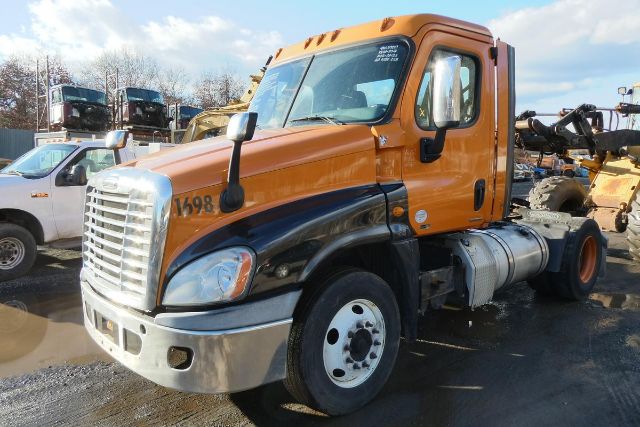
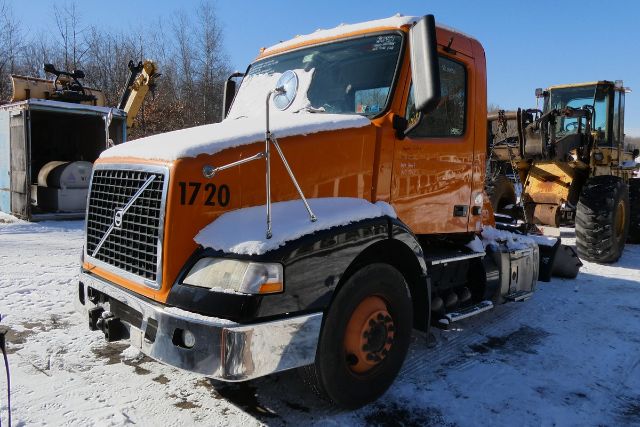
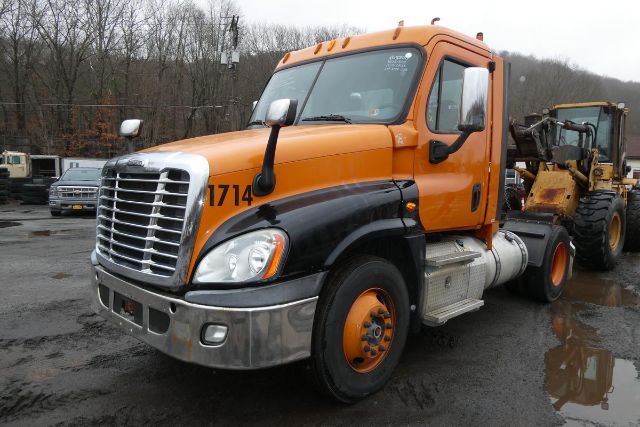
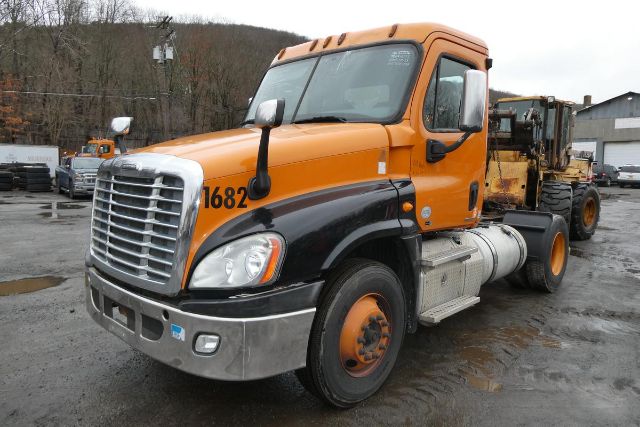
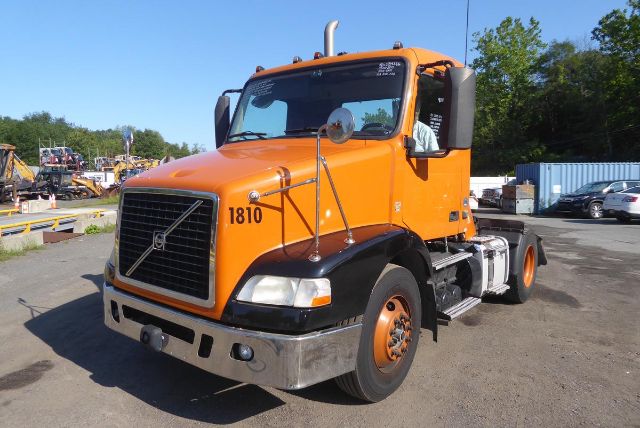
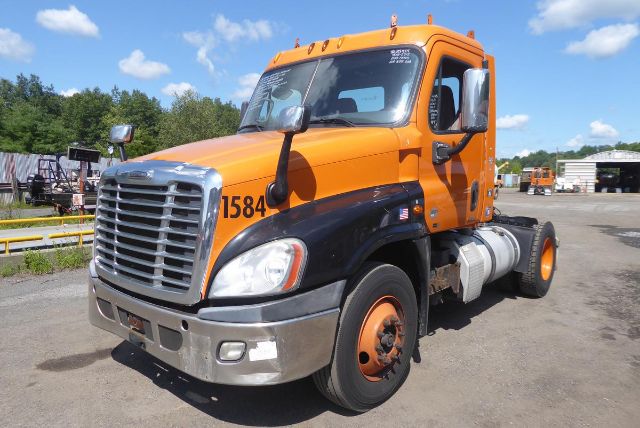
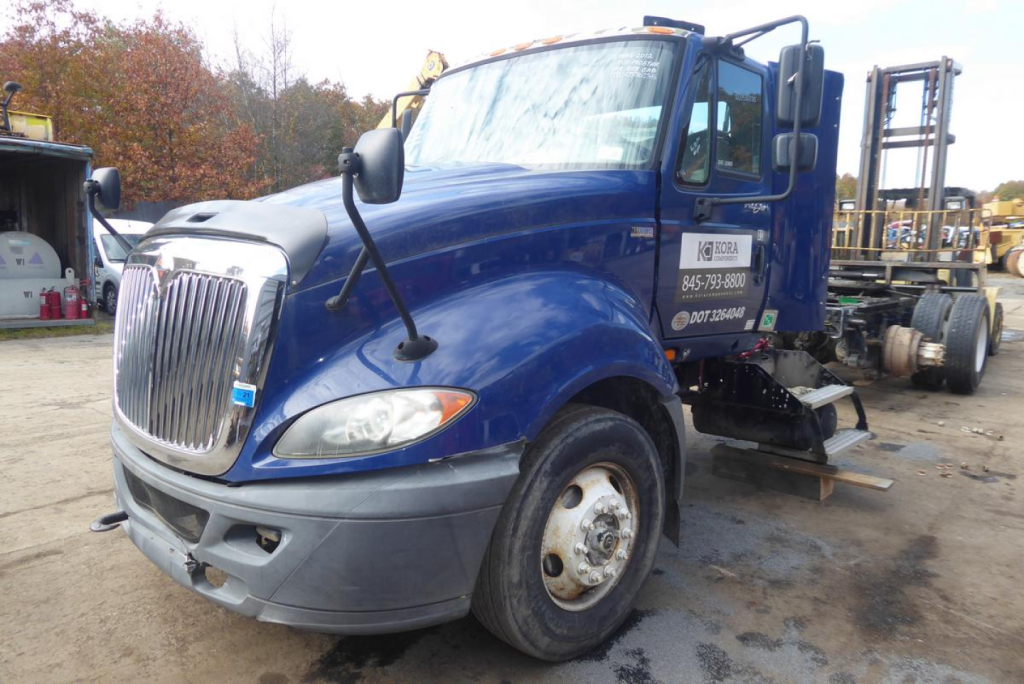
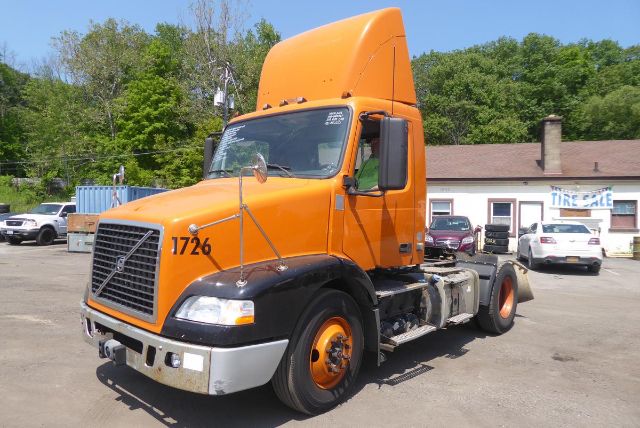
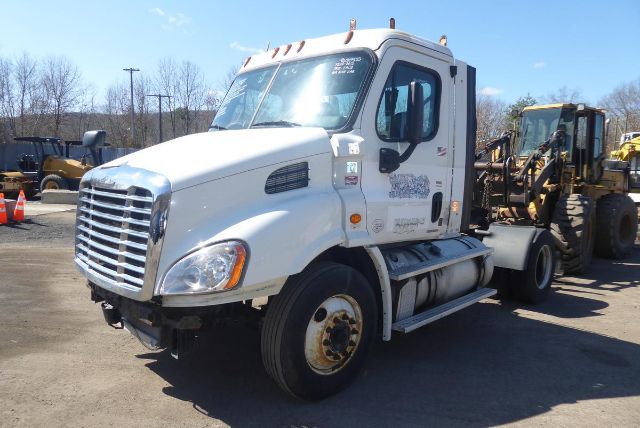
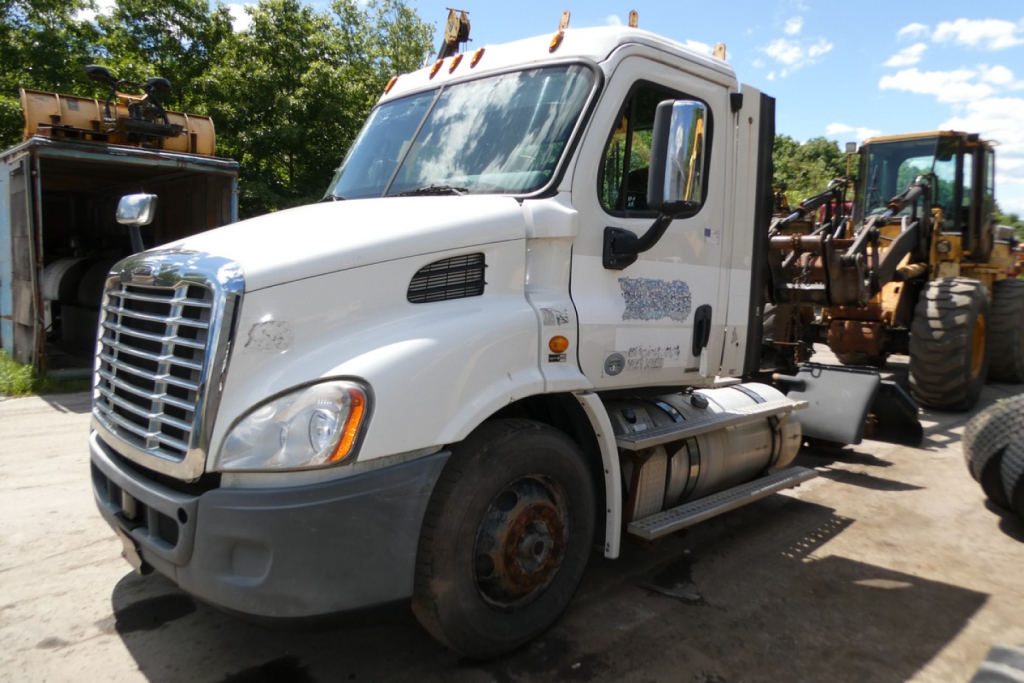
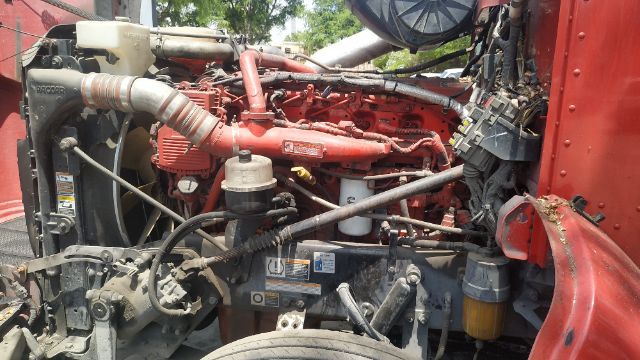
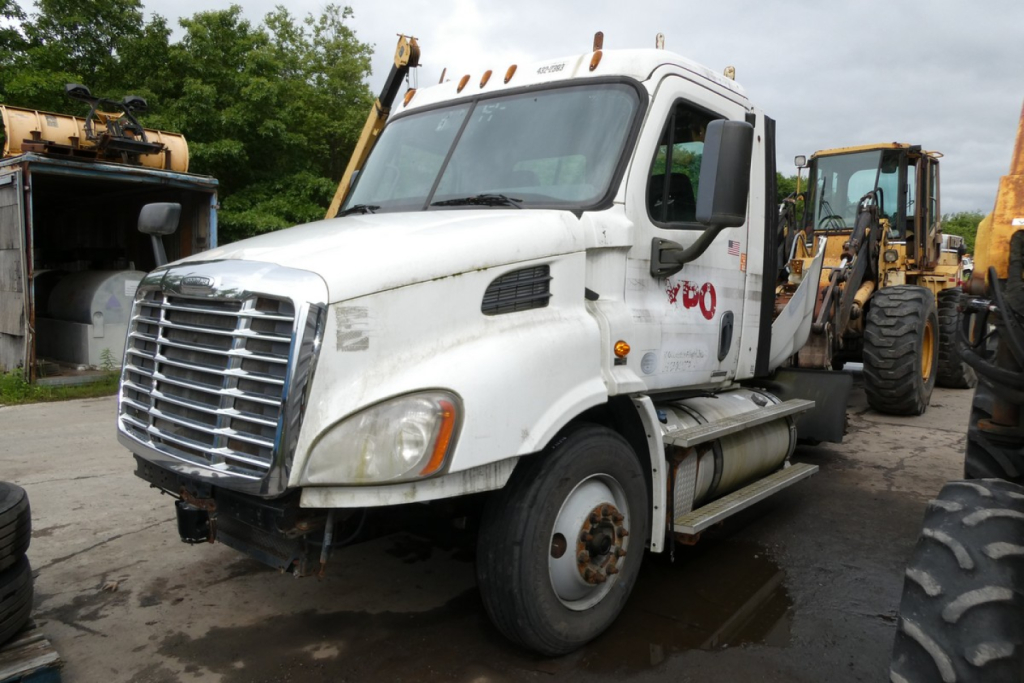
Showing 37 to 48 of 48 results
Have used 2012 conventional daycab truck to sell? List it here to reach thousands of buyers.
About Used 2012 Conventional Daycab Trucks
In the 2012 model year, conventional daycab trucks commonly came with tandem axle setups rated around 40,000 lb on the rears, 12,000 lb to 13,200 lb front axles, and GVWRs in the low-50,000 lb range for highway tractors. Popular configurations include 4x2 and 6x4 layouts, air ride suspensions, low-profile 22.5 tires, and wheelbases often ranging from about 160 to 180 inches. Many trucks in this segment use 10-speed or 13-speed manual transmissions, while some were spec'd with automated manuals for easier driver onboarding in city and regional service. Air-slide fifth wheels, dual fuel tanks, engine brakes, and power convenience features are common on fleet-spec units.
The biggest buying decision on a 2012 daycab is emissions and powertrain strategy. This era includes engines from major OEMs such as Cummins, Detroit, Volvo, Mack, Paccar, and Navistar, and reliability can vary significantly by engine family and maintenance history. A serious buyer should review ECM data, idle hours, aftertreatment service records, injector and turbo history, DPF and EGR repairs, and any evidence of recurring derate issues. Axle ratio matters too. A 3.25 or 3.36 ratio can suit regional highway work, while other ratios may be better for heavier starts, urban stop-and-go service, or fuel economy targets. If the truck will haul containers, tanks, or shorter trailers, verify kingpin-to-rear-axle dimensions, frame layout, and whether the fifth wheel travel gives enough flexibility for bridge law and weight distribution.
Cab condition still matters on a daycab because the truck often sees frequent entry, tight turns, and high daily stop counts. Check seat wear, steering play, A/C performance, window regulators, collision damage, suspension bushing wear, and signs of corrosion around battery boxes, crossmembers, and cab mounts. For local fleet use, features such as air ride cab, disc or drum brake preference, collision mitigation, and tire inflation systems can affect driver acceptance and operating cost. A well-matched 2012 conventional daycab can still be a productive asset when the spec lines up with the route, the trailer, and the maintenance standard required by the operation.
Frequently Asked Questions
What is a conventional daycab truck used for?
A conventional daycab truck is built for operations that return the driver home daily or do not require sleeper space. Common uses include regional haul, port drayage, local dry van, tanker, flatbed, refuse transfer, and dedicated industrial routes. The shorter cab and lighter overall package improve maneuverability and can increase payload compared with a sleeper tractor.
What should I check first on a used 2012 conventional daycab?
Start with the engine and emissions system, then verify transmission model, rear axle rating, suspension type, wheelbase, and maintenance history. On a 2012 truck, aftertreatment condition is especially important because DPF, EGR, turbocharger, and related sensor issues can create downtime and expensive repairs. ECM downloads, service invoices, and a thorough pre-purchase inspection are more valuable than cosmetic condition alone.
What wheelbase is common for a 2012 daycab tractor?
Many 2012 conventional daycab tractors were spec'd in the 160-inch to 180-inch wheelbase range, although exact dimensions vary by application. Shorter wheelbases generally help in urban delivery, drayage, and tight yard environments. Longer wheelbases may offer better ride quality, fuel capacity options, and trailer clearance depending on the fifth wheel setting and trailer swing requirements.
Are 2012 conventional daycabs better with a manual or automated transmission?
That depends on route profile, driver pool, and maintenance preference. Manual transmissions remain popular for durability, lower upfront cost, and driver control in certain applications. Automated manuals can reduce driver fatigue, improve consistency, and help fleets standardize training, especially in stop-and-go regional service. The better choice is the one that fits the operation and has documented maintenance support.
How do axle ratio and rear suspension affect daycab performance?
Axle ratio directly influences startability, cruising RPM, fuel economy, and suitability for heavier loads. Lower numerical ratios such as 3.25 are often used for highway-oriented regional work, while other ratios may be preferred for heavier vocational starts or mixed terrain. Rear suspension type also matters because air ride generally improves ride quality and cargo protection, while other setups may be selected for durability or specific vocational demands.