
Used 2011 Conventional Daycab Trucks For Sale in New York
Shop used 2011 conventional daycab trucks in New York. Compare wheelbase, axle ratings, engine, transmission, and regional hauling specs.
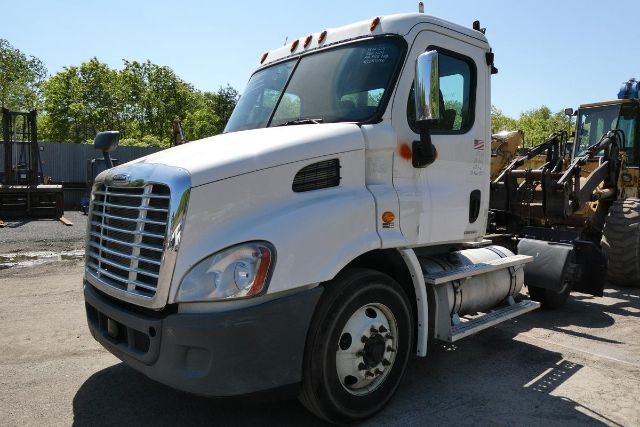
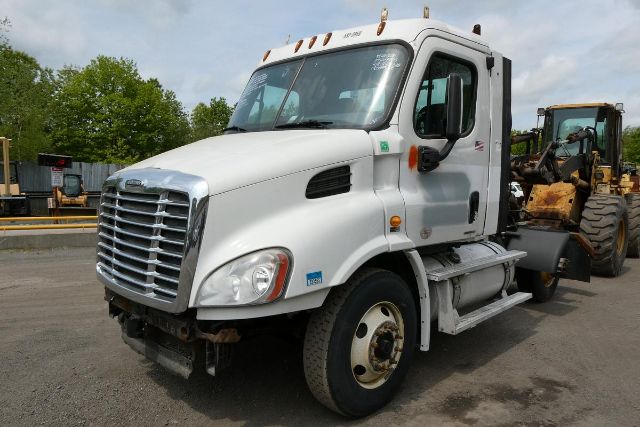
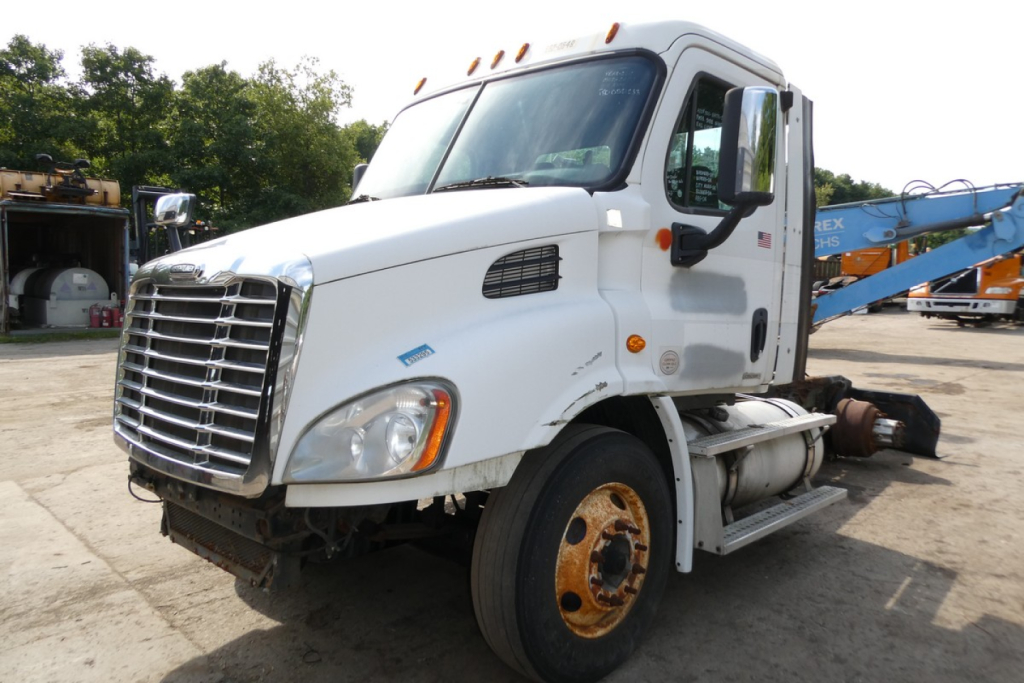
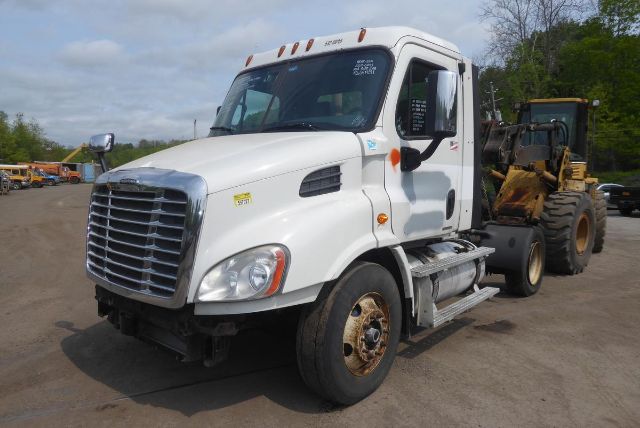
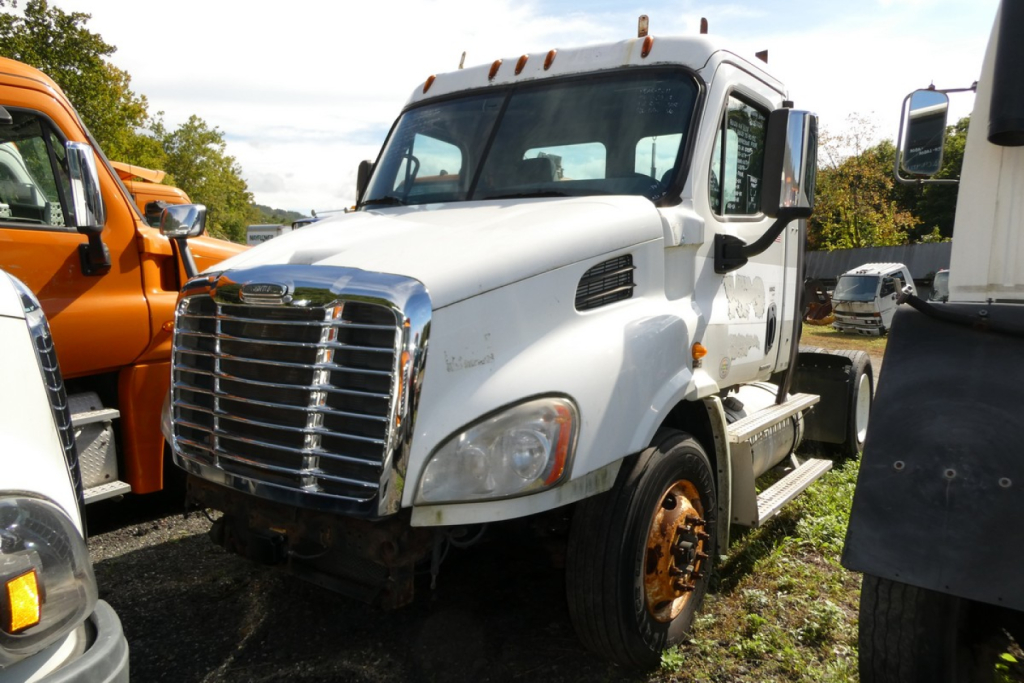
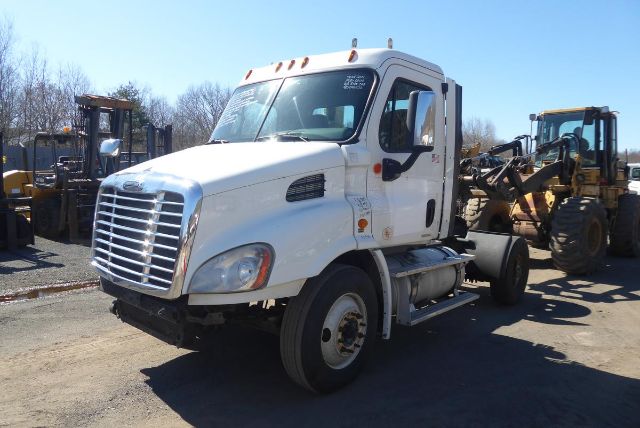
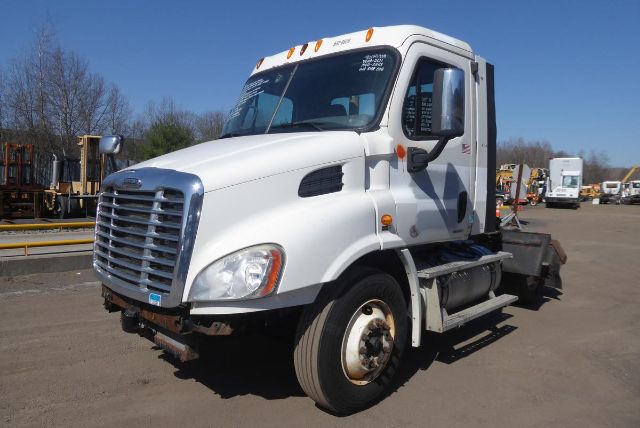
Selling a used 2011 conventional daycab truck? List your used 2011 conventional daycab truck for sale and reach thousands of commercial buyers.
Used 2011 Conventional Daycab Trucks in New York
Most 2011 conventional daycabs on the market were spec'd with 12,000 lb front axles, rear axles in the 23,000 to 40,000 lb range, and either a single axle or tandem axle layout. Common wheelbases often fall around the 160 to 180 inch range for fleet road tractors, though heavier vocational or specialized tractor setups can run longer. Powertrains from this model year frequently include engines in the 350 to 500 horsepower range paired with 10-speed manual, 13-speed manual, or automated manual transmissions. It is also common to see 11R22.5 rubber, air ride suspensions such as Freightliner AirLiner or similar setups, and stationary or air-slide fifth wheels depending on the operation.
For a 2011 model, emissions equipment deserves close attention. This year sits in the SCR and DEF era, so buyers should evaluate the DPF, DEF system, EGR performance, fault history, and shutdown events before putting much weight on mileage alone. Engine hours, ECM readings, and service records can tell a more accurate story than the odometer on a used daycab that spent years in stop-and-go work. In regional and urban service, transmission condition, clutch wear, suspension bushings, brake type, and rear ratio are just as important as engine make. A 3.08 or 3.42 ratio can make a big difference in cruise RPM, launch feel, and fuel economy depending on route profile and gross weight.
Cab condition matters more than many buyers expect on a daycab because the driver is constantly entering, exiting, coupling, and working around the truck. Look closely at seat wear, rear window condition, HVAC operation, dash fault codes, and signs of corrosion around doors, cab mounts, and frame rails, especially in northeastern states where winter road treatment is a factor. A well-matched used 2011 conventional daycab can still be a cost-effective truck for regional tractor work if the specs line up with the route, trailer set, and maintenance plan.
Frequently Asked Questions about Used 2011 Conventional Daycab Trucks in New York
What is a conventional daycab truck best used for?
A conventional daycab truck is best suited for local and regional tractor work that does not require overnight accommodations. Common applications include port drayage, terminal-to-terminal freight, warehouse shuttles, municipal support work, and dedicated routes with frequent stops. The shorter cab and lighter overall configuration can improve maneuverability, simplify maintenance, and reduce unnecessary weight compared with a sleeper tractor.
What should I check first on a used 2011 daycab?
Start with the engine emissions system, transmission type, axle configuration, wheelbase, and fifth wheel setup. On a 2011 truck, DEF, DPF, and EGR condition are critical because repair costs can be significant and drivability issues often trace back to emissions faults. After that, review engine hours, ECM mileage, brake condition, suspension wear, tire condition, and any signs of frame corrosion or cab damage that could affect long-term operating cost.
Are 2011 conventional daycabs good for New York operations?
Yes, many 2011 conventional daycabs are well suited to New York freight environments because they are commonly spec'd for regional and urban service. Their shorter overall length helps in tighter yards, older industrial areas, and congested delivery zones. Buyers should still confirm axle weights, wheelbase, turning radius, and emissions compliance needs for the intended routes, especially if the truck will be used in port, metro, or regulated fleet applications.
What axle and suspension specs are common on conventional daycabs?
Used conventional daycabs often come with a 12,000 lb front axle and either a single rear axle around 23,000 lb or tandem rears up to 40,000 lb, depending on the intended duty cycle. Air ride suspensions are common because they improve ride quality and help protect freight, while some heavier or vocational tractors may use different suspension designs. Matching axle ratings and suspension type to trailer weights and lane requirements is one of the most important spec decisions a buyer can make.
How important is wheelbase on a daycab tractor?
Wheelbase is a major buying factor because it affects turning radius, bridge compliance, ride quality, trailer gap, and the ability to shift weight with the fifth wheel. A shorter wheelbase is often preferred for city work and tight terminals, while a longer wheelbase may offer better ride stability or support a different trailer setup. The right wheelbase depends on the trailer lengths, axle spread, loading pattern, and routes the truck will handle every day.