
Conventional Daycab Trucks For Sale in Tennessee
Conventional daycab trucks for sale in Tennessee: compare gearing for mountain grades, axle capacity, emissions history, and new-truck specifications.
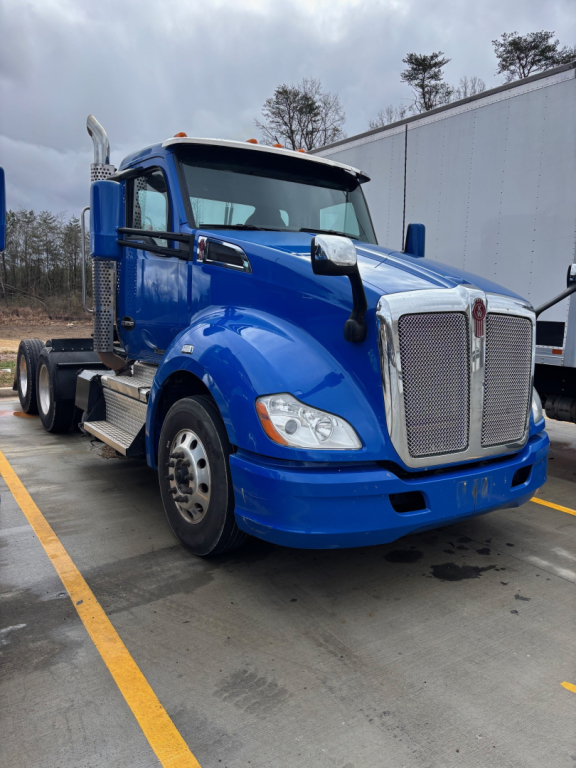
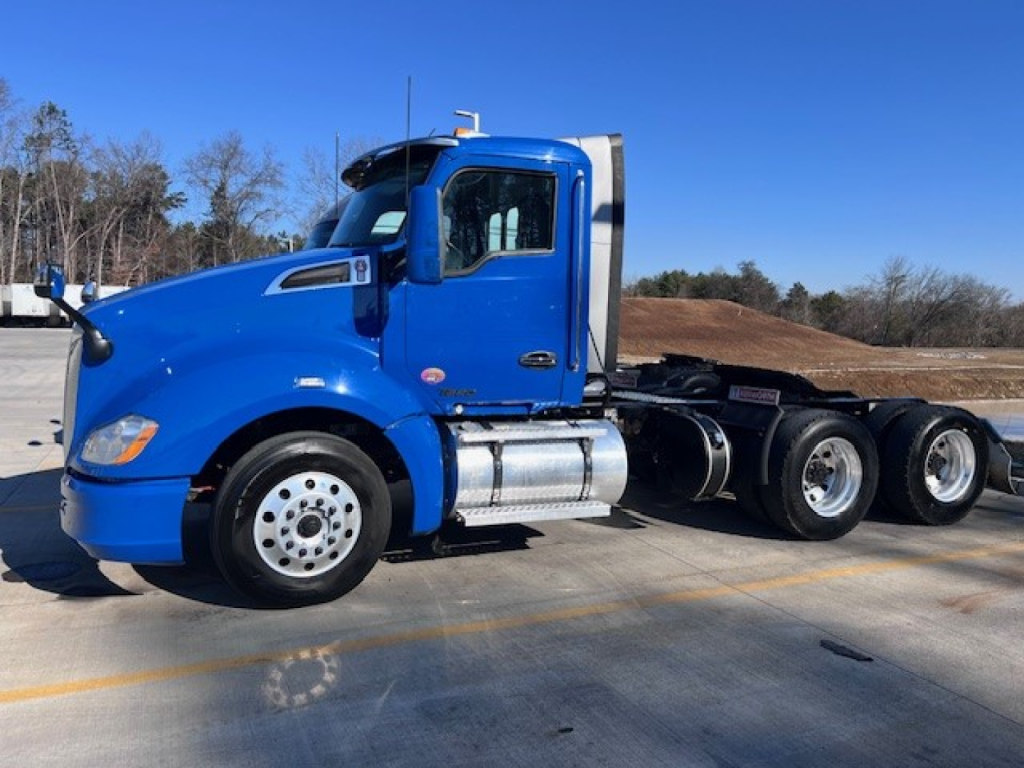
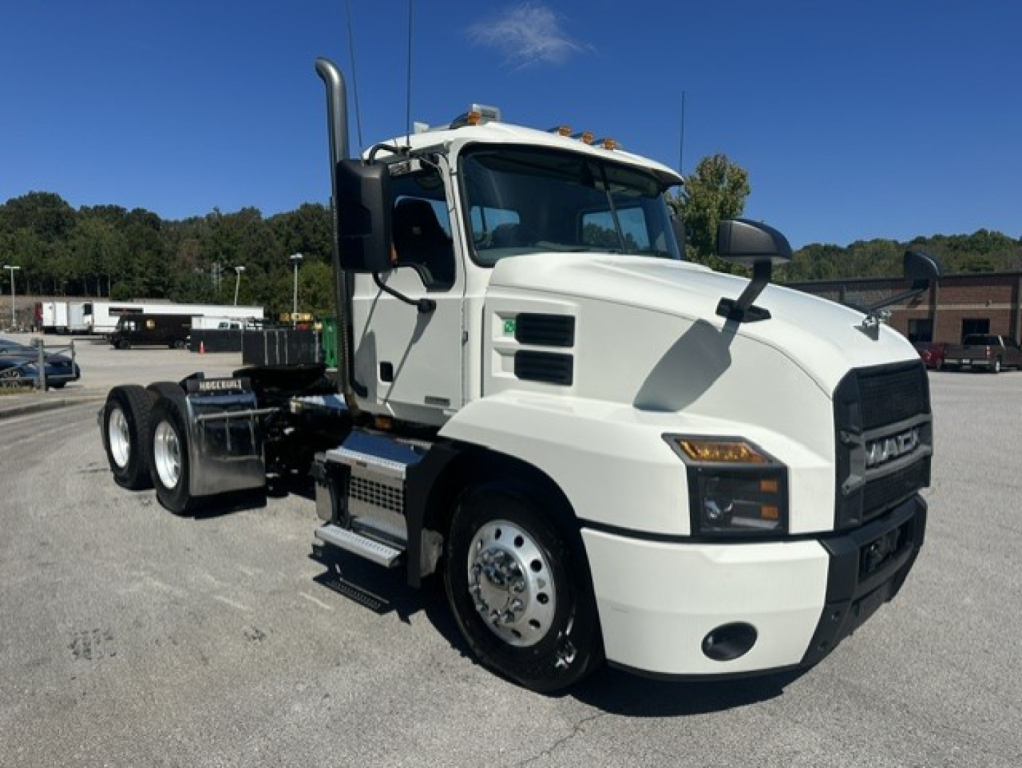
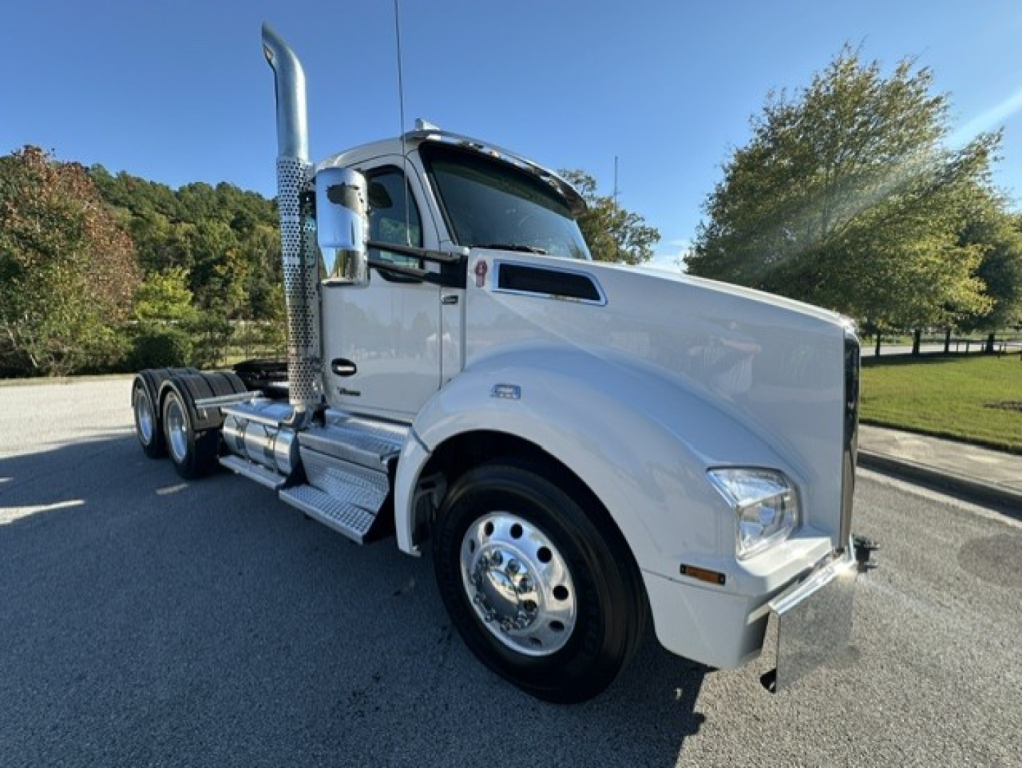
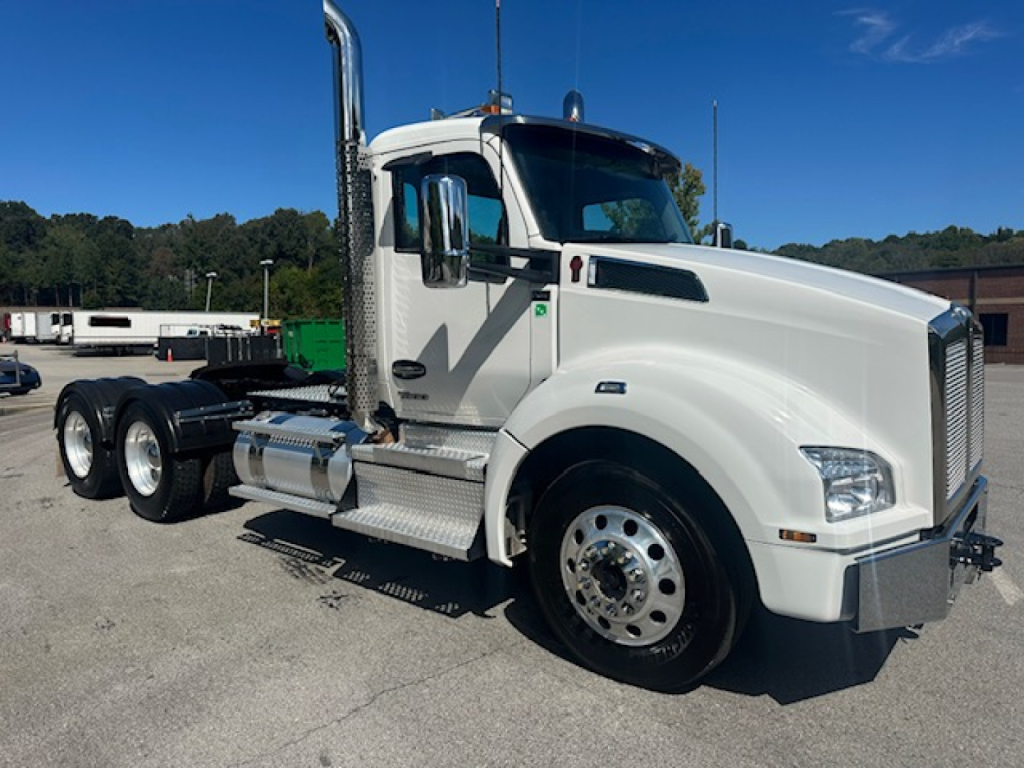
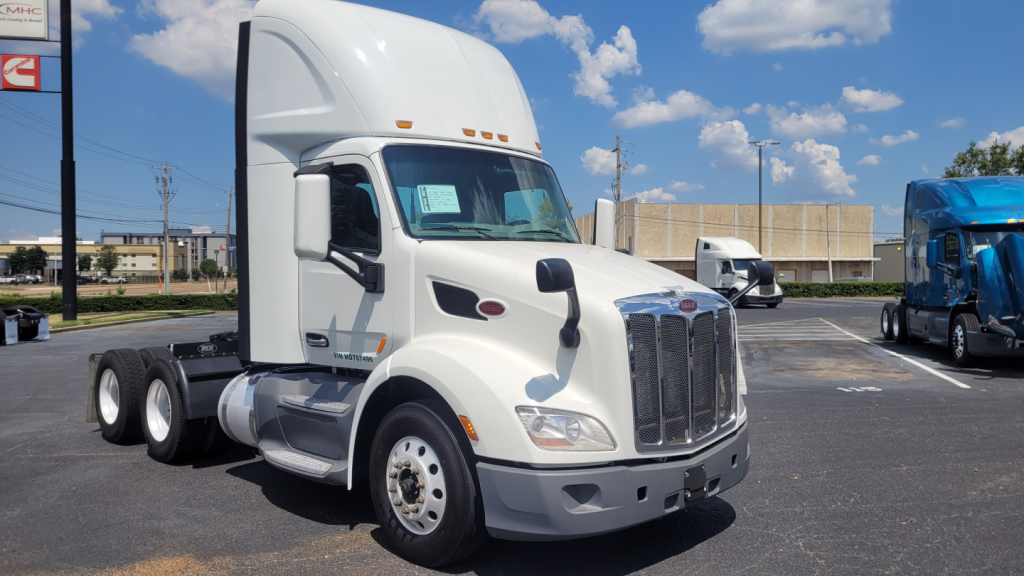
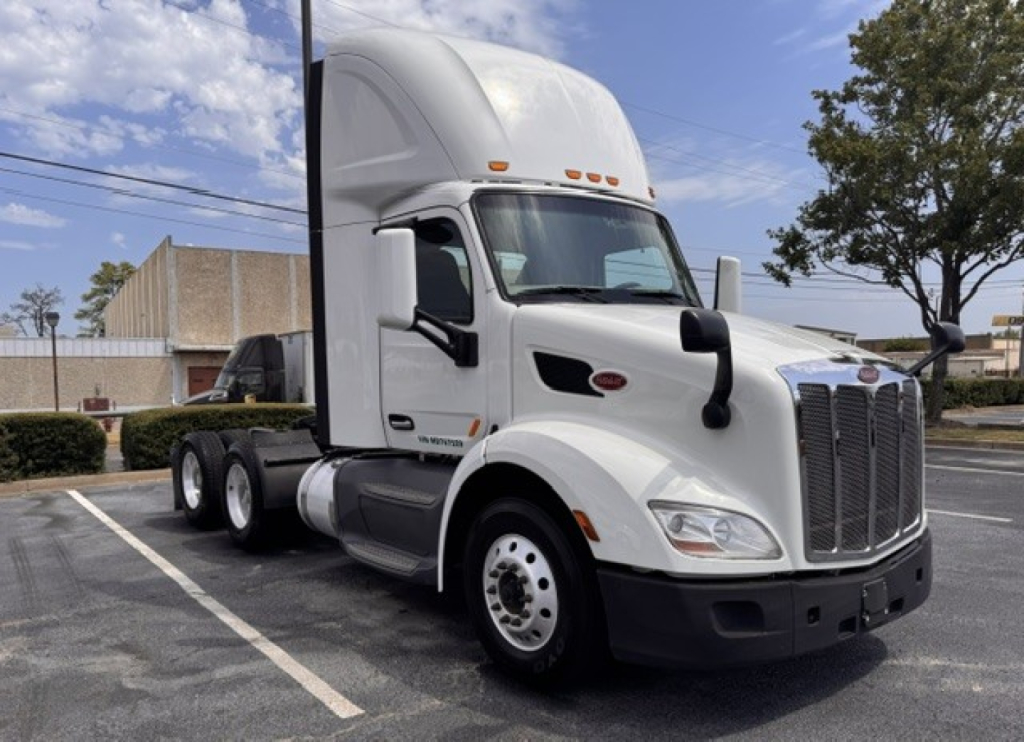
Selling a conventional daycab truck? List your conventional daycab truck for sale and reach thousands of commercial buyers.
Conventional Daycab Trucks in Tennessee
Highway-oriented models include the Freightliner Cascadia, Volvo VNL, Kenworth T680, and Peterbilt 579; the Kenworth T880 also serves vocational tractor applications. Common modern powertrains include Detroit DD13 or DD15 engines with DT12 transmissions and Volvo D13 engines with I-Shift. Newer Kenworth and Peterbilt tractors offer PACCAR MX-13 or Cummins X15 power, depending on model and configuration. Compare actual axle ratings, fifth-wheel height, suspension, and transmission specifications rather than treating every tractor from one manufacturer as equivalent.
Used day cabs need an engine-hours review as much as a mileage review, especially after yard, local delivery, or PTO service. Compare ECM mileage and hours with maintenance records, then inspect fifth-wheel jaws, frame rails, suspension bushings, steering components, and driveline joints. Check hydraulic systems on wet-kit-equipped tractors for leaks and compatibility with the intended trailer. Most 2007-era highway diesels introduced DPF systems, and most 2010-era models added SCR and DEF. On those trucks, request regeneration history, aftertreatment repair records, and a diagnostic scan for active and recurring faults.
New tractors should be ordered around trailer type, loaded axle distribution, route grades, and required PTO provisions. Confirm what the engine, transmission, and aftertreatment warranties cover, and account for the 12% federal excise tax where applicable to qualifying new heavy tractors. Tennessee buyers should verify legal gross and axle weights for their actual routes rather than relying on component ratings alone. Inspect used equipment for undercarriage corrosion from winter road treatments and prior operation outside Tennessee, particularly around brake plumbing and electrical connectors.
Frequently Asked Questions about Conventional Daycab Trucks in Tennessee
What weight can a day cab tractor legally haul on Tennessee interstates?
An ordinary five-axle tractor-trailer combination is subject to an 80,000-pound gross limit on Tennessee interstates, with 20,000 pounds on a single axle and 34,000 pounds on a tandem. Federal Bridge Formula requirements can reduce the allowable weight for a particular axle spacing. A conventional day cab's axle ratings do not override these limits; permitted loads and other exceptions require separate route and permit verification.
Is a single-axle or tandem-axle day cab better for Tennessee regional hauling?
A tandem-axle day cab is the usual choice for regional trailers carrying heavier loads, while a single-axle tractor can suit lighter distribution work. Single-axle configurations reduce tractor weight and eliminate one drive axle's tires and maintenance, but provide less drive-axle capacity. Compare the complete combination's axle spacing, loaded weight distribution, traction needs, and trailer requirements before choosing either configuration.
Will any day cab wet kit work with my dump or tank trailer?
A day cab wet kit must match the trailer's required hydraulic pressure, flow, reservoir capacity, and return arrangement. A single-line dump setup is not automatically suitable for a hydraulic motor or another trailer system. Verify the PTO and pump specifications, hose connections, filtration, and cooling requirements against the trailer manufacturer's instructions before connecting equipment or ordering a new tractor.
How should I test an automated transmission in a used day cab?
A loaded road test and transmission diagnostic report are the most useful checks for an automated-transmission day cab. Test forward and reverse engagement, low-speed backing, hill starts, and shifts under load after the drivetrain reaches operating temperature. Request available clutch-wear data and calibration history, and investigate delayed engagement, repeated neutral events, or warning messages rather than assuming those behaviors are normal.