
Used Peterbilt Conventional Daycab Trucks For Sale in Missouri
Browse used Peterbilt conventional daycab trucks in Missouri. Compare 579 specs, MX-13 power, wheelbase, axle ratings, and cab options.
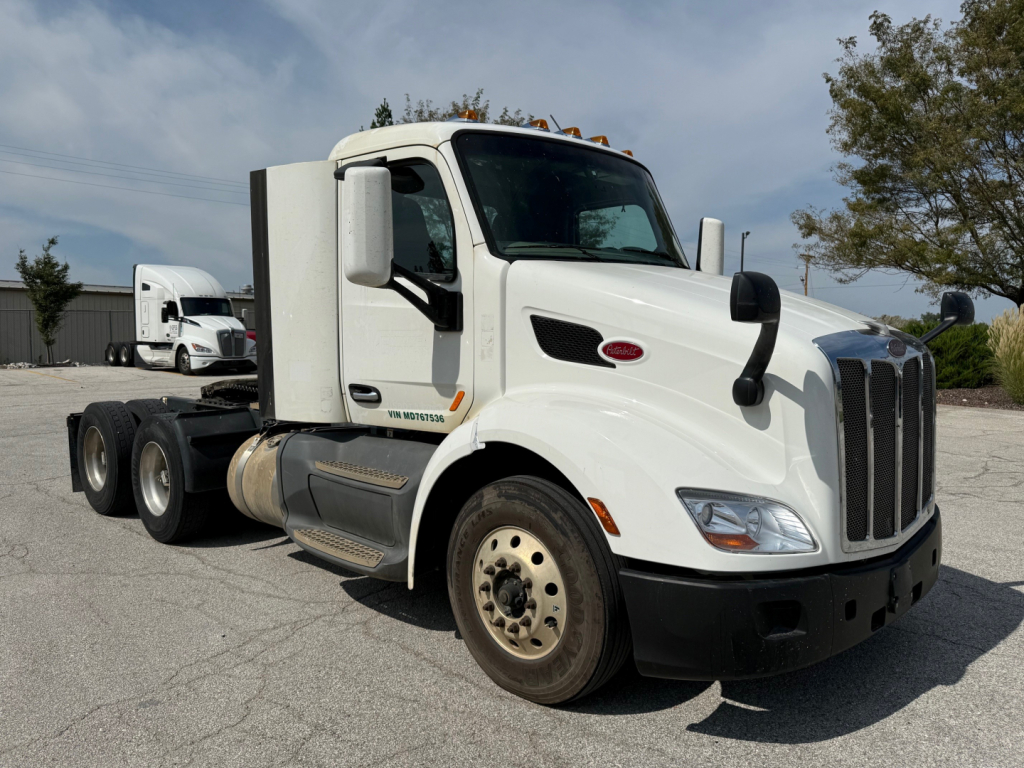
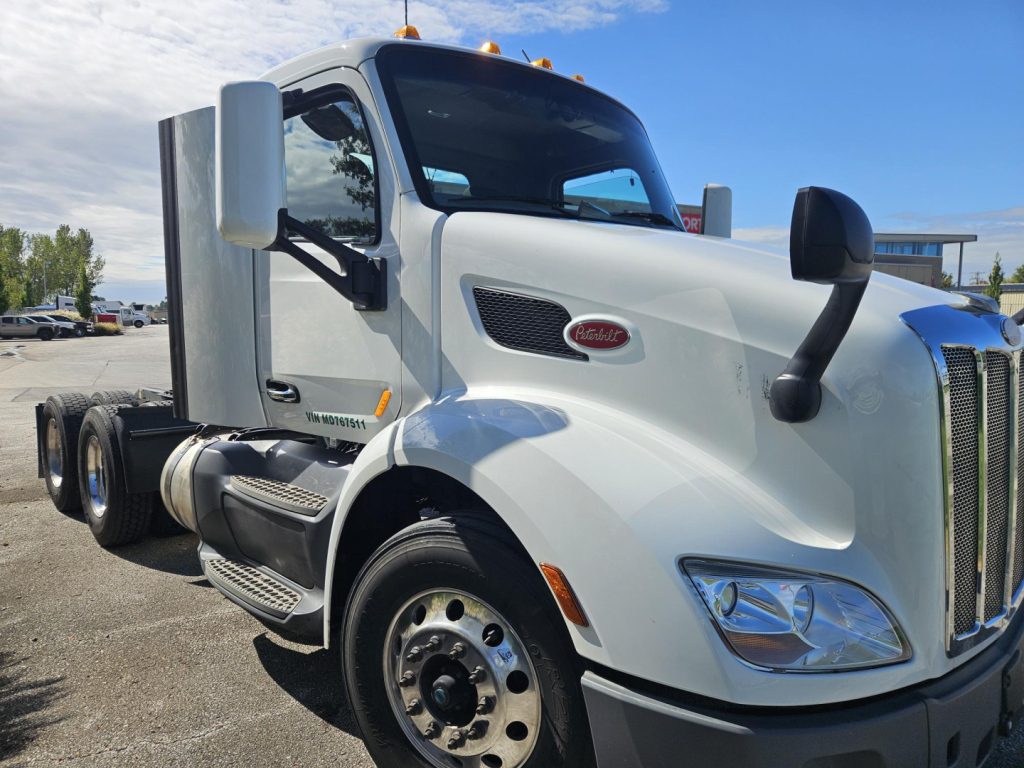

Selling a used peterbilt conventional daycab truck? List your used peterbilt conventional daycab truck for sale and reach thousands of commercial buyers.
Used Peterbilt Conventional Daycab Trucks in Missouri
Powertrain matters more than paint on a daycab. Many used Peterbilt daycab trucks are equipped with the PACCAR MX-13, often in ratings around 430 to 455 horsepower, paired with a 10-speed manual or automated manual transmission. Buyers should match the engine and gearing to the actual job. A truck pulling van freight on rolling highway routes needs a different setup than one handling heavy local starts and stops. Rear axle ratings, suspension type, and wheelbase all affect maneuverability, payload balance, and trailer compatibility. If the truck will spend time in tight yards or urban docks, a shorter wheelbase can be a real advantage. If it will run steady highway miles with a heavier trailer, ride quality and gearing become more important.
Cab and chassis specs deserve close attention on any used conventional daycab. Check for fairing condition, frame length, fifth wheel position, fuel tank capacity, and whether the truck has the right PTO or wet kit provisions if a specialized trailer is part of the plan. Interior condition also tells you a lot about how the truck was used and maintained. On higher-mileage units, buyers typically look closely at emissions system service history, clutch life on manual trucks, DPF and DEF components, suspension wear, and front-end alignment. Tire condition, brake life, and signs of frame modifications should be reviewed before comparing price alone.
Peterbilt retains strong market appeal because the brand combines recognizable styling with practical fleet specs and wide parts support. For a Missouri buyer, that usually means a used Peterbilt daycab can fit both fleet replacement cycles and owner-operator needs, especially when the truck has a documented maintenance history and a spec that matches the lane. The best value is rarely the cheapest truck on the page. It is the one with the right horsepower, axle ratio, miles, maintenance records, and chassis layout for the work it will actually do.
Frequently Asked Questions about Used Peterbilt Conventional Daycab Trucks in Missouri
What is a Peterbilt conventional daycab truck used for?
A Peterbilt conventional daycab is typically used for regional hauling, local distribution, drayage, dedicated route work, and terminal operations. Because it does not have a sleeper, it usually offers lower curb weight, easier maneuverability, and simpler day-to-day operation for drivers who return home after each shift. It is a practical choice when the freight operation does not require overnight accommodations.
What should I look for when buying a used Peterbilt daycab?
Focus first on the powertrain and chassis spec, not just model year or appearance. Review engine rating, transmission type, rear axle ratio, wheelbase, suspension, and axle capacities to make sure the truck fits the trailer and load profile. On a used truck, maintenance records are especially important, including emissions repairs, clutch or transmission service, brake work, tire history, and any major engine or aftertreatment repairs. A clean frame, consistent tire wear, and a well-documented service history usually matter more than cosmetic details.
Is the Peterbilt 579 a good daycab model for regional freight?
The Peterbilt 579 is a common and capable daycab platform for regional freight because it balances aerodynamics, driver comfort, and fleet-friendly serviceability. Many are spec'd with PACCAR MX-13 engines and transmissions suited for highway and mixed-route work. The right truck depends on the exact configuration, but the 579 is widely used in fleets because it can be tailored for fuel economy, driver comfort, or heavier-duty applications depending on axle and drivetrain specs.
Are manual transmissions still common in used Peterbilt daycab trucks?
Yes, manual transmissions are still found in many used Peterbilt daycabs, especially in fleet turnover units and trucks purchased by operators who prefer direct control and simpler familiarity. A 10-speed manual remains a common spec for regional and general freight work. Buyers should inspect clutch condition, shift quality, and service history, because replacement cost and driver preference can affect the truck's long-term value.
How important is wheelbase on a used daycab?
Wheelbase is one of the most important fitment specs on a daycab because it affects turning radius, ride quality, trailer gap, and usable frame space. A shorter wheelbase is usually better for city delivery, yard work, and tight docks. A longer wheelbase may ride better on the highway and allow different fuel tank or equipment layouts. The correct choice depends on the trailer type, fifth wheel setting, and how much maneuverability the operation really needs.