
Used Peterbilt Conventional Daycab Trucks For Sale in Georgia
Shop used Peterbilt conventional daycab trucks in Georgia. Compare 579 specs, engines, wheelbases, transmissions, and fleet-ready options.
Learn more
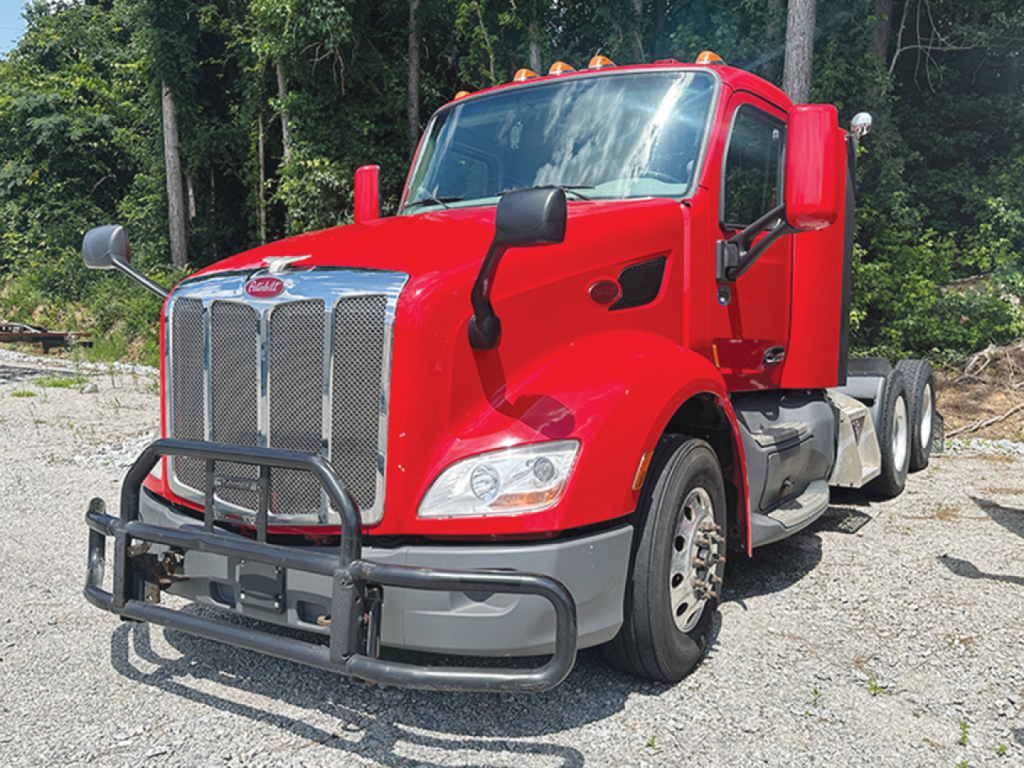
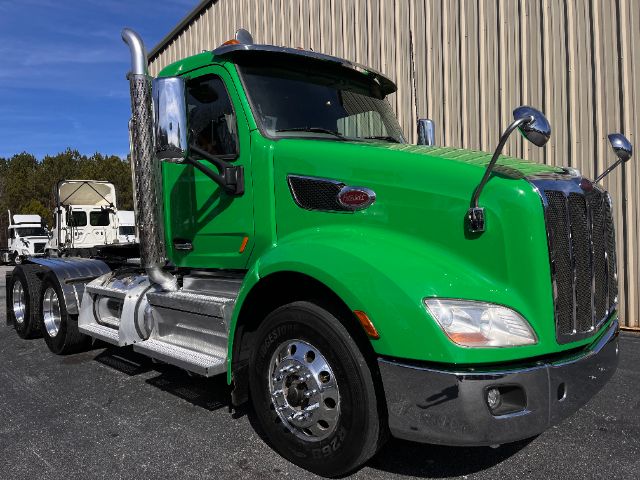
Have used peterbilt conventional daycab truck to sell? List it here to reach thousands of buyers.
About Used Peterbilt Conventional Daycab Trucks in Georgia
For most buyers, the key decisions start with engine, transmission, wheelbase, and axle ratings. Many used Peterbilt daycabs are spec'd with Cummins or PACCAR MX engines in the 400 to 500 horsepower range, often paired with automated or full automatic transmissions for urban and regional routes. A shorter wheelbase improves maneuverability for distribution and port service, while a longer wheelbase may be better for heavier PTO or wet kit applications. Look closely at rear axle ratio, suspension type, fifth wheel setup, and fuel capacity, especially if the truck will move between city work and highway miles.
A used Peterbilt daycab should also be evaluated by application-specific equipment, not just year and mileage. Wet kits matter for end dump and tanker work. Air slide fifth wheels can add flexibility across trailer lengths and kingpin settings. Air ride suspension is common and helps with ride quality, traction, and driver retention. In Georgia, cooling system condition, A/C performance, tire wear, and emissions history deserve extra attention because heat, idle time, and stop-and-go duty can expose weak points faster than long steady highway runs. Service records, turbo history, aftertreatment maintenance, and signs of frame or suspension wear can tell you more than the odometer alone.
Peterbilt conventional daycab trucks, also known simply as daycab semi trucks or day cab tractors, appeal to buyers who want a premium highway-style platform without the added weight and cost of a sleeper. The best used unit is usually the one whose original spec matches the job now, not the one with the most chrome or the lowest advertised miles. A fleet buyer may prioritize uniform specs and easy serviceability, while an owner-operator may care more about cab condition, driveline performance, wheel options, and PTO readiness. Matching the truck to route length, trailer type, gross weight, and shop support will usually produce better results than shopping by badge alone.
Frequently Asked Questions
What is a Peterbilt conventional daycab truck best used for?
A Peterbilt conventional daycab truck is best suited for regional hauling, local delivery, dedicated freight, intermodal, tanker, and vocational tractor work where overnight sleeper space is unnecessary. The conventional hood design gives easier engine access for service, and the daycab layout reduces weight compared with a sleeper tractor. That makes it a practical choice for operations that need maneuverability, lower tare weight, and a truck that returns to base regularly.
What should I check first on a used Peterbilt daycab?
Start with the powertrain spec and maintenance history. Confirm the engine model, horsepower, transmission type, rear axle ratio, and axle ratings, then review service records for aftertreatment work, turbo replacement, coolant system repairs, clutch history, and suspension maintenance. After that, inspect cab condition, frame integrity, fifth wheel wear, tire condition, and signs of hard vocational use such as PTO modifications or excessive idle hours.
Is a Peterbilt 579 daycab a good choice for regional freight?
A Peterbilt 579 daycab is a popular regional freight tractor because it combines a highway-oriented cab with daycab practicality. Many are spec'd with efficient drivetrains, air ride suspension, and driver comfort features that work well for multi-stop and short-to-mid-range runs. Buyers should still verify the exact wheelbase, fuel capacity, transmission, and axle ratio, since two 579 daycabs can be configured very differently depending on the original fleet or owner-operator application.
Do used Peterbilt daycabs commonly come with automatic transmissions?
Yes. Many late-model used Peterbilt daycab trucks are equipped with automated manual or full automatic transmissions, especially trucks built for fleet, regional, and urban service. These transmissions can reduce driver fatigue and simplify hiring in markets where manual experience is less common. A buyer should verify the exact transmission model, software update history, clutch calibration status if applicable, and how well the gearing matches the intended gross combined weight and route profile.
Why does wheelbase matter on a conventional daycab?
Wheelbase affects turning radius, bridge law flexibility, trailer gap, ride quality, and how the truck fits a specific job. A shorter wheelbase is usually preferred for tight terminals, city work, and port operations because it is easier to maneuver. A longer wheelbase can provide better ride quality, more frame space for equipment such as wet kits, and a better fit for certain trailer combinations. The correct wheelbase depends on trailer type, kingpin setting, axle spread, and the operating environment.