
Used 2018 Peterbilt Conventional Daycab Trucks For Sale
Shop used 2018 Peterbilt conventional daycab trucks. Compare 579-style specs, engines, wheelbase, axle ratings, and regional haul setups.
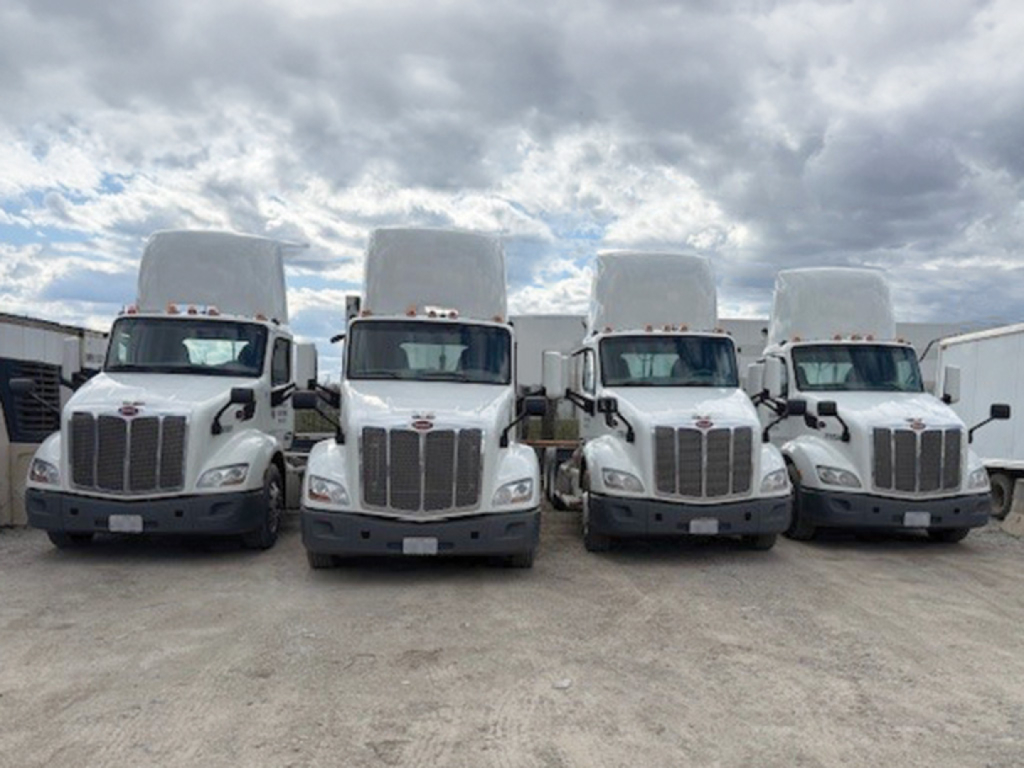
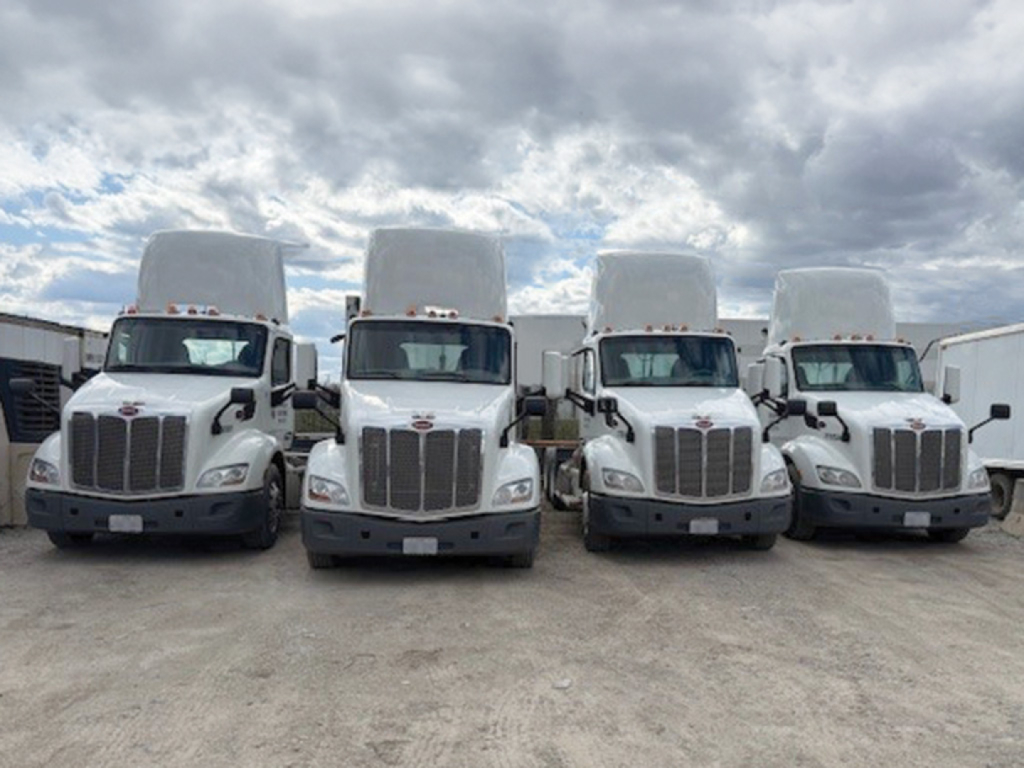
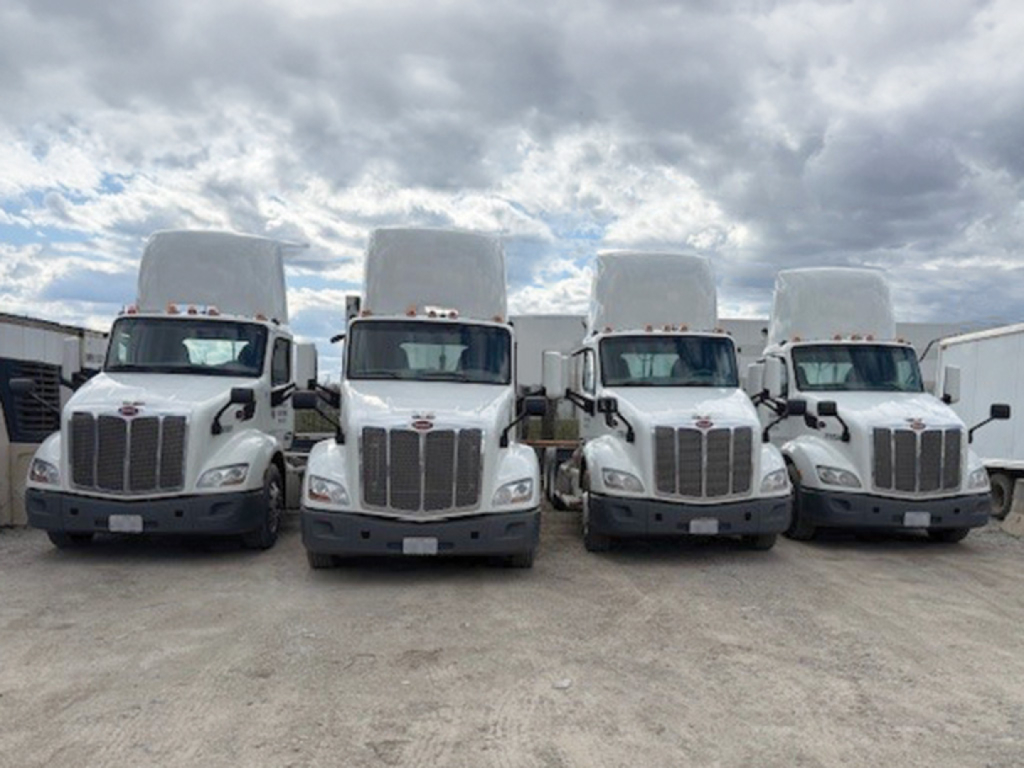
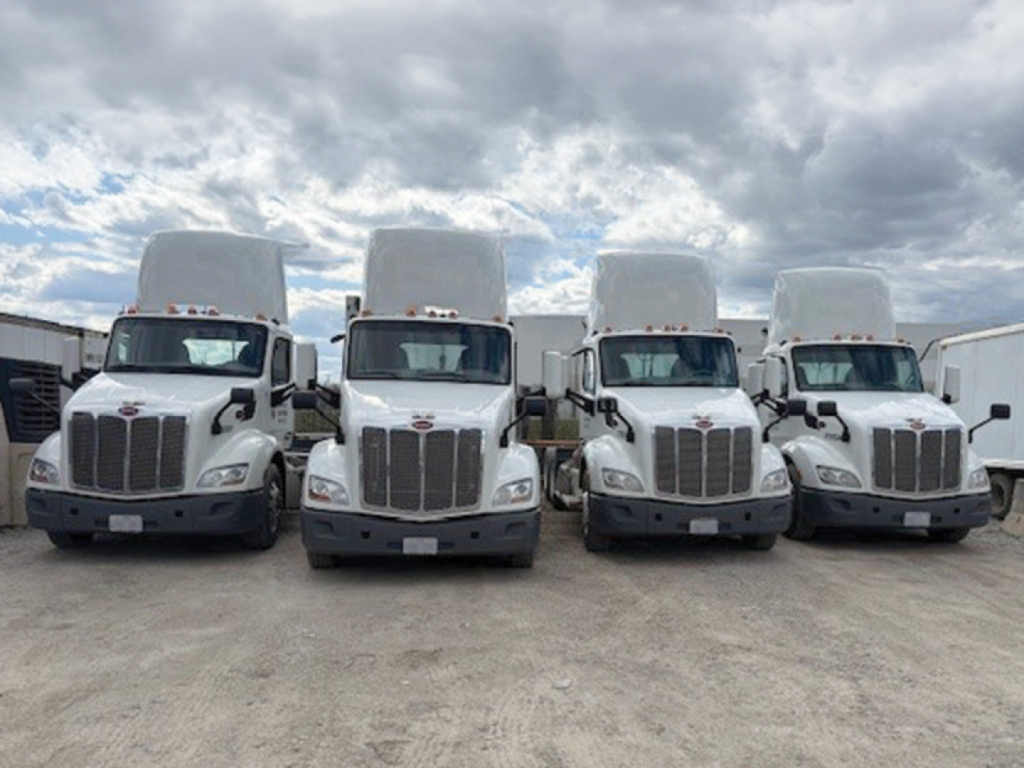
Looking for the easiest place to sell your used 2018 peterbilt conventional daycab truck? List it here to reach thousands of buyers.
Used 2018 Peterbilt Conventional Daycab Trucks
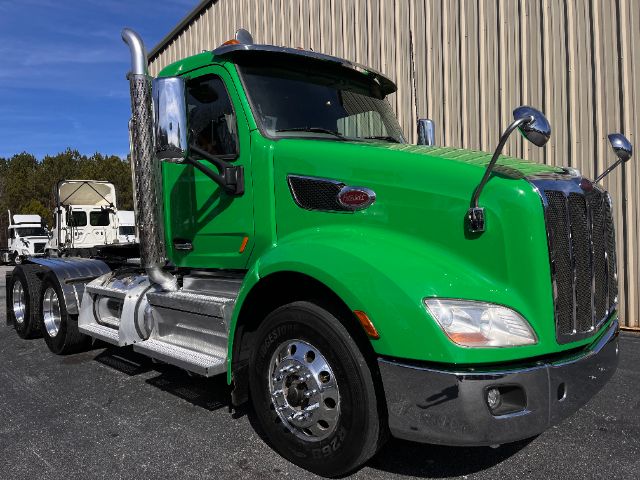
The most important buying decision is the powertrain. Many 2018 Peterbilt daycabs are equipped with either a PACCAR MX-13 or a Cummins X15, typically paired with automated or manual transmissions depending on the fleet spec. Horsepower ratings commonly fall in the mid-400s to 500 HP range, with rear axle ratios such as 3.36 or 3.55 showing up often on highway and regional units. Buyers should match the engine and ratio to the job. Lower numerical ratios can favor fuel economy on longer highway runs, while a more aggressive ratio may suit heavier gross weights, hill country, or frequent starts and stops. Rear axle ratings around 40,000 pounds, air ride suspension, and engine brakes are common and worth confirming if the truck will pull van, reefer, tanker, or flatbed trailers.
Chassis details matter just as much as the engine. Wheelbase affects turning radius, trailer swing clearance, ride quality, and room for accessories like headache racks, toolboxes, wet kits, or pintle arrangements. A sliding fifth wheel adds flexibility if trailer kingpin settings vary across the fleet. Disc brakes, aluminum wheels, dual fuel tanks, and collision mitigation systems can all add value depending on your operating profile. If the truck is intended for local vocational or specialized trailer work, check frame condition, crossmember integrity, PTO provisions, and whether the tractor already has the right electrical and air hookups for the application.
A used 2018 Peterbilt daycab should also be evaluated on total operating cost, not just purchase price. Review engine hours against mileage, maintenance records, aftertreatment history, clutch or transmission service, brake wear, tire condition, and signs of suspension or steering play. Cab condition matters on a daycab because the driver is in and out constantly, so seat wear, HVAC performance, switchgear, and door seals tell you a lot about how the truck was treated. Peterbilt daycabs hold appeal because parts support is strong, driver acceptance is typically high, and the trucks are easy to place into regional fleet service when the spec matches the lane.
Frequently Asked Questions about Used 2018 Peterbilt Conventional Daycab Trucks
What is a 2018 Peterbilt conventional daycab truck best suited for?
A 2018 Peterbilt conventional daycab is best suited for regional haul, local freight, terminal-to-terminal operations, container drayage, and dedicated routes where an overnight sleeper is not required. The daycab layout reduces empty weight and usually improves maneuverability, making it a practical choice for operations with frequent stops, yard movement, and shorter duty cycles.
Which engines are common in used 2018 Peterbilt daycabs?
The most common engines in this category are the PACCAR MX-13 and Cummins X15. Both are widely used in highway tractor applications, but the best choice depends on your maintenance preferences, dealer support, and haul profile. Buyers should verify horsepower, torque rating, emissions service history, and whether the transmission and rear axle ratio are matched correctly to the intended gross combination weight and route conditions.
What specs should I check first on a used Peterbilt daycab?
Start with engine model, transmission type, rear axle ratio, rear axle rating, wheelbase, suspension, and brake type. Then confirm the fifth wheel setup, tire size, fuel capacity, and any application-specific equipment such as a pintle hook, wet kit, PTO, or collision mitigation package. These specs determine how well the tractor fits your trailers, payload, route speeds, and yard requirements.
Is an automatic or manual transmission better in a 2018 Peterbilt daycab?
An automated transmission is often preferred in fleet and regional service because it can reduce driver fatigue, improve consistency, and help with training and resale across a broader driver pool. A manual transmission can still make sense for operators who want maximum gear control, run in specialized conditions, or maintain mixed older equipment. The better choice depends on driver preference, terrain, stop frequency, and shop familiarity with the transmission platform.
What should I inspect on a used 2018 Peterbilt daycab before buying?
Inspect maintenance records first, then look closely at aftertreatment components, fault code history, engine hours, suspension wear, steering components, brake condition, tire wear patterns, and driveline leaks. Check the frame rails and crossmembers for damage or corrosion, especially if the truck worked in severe-service or northern climates. Inside the cab, pay attention to HVAC operation, seat condition, electrical accessories, and signs of heavy entry-and-exit wear, since these trucks typically see constant daily use.