
Used Mack Conventional Daycab Trucks For Sale in New York
Browse used Mack conventional daycab trucks with specs buyers want, including CH, CXN, and Anthem models for local haul, dump, and terminal work.
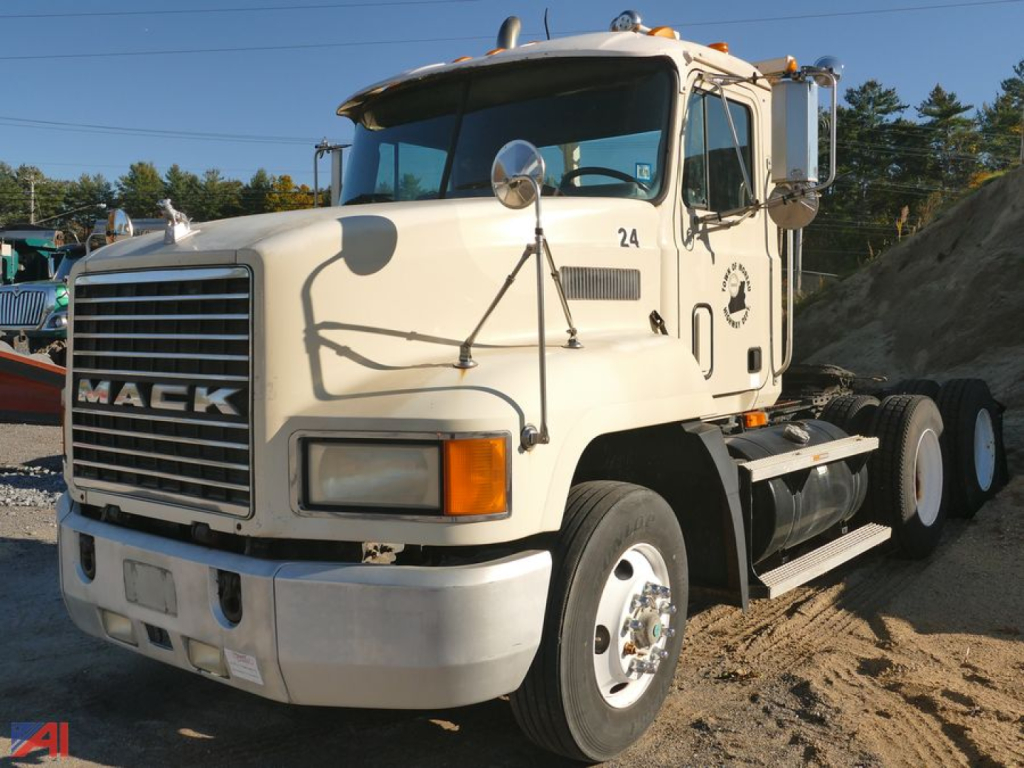
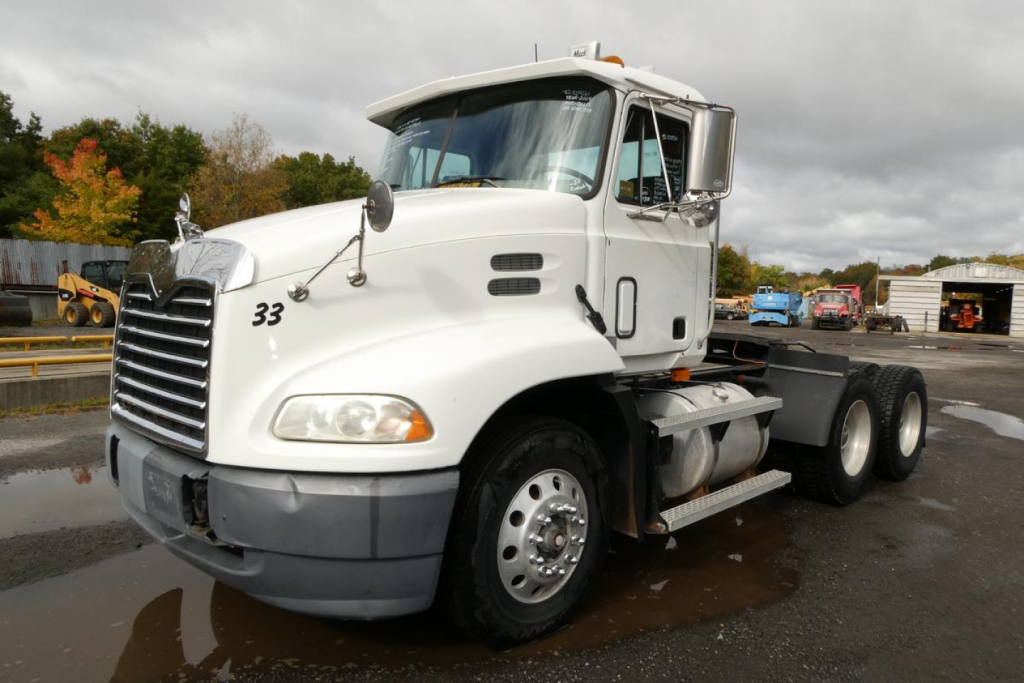
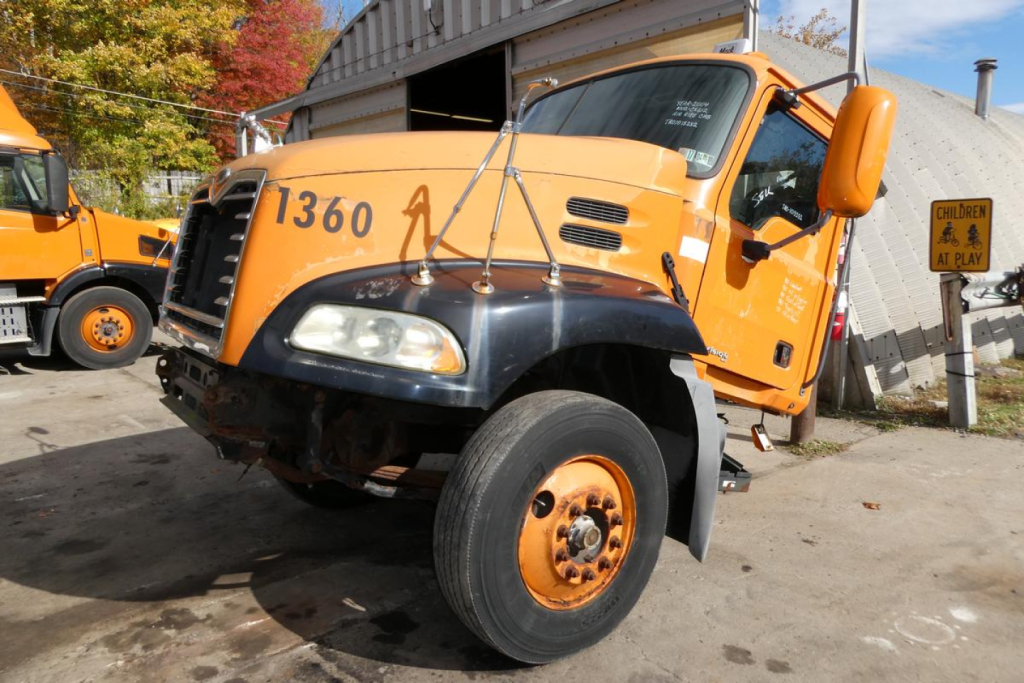
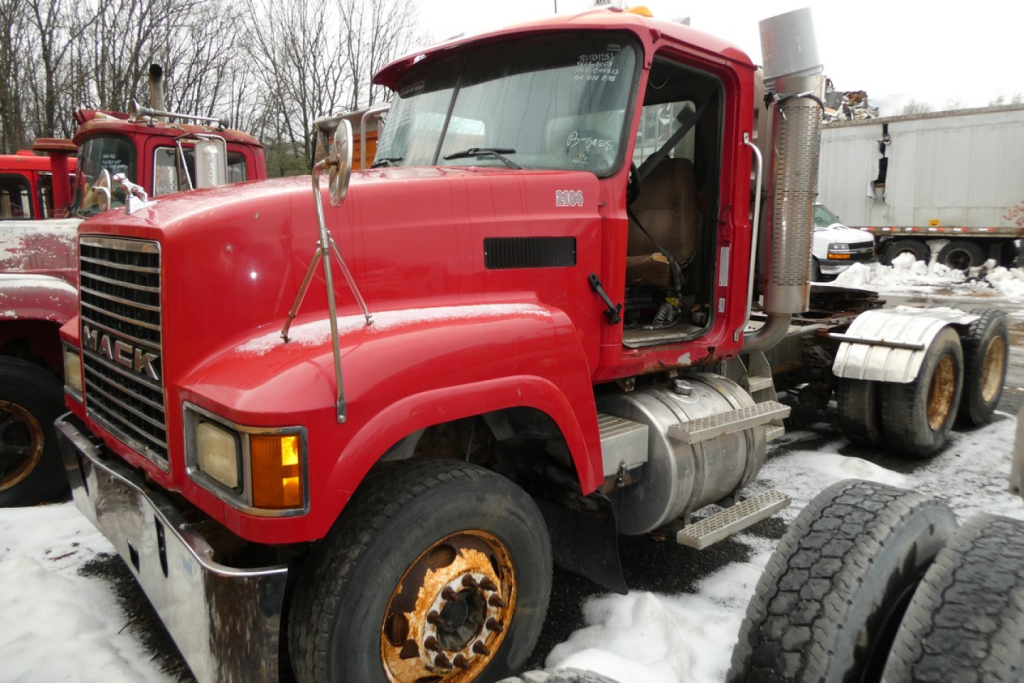
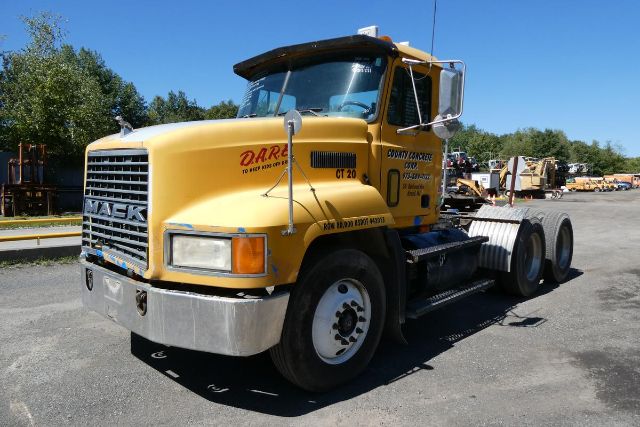
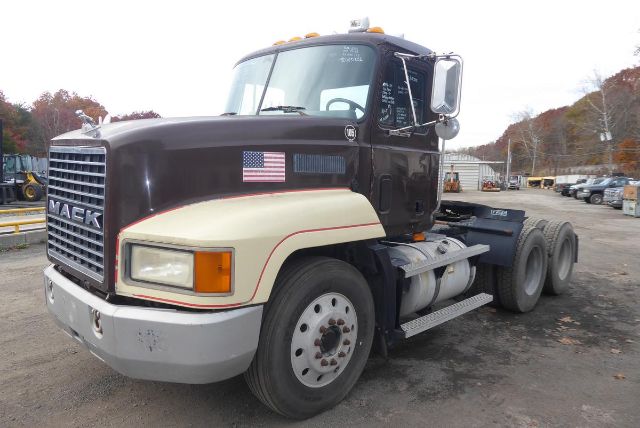
Selling a used mack conventional daycab truck? List your used mack conventional daycab truck for sale and reach thousands of commercial buyers.
Used Mack Conventional Daycab Trucks in New York
The biggest buying decision is usually driveline and application match. Older CH and CX series trucks often carry Mack E7 or AC engines in the 350 to 460 horsepower range, paired with 9-speed, 10-speed, or 18-speed manual transmissions. Newer Anthem daycabs commonly show up with MP7 engines, automated manual transmissions like the Mack M-Drive, and emissions equipment including DEF systems. Rear axle ratings in this class are often 38,000 to 40,000 pounds, with 12,000-pound front axles being common, and ratios such as 3.21, 3.73, 3.86, or 4.64 telling you a lot about intended use. Lower numerical ratios favor fuel-efficient highway speeds, while deeper ratios are better suited to heavier starts, dump work, and low-speed vocational service.
Frame layout, wheelbase, and PTO equipment matter just as much as engine specs. Many used Mack daycabs are set up with single frame or partial double frame rails, air slide fifth wheels, and wheelbases in the 174-inch to 208-inch range. Cab-to-axle and cab-to-end dimensions help determine trailer clearance, body compatibility, and how the truck will behave in tight urban yards or on job sites. Some units are equipped with wet kits or PTO-driven hydraulic setups for dump trailers and lowboy work, which can save a buyer significant upfit cost. Suspension is often Mack 4-bag air ride, though axle and suspension combinations vary by model year and original application. Tire size, wheel type, and hub-pilot setups are worth checking closely because they affect replacement cost and fleet standardization.
On a used Mack daycab, condition review should focus on the exact engine family, transmission model, emissions status, suspension wear, and whether the truck has a single-purpose vocational history or mixed fleet use. Buyers should compare ECM miles to dash miles when available, review engine hours, and pay attention to signs of heavy PTO use, frame modifications, or non-working accessories like A/C and slide mechanisms. Older pre-emissions or early electronic Mack models can appeal to buyers who want simpler systems, while newer Anthem daycabs bring a quieter cab, improved aerodynamics, and better fuel economy potential for regional freight. The right truck in this category is the one with the axle ratio, wheelbase, frame spec, and fifth wheel or hydraulic setup that already matches the work.
Frequently Asked Questions about Used Mack Conventional Daycab Trucks in New York
What are Mack conventional daycab trucks typically used for?
Mack conventional daycab trucks are commonly used for local and regional hauling, dump trailer service, lowboy work, terminal moves, port drayage, and short-haul freight where a sleeper is unnecessary. Their shorter overall length improves maneuverability in city traffic, plants, quarries, and tight loading areas. Many are spec'd as highway tractors, while others are configured for vocational work with PTOs, wet kits, heavier frame rails, or axle ratios suited to frequent starts under load.
Which Mack daycab models are most common on the used market?
Older used Mack daycabs are often CH613, CHN613, and CXN613 models, while newer units are frequently found in the Anthem series. CH and CX family trucks are well known for rugged construction and simple, work-focused interiors. Anthem daycabs are more modern and usually bring updated aerodynamics, newer electronics, and automated transmission availability. The best model depends less on nameplate and more on engine, axle spec, wheelbase, and how the truck was originally built for its job.
What specs matter most when buying a used Mack daycab?
The most important specs are engine model and horsepower, transmission type, rear axle rating, axle ratio, suspension type, wheelbase, frame configuration, and fifth wheel or PTO setup. Buyers should also verify whether the truck is a 6x4 or 6x2, especially on newer regional tractors. A truck with the wrong ratio or wheelbase can be a poor fit even if the mileage looks attractive. Matching the chassis spec to the intended trailer, terrain, and payload is usually more important than focusing on one feature alone.
Is a manual or automated transmission better in a Mack daycab?
Manual transmissions are still preferred by some buyers for vocational work, older fleets, and applications where simplicity and driver control are priorities. Automated manuals such as Mack's M-Drive are more common in newer daycabs and can improve driver consistency, reduce clutch wear, and help with fuel economy in regional service. The better choice depends on the route, driver pool, maintenance support, and whether the truck will spend more time on the highway or in stop-and-go jobsite conditions.
What should buyers inspect closely on an older used Mack daycab?
On older Mack daycabs, buyers should inspect engine hours, blow-by, cooling system condition, clutch or transmission operation, suspension wear points, frame integrity, and the function of any PTO or hydraulic equipment. It is also important to confirm axle ratio, fifth wheel condition, and whether odometer readings align with ECM data when available. Trucks that have worked in severe-service roles may still be solid units, but they deserve extra attention around frame rails, crossmembers, driveline components, and cab equipment that may have seen heavy daily use.