
New 2026 Mack Conventional Daycab Trucks For Sale in Louisiana
Shop new 2026 Mack conventional daycab trucks for regional haul, vocational work, and heavy-spec applications in Louisiana.
Learn more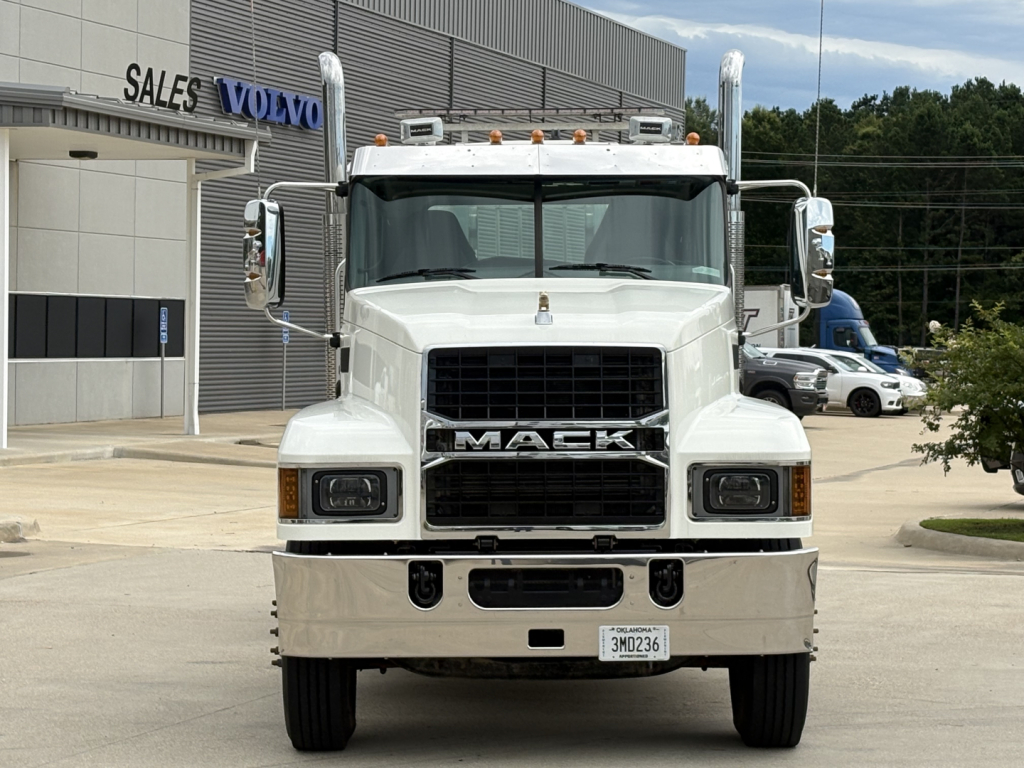
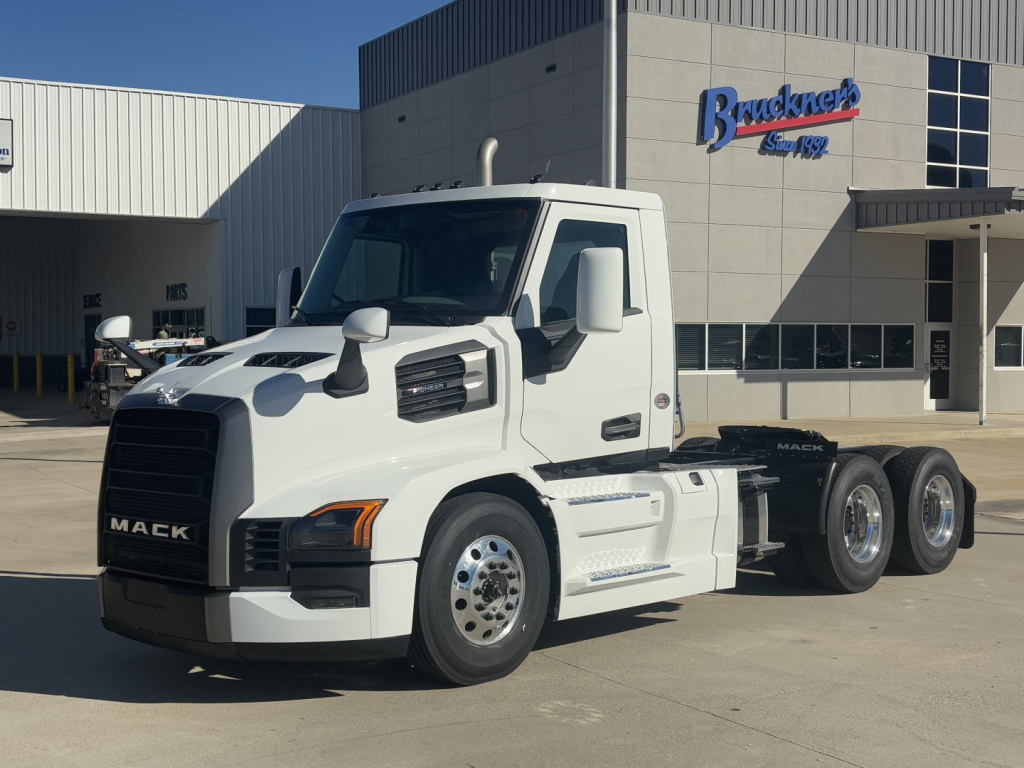
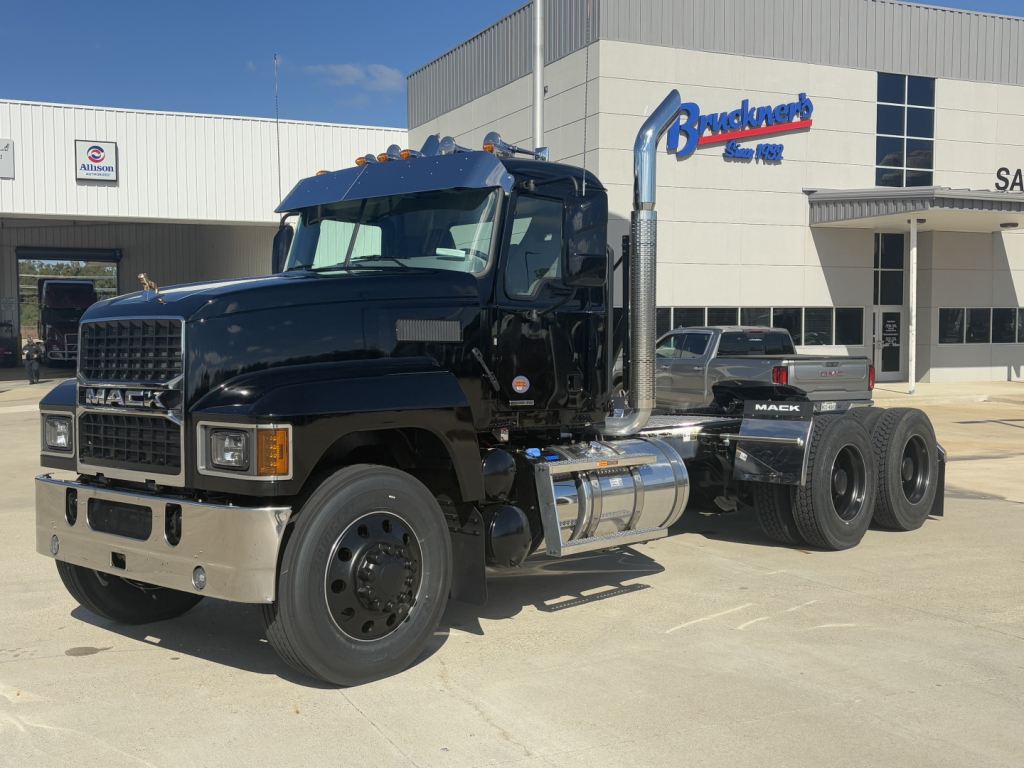
Have new 2026 mack conventional daycab truck to sell? List it here to reach thousands of buyers.
About New 2026 Mack Conventional Daycab Trucks in Louisiana
For many buyers, the key decisions start with engine, transmission, axle ratings, and wheelbase. New Mack conventional daycab trucks are commonly spec'd with the Mack MP8 in higher horsepower ratings for heavy hauling and demanding gross combination weights, often paired with the Mack mDRIVE automated manual transmission for fuel-conscious operation and reduced driver fatigue. Heavy-spec examples may carry a 14,000-plus-pound steer axle, 46,000-pound rears, full locking differentials, and an air ride suspension such as a Neway setup. Wheelbase, rear axle ratio, and frame layout should match the trailer type and route profile. A shorter wheelbase helps in tighter urban and plant environments, while a longer wheelbase can improve ride quality, deck plate room, and weight distribution for heavier trailer loads.
A Mack conventional daycab also deserves a close look from the maintenance and driver-retention side. Buyers typically compare brake configuration, suspension type, PTO readiness, fuel capacity, fairings, and cab trim based on the truck's duty cycle. For regional highway use, an aerodynamic spec with the right rear ratio can lower fuel burn. For vocational and mixed-service work, buyers often prioritize ground clearance, heavier front axles, diff locks, and frame strength over pure fuel economy. Interior layout, seat quality, visibility, and switch placement matter on a daycab because drivers are climbing in and out frequently throughout the shift. New trucks also bring the benefit of current safety systems, emissions components, and factory warranty coverage, all of which can affect lifecycle cost as much as the purchase price.
When comparing listings, focus less on badge and more on how the truck is actually configured. Two Mack daycabs with the same model designation can be very different in payload capability, drivability, and resale value depending on horsepower, suspension, wheelbase, axle ratio, and fifth wheel setup. Louisiana buyers should also think about corrosion exposure, stop-and-go duty near ports and industrial corridors, and cooling performance in high heat and humidity. A properly spec'd Mack conventional daycab can serve as a dependable regional tractor, a heavy-haul platform, or a vocational workhorse with the strength and simplicity that many fleets still want in a new truck.
Frequently Asked Questions
What is a conventional daycab truck used for?
A conventional daycab truck is a full-size tractor with a hooded engine and no sleeper compartment. It is commonly used for local and regional hauling, port work, tanker service, dump and construction applications, equipment transport, and dedicated routes where the driver returns the same day. The daycab layout reduces overall weight, lowers purchase cost compared with a sleeper, and improves maneuverability for operations that do not need overnight accommodations.
What specs matter most when buying a new Mack daycab?
The most important specs are engine rating, transmission type, front and rear axle capacity, suspension, wheelbase, rear axle ratio, and fifth wheel position. Those choices determine starting power, highway speed, payload capability, turning radius, and how well the truck matches a particular trailer or jobsite. Buyers should also review PTO provisions, brake package, tire size, and frame configuration because those details affect upfitting flexibility and long-term operating cost.
Is the Mack mDRIVE a good fit for a daycab application?
The Mack mDRIVE automated manual transmission is a strong fit for many daycab applications because it reduces driver fatigue, delivers consistent shifting, and can help protect the driveline from abuse. It works well in regional haul, stop-and-go routes, and many heavy-spec applications when matched to the right axle ratio and horsepower. Fleets with mixed driver experience often prefer an automated transmission for easier training and more consistent performance.
How do I choose between a highway spec and a heavy-spec Mack conventional daycab?
A highway spec daycab is usually set up for fuel economy, lower tare weight, and regional linehaul efficiency, often with more aerodynamic equipment and moderate axle ratings. A heavy-spec daycab is built for higher gross weights, rougher terrain, and more demanding starts, typically using larger axles, stronger suspension components, locking differentials, and higher horsepower. The right choice depends on trailer type, load density, route grades, jobsite conditions, and how often the truck runs at or near maximum weight.
Why are axle ratio and wheelbase so important on a daycab tractor?
Axle ratio affects launch performance, gradeability, cruising rpm, and fuel consumption, so it has a direct impact on how the truck feels under load and how efficiently it runs on the highway. Wheelbase affects turning radius, bridge law compliance, ride quality, and weight distribution across the axles. On a daycab tractor, these two specs often make the difference between a truck that is ideal for urban drayage and one that is better suited for regional heavy-haul or vocational trailer work.