
2027 Mack Conventional Daycab Trucks For Sale in Texas
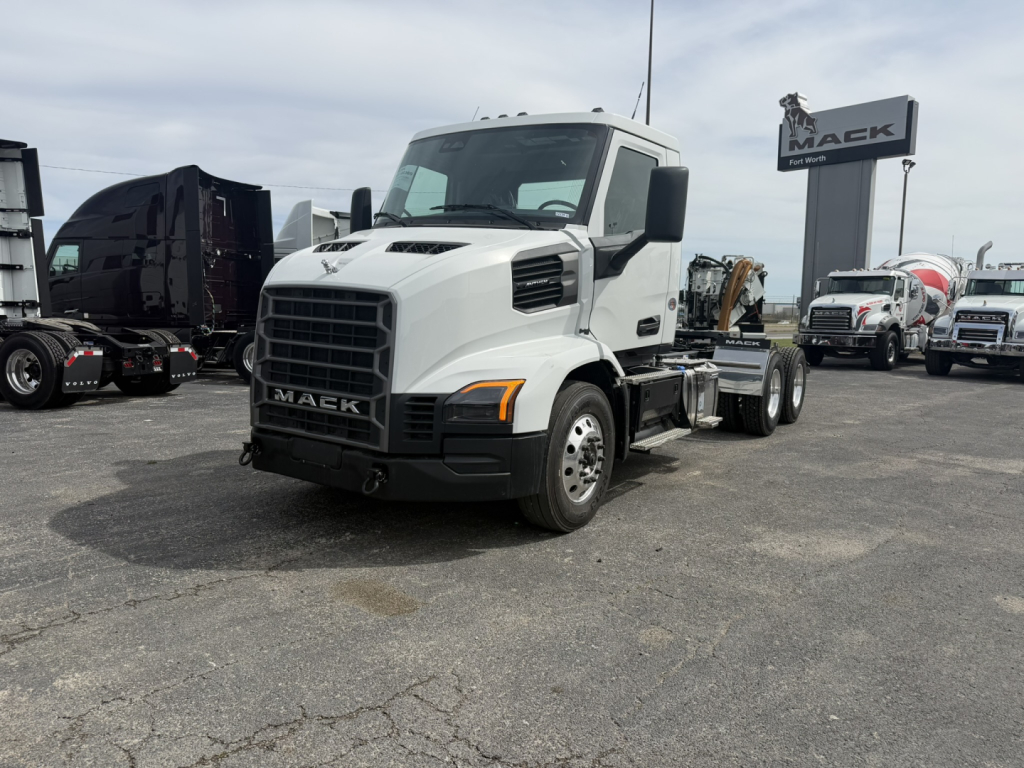
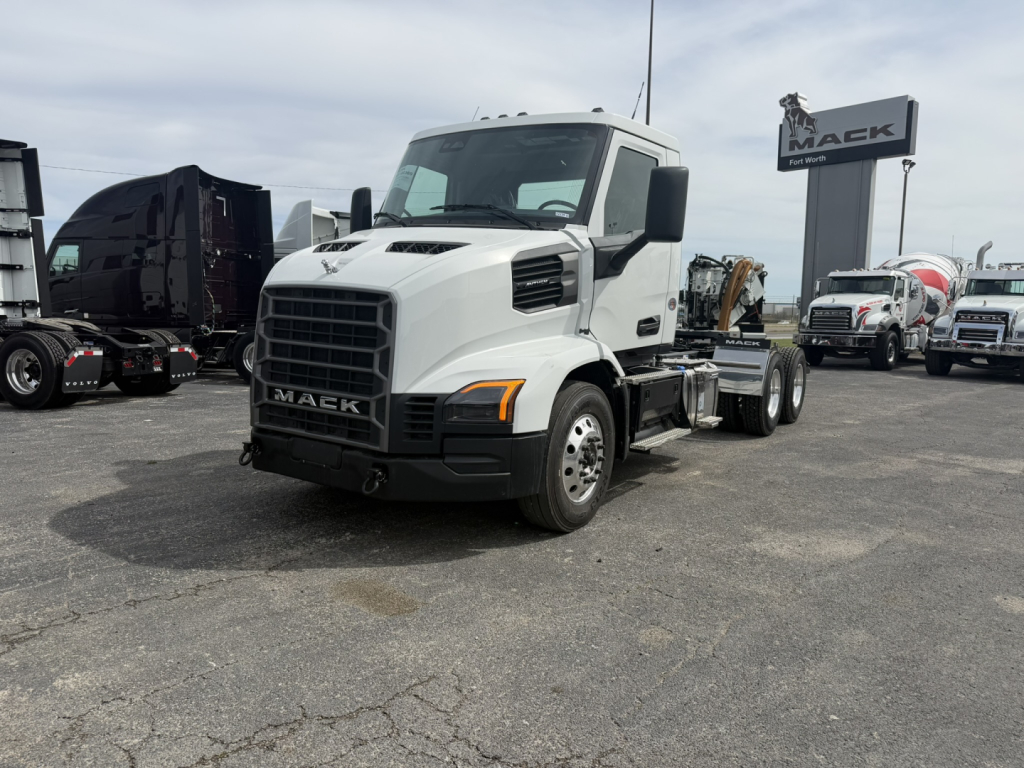
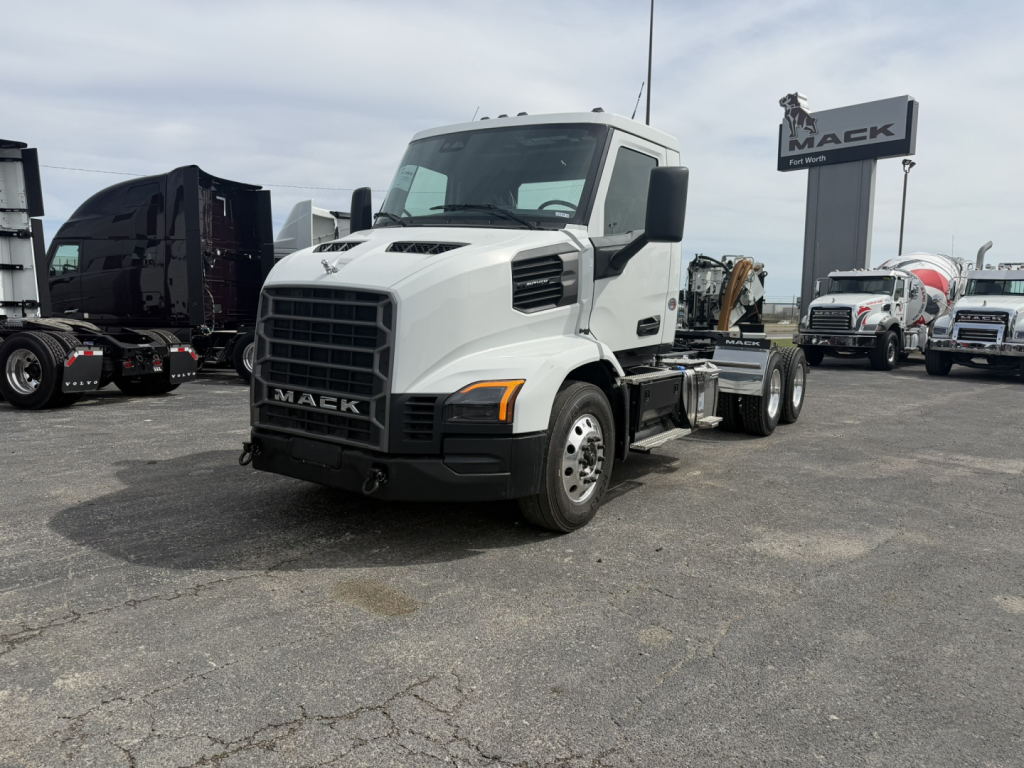
Shop 2027 Mack conventional daycab trucks for regional haul, vocational, and terminal work with modern powertrains, axle options, and driver-focused specs.
Learn more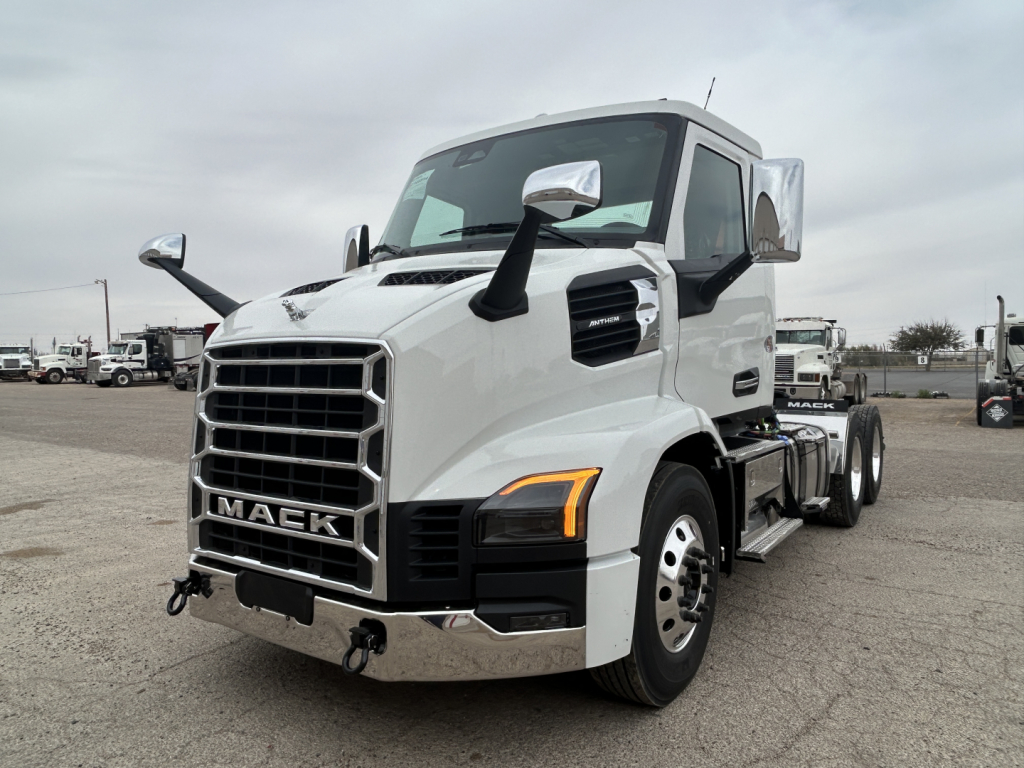
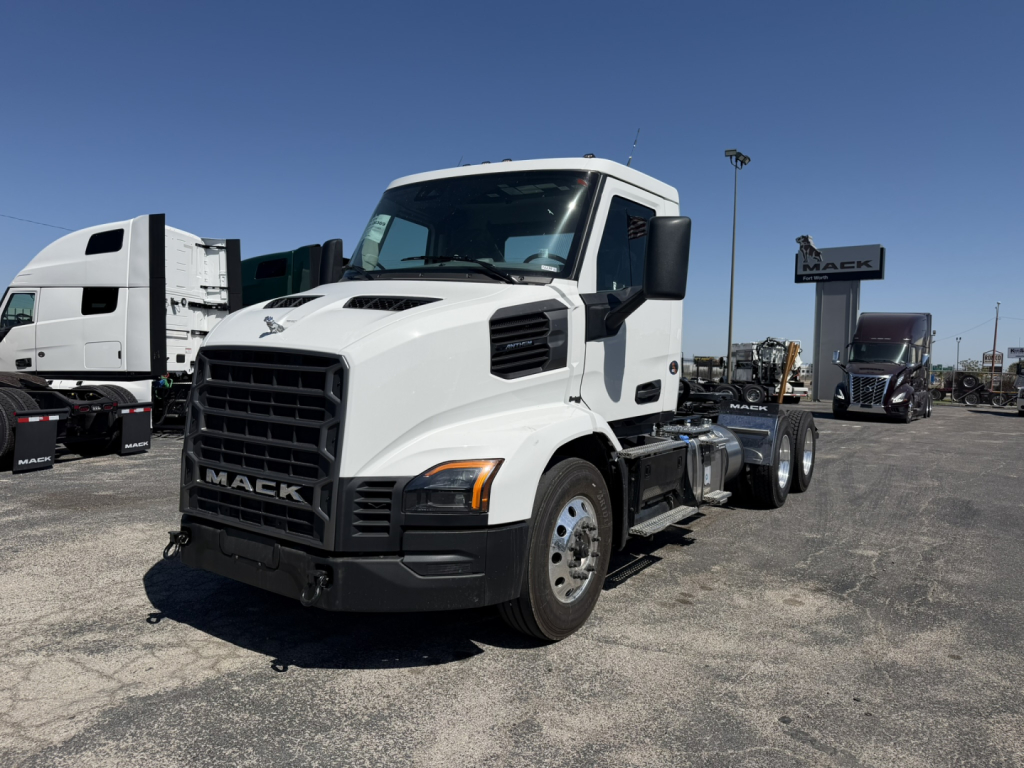
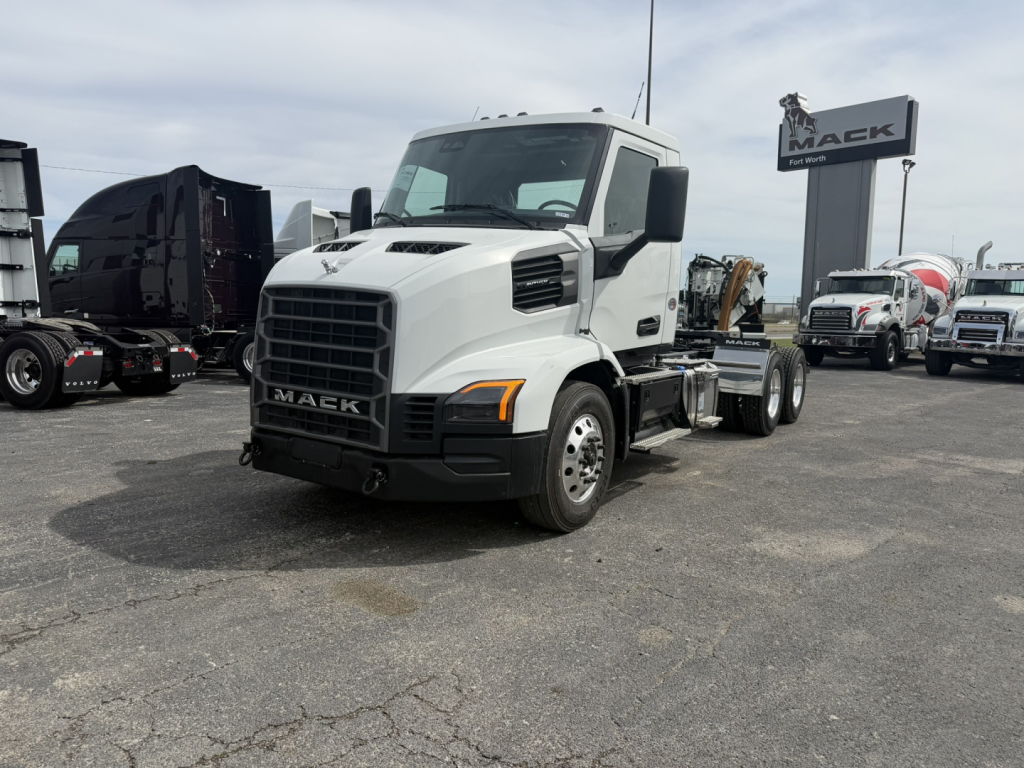
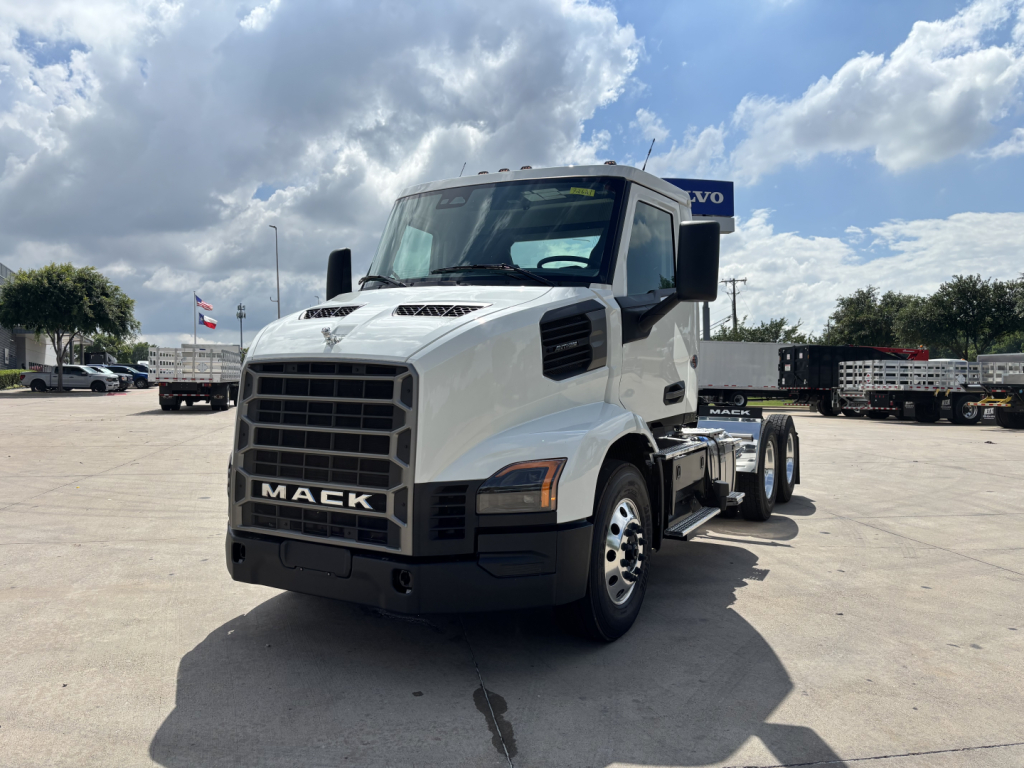
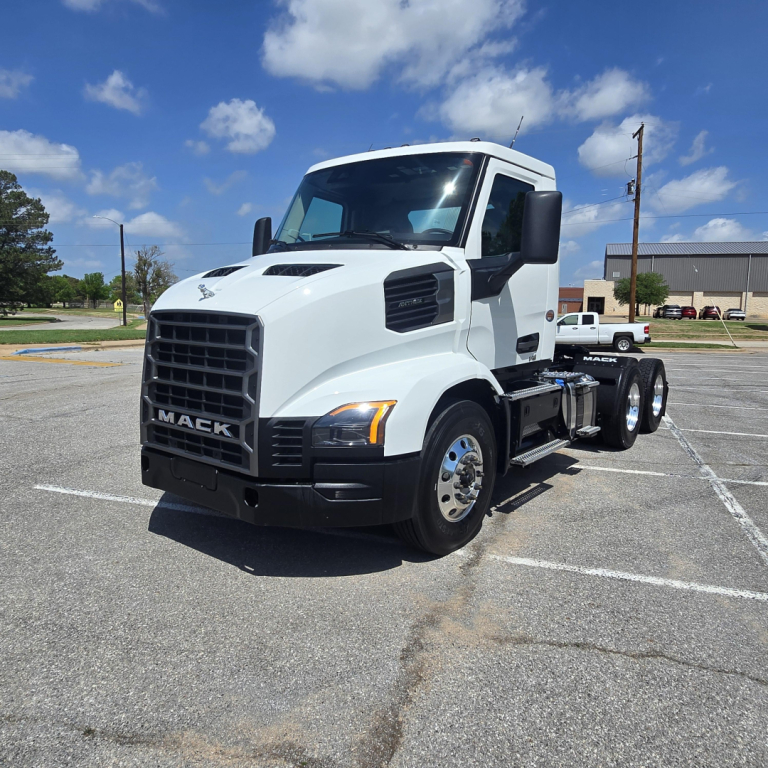
Showing 73 to 80 of 80 results
Have 2027 mack conventional daycab truck to sell? List it here to reach thousands of buyers.
About 2027 Mack Conventional Daycab Trucks in Texas
Powertrain choice is the first real separator in this category. Many 2027 Mack daycab specs center on the MP13 for highway work, often in the mid-400 horsepower range, paired with the mDrive automated manual transmission for fuel-conscious regional hauling and easier driver onboarding. Heavier vocational and severe-service trucks may step into MP8 or higher-output configurations, along with mDrive HD or ultra-low creeper transmissions for low-speed jobsite control and startability under load. Rear axle ratios, commonly in the low-3s for highway use or closer to the high-3s and 4s for heavy vocational work, will tell you a lot about where the truck will be most efficient.
Axle and chassis ratings deserve close attention because conventional daycabs cover a wide spread of applications. A lighter 6x4 highway tractor may carry a front axle around the mid-14,000-lb range with 40,000-lb rears, air suspension, dual fuel tanks, and a sliding fifth wheel. A Granite daycab intended for construction, equipment moving, or heavy haul can be spec'd with 20,000-lb front axles, 46,000-lb rears, heavy suspensions, double frame options, and stronger housings. Wheelbase, fifth wheel type, frame layout, PTO provisions, and brake spec all affect how well the truck fits the trailer and route. Full disc brakes, differential locks, collision mitigation, and adaptive cruise are increasingly common features that improve control, safety, and uptime.
Buyers comparing 2027 Mack conventional daycab trucks should focus less on badge and more on intended duty cycle. For dry van, reefer, and general regional lanes, an Anthem with an aero package, 12-speed or 13-speed mDrive, and balanced fuel capacity can lower operating cost while keeping drivers comfortable in a compact cab. For oilfield, aggregate, lowboy, or mixed on-highway and off-road work, a Granite-spec daycab with heavier axles, tougher suspension, and vocational gearing is usually the better long-term fit. The right truck comes down to GCWR targets, trailer type, bridge law considerations, turning radius, and how often the truck leaves pavement.
Frequently Asked Questions
What is a conventional daycab truck?
A conventional daycab truck is a road tractor with a standard hood and no sleeper compartment behind the seats. It is designed for local, regional, and return-to-base operations where overnight accommodations are not needed. Compared with sleeper tractors, daycabs usually offer lower curb weight, a shorter wheelbase, easier maneuverability, and more payload or trailer flexibility for the same overall length.
What Mack models are common in the 2027 conventional daycab category?
Two common Mack platforms in this category are the Anthem and the Granite. The Anthem is typically spec'd for highway and regional freight with aerodynamic bodywork, fuel-efficient powertrain settings, and comfort features suited to frequent road use. The Granite is more vocational, with heavier axle options, stronger chassis configurations, and specs that fit construction, heavy-haul, dump, and severe-service applications.
What engine and transmission specs should buyers watch on a Mack daycab?
The most important items are engine family, horsepower, torque rating, transmission type, and rear axle ratio. Mack MP13 engines are common in highway daycabs, while MP8 or higher-duty setups may appear in vocational units. The mDrive automated manual is widely used because it simplifies operation and can improve shift consistency. A lower numerical rear axle ratio generally favors fuel economy at highway speed, while a higher numerical ratio improves gradeability, low-speed pulling power, and vocational performance.
Is a Mack daycab a good fit for Texas hauling?
Yes, a Mack conventional daycab is often a strong fit for Texas because many operations involve regional mileage, port and terminal work, construction support, tanker routes, and dedicated lane freight that returns to base. The platform can be spec'd for highway efficiency or severe-duty service, which matters in a state where one fleet may run interstate pavement, oilfield access roads, and urban traffic in the same week. Fuel capacity, cooling performance, axle ratings, and wheelbase are especially important for Texas applications.
How do I choose between a highway-spec daycab and a vocational-spec daycab?
Start with the trailer, the terrain, and the heaviest routine load. A highway-spec daycab is usually the right choice for dry van, reefer, and regional freight because it prioritizes aerodynamics, fuel economy, and road speed efficiency. A vocational-spec daycab is the better choice when the truck sees rough surfaces, jobsite entry, PTO-driven equipment, frequent low-speed starts, or high kingpin loads. Front axle capacity, suspension type, frame strength, and transmission gearing will usually make the difference.