
2027 Mack Conventional Daycab Trucks For Sale in Louisiana
Shop 2027 Mack conventional daycab trucks in Louisiana. Compare MP8 power, mDRIVE specs, axle ratings, and vocational day cab setups.
Learn more
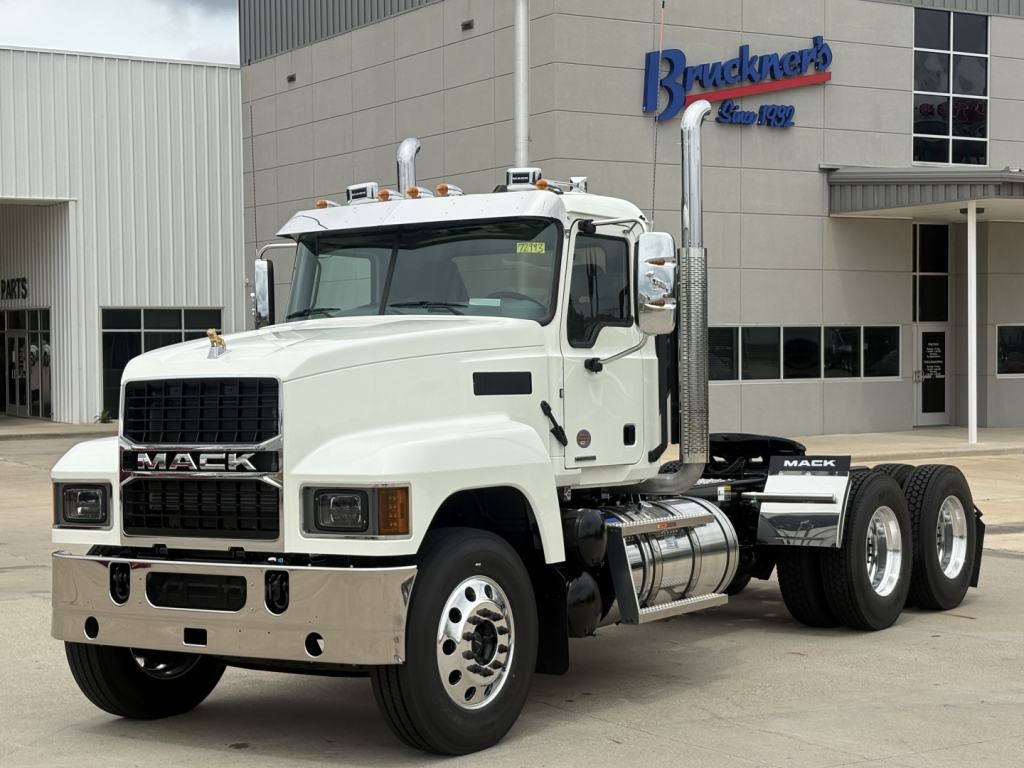
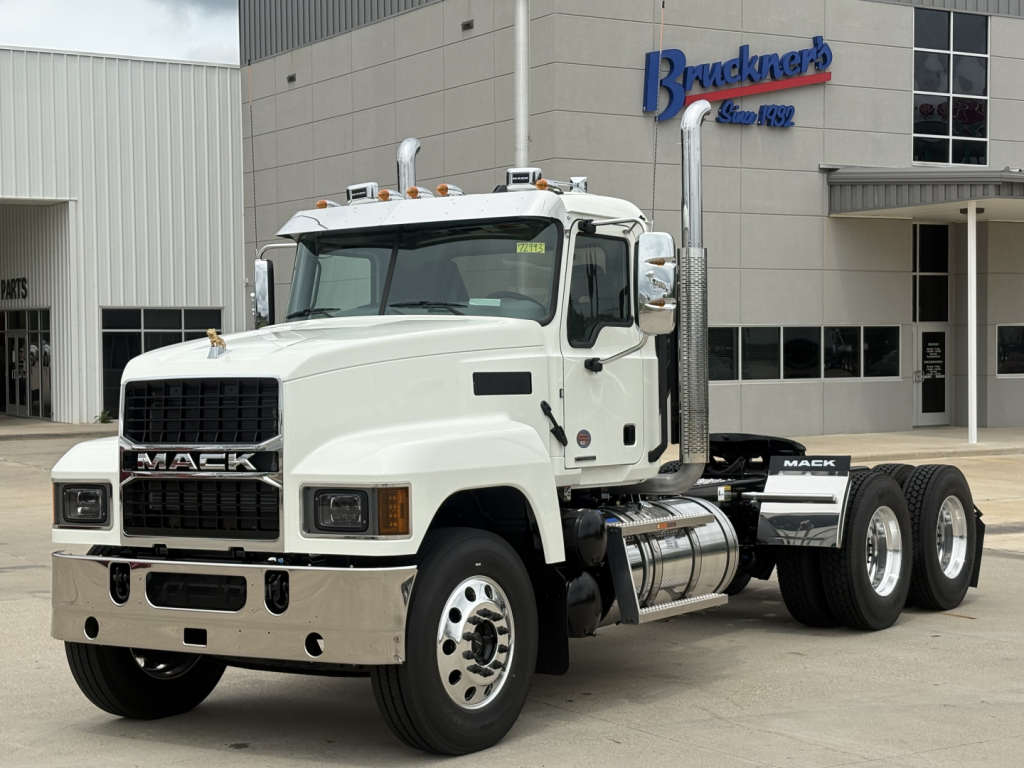
Showing 13 to 24 of 30 results
Have 2027 mack conventional daycab truck to sell? List it here to reach thousands of buyers.
About 2027 Mack Conventional Daycab Trucks in Louisiana
The Mack MP8 engine remains a key draw in this category, especially in ratings around 445 horsepower for fleets that want strong low-end torque without stepping too far into over-spec territory. Many 2027 Mack day cabs are paired with the Mack mDRIVE HD automated manual transmission, a popular choice for reducing driver fatigue in stop-and-go service while keeping the truck productive in heavier applications. Rear axle ratios such as 3.56 are common on units expected to handle a mix of local and regional speeds. Full locking differentials, 40,000-pound drive axles, and 14,000-plus-pound steer axles are the kinds of details that matter if the truck will spend time on soft ground, uneven access roads, or loaded at the legal edge.
Cab and chassis layout should match the work, not just the badge on the hood. A conventional daycab gives easier back-of-cab access for trailer lines, PTO-related equipment, and frequent hook-and-drop duty. Buyers should look closely at wheelbase, fifth wheel placement, frame rail strength, suspension type, and fuel capacity, because those choices affect turning radius, bridge compliance, and upfit flexibility. For Louisiana operations, corrosion exposure, cooling performance in hot weather, and spec decisions for idling, traffic, and humidity also deserve attention. If the truck will work around ports, refineries, aggregate yards, or municipal routes, visibility, ingress and egress, and bumper-to-back-of-cab dimensions can matter as much as horsepower.
Mack conventional day cabs are also known for their vocational-friendly build quality and straightforward serviceability. The right truck in this class should be evaluated on total application fit: engine rating, transmission programming, suspension, locking rear axles, and intended trailer or body setup. A lighter highway day cab and a severe-service day cab may look similar in a listing, but they can perform very differently in the field. Buyers comparing 2027 Mack conventional daycab trucks should pay closest attention to GCWR, axle capacity, ratio, frame spec, and any factory vocational packages, because those are the details that determine long-term productivity and operating cost.
Frequently Asked Questions
What is a Mack conventional daycab truck best suited for?
A Mack conventional daycab is best suited for local and regional work where a sleeper is unnecessary. Common applications include dry van, tanker, flatbed, dump, heavy haul support, port drayage, and short-haul bulk service. The day cab layout reduces overall weight and length compared with a sleeper tractor, which can improve maneuverability and simplify frequent stop-and-go operations.
What specs matter most when comparing 2027 Mack day cab trucks?
The most important specs are engine rating, transmission type, front and rear axle capacity, rear axle ratio, suspension, wheelbase, and frame configuration. Buyers should also verify locking differential availability, fifth wheel setup, fuel capacity, and intended GCWR. A truck with a 445 hp MP8, mDRIVE HD transmission, 14,600-pound steer axle, and 40,000-pound rears is a very different tool than a lighter fleet day cab built mainly for highway lanes.
Is the Mack mDRIVE HD a good transmission for day cab work?
Yes, the Mack mDRIVE HD is a strong fit for many day cab applications, especially regional hauling and vocational service that involves traffic, frequent shifting, or varying terrain. It helps reduce driver fatigue and can improve shift consistency versus a manual transmission. The key is matching the transmission programming and rear axle ratio to the truck's actual load profile and duty cycle.
Why do axle ratings and lockers matter on a conventional daycab?
Axle ratings and locking differentials matter because they determine how well the truck handles payload, trailer weight, and poor traction conditions. Higher steer and drive axle capacities can support heavier applications and provide more durability in rough service. Full lockers are especially useful for construction sites, muddy yards, aggregate pits, and other environments where an on-highway spec truck may struggle for traction.
Are Mack day cab trucks a good fit for Louisiana operations?
Mack day cab trucks are often a good fit for Louisiana because they can be spec'd for a wide range of regional and vocational work, including port service, refinery support, construction, and local freight. Buyers in the state should pay attention to cooling system performance, corrosion resistance, suspension durability, and axle setup for mixed pavement and off-pavement use. A properly spec'd day cab can handle heat, humidity, traffic, and heavy local duty cycles more effectively than a generic fleet tractor.