
2026 Mack Conventional Daycab Trucks For Sale in Washington
Shop 2026 Mack conventional daycab trucks in Washington. Compare MP8 and MP13 power, mDRIVE specs, axle ratings, wheelbases, and PTO options.
Learn more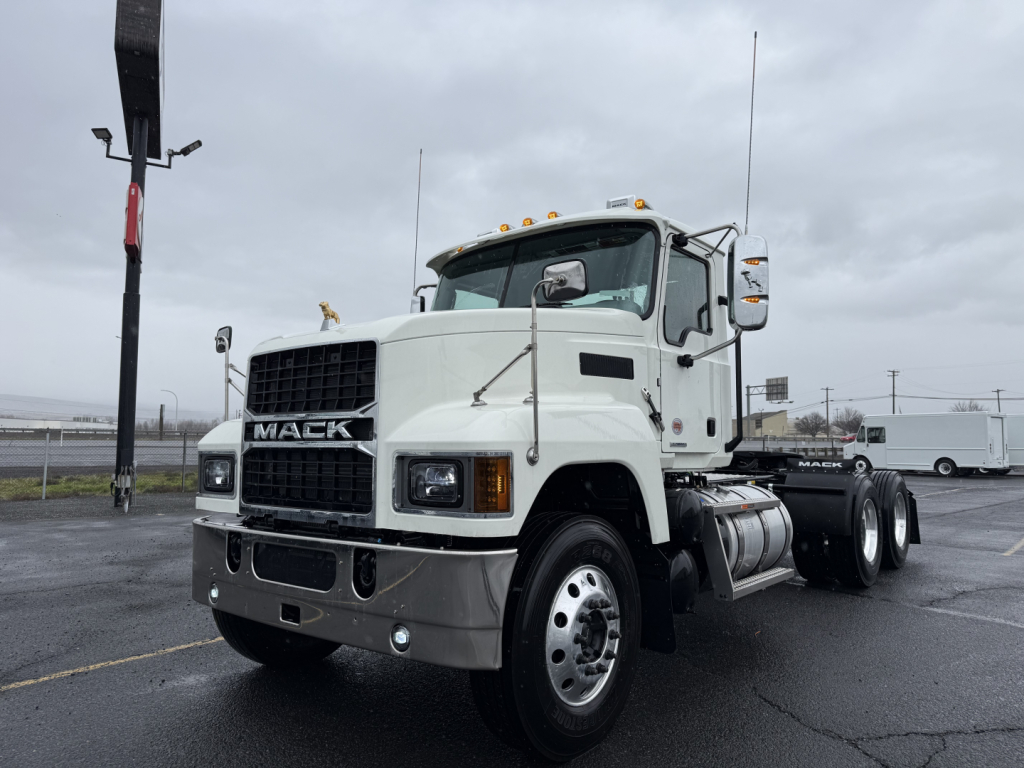
Have 2026 mack conventional daycab truck to sell? List it here to reach thousands of buyers.
About 2026 Mack Conventional Daycab Trucks in Washington
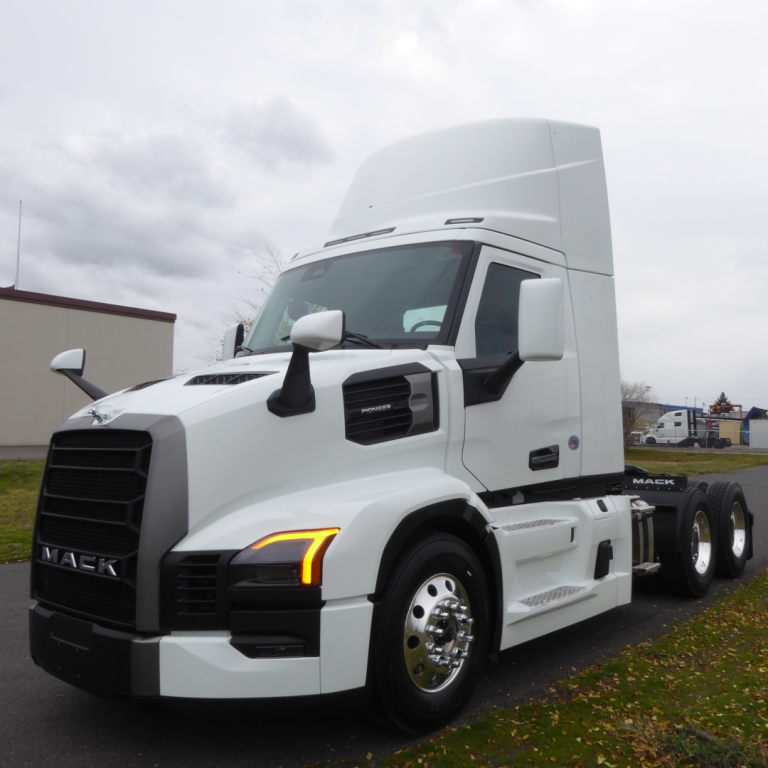
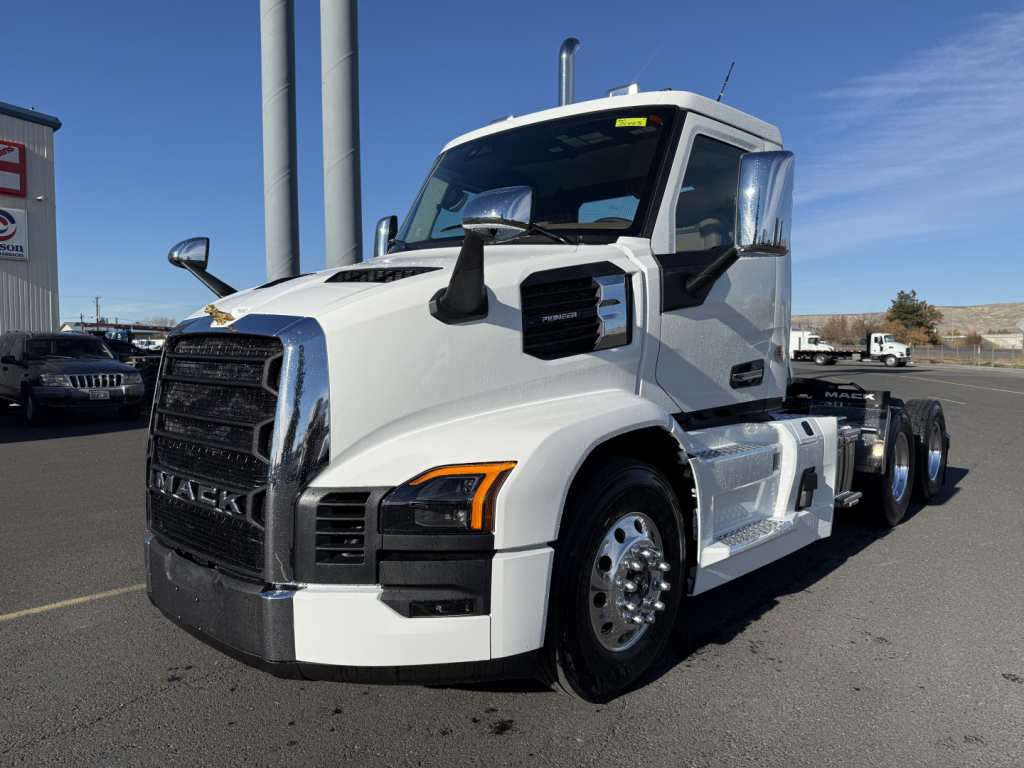
Current Mack daycab choices in this class often include models such as the Pinnacle and the newer Pioneer, both in 6x4 configurations common for tractor applications. Powertrain selection usually centers on Mack MP8 or MP13 diesel engines, with horsepower commonly ranging from the mid-400s into the low-500s depending on intended gross combination weight and terrain. The Mack mDRIVE automated manual transmission is a major factor for many fleets because it simplifies driver training, supports fuel efficiency, and works well in urban and regional service. On trucks spec'd for heavier freight or PTO work, it is worth checking transmission gearing, rear axle ratio, PTO prep, and whether the truck has electric-over-air controls already in place.
For buyer evaluation, the details that matter most are often the ones that do not stand out in photos. Steer axle ratings around 12,000 to 14,600 pounds and rear suspensions around 40,000 pounds are common on highway-oriented Mack daycab tractors, and those numbers should match the trailer type and commodity. Air ride rear suspension is typical for ride quality and freight protection, while disc brakes on all axles, tire pressure monitoring, lane change support, blind spot monitoring, backup camera systems, and driver awareness packages are becoming more common on newer specs. Fuel capacity can vary widely, but dual 100-gallon tanks are a practical setup for longer regional runs across the Northwest. Fifth wheel choice also matters. A sliding fifth wheel helps adjust kingpin setting and axle spread for different trailer lengths and load distributions, especially in mixed fleet service.
A good 2026 Mack conventional daycab should be judged by the job it needs to do every day, not just by horsepower on paper. For container work and tight urban routes, a shorter wheelbase can improve maneuverability. For heavier van, reefer, or tanker duty, more engine, a longer wheelbase, and a stable suspension spec may make more sense. Interior trim, seat material, driver-assist systems, and block heaters can also matter in a market where retention, uptime, and all-season operation affect total cost more than initial price alone. Mack daycabs remain popular because they combine durable chassis components, strong vocational credibility, and highway tractor comfort in a package that fits high-cycle regional service.
Frequently Asked Questions
What is a conventional daycab truck used for?
A conventional daycab truck is a road tractor with a standard hood and no sleeper compartment. It is commonly used for regional freight, local hauling, drayage, tanker, flatbed, bulk, and vocational tractor work where the driver returns home daily or does not need overnight accommodations. The daycab layout reduces weight, shortens overall length, and usually improves maneuverability compared with a sleeper tractor.
What engines and transmissions are common in a 2026 Mack conventional daycab?
Many 2026 Mack conventional daycab trucks are spec'd with Mack MP8 or MP13 diesel engines, depending on the application, target gross weight, and terrain. Horsepower commonly falls in the mid-400 to 500-plus range. The Mack mDRIVE automated transmission is a frequent choice because it supports consistent shifting, easier driver onboarding, and good fuel economy in regional and stop-and-go service. Buyers should still confirm horsepower, torque, rear axle ratio, and PTO compatibility as a complete package rather than looking at engine rating alone.
What specs matter most when comparing Mack daycab tractors?
The most important specs are axle ratings, wheelbase, suspension type, engine rating, transmission, rear axle ratio, fuel capacity, and fifth wheel setup. Steer and rear axle capacity determine how well the truck fits the trailer and freight. Wheelbase affects turning radius and weight distribution. A sliding fifth wheel can be important if trailer lengths or kingpin settings vary. For fleets with specialized equipment, PTO prep, air and electrical connections, and frame layout should also be reviewed before purchase.
Are Mack daycab trucks a good fit for Washington hauling conditions?
Mack daycab trucks are often a strong fit for Washington because they can be spec'd for port drayage, regional interstate freight, mountain grades, and vocational tractor work. Buyers operating in the Pacific Northwest usually pay close attention to power for grades, brake spec, block heaters, traction-related axle and tire choices, and fuel range between terminals or customer locations. A truck intended for Seattle-area urban work may need a different wheelbase and maneuverability profile than one running longer regional lanes across the state.
Should I choose a shorter or longer wheelbase on a conventional daycab?
A shorter wheelbase generally helps in tight yards, city routes, and port environments where turning space is limited. A longer wheelbase can provide better ride quality, more room for tanks and accessories, and improved stability with certain trailers or heavier applications. The right choice depends on trailer length, kingpin setting, axle spread requirements, and how often the truck operates in confined spaces versus open highway service.