
Used 2020 International Conventional Daycab Trucks For Sale
Shop used 2020 International conventional daycab trucks with specs, applications, axle setups, engine options, and buyer tips for local haul fleets.
Learn more
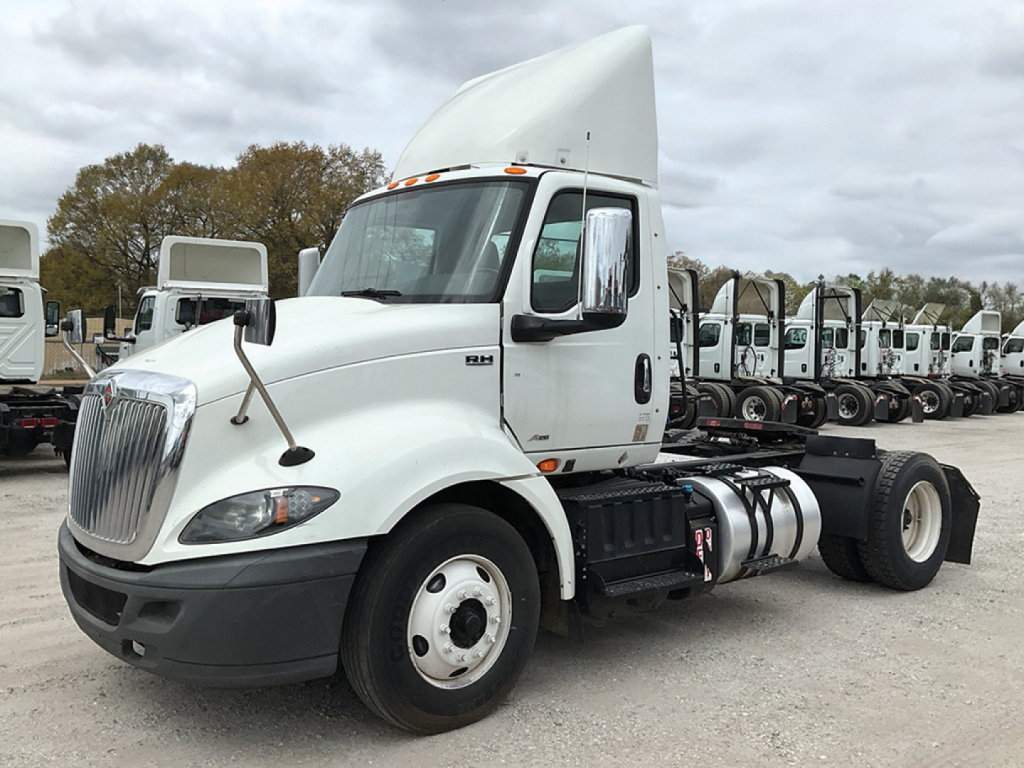
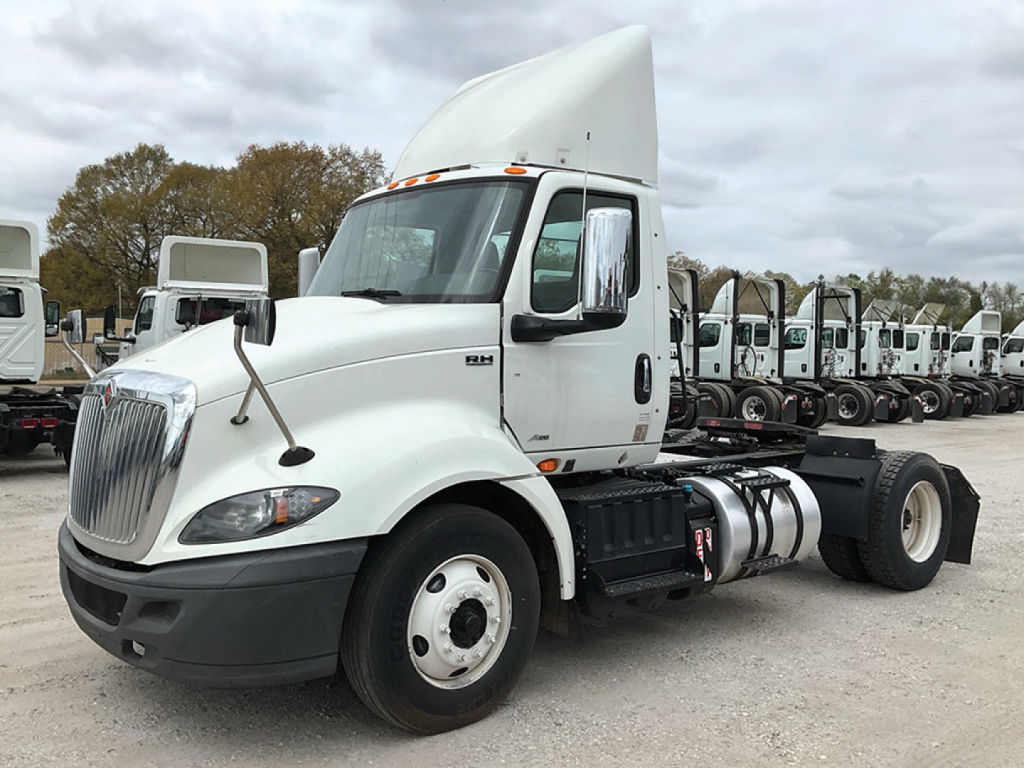
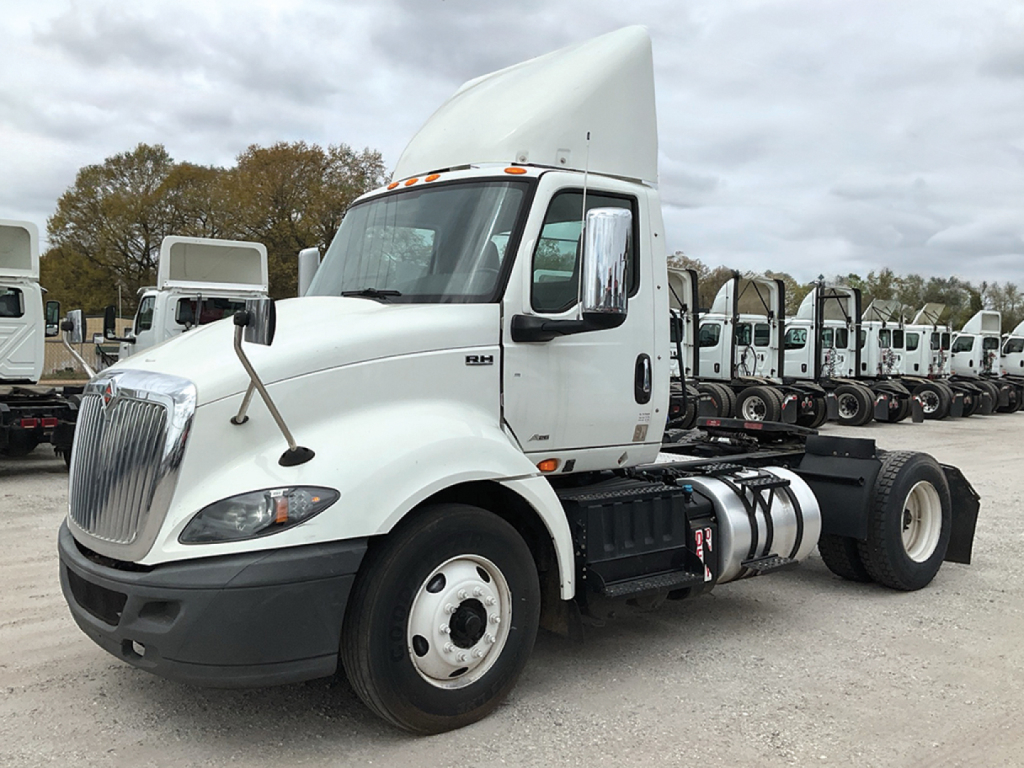
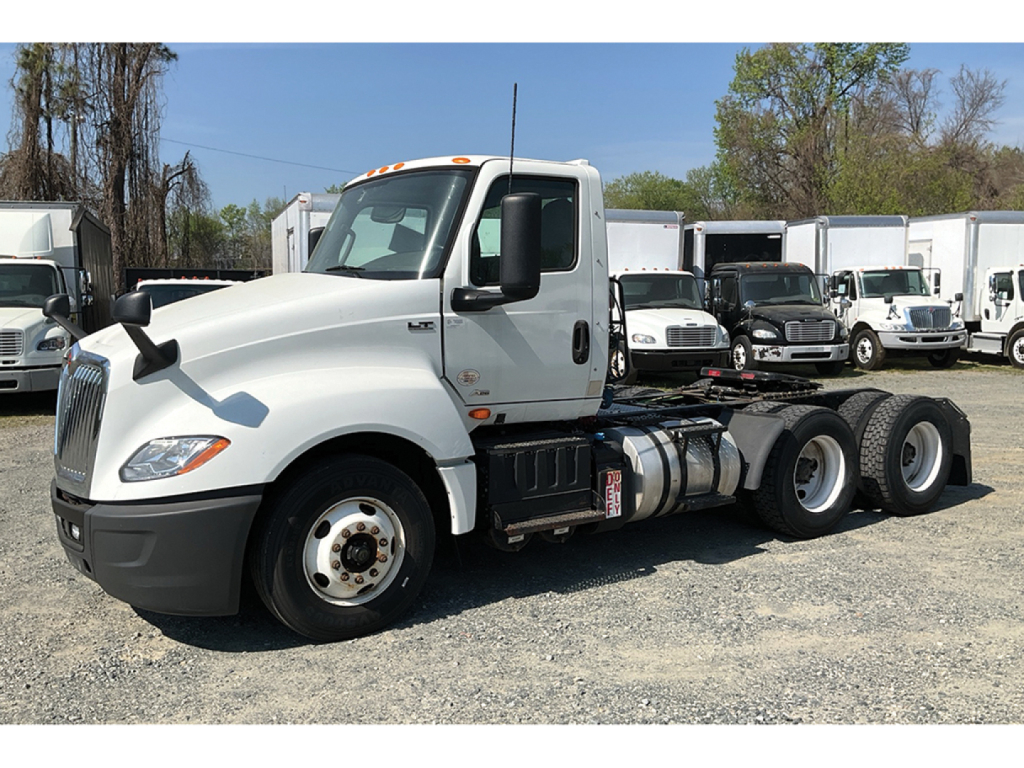
Showing 13 to 18 of 18 results
Have used 2020 international conventional daycab truck to sell? List it here to reach thousands of buyers.
About Used 2020 International Conventional Daycab Trucks
Powertrain choice matters more than badge alone. Many 2020 International daycabs are spec'd with the Cummins X15, while some fleets may have ordered other engine and transmission combinations depending on duty cycle and service network preferences. Horsepower often falls in the 400 to 450 plus range, with torque, rear axle ratio, and transmission calibration doing just as much work as the engine rating itself. Automated manual transmissions are common in fleet daycabs from this model year because they reduce driver fatigue and help with consistency across multiple operators, but manual 10-speeds still appear in some applications. For buyers pulling heavier regional loads or spending time in mixed terrain, check engine brake performance, rear ratio, and whether the truck has a full 40,000 lb tandem with air ride and power divider.
A 2020 conventional daycab from International is often spec'd around a 152 to 180 inch wheelbase, though exact dimensions depend on fifth wheel placement, bridge law needs, and trailer type. Single-axle versions can make sense for lighter freight and tighter operating costs, while tandem-axle tractors are the more common fit for van, flatbed, reefer, container, and bulk work. Look closely at the fifth wheel setup, especially if you need an air slide, fixed position, or a specific kingpin setting to match your trailer fleet. Other practical spec items include fuel capacity, fairings, quarter fenders, tire size, front axle rating, and suspension type. Cab condition matters on a used daycab because these trucks see frequent entry and exit, so seat wear, steering wheel controls, window regulators, HVAC performance, and collision mitigation equipment are worth checking.
The strongest used 2020 International daycab for a buyer is the one whose spec matches the route. A short-wheelbase single-axle truck can be efficient for city and terminal work, while a tandem LT daycab with a higher-capacity rear suspension and highway gearing is better suited to regional trailer pulling. Service history, idle hours, emissions maintenance, and software updates are especially important on newer used trucks with modern aftertreatment systems. Buyers should also verify brake type, tire condition, frame integrity, and any signs of prior fifth wheel or suspension stress, because those details say more about remaining value than the odometer alone.
Frequently Asked Questions
What is a 2020 International conventional daycab best used for?
A 2020 International conventional daycab is best suited for local and regional hauling where the driver returns regularly and does not need sleeper accommodations. Common applications include dry van, reefer, flatbed, container drayage, tanker, and dedicated fleet routes. The conventional aerodynamic cab helps with highway efficiency, while the daycab layout keeps weight down and improves maneuverability compared with a sleeper tractor.
What engine and transmission setups are common in used 2020 International daycab trucks?
The most common setup buyers will see is a Cummins X15 paired with an automated manual transmission, often in a 10-speed or similar fleet-oriented configuration. Horsepower typically falls in the low-to-mid 400 range, although exact ratings vary by original fleet spec. Automated manuals are popular because they improve driver consistency and reduce clutch wear, but buyers should still review shift quality, clutch calibration, fault history, and engine brake operation during inspection.
Should I choose a single-axle or tandem-axle International daycab?
That depends on freight weight, trailer type, and operating area. A single-axle daycab can lower empty weight, fuel use, tire expense, and maintenance costs, which makes it attractive for lighter regional or urban work. A tandem-axle truck is the stronger choice for heavier payloads, broader trailer compatibility, better traction, and higher resale demand across general freight applications. Buyers should match axle rating, suspension capacity, and wheelbase to the actual loads they expect to pull.
What should I inspect on a used 2020 International daycab before buying?
Focus on maintenance records, engine hours, emissions system history, and chassis wear. On the truck itself, inspect the aftertreatment components, look for fault codes, verify regen performance, and check for oil or coolant seepage. Review suspension bushings, air bags, kingpins, steering play, brake wear, fifth wheel movement, frame rail condition, and tire wear patterns. Inside the cab, pay attention to seat base wear, HVAC output, switchgear, dash warnings, and signs of hard fleet use.
What wheelbase and fifth wheel setup should I look for in a 2020 International daycab?
The right wheelbase depends on trailer length, bridge requirements, turning radius needs, and where the weight must sit over the drives. Many daycabs in this class fall in the mid-150 inch to upper-170 inch range. Buyers running mixed trailers often prefer an air slide fifth wheel for flexibility, while dedicated operations may be fine with a fixed setup. The important point is to confirm the kingpin setting works with your trailers and that the tractor can scale legally without sacrificing maneuverability.