
International Conventional Daycab Trucks For Sale in North Carolina
Shop International conventional daycab trucks with spec insights on engines, axles, wheelbase, transmissions, and local-route applications.
Learn more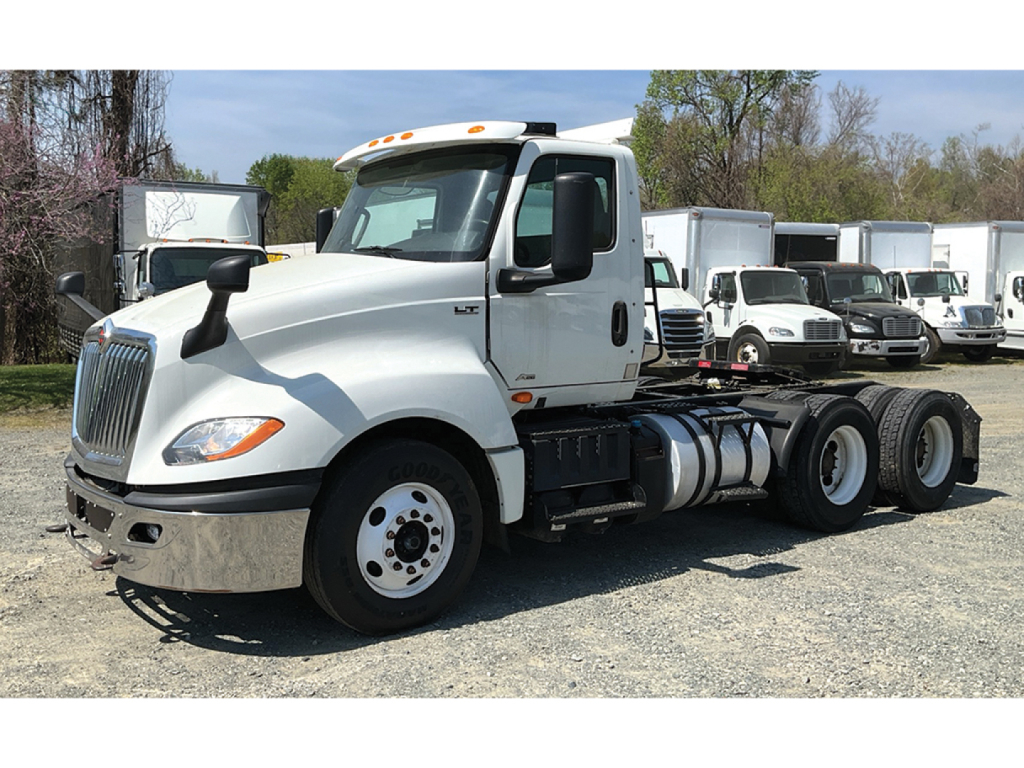
Showing 13 to 13 of 13 results
Have international conventional daycab truck to sell? List it here to reach thousands of buyers.
About International Conventional Daycab Trucks in North Carolina
One of the first decisions is chassis size and drivetrain. International daycab configurations can range from medium-duty models like the 4300 up into heavier conventional platforms, with common engine choices including Cummins and International diesel options. Horsepower, rear axle ratio, and transmission type have a direct impact on drivability and operating cost. An Allison automatic is popular in stop-and-go service because it simplifies training and reduces driver fatigue, while rear axle ratings, suspension type, and wheelbase determine how well the truck fits a van body, flatbed, dump, service body, or tanker setup. On many used units, buyers should pay close attention to GVWR, front and rear axle capacities, air brake versus hydraulic brake configuration, and whether the suspension is spring ride or air ride.
Body and upfit compatibility matters as much as the cab itself. A conventional daycab may be spec'd with a dry van body, liftgate, reefer body, stake bed, or other vocational equipment, so frame length, cab-to-axle measurement, and axle placement should be verified against the intended application. If the truck already has a van body, details like interior height, floor condition, scuff liners, E-track, threshold plate, and rear door type affect usability for delivery work. If it is a bare chassis, buyers should evaluate PTO provision, frame rail condition, and available clearance for body installation. For local and regional use, practical cab features like tilt and telescoping steering, power windows, air conditioning, visibility, and turning radius can make a meaningful difference in daily productivity.
On a used International conventional daycab, condition should be evaluated with the same discipline as the spec sheet. Review maintenance records, engine hours where available, suspension wear, brake life, tire size and tread, corrosion on frame and crossmembers, and any signs of hard vocational use. In North Carolina, humidity and mixed urban-rural duty cycles can make rust, electrical condition, and body integrity worth a close look. A well-matched International daycab can be a durable, efficient platform for fleets that need maneuverability, straightforward service access, and a chassis that can support a wide range of commercial bodies and jobsite demands.
Frequently Asked Questions
What is an International conventional daycab truck best suited for?
An International conventional daycab truck is best suited for local and regional operations that do not require sleeper accommodations. Common uses include box truck delivery, flatbed work, municipal service, utility support, landscaping, and vocational body installations. The conventional layout provides good engine access for maintenance, while the daycab keeps overall length and weight lower than a sleeper-equipped tractor.
What should I check first on a used International daycab?
Start with the truck's intended application and compare it to the actual chassis spec. Verify GVWR, axle ratings, wheelbase, cab-to-axle measurement, engine horsepower, transmission type, and brake system. After that, inspect maintenance history, frame condition, suspension wear, tire condition, and any mounted body or equipment. A truck with the wrong wheelbase or axle capacity can be a poor fit even if the engine and cab are in good condition.
Are Allison automatic transmissions common in International daycab trucks?
Yes, Allison automatic transmissions are common on many International daycab trucks, especially in medium-duty and stop-and-go applications. They are widely used for delivery routes, municipal service, and vocational work because they improve ease of operation and reduce driver fatigue. For buyers managing multiple drivers or urban routes, an automatic transmission can be a practical advantage.
How important is wheelbase on a conventional daycab truck?
Wheelbase is one of the most important specifications because it affects body fitment, turning radius, weight distribution, and ride quality. A longer wheelbase may be necessary for a 24-foot or 26-foot van body, while a shorter wheelbase is often preferred for tighter city maneuvering. Buyers should confirm that the wheelbase and cab-to-axle dimensions match the planned body length and load requirements before purchase.
Can an International conventional daycab be used as a box truck platform?
Yes, many International conventional daycab trucks are built specifically as box truck or van body platforms. Models such as the International 4300 are commonly configured with dry van bodies, liftgates, cargo control systems, and delivery-oriented features. When evaluating one for this use, check body length, floor construction, door type, liftgate capacity, and how the chassis ratings align with the expected payload.