
Used 2018 Freightliner Conventional Daycab Trucks For Sale in North Carolina
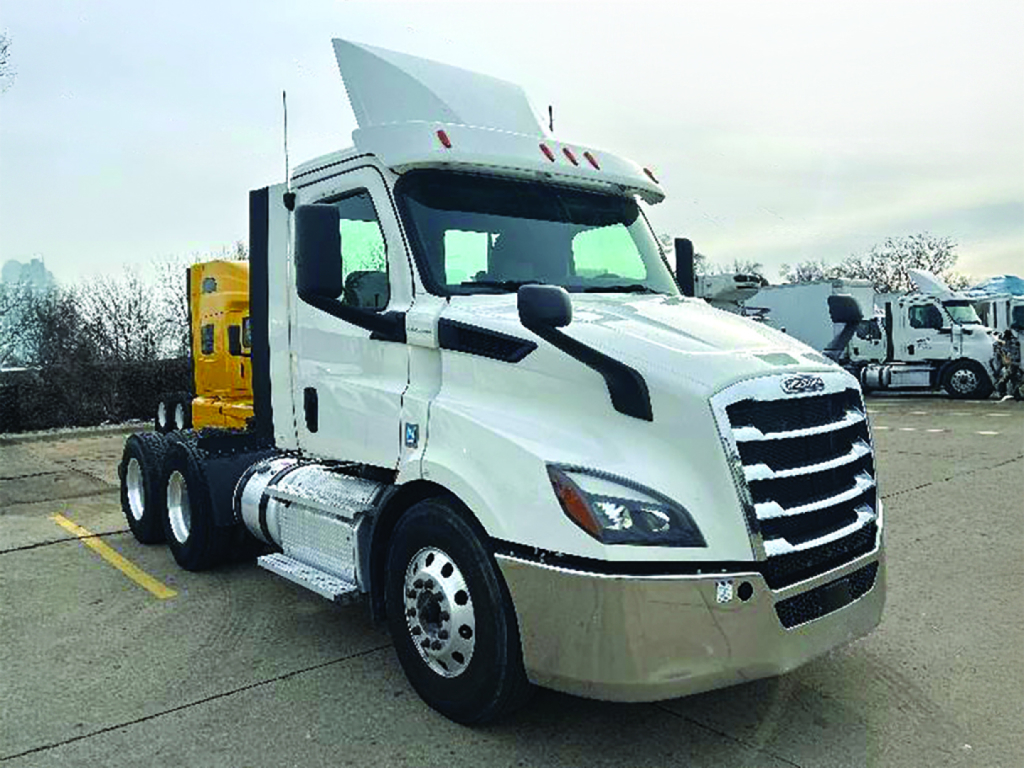
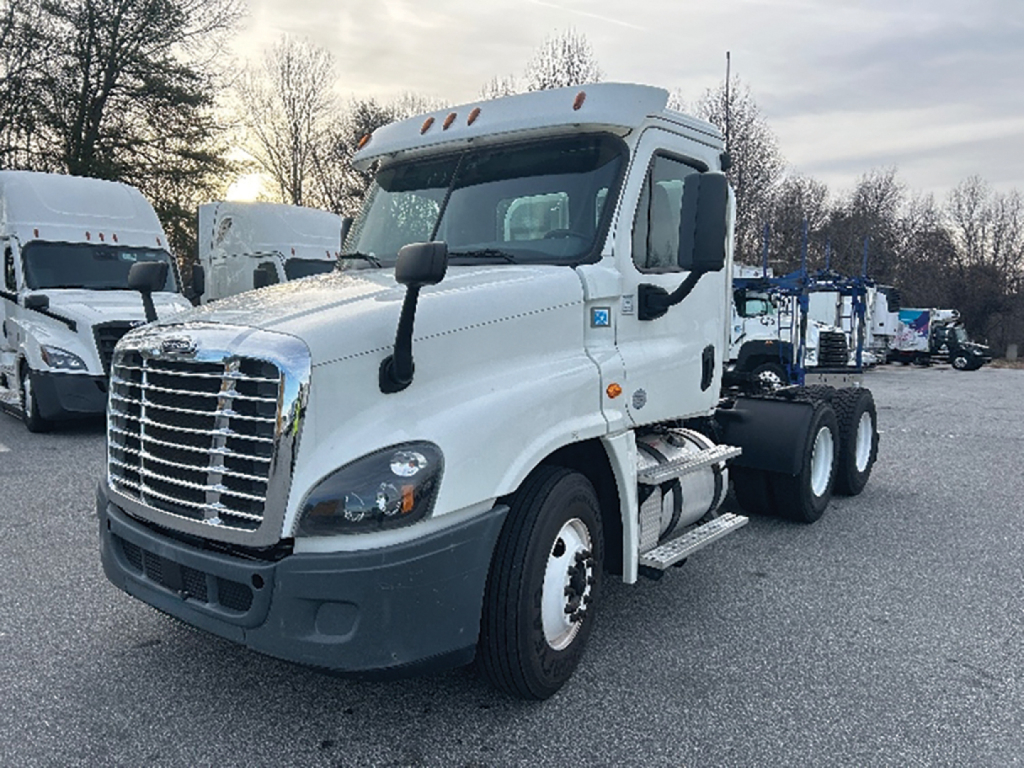

Have used 2018 freightliner conventional daycab truck to sell? List it here to reach thousands of buyers.
Used 2018 Freightliner Conventional Daycab Trucks in North Carolina
The key spec decisions are engine, transmission, rear axle ratio, wheelbase, and fifth wheel setup. A 2018 Freightliner daycab may be equipped with Detroit or Cummins power depending on the model and application, with horsepower commonly matched to regional freight rather than long-haul heavy spec work. Automated manual transmissions are common in this class, but Allison automatics also appear in medium-duty and straight truck configurations. Shorter wheelbases improve turning radius and dock access, while longer wheelbases can help with ride quality, fuel capacity, and trailer clearance. If the truck is set up as a road tractor, buyers should check rear axle rating, suspension type, sliding or fixed fifth wheel, and kingpin-to-rear-axle dimensions to confirm compatibility with the trailers being pulled.
Freightliner daycabs from this period are known for practical driver layouts and broad parts support. Common features include air ride suspension, engine brakes, aluminum fuel tanks, power windows, cruise control, and aerodynamic components such as cab extenders and roof fairings. On Cascadia models, buyers often compare DD13, DD15, or Cummins X15-style regional specs by horsepower, torque, and emissions history. On M2 106 configurations, attention usually shifts to GVWR, front axle capacity, body integration, PTO needs, and whether the truck is being used as a tractor or as a straight truck with a van body, flatbed, dump, or service body. Brake type, tire size, and wheel material also matter for maintenance cost and route suitability.
Condition is where the real value decision gets made on a used 2018 Freightliner conventional daycab. Review service records, idle hours, aftertreatment maintenance, transmission calibration history, suspension wear, and steer tire pattern before focusing on cosmetics. For a Cascadia, inspect the emissions system, air system, and collision mitigation components if equipped. For an M2, pay close attention to body mounting, liftgate condition, cargo area wear, and any signs of frame modification if it has been upfitted. A well-matched 2018 Freightliner daycab can be a cost-effective truck for regional freight, local P&D, and terminal-based operations when the driveline, axle ratio, and chassis layout fit the job.
Frequently Asked Questions about Used 2018 Freightliner Conventional Daycab Trucks in North Carolina
What is the difference between a Freightliner Cascadia daycab and a Freightliner M2 daycab?
A Freightliner Cascadia daycab is generally a Class 8 highway tractor built for regional or linehaul work, while a Freightliner M2 daycab is commonly used in medium-duty or vocational applications and may be configured as either a tractor or a straight truck. Cascadia buyers usually prioritize engine torque, axle ratio, aerodynamics, and fifth wheel setup. M2 buyers are more likely to focus on GVWR, body compatibility, maneuverability, and PTO or upfit requirements.
What should I check first on a used 2018 Freightliner conventional daycab?
Start with engine hours, mileage, maintenance records, and emissions system history. Then review transmission operation, clutch calibration if it has an automated manual, suspension condition, brake wear, tire condition, and any fault codes. On a tractor, confirm the fifth wheel type, rear axle rating, and wheelbase fit the intended trailer. On a straight truck, inspect the body, floor, door hardware, liftgate if equipped, and frame integrity around the body mounts.
Are 2018 Freightliner daycabs good for regional hauling in North Carolina?
Yes, a 2018 Freightliner daycab is often a strong fit for regional hauling in North Carolina because it suits port drayage, warehouse distribution, manufacturing freight, and short interstate runs. The daycab layout works well for routes that return the driver home daily and for operations that need easier access to tight yards and customer docks. The best results come from matching the axle ratio, horsepower, and wheelbase to the terrain, trailer type, and average payload.
What axle ratio is best in a used Freightliner daycab?
The best axle ratio depends on speed, payload, and duty cycle. Lower numerical ratios such as 2.85 or 3.08 are typically chosen for fuel-efficient highway and regional work, especially with automated transmissions. Higher numerical ratios such as 3.55, 3.70, or above can be better for heavier loads, more stop-and-go driving, or routes that demand stronger launch performance. The ratio should always be evaluated together with engine torque, transmission gearing, and tire size.
Why do buyers choose a daycab instead of a sleeper truck?
Buyers choose a daycab when the route does not require overnight stays and the operation benefits from lower weight, simpler maintenance, and easier maneuverability. A daycab usually has a shorter overall length than a sleeper tractor, which helps in urban areas, crowded terminals, and frequent backing situations. It can also reduce acquisition cost and improve fleet standardization for regional and local applications.