
Freightliner Conventional Daycab Trucks For Sale in Iowa
Compare Freightliner conventional daycab trucks for sale in Iowa for grain and regional freight, with guidance on gearing, corrosion, and emissions.
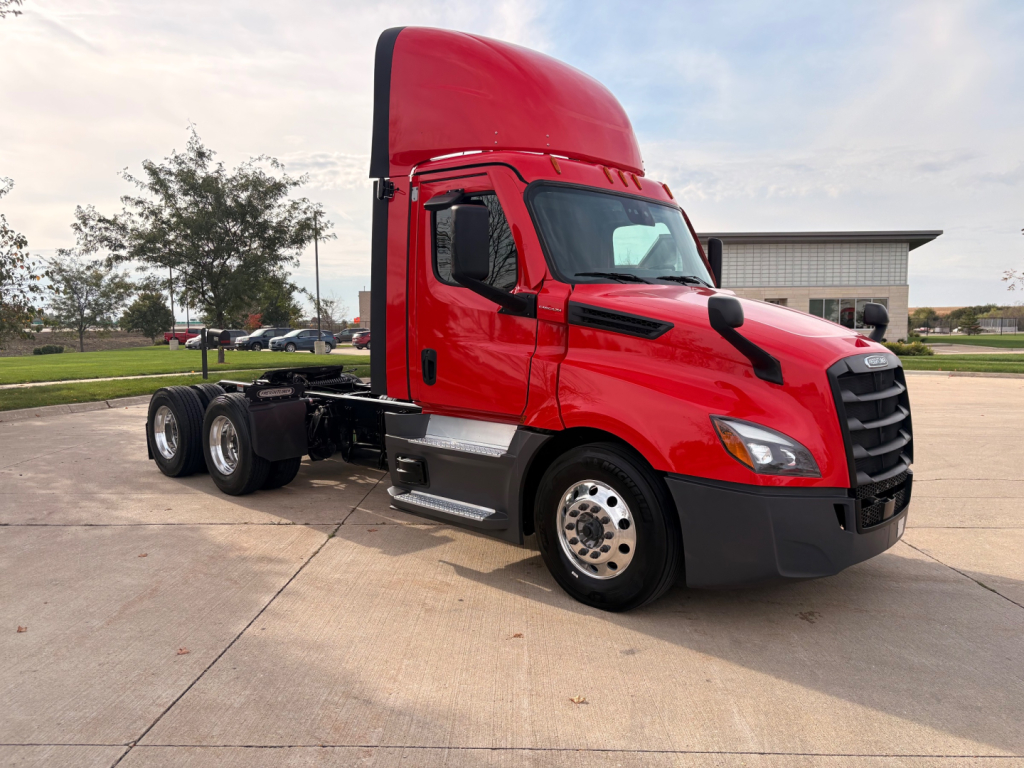
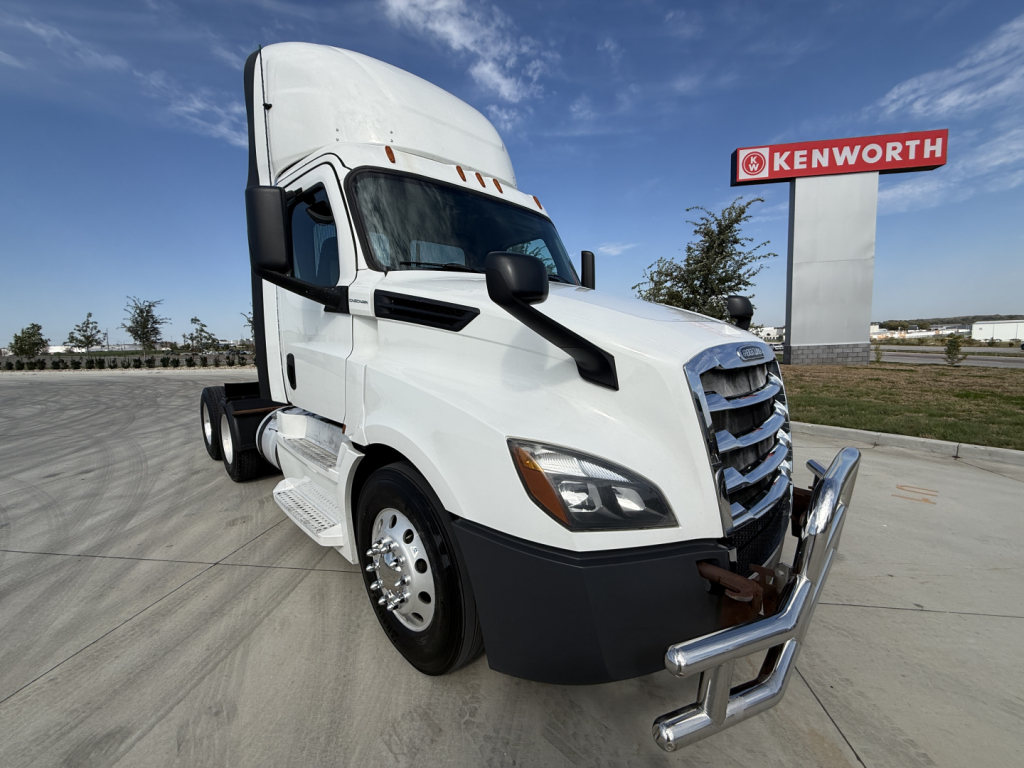
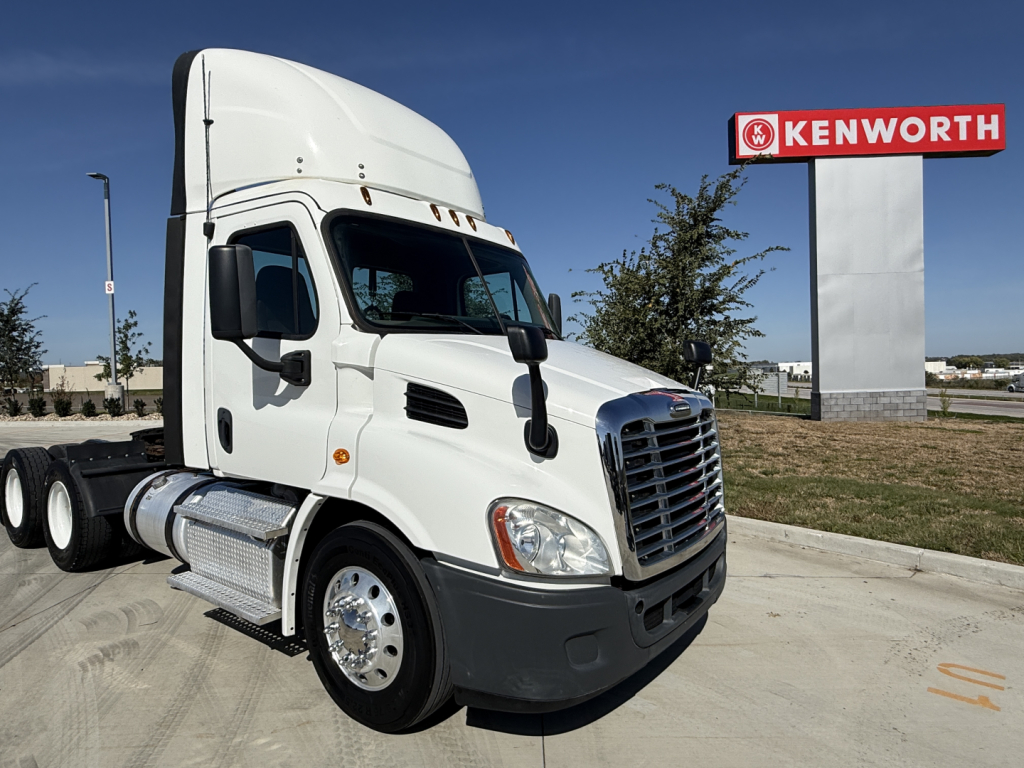
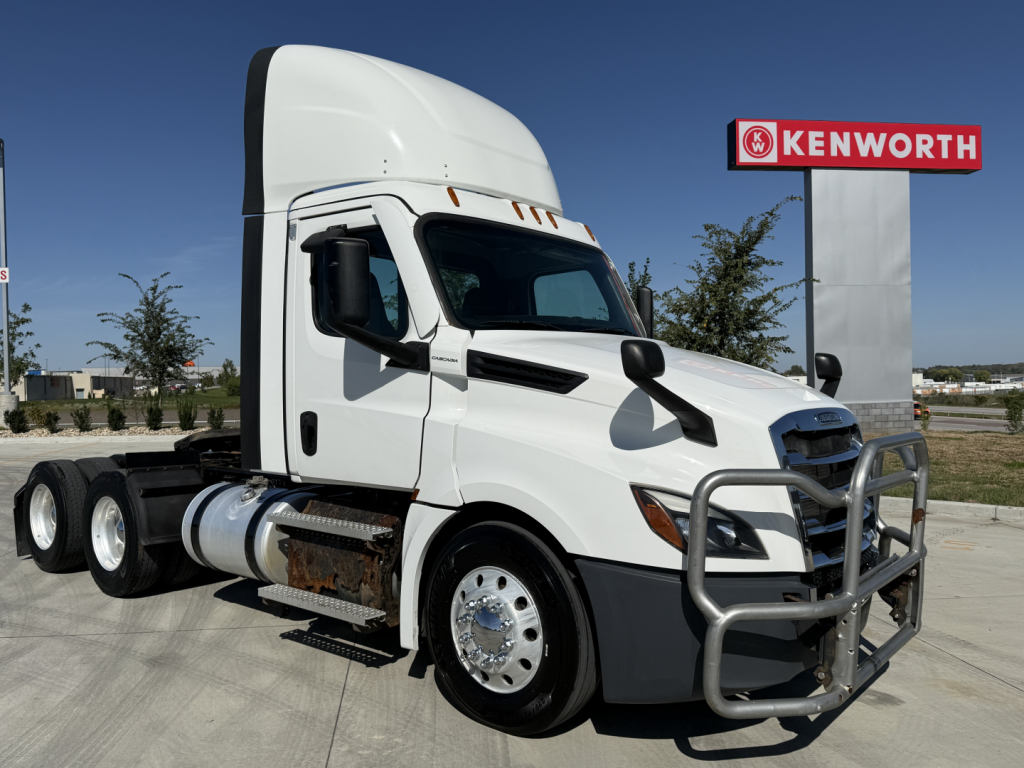
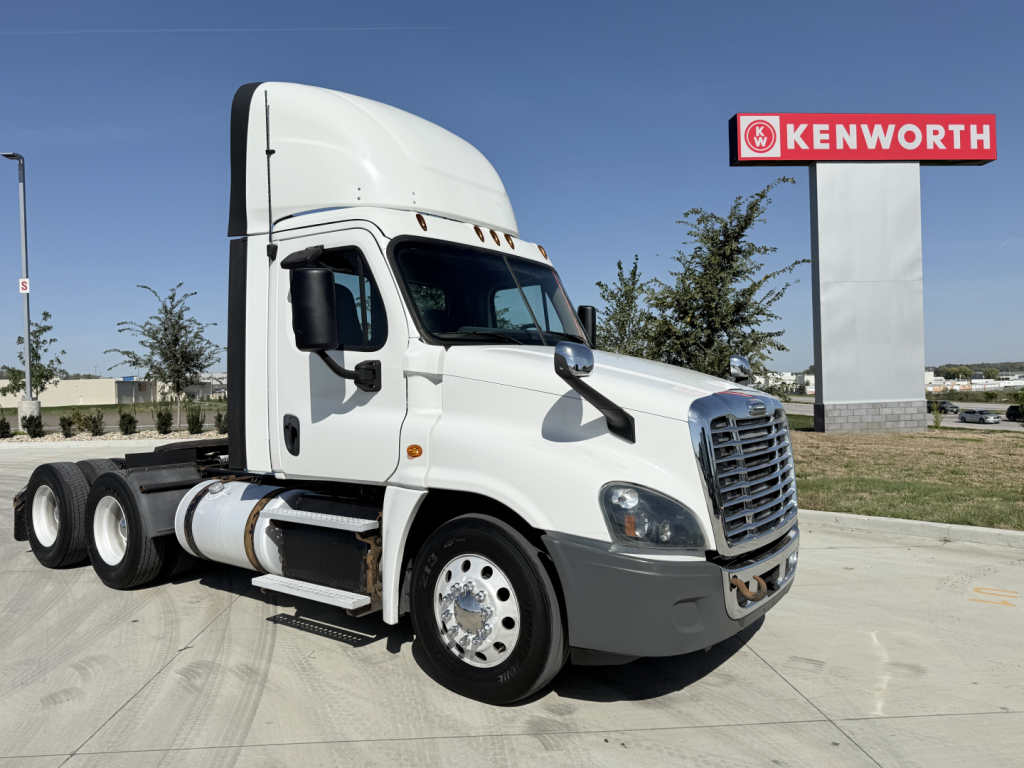
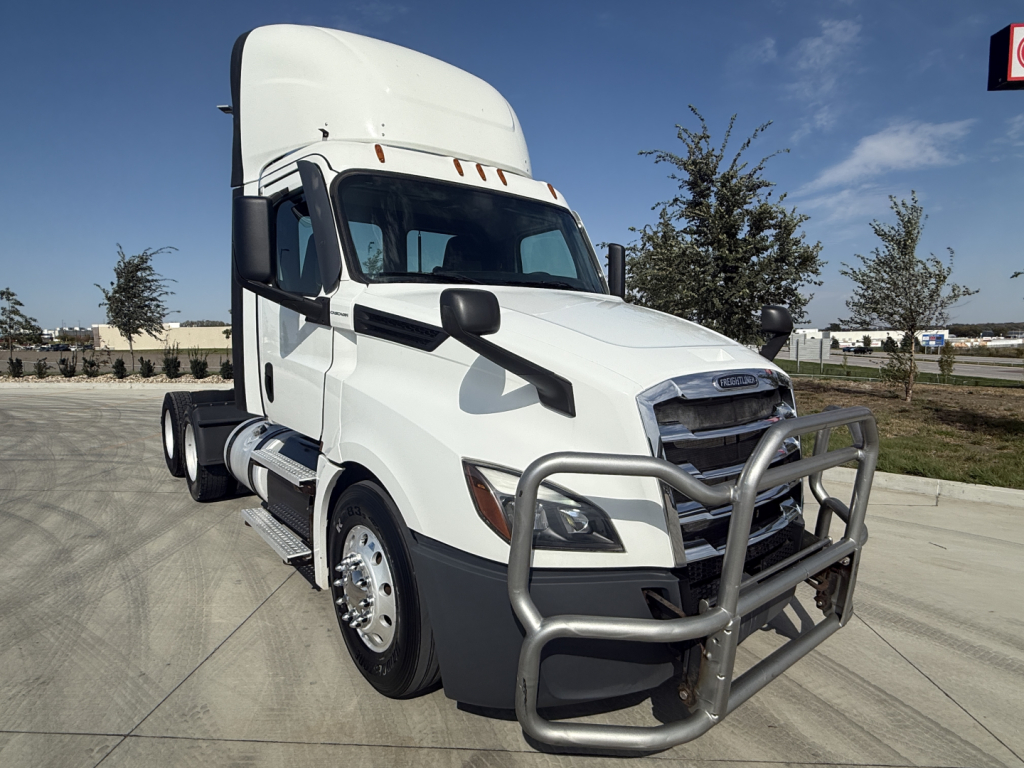
Selling a freightliner conventional daycab truck? List your freightliner conventional daycab truck for sale and reach thousands of commercial buyers.
Freightliner Conventional Daycab Trucks in Iowa
Iowa road salt makes frame rails, crossmembers, air tanks, brake plumbing, and electrical connectors priority inspection points on used tractors. Compare ECM mileage, engine hours, idle time, and fault history with maintenance records, then check fifth-wheel jaw wear, steering play, air suspension leaks, and cooling-system condition. EPA 2007-era diesel engines commonly use a DPF, while 2010-era Detroit engines add SCR and DEF; confirm the engine emissions label. Documented filter cleaning and aftertreatment repairs matter more than a freshly cleared fault screen.
New Freightliner day cabs need axle ratings, wheelbase, winter starting equipment, and any PTO provisions specified before ordering. Confirm engine, transmission, and chassis warranty limits separately, and account for the 12% federal excise tax on qualifying new heavy trucks. For Iowa grain routes, verify bridge-formula limits and posted local restrictions before treating rated axle capacity as legal payload.
Frequently Asked Questions about Freightliner Conventional Daycab Trucks in Iowa
Is a DD13 or DD15 better for a Freightliner day cab hauling in Iowa?
The Detroit DD13 suits many regional Iowa freight operations, while the DD15 offers more displacement for sustained heavy work. Both engine families have overlapping power ratings, so compare the actual torque rating, loaded operating speed, and drivetrain specification rather than the engine badge alone. For a used Freightliner day cab, documented maintenance and engine condition can outweigh the advantage of a larger engine.
Should I choose a 3.08 or 3.36 axle ratio in a Freightliner day cab?
A 3.36 rear axle ratio provides more reduction than 3.08 when tire size and transmission gearing are the same. That can help a Freightliner day cab start loaded trailers on grades or softer surfaces. A 3.08 ratio may suit highway work, but confirm direct-drive versus overdrive gearing, loaded startability, and engine rpm at cruising speed before comparing the two specifications.
Can I run a Freightliner day cab over 80,000 pounds gross in Iowa?
A standard five-axle Freightliner tractor-trailer on Iowa Interstates is normally limited to 80,000 pounds gross, subject to axle weights and the federal bridge formula. Higher weights require applicable legal authority and an eligible route. Iowa permits or temporary agricultural weight allowances do not automatically apply to every road or bridge, so verify authorization and route restrictions before loading a grain trailer.
Does a Freightliner day cab need a wet kit for an end dump trailer?
A Freightliner day cab needs a PTO-driven wet kit for an end dump that relies on tractor hydraulics. Confirm the exact transmission supports the required PTO installation, especially with a DT12 automated transmission. Match pump output, reservoir capacity, pressure settings, and hose connections to the trailer manufacturer's requirements. A tractor equipped only for dry-van service should not be assumed ready for hydraulic trailer operation.
How can I tell if a used Freightliner day cab was converted from a sleeper?
The Freightliner factory build record is the strongest evidence of whether a used day cab started as a sleeper tractor. Compare that record with the rear cab wall, roof seams, cab mounts, and interior finishing. A conversion needs inspection for reinforcement, sealing, wiring changes, and cab suspension compatibility. Measure the actual wheelbase because removing a sleeper does not necessarily shorten the chassis.