
Freightliner Conventional Daycab Trucks For Sale in Georgia
Browse Freightliner conventional daycab trucks for sale in Georgia. Compare Cascadia specs, DD13 and DD15 engines, wheelbases, ratios, and transmissions.
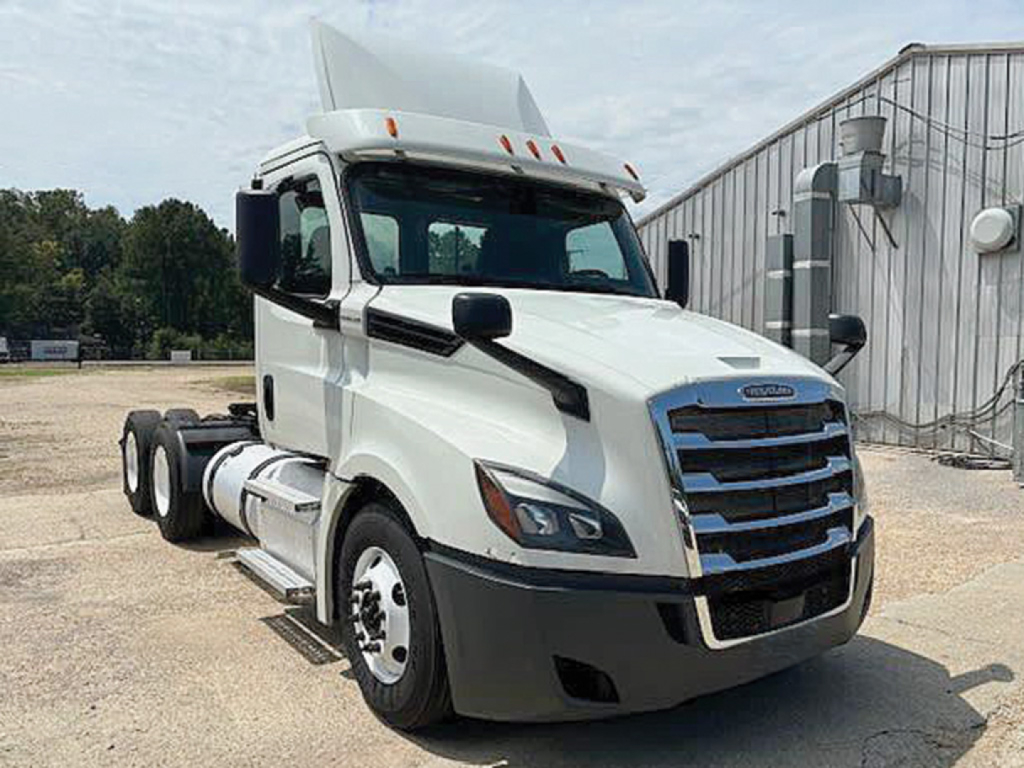
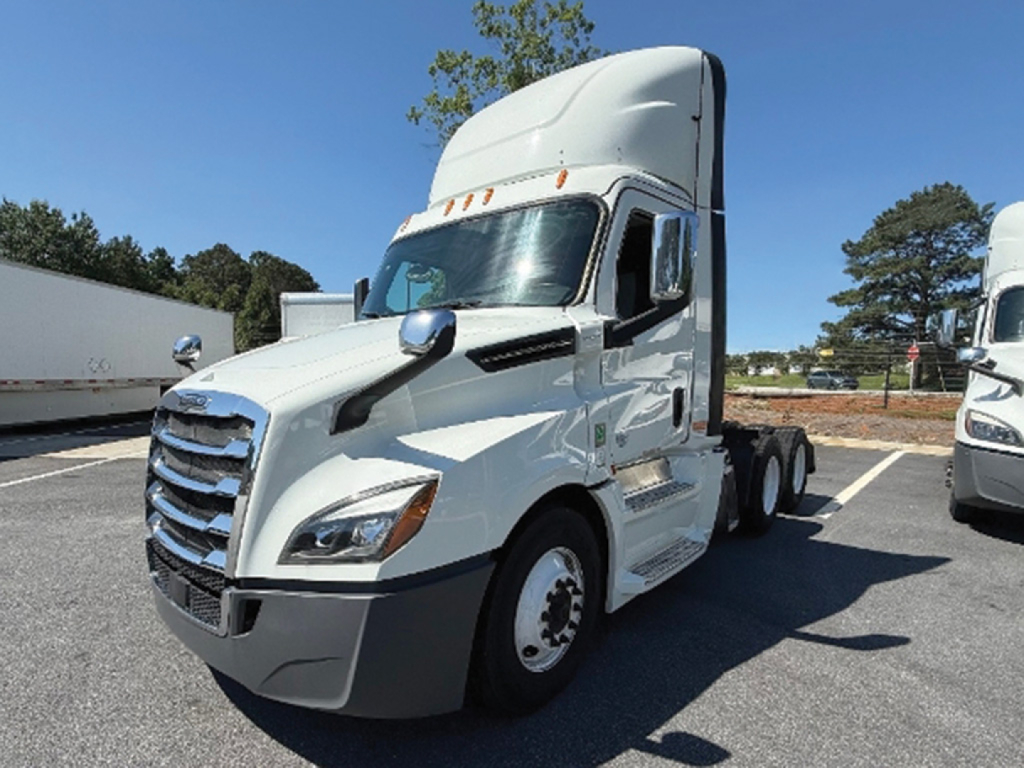
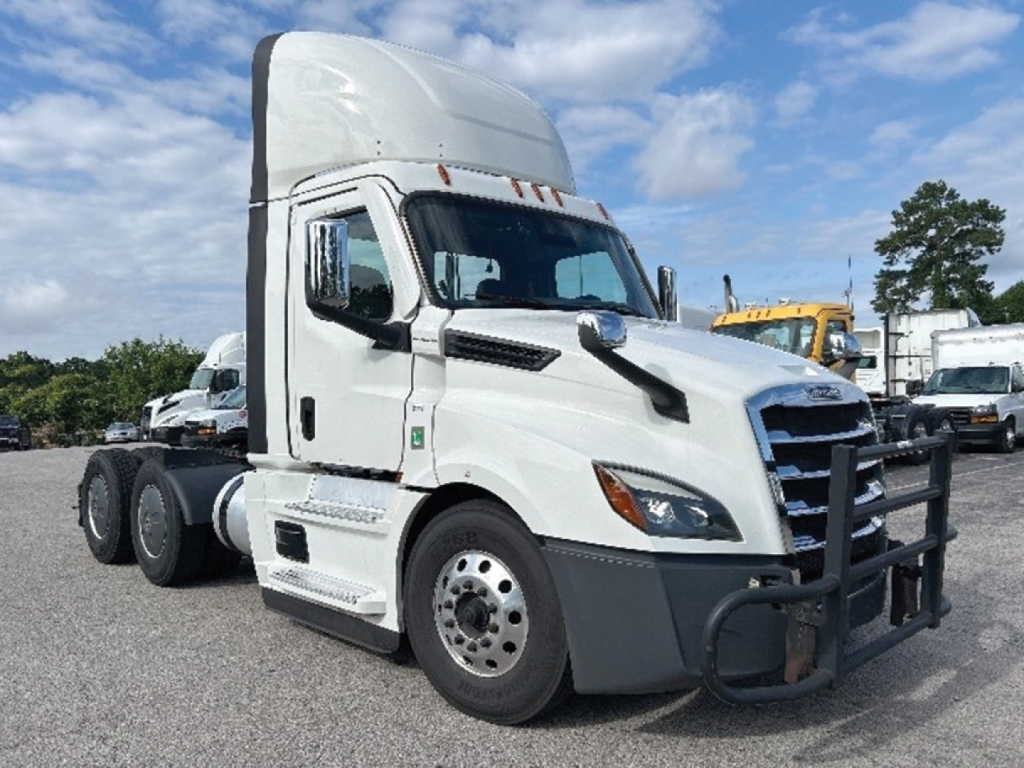
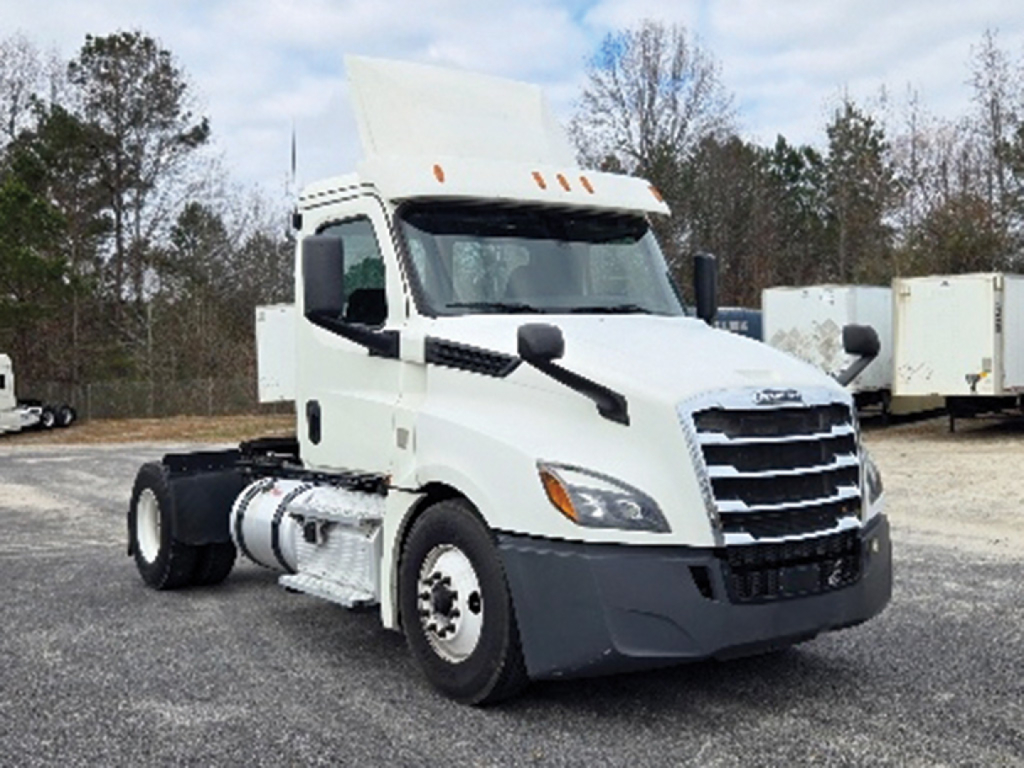

Have freightliner conventional daycab truck to sell? List it here to reach thousands of buyers.
Freightliner Conventional Daycab Trucks in Georgia
The first buying decision is usually powertrain. Many Freightliner daycabs in this class carry Detroit DD13 or DD15 engines, typically in the 410 to 455 horsepower range, paired with either a DT12 automated manual or Fuller manual transmission. DD13 trucks are a strong match for regional freight and weight-sensitive operations that want good fuel economy without excess engine size. DD15-powered daycabs make sense when higher GCW, more demanding terrain, or sustained highway pulling is part of the job. Rear axle ratios such as 3.08 and 3.55 change how the truck behaves. A 3.08 ratio generally favors fuel economy and steady highway speed, while a 3.55 ratio is often preferred for stop-and-go work, heavier starts, or routes with more grade and lower average speed.
Wheelbase, axle spec, and fifth wheel setup matter just as much as engine choice. Tandem axle 6x4 Freightliner daycabs with 40,000 lb rear axles are common, and wheelbases in the mid-160 inch to low-180 inch range are typical. A shorter wheelbase helps in tight yards, urban deliveries, and container terminals. A longer wheelbase can improve ride quality and trailer clearance depending on the body and fifth wheel position. Buyers should also look closely at sliding fifth wheel travel, front axle rating, suspension type, and tire spec. Air ride suspension, 22.5 rubber, aluminum wheels, and air slide fifth wheels are common on fleet-oriented Cascadia daycabs because they support driver comfort, easy trailer matching, and broad serviceability.
Cab spec and condition have a direct effect on daily uptime. Features like air ride seats, telescoping wheel, power windows, heated mirrors, engine brake, disc brakes, and roof fairings are not just convenience items. They affect driver retention, safety, and operating efficiency across a regional fleet. On used Freightliner conventional daycabs, pay attention to maintenance history, fault codes, emissions system health, clutch life on manual units, and software or calibration history on DT12 automated transmissions. In Georgia heat and heavy traffic, cooling system condition, A/C performance, and brake wear deserve extra scrutiny. A well-matched Freightliner daycab should fit the route, trailer type, and average payload first, then support low downtime with components that are familiar to most truck shops.
Frequently Asked Questions about Freightliner Conventional Daycab Trucks in Georgia
What is the most common Freightliner conventional daycab model?
The Freightliner Cascadia is the most common conventional daycab on the used market. It is widely used in regional and local fleet service because it offers aerodynamic efficiency, a comfortable cab, strong parts support, and common Detroit engine and transmission combinations. Buyers will see Cascadia 113, 125, and 126 variants depending on year, chassis configuration, and intended application.
Is a DD13 or DD15 better in a Freightliner daycab?
A Detroit DD13 is often the better choice for regional freight, lighter average payloads, and operations focused on fuel economy and lower operating weight. A DD15 is better suited to heavier loads, more demanding terrain, and fleets that want additional torque reserve on highway pulls. The right engine depends on GCW, route profile, and how often the truck starts heavy from a stop.
What wheelbase is best for a Freightliner daycab?
A shorter wheelbase, such as the mid-160 inch range, is usually preferred for tight turning, city work, and terminal operations. A wheelbase closer to 178 to 182 inches is common for regional tractor use where ride quality, trailer swing clearance, and chassis balance matter more. The correct wheelbase should be matched to trailer length, fifth wheel position, axle spread requirements, and maneuvering space.
Are automatic transmissions common in Freightliner daycab trucks?
Yes. Many newer Freightliner daycabs are equipped with the Detroit DT12 automated manual transmission. It is popular with fleets because it helps standardize driver performance, reduce training time, and improve consistency in fuel economy. Manual Fuller transmissions are still found in many units and remain attractive to buyers who prefer simpler driver-controlled shifting or who operate in specialized vocational settings.
What should I inspect on a used Freightliner conventional daycab?
Focus on engine hours, maintenance records, emissions system condition, transmission operation, suspension wear, brake life, and signs of frame or fifth wheel abuse. Check for active fault codes, air leaks, uneven tire wear, and cooling system performance. On a daycab used in Georgia regional service, A/C function, idle history, and stop-and-go drivetrain wear are especially important because traffic, heat, and frequent trailer changes can accelerate component fatigue.