
Freightliner Conventional Daycab Trucks For Sale in Alabama
Compare Freightliner daycab trucks in Alabama, from engines and frames to weight and corrosion specs, for durable and efficient regional hauling.
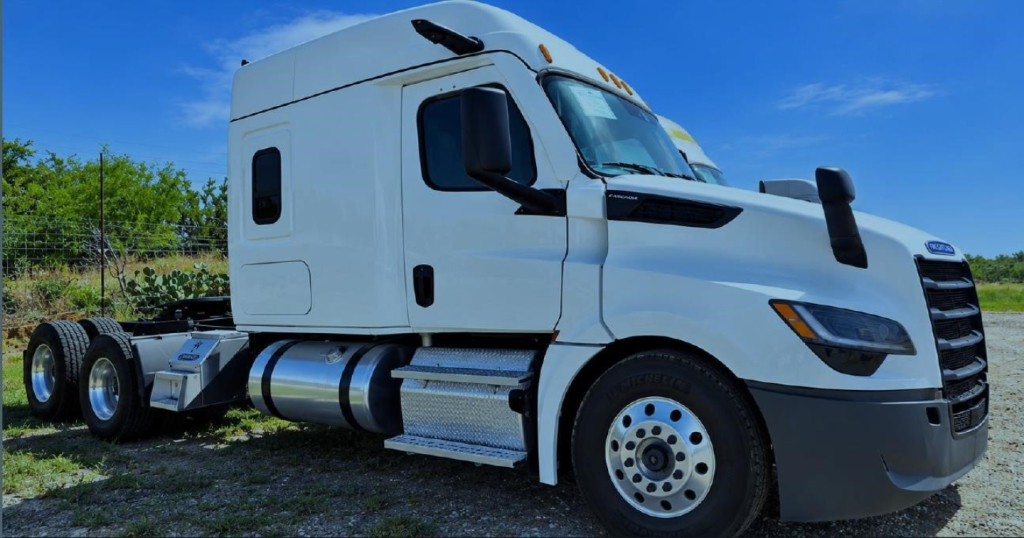
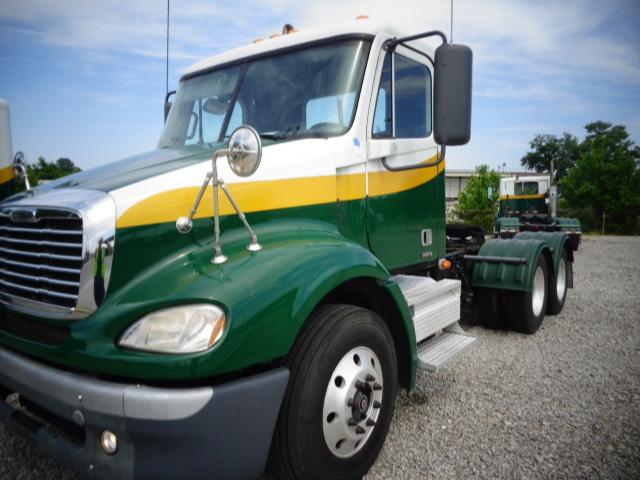
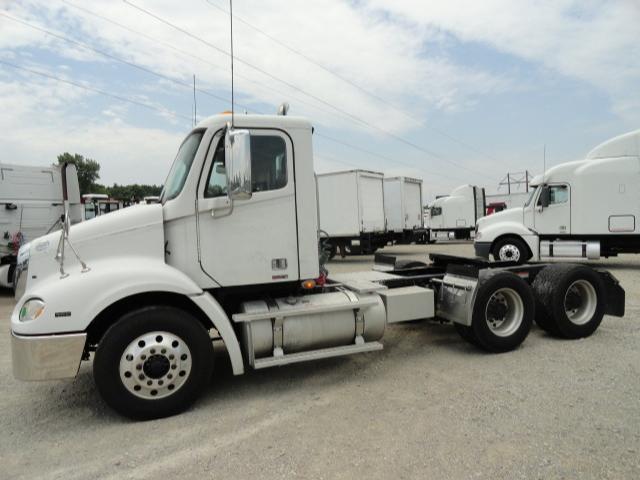
Selling a freightliner conventional daycab truck? List your freightliner conventional daycab truck for sale and reach thousands of commercial buyers.
Freightliner Conventional Daycab Trucks in Alabama
Power choices typically include Detroit DD13 and DD15 or Cummins X12 and X15, paired with automated manuals like Detroit DT12 or Eaton Endurant, or classic Eaton UltraShift and manual boxes. For I‑65 and I‑20 corridors with mixed grades, 2.64 to 3.08 rear ratios with direct or overdrive top gears balance fuel economy with launch performance, higher numeric ratios suit heavy gross or stop and go. Thermal integrity matters in Alabama heat, look for heavy duty cooling packages, optimized charge air routing, and strong HVAC performance. A healthy aftertreatment system that maintains proper exhaust temperature, quick warm up, and consistent passive or parked regens reduces downtime in short haul duty cycles.
Chassis durability starts with frame rail section modulus and RBM, many Freightliner frames offer single channel rails with high tensile steel and optional double channel reinforcements for severe service. Crossmember spacing and fifth wheel pedestal design affect platform rigidity under repeated coupling, a reinforced deck and quality slider maintain load transfer without flex. Aluminum cabs and composite hoods resist corrosion, factory e coated frames, sealed electrical connectors, and stainless or galvanized brackets hold up in coastal exposure near Mobile and in humid conditions statewide. Spec aluminum air tanks, nylon air lines, and treated fasteners to slow rust creep, then keep wash routines regular to extend paint and harness life.
Tare weight is a profit lever, Cascadia daycabs with aluminum wheels, smaller fuel capacity matched to route length, disc brakes, and single 100 gallon tanks can shed hundreds of pounds. 6x2 saves weight and parasitic loss for highway work, 6x4 with interaxle lock remains the go to for mixed terrain and bulk hauls, liftable pusher axles appear on specialized chassis only. AirLiner and Hendrickson air suspensions ride smoothly and protect cargo, they also help maintain tire contact for braking stability. Wheelbase and fifth wheel position must satisfy bridge and turning requirements when mating to common Southeast trailer kingpin settings, verify bumper to back of cab and overall swing clearance before committing to a spec. Telematics like Detroit Connect aid fuel coaching and fault triage, cutting troubleshooting time and keeping daycabs earning in regional lanes.
Frequently Asked Questions about Freightliner Conventional Daycab Trucks in Alabama
Which Freightliner daycab models are most common for regional haul in Alabama?
Cascadia daycabs are the most prevalent for on highway and regional routes due to aerodynamics, quiet cabs, and mature Detroit powertrains. Older Columbia and Coronado tractors remain in service, and 114SD or 122SD based daycabs are chosen for heavier vocational, bulk, and short dump or flatbed applications where frame strength and axle capacity take priority over aero.
How should I spec engines, gearing, and transmissions for mixed Alabama routes?
For typical 65 to 70 mph cruise with moderate grades, a DD13 or X12 paired with a DT12 or Endurant automated manual and rear ratios in the 2.64 to 3.08 range balances launch torque with low rpm cruise. Heavier gross weights, frequent stops, or off pavement work benefit from higher numeric ratios and possibly a DD15 or X15 for torque reserve. Match gear strategy, direct or overdrive top gear, to the intended cruise speed, and confirm that the rear axle ratio and tire size place the engine in the fuel efficient band at cruise.
What should I look for regarding frame and platform strength on a used Freightliner daycab?
Review frame rail spec sheets for section modulus and RBM, inspect for prior reinforcement plates, and check crossmembers for cracks around fasteners. Examine the fifth wheel pedestal and slider tracks for wear or deformation, then verify fastener torque and bushing condition. Look for evidence of bending at suspension hangers and steer axle spring perches, measure wheelbase to confirm it matches the build record, and check for uneven tire wear that might signal alignment or frame issues.
How do I manage tare weight without sacrificing durability?
Start with an aero daycab like the Cascadia, select aluminum wheels, disc brakes, and right sized fuel tanks to remove weight where it does not affect structure. Keep single channel high tensile rails unless duty requires double channel reinforcement, choose lighter air suspensions such as AirLiner, and avoid unnecessary brackets or PTOs. A 6x2 axle layout can save significant weight for highway work, but a 6x4 tandem remains the better choice if traction demands or uneven surfaces are common.
What corrosion and thermal considerations matter for Alabama operations?
Humidity and occasional coastal salt exposure call for e coated frames, sealed connectors, stainless or galvanized hardware, and aluminum tanks and hubs. Keep harnesses clipped and protected from chafing, and maintain regular wash cycles to remove grime. High summer temperatures put cooling systems and HVAC to the test, so prioritize heavy duty radiators, clean charge air coolers, proper fan controls, and an aftertreatment system that reaches and holds temperature for consistent regeneration in short haul duty.