
2021 Freightliner Conventional Daycab Trucks For Sale
Shop 2021 Freightliner conventional daycab trucks with spec insights on engines, wheelbase, axle ratings, transmissions, and regional haul use.
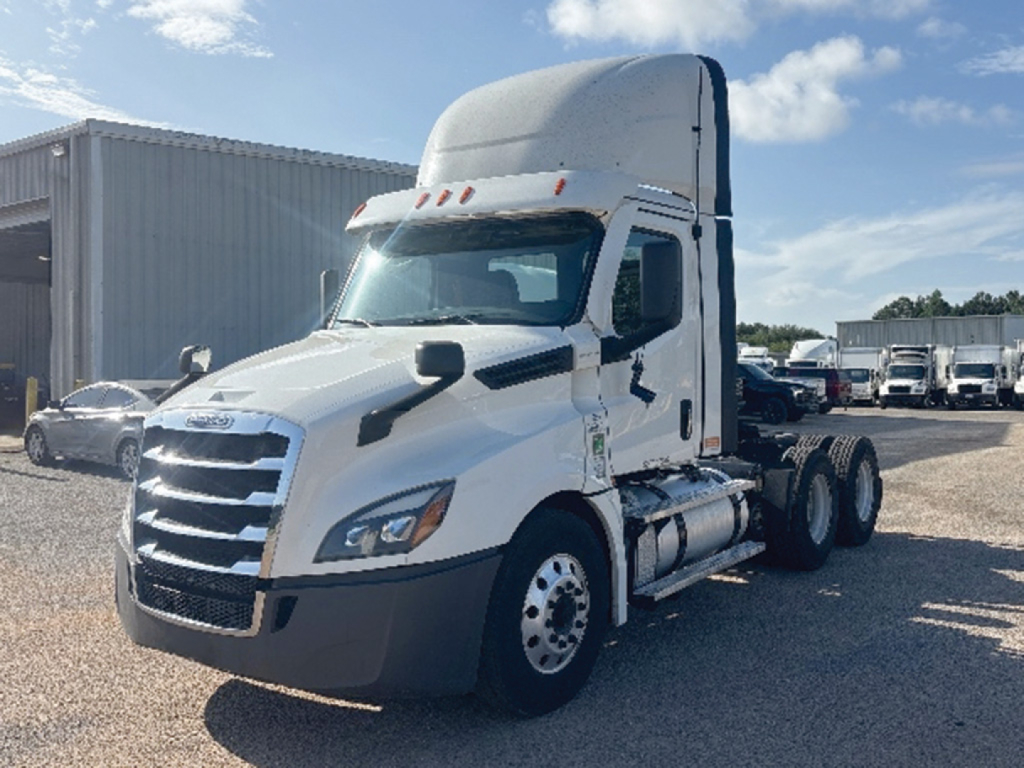
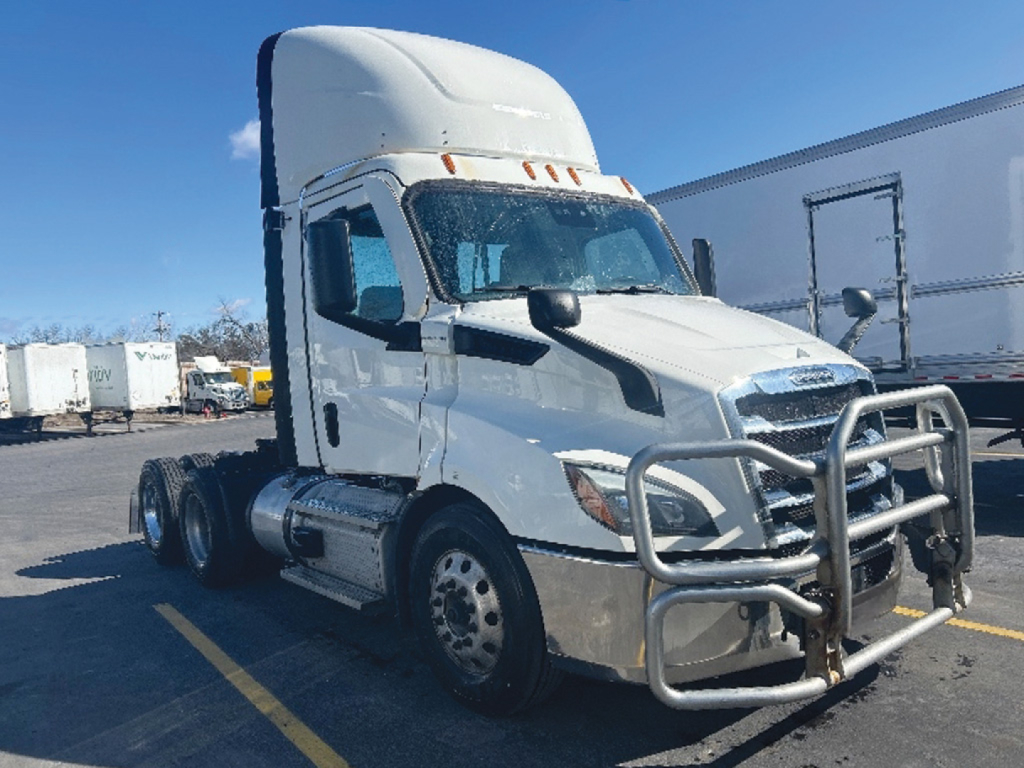
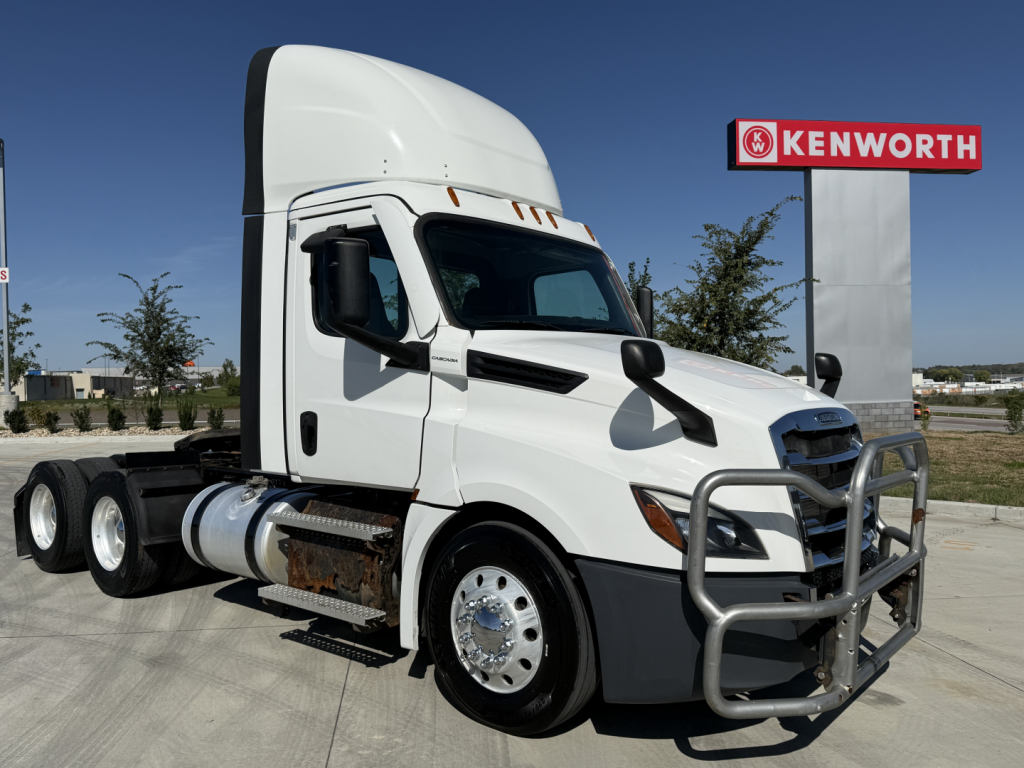
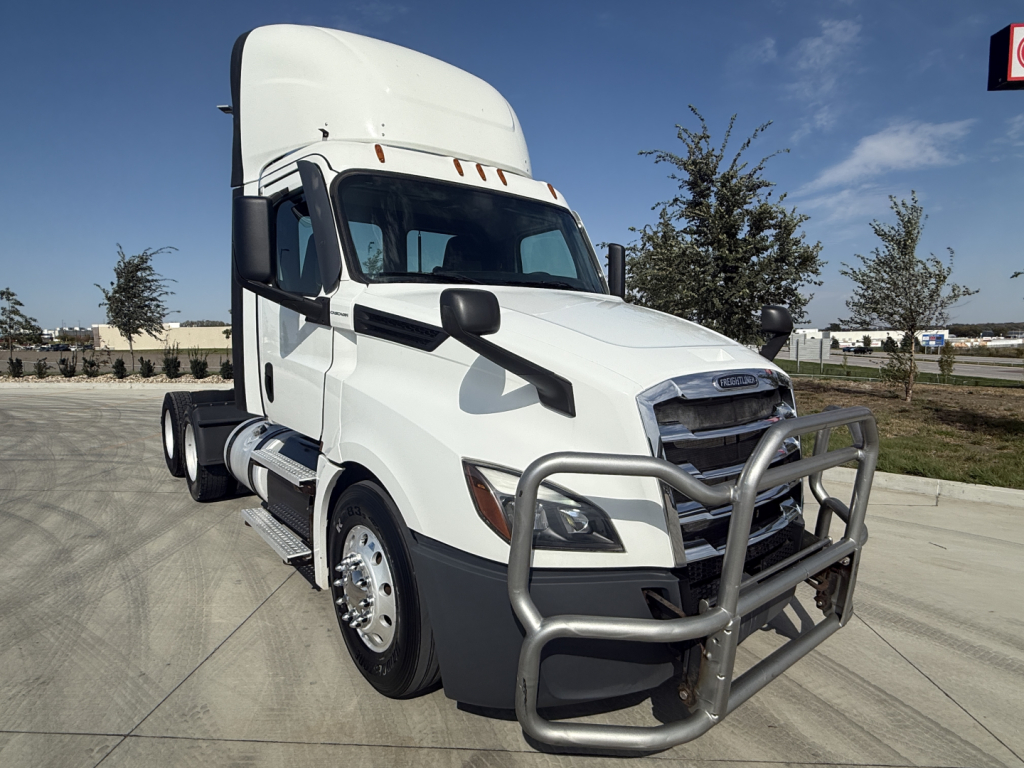
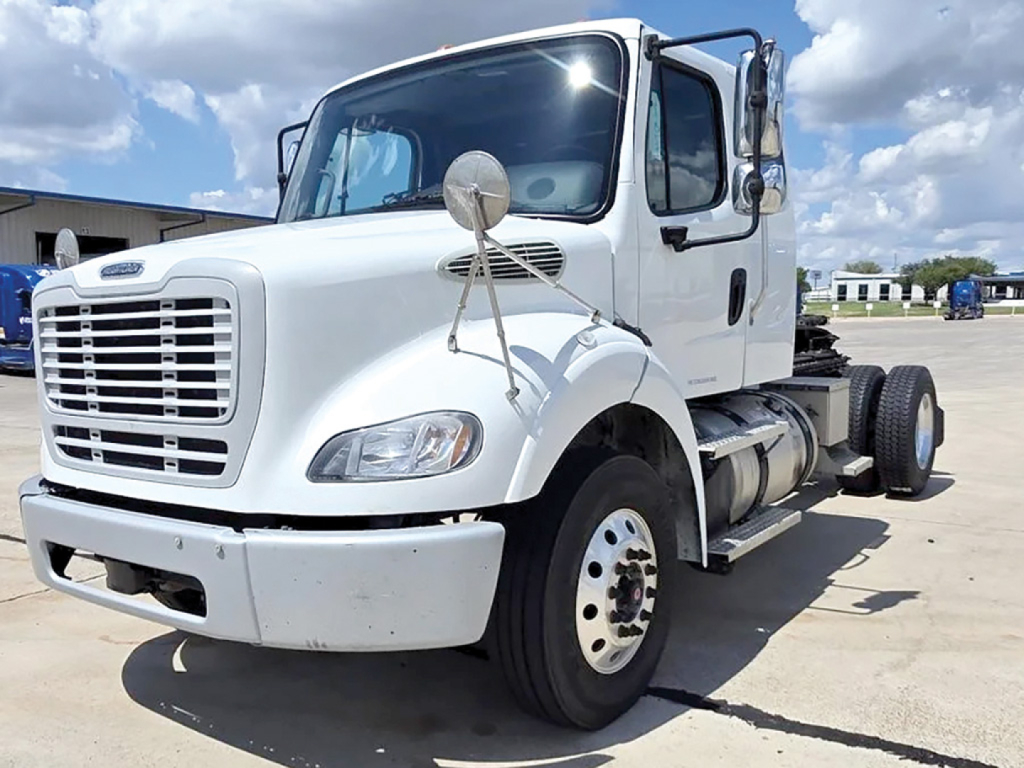
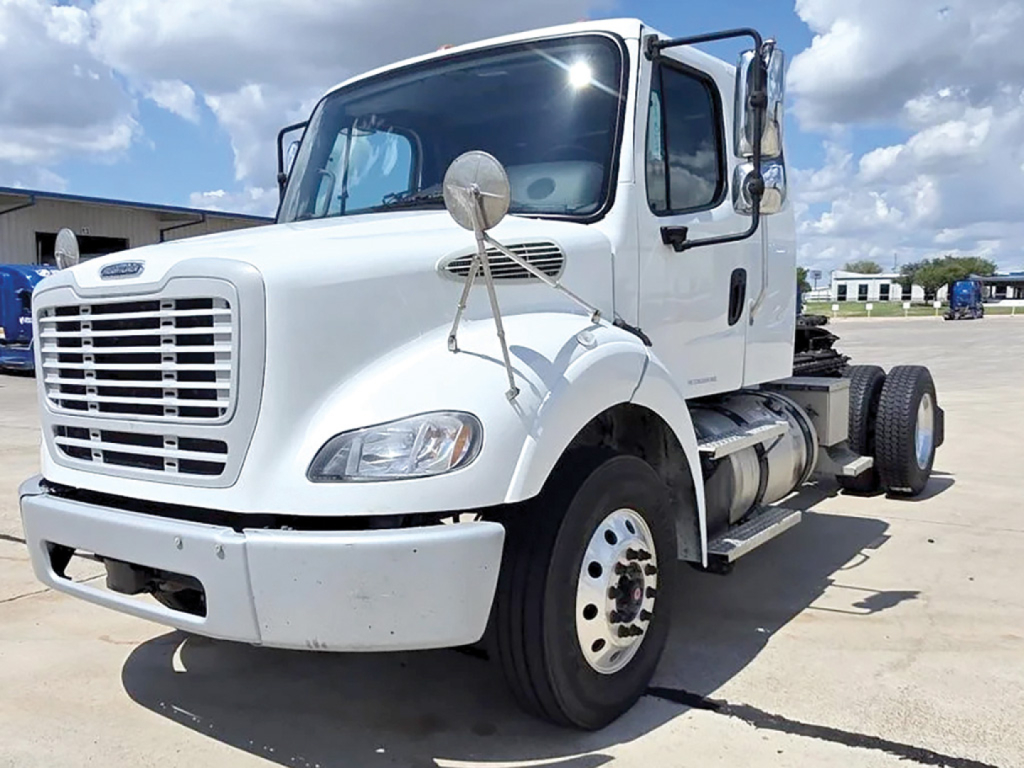
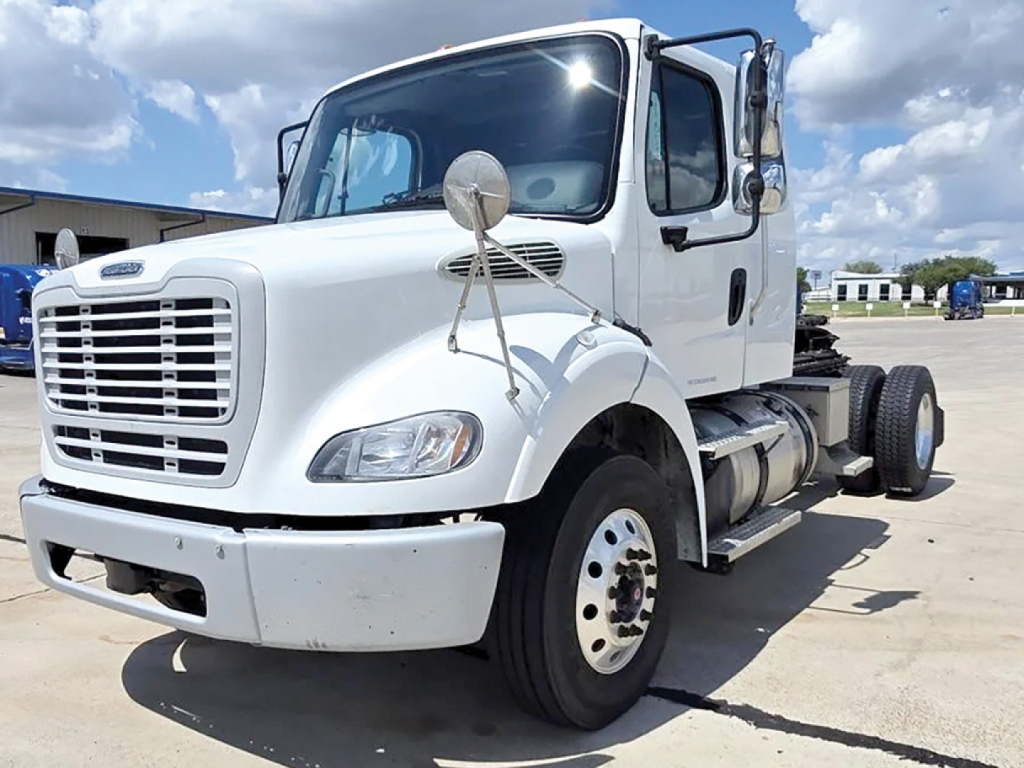
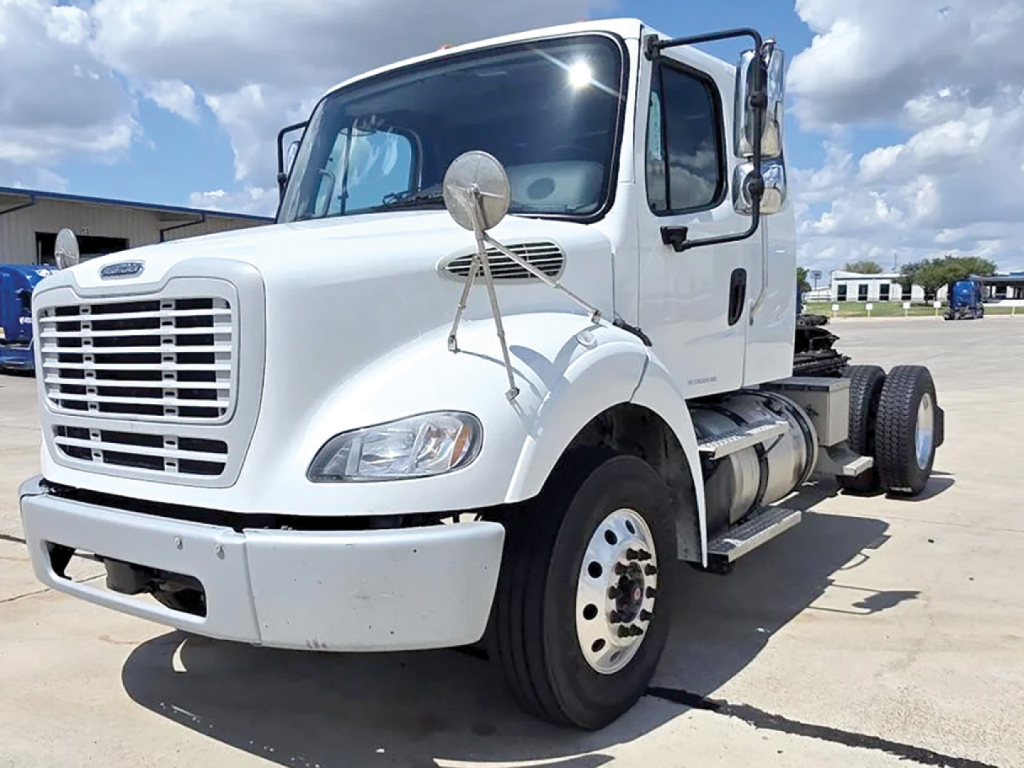
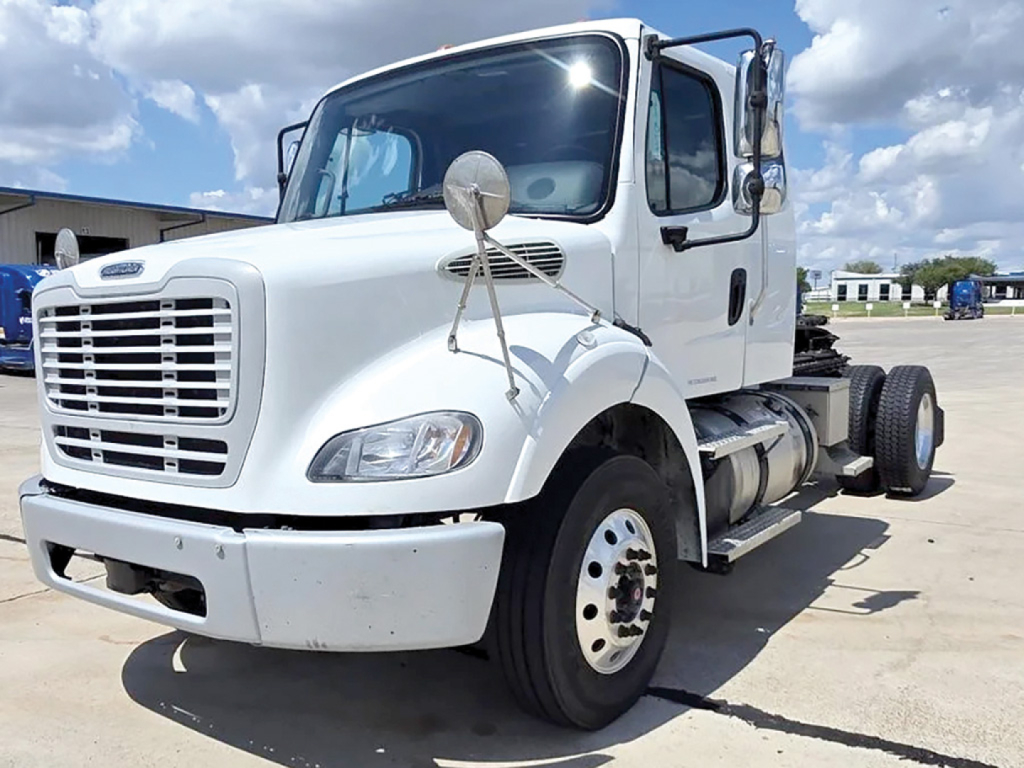
Selling a 2021 freightliner conventional daycab truck? List your 2021 freightliner conventional daycab truck for sale and reach thousands of commercial buyers.
2021 Freightliner Conventional Daycab Trucks
Common 2021 Freightliner daycab configurations include Detroit DD13 and DD15 engines, usually in the 400 to 505 horsepower range, paired with 12-speed automated manuals or 10-speed and 13-speed manuals. Rear axle ratings often land at 40,000 pounds, with ratios such as 2.41, 3.08, 3.31, or 3.70 depending on whether the truck was ordered for fuel economy, mixed regional service, or heavier starts and grades. Air ride suspensions like Freightliner AirLiner remain common, and many trucks in this class carry 12,000-pound front axles, low profile 22.5 rubber, and air slide fifth wheels. Buyers comparing listings should pay close attention to wheelbase and cab-to-axle dimensions, since a 172-inch tractor and a 210-inch tractor can behave very differently when matching bridge laws, trailer swing clearance, and axle spread requirements.
Spec details matter more than appearance on a used conventional daycab. A 2021 model may include collision mitigation, lane departure warning, optimized idle management, disc brakes, and other late-model safety or operating features that affect uptime and driver acceptance. Engine family also matters for service planning. A DD13 can be a strong fit for lighter regional work and fuel-conscious fleets, while a DD15 is more common where gross combination weights, steep terrain, or higher average cruise speeds justify the added displacement. Check for emissions system history, engine hours against odometer, automated transmission calibration updates, and any signs of PTO use if the truck came from tanker, dump, or vocational service. Frame type, single versus double frame, and the presence of a pintle or wet kit can also indicate a truck's prior application.
Freightliner remains a popular choice in the daycab market because parts support is broad, the Cascadia platform is familiar to most service departments, and the cab is generally easy to live with on multi-stop regional routes. For a buyer narrowing down 2021 Freightliner conventional daycab trucks for sale, the best value usually comes from matching the truck's original vocation to the next job. Fuel mileage specs, axle ratio, transmission type, and wheelbase should line up with your trailer length, payload, terrain, and stop frequency. A properly spec'd daycab can lower operating cost, improve yard efficiency, and deliver better driver productivity than an overbuilt or mismatched road tractor.
Frequently Asked Questions about 2021 Freightliner Conventional Daycab Trucks
What engine is most common in a 2021 Freightliner conventional daycab?
The most common engines in this category are the Detroit DD13 and DD15. The DD13 is often chosen for regional and local freight where lighter weight and fuel economy are priorities, while the DD15 is more common in heavier regional haul, tanker, or bulk applications that benefit from added torque and horsepower. The right choice depends on gross combination weight, terrain, average trip length, and how often the truck starts from a dead stop under load.
Is a 2021 Freightliner daycab better with a DT12 automated manual or a manual transmission?
A DT12 automated manual is a strong fit for fleets focused on driver availability, shift consistency, and reduced clutch wear. It also helps in stop-and-go service and can improve fuel economy when matched with the correct rear ratio. A manual transmission still appeals to buyers who operate in severe-duty applications, prefer direct driver control, or maintain a fleet standardized around manual gearboxes. The better option depends on driver pool, maintenance practices, terrain, and startability requirements.
What wheelbase should I look for on a Freightliner conventional daycab?
Wheelbase should be selected based on trailer type, axle laws, turning radius needs, and how the truck will be loaded. Shorter wheelbases are usually easier in city work, ports, and tight yards, while longer wheelbases can improve ride quality, weight distribution, and compatibility with certain trailer setups. Cab-to-axle and cab-to-end dimensions matter just as much as overall wheelbase because they affect clearance, fifth wheel placement, and how the tractor fits your trailer fleet.
What should I inspect first on a used 2021 Freightliner daycab?
Start with engine hours, fault code history, emissions system records, transmission service history, and evidence of collision or frame repair. Then verify rear axle ratio, suspension type, fifth wheel condition, and brake setup because those items directly affect how the truck will perform in your operation. On a 2021 model, electronic safety systems and software updates are also worth confirming, especially if the truck has a Detroit powertrain and DT12 transmission.
Are 2021 Freightliner conventional daycabs good for regional hauling?
Yes. This equipment class is widely used for regional haul because it balances aerodynamics, driver comfort, serviceability, and payload efficiency. A 2021 Freightliner daycab is especially well suited for dedicated lanes, distribution work, tanker service, and operations that return to base regularly. The key is selecting the right horsepower, rear ratio, wheelbase, and axle capacity for the trailer and terrain rather than choosing by model year alone.