
2019 Freightliner Conventional Daycab Trucks For Sale in New York
Shop 2019 Freightliner conventional daycab trucks in New York. Compare Cascadia specs, DD13 power, wheelbase, axle ratings, and 5th wheel setup.
Learn more
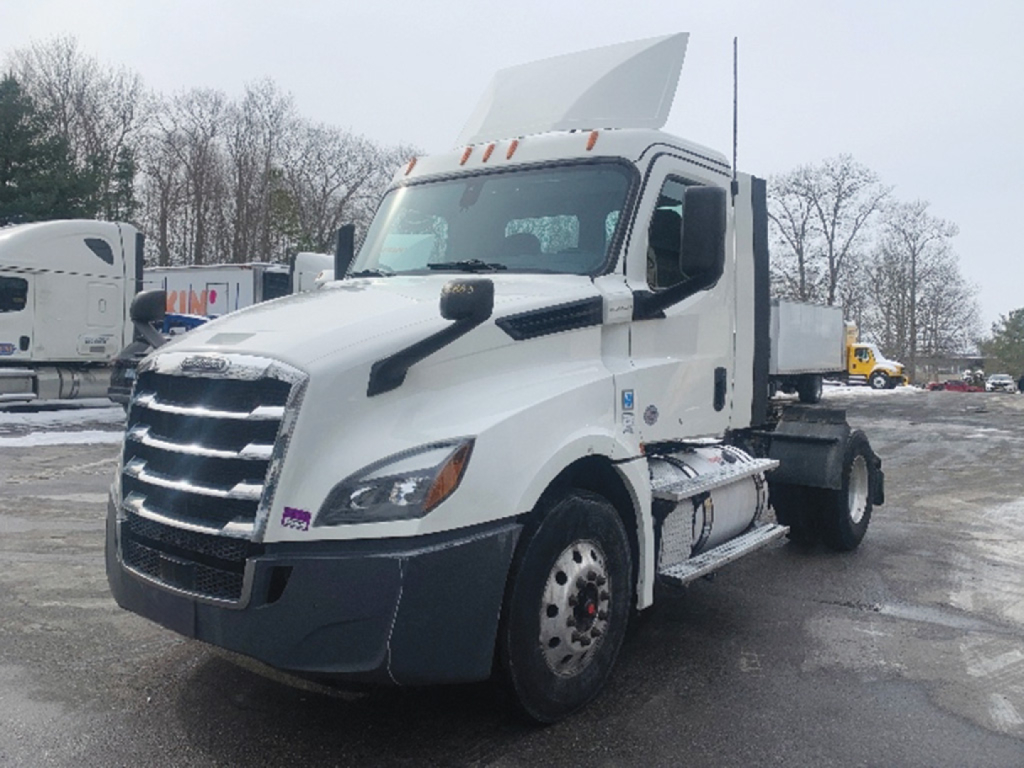
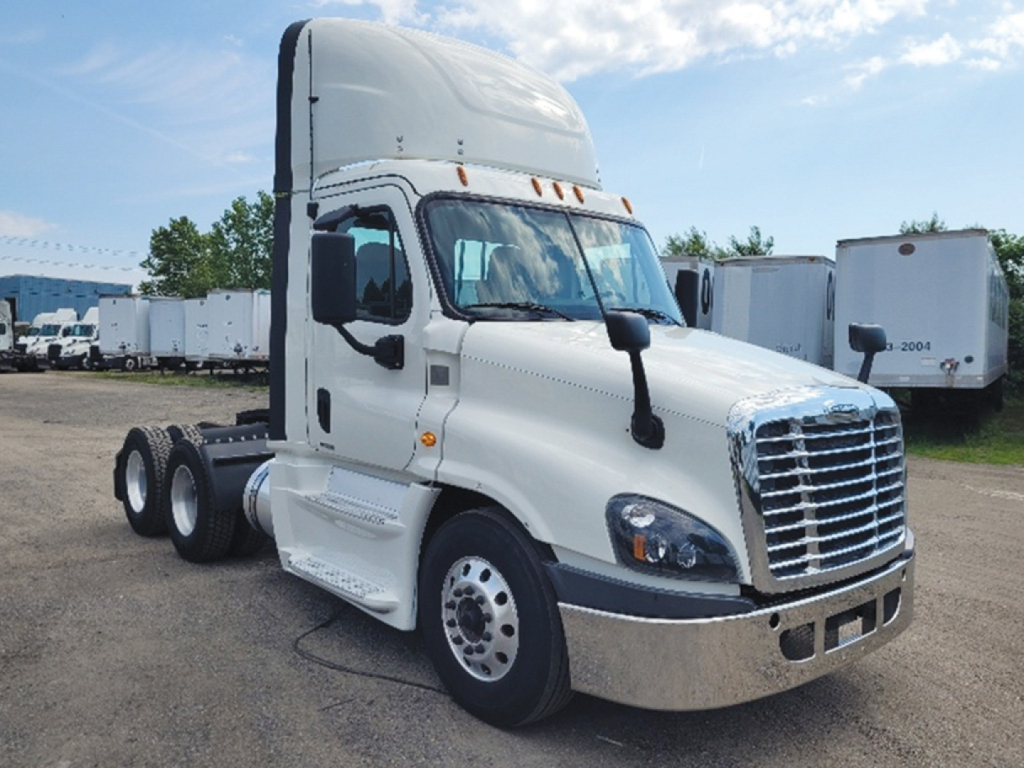
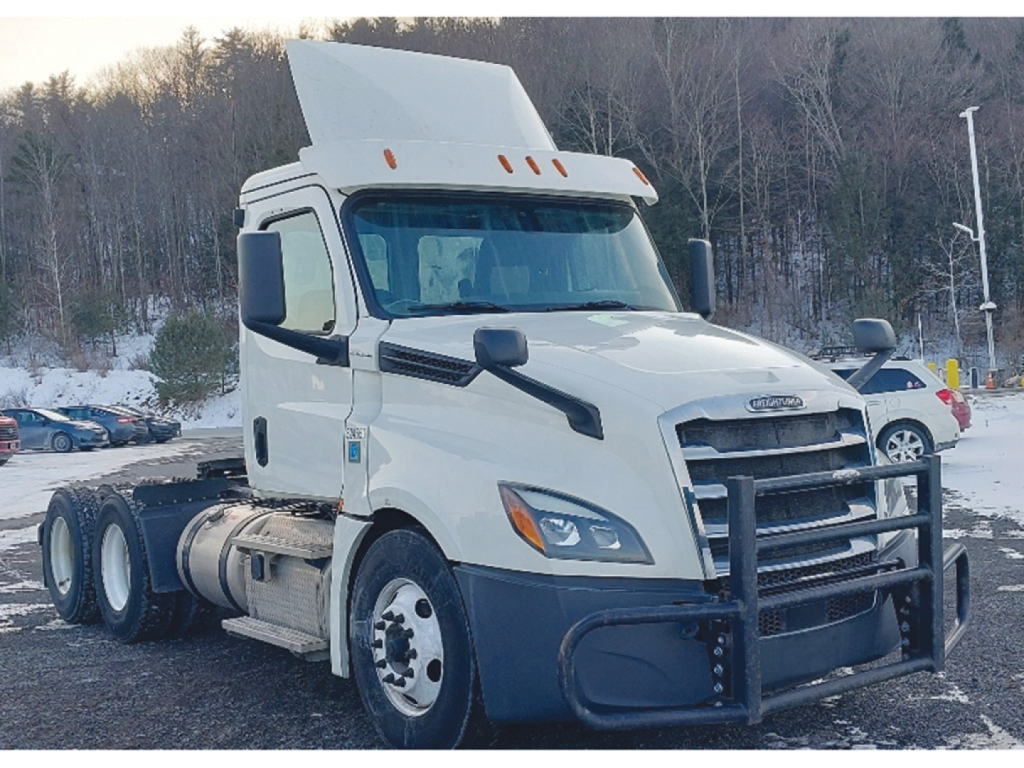
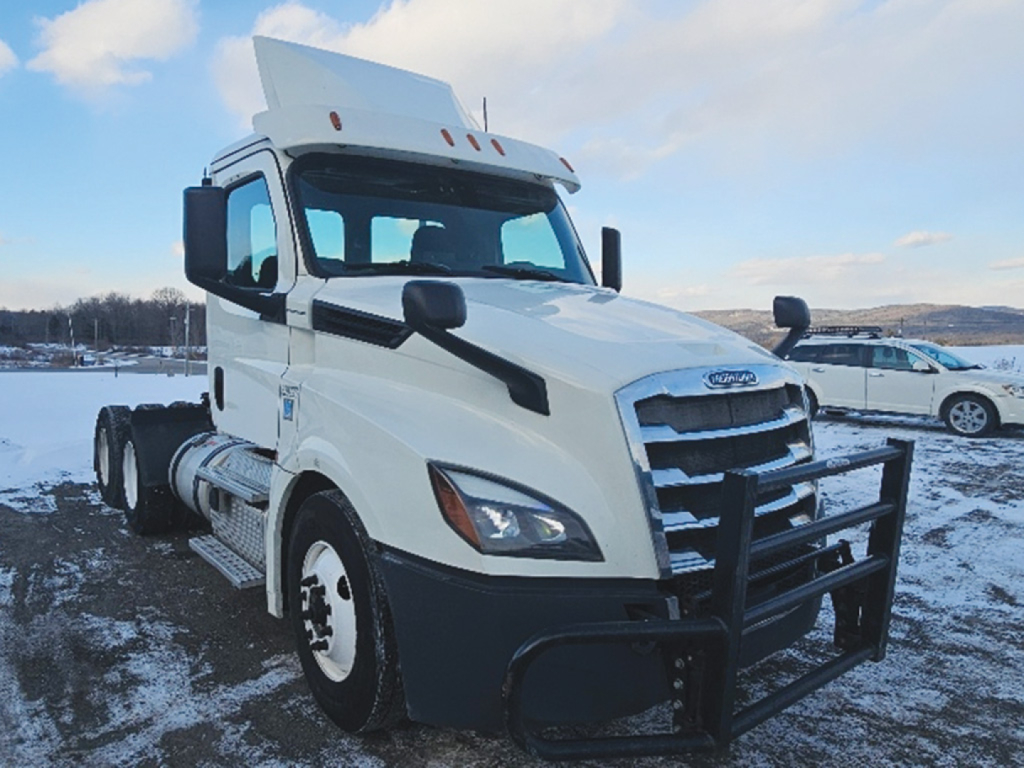
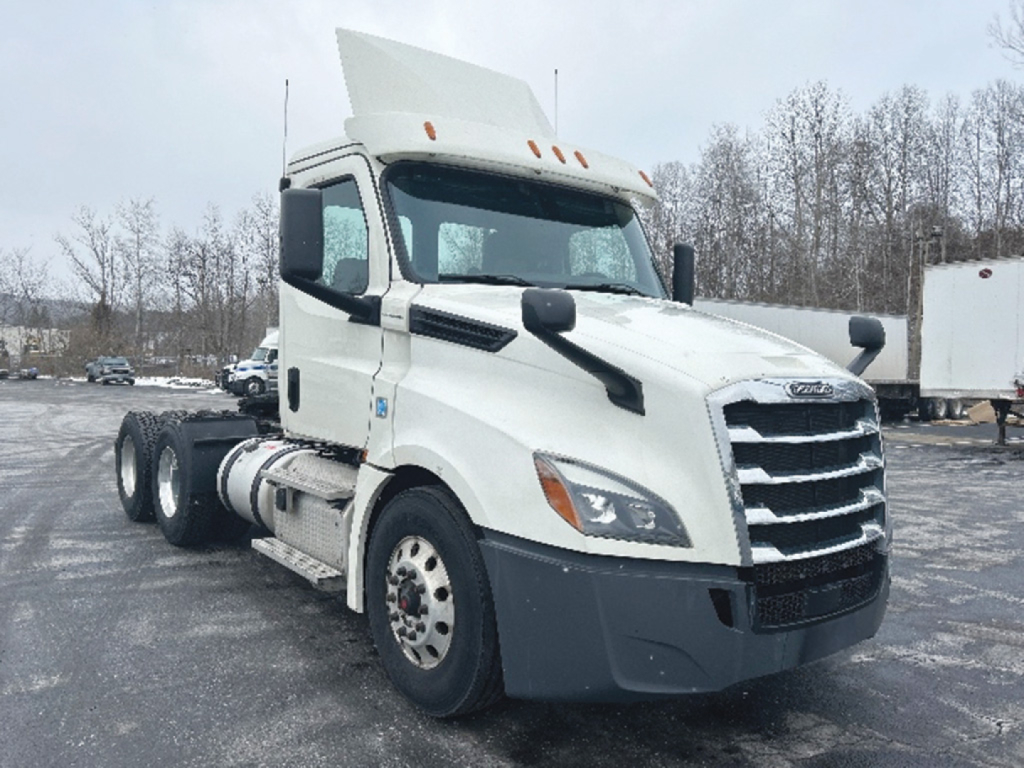
Have 2019 freightliner conventional daycab truck to sell? List it here to reach thousands of buyers.
About 2019 Freightliner Conventional Daycab Trucks in New York
The first buying decision is usually engine, transmission, and rear ratio. A 2019 Freightliner daycab commonly carries a Detroit DD13 in the 410 to 450 hp range, often paired with a DT12 automated manual or a 10-speed manual. For stop-and-go regional work, the DT12 appeals to fleets looking to reduce driver fatigue and improve shift consistency. For buyers with driver preference for traditional spec, a manual transmission can still be attractive in vocational pull or mixed-use service. Rear axle ratios such as 3.08 or 3.23 are common for balancing launch performance with fuel economy, while higher ratios may make more sense for heavier loads, hillier routes, or frequent low-speed operation.
Chassis details matter just as much as horsepower. Check wheelbase against the trailer type and turning environment you expect to run. Many conventional daycabs fall in the mid-150 inch to mid-180 inch range, with 12,000 lb front axles and rear axles rated from 23,000 lb on lighter specs up to 40,000 lb on road tractor setups. Suspension is often Freightliner's AirLiner air ride, and buyers should pay attention to tire size, brake type, and 5th wheel arrangement. An air slide 5th wheel gives more flexibility for kingpin settings and trailer balance, while a stationary 5th wheel can be fine for dedicated lanes and consistent trailer specs. Air disc brakes, aluminum wheels, and dual fuel tanks are common upgrades that can improve stopping performance, reduce weight, or extend operating range.
A used 2019 Freightliner daycab should be evaluated like a working revenue asset, not just a cab and chassis. Review engine hours against odometer miles, look for aftertreatment history on the DEF system and one-box components, inspect suspension wear, and confirm whether the truck has a single frame, frame modifications, or added equipment like a pintle hook. Cab condition also matters more than many buyers think, because daycabs see frequent entry and exit and a lot of urban duty cycles. Freightliner remains a strong choice in this category because parts support is broad, Detroit powertrain service is widely available, and the Cascadia platform is familiar to most technicians and drivers. For buyers comparing multiple listings, the best truck is usually the one with the clearest maintenance history, the right wheelbase and axle spec, and a drivetrain matched to the actual route profile.
Frequently Asked Questions
What is a 2019 Freightliner conventional daycab best used for?
A 2019 Freightliner conventional daycab is best suited for regional haul, port work, local freight, LTL routes, dedicated trailer shuttles, and other operations where the truck returns regularly and does not need sleeper space. Its shorter cab configuration reduces empty weight and improves maneuverability compared with a sleeper tractor. That makes it especially useful in tighter urban markets, distribution centers, and Northeast corridors where turning room and overall length matter.
What engine and transmission are common in a 2019 Freightliner daycab?
The most common setup is a Detroit DD13 diesel engine, typically rated around 410 to 450 horsepower, paired with either a Detroit DT12 automated manual or a 10-speed manual transmission. The DD13 is popular because it delivers a good balance of fuel economy, serviceability, and power for regional freight. Transmission choice usually comes down to operation style, driver preference, and whether the truck will spend more time in stop-and-go traffic or steady highway service.
What wheelbase should I look for in a conventional daycab?
The right wheelbase depends on trailer swing clearance, axle spread requirements, kingpin setting, and the type of work the truck will do. Shorter wheelbases are easier to maneuver in city service, crowded yards, and tight docks. Longer wheelbases can improve ride quality, fuel tank capacity, and compatibility with certain trailer setups. Buyers should match wheelbase to the trailer dimensions and turning conditions they expect rather than treating longer or shorter as automatically better.
Is an air slide 5th wheel better than a stationary 5th wheel on a daycab?
An air slide 5th wheel offers more flexibility because it allows the coupling position to move for weight distribution, kingpin setting adjustment, and different trailer combinations. That flexibility is useful for carriers handling mixed trailer lengths or varying payloads. A stationary 5th wheel is simpler and can work well in dedicated service where the same trailer style is used repeatedly. The better choice depends on whether the truck will run a fixed application or a changing trailer pool.
What should I inspect first on a used 2019 Freightliner daycab?
Start with maintenance records, engine hours, odometer reading, aftertreatment history, and any active fault codes. On a 2019 truck, emissions-related components such as the DEF system, one-box assembly, sensors, and EGR hardware deserve close attention because repair costs can be significant. After that, inspect suspension components, brake condition, tire wear patterns, frame rails, cab mounts, and the 5th wheel assembly. A clean service history and a drivetrain spec that matches the job usually matter more than cosmetic appearance alone.