
2017 Freightliner Conventional Daycab Trucks For Sale in New York
Shop 2017 Freightliner conventional daycab trucks in New York. Learn key Cascadia specs, drivetrain options, axle ratings, and buyer checks.
Learn more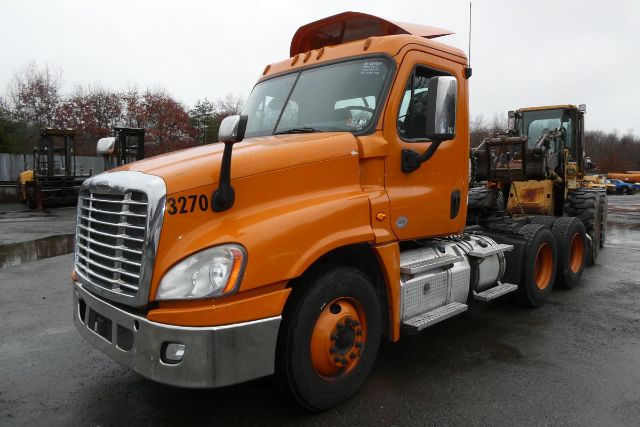
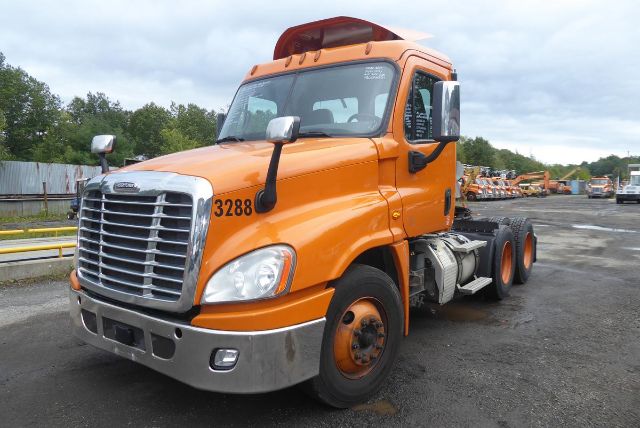
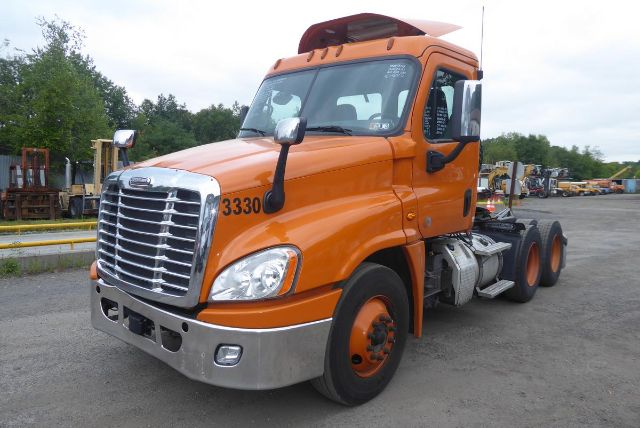
Showing 13 to 18 of 18 results
Have 2017 freightliner conventional daycab truck to sell? List it here to reach thousands of buyers.
About 2017 Freightliner Conventional Daycab Trucks in New York
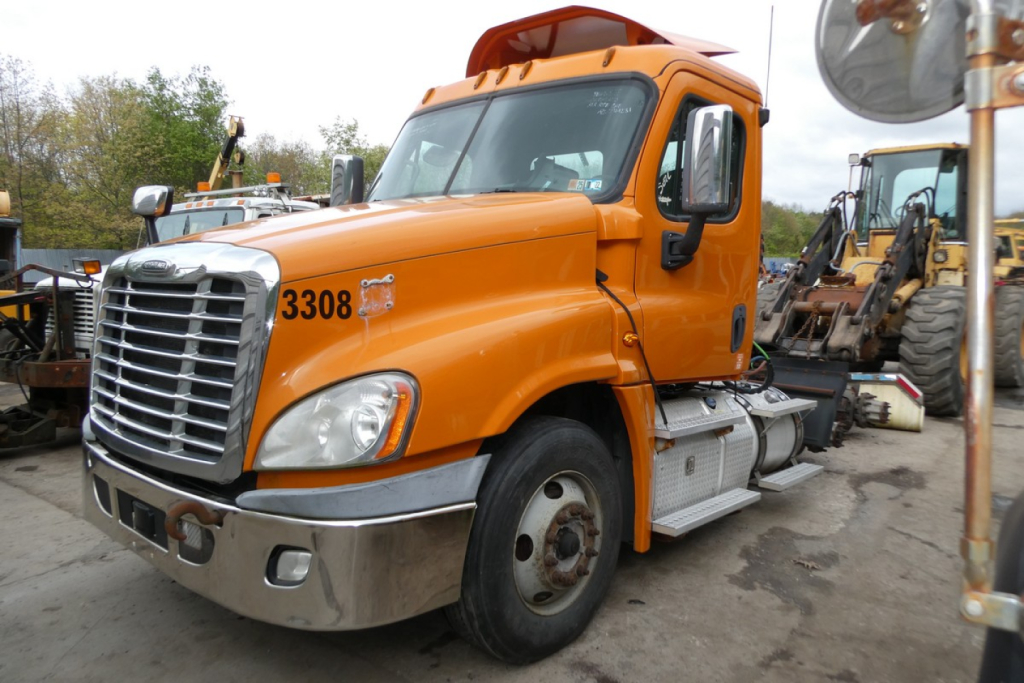
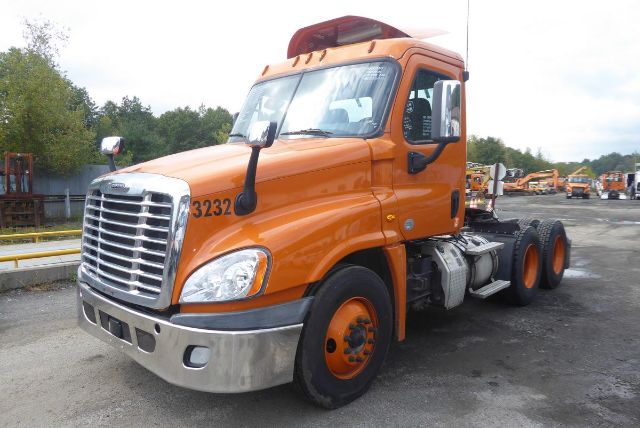
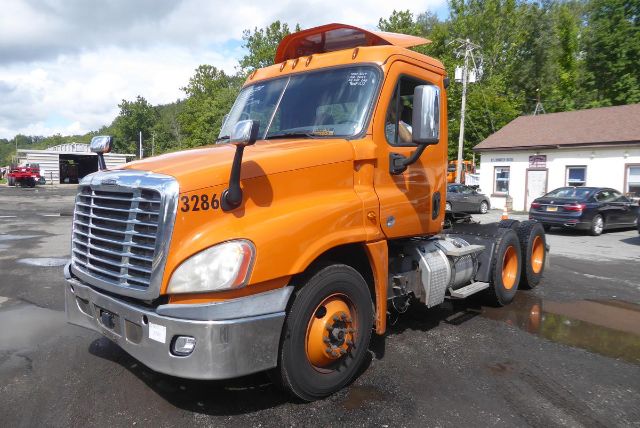
The specs that matter most on a used 2017 Freightliner daycab are engine rating, transmission type, rear axle capacity, suspension, and wheelbase. Many trucks in this class carry a 12,000-lb front axle and either a 40,000-lb tandem rear with Meritor MT40-series components or a lighter rear setup for lower-GVW applications. Common ratios such as 3.08 favor highway and regional fuel economy, especially when paired with a DT12 automated transmission, while a steeper ratio may fit tighter routes or heavier start-and-stop service better. Airliner rear suspension, air slide fifth wheels, and air disc brakes are common on late-model Cascadias and can be a real advantage for ride quality, braking performance, and trailer-matching flexibility.
For New York buyers, regional operating conditions make chassis condition especially important. A daycab that has spent time in the Northeast should be checked closely for frame corrosion, crossmember condition, brake and air system wear, wiring repairs, and fifth wheel maintenance. On emissions-equipped 2017 trucks, confirm DEF system health, aftertreatment service history, fault codes, and whether the one-box and related components are intact and functioning properly. If the truck is equipped with a DD13, look at engine hours alongside odometer readings to understand idle time, since a local-route truck can show wear patterns that differ from a linehaul unit with similar miles.
Cab layout and dimensions also affect how useful a conventional daycab will be in your operation. Wheelbases around the low- to mid-170-inch range are common and usually provide a good compromise between trailer clearance and maneuverability. Cab-to-axle and cab-to-end measurements matter if you plan to add equipment, convert the chassis, or run in tight yards and urban docks. Buyers comparing 2017 Freightliner daycabs should focus less on cosmetic condition and more on drivetrain match, emissions integrity, service records, brake spec, and whether the truck's axle and suspension package fits the weight and route profile it will actually run.
Frequently Asked Questions
What engine and transmission are most common in a 2017 Freightliner conventional daycab?
The most common setup is a Detroit DD13 engine paired with either a Detroit DT12 automated manual transmission or a 10-speed manual. The DD13 is widely used in regional and local haul applications because it offers a strong balance of horsepower, torque, fuel economy, and service support. The DT12 is especially common in fleet-spec Cascadias and is valued for consistent shifting and reduced driver fatigue in stop-and-go work.
Is a 2017 Freightliner daycab a good fit for local and regional hauling?
Yes. A 2017 Freightliner conventional daycab is typically well suited for regional freight, drayage, dedicated routes, and other operations where overnight sleeper space is not needed. The shorter overall chassis helps with maneuverability, and common specs like 12,000-lb front axles, tandem rears, and air ride suspension make these trucks adaptable to dry van, reefer, container, and some heavier trailer applications.
What should I inspect first on a used 2017 Freightliner daycab?
Start with the emissions system, fault codes, engine hours, transmission operation, and overall chassis condition. On a 2017 model, aftertreatment health is a major cost factor, so confirm DEF system performance and review any warning lights or recent repairs. Also inspect frame rust, suspension wear, air disc or drum brake condition, tire wear patterns, fifth wheel movement, and signs of electrical issues in the dash or transmission controls.
What axle ratio is common on these trucks, and why does it matter?
A 3.08 rear axle ratio is a common spec on 2017 Freightliner daycabs, especially in fuel-conscious regional applications. This ratio helps keep engine rpm lower at road speed, which can improve fuel economy when matched to the right transmission and tire size. Buyers hauling heavier loads in tighter terrain or frequent stop-and-go service may prefer a different ratio if launch performance and low-speed pulling power matter more than highway efficiency.
Do air disc brakes add value on a 2017 Freightliner conventional daycab?
Yes, many buyers see air disc brakes as a meaningful advantage on a used daycab. They generally provide stronger, more consistent braking performance, good fade resistance, and easier inspection access than traditional drum setups. The main consideration is maintenance history and component cost, so it is important to inspect rotor and caliper condition and confirm the system has been serviced correctly.