
2006 Freightliner Conventional Daycab Trucks For Sale
Shop 2006 Freightliner conventional daycab trucks. Compare wheelbase, axle ratings, engine options, transmission, and local haul specs.
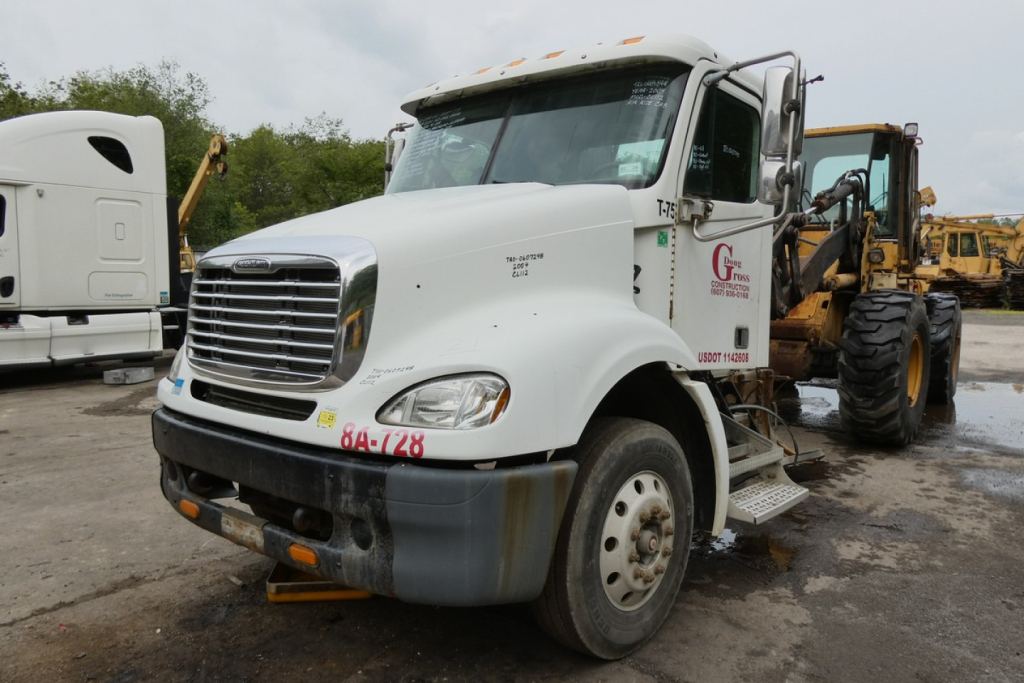
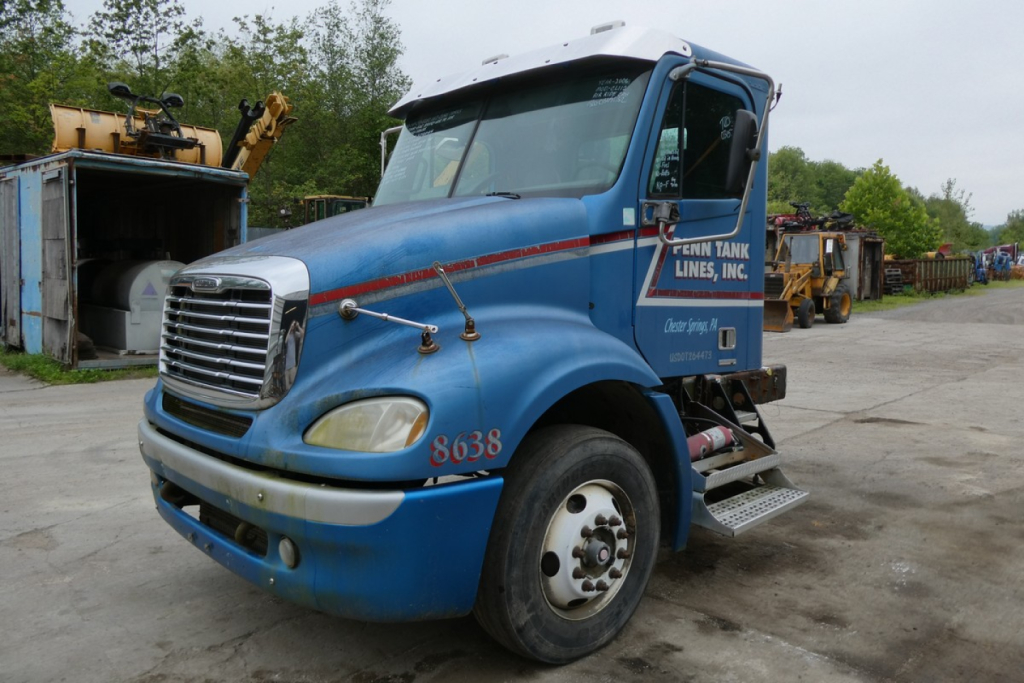

Have 2006 freightliner conventional daycab truck to sell? List it here to reach thousands of buyers.
2006 Freightliner Conventional Daycab Trucks
The biggest buying decision is usually the powertrain. A 2006 Freightliner daycab may be spec'd with Detroit Diesel, Caterpillar, Mercedes-Benz, or Cummins engines depending on the model and original application, often paired with Eaton-Fuller manual transmissions, automated manuals, or Allison automatics in certain vocational setups. Horsepower and torque should be matched to route profile and payload, but rear axle ratio matters just as much. A truck with a faster ratio can be efficient for highway shuttle work, while a deeper ratio may make more sense for heavier starts, city service, or hilly terrain. Buyers should also compare front axle ratings, rear axle capacity, suspension type, and wheelbase because these directly affect bridge law flexibility, turning radius, and trailer compatibility.
On a used 2006 unit, condition is more important than badge loyalty. Pay close attention to frame condition, crossmembers, fifth wheel wear, kingpin plate contact pattern, suspension bushings, air system leaks, brake type, and tire wear across both steer and drive positions. Cab rust, wiring repairs, HVAC function, and signs of hard fleet use can tell you a lot about remaining service life. If the truck has air ride suspension, verify ride height and bag condition. If it has a sliding fifth wheel, confirm rail wear and locking operation. Service records, ECM data, engine hours, and evidence of emissions or cooling system work are especially valuable when comparing similar 2006 Freightliner daycabs.
Freightliner daycabs from this era remain popular because parts support is broad, many technicians know the platform well, and spec choices are wide enough to fit both general freight and specialized operations. A short wheelbase single-purpose yard or city tractor will buy differently than a tandem axle road tractor set up for 53-foot trailers. The best match comes from comparing axle spread, cab-to-axle or cab-to-end dimensions, fuel capacity, brake setup, and intended trailer swing clearance, not just engine rating or odometer alone.
Frequently Asked Questions about 2006 Freightliner Conventional Daycab Trucks
What is a 2006 Freightliner conventional daycab best used for?
A 2006 Freightliner conventional daycab is best suited for regional hauling, local freight, port drayage, dedicated shuttle lanes, and vocational tractor work that does not require overnight accommodations. Its non-sleeper cab reduces weight and overall length, which can improve maneuverability in tighter yards, urban routes, and frequent drop-and-hook operations.
What specs matter most when buying a used Freightliner daycab?
The most important specs are engine model, transmission type, rear axle ratio, wheelbase, axle ratings, suspension, and fifth wheel setup. Those items determine how the truck will pull, turn, scale, and match to your trailer mix. On a 2006 model, buyers should also weigh service history, ECM miles and hours, frame condition, and brake and suspension wear just as heavily as the published spec sheet.
Are 2006 Freightliner daycabs good for local and regional fleets?
Yes, many 2006 Freightliner daycabs are still practical for local and regional fleets when they have been maintained correctly and spec'd appropriately for the work. They are especially common in operations that value straightforward mechanical layouts, broad parts availability, and easier serviceability. The key is verifying that the truck's axle ratio, wheelbase, and driveline match the route and payload demands.
How do wheelbase and fifth wheel position affect a daycab tractor?
Wheelbase and fifth wheel position affect turning radius, bridge compliance, ride quality, and trailer clearance behind the cab. A shorter wheelbase can improve maneuverability for city and terminal work, while a longer wheelbase may track better on the highway and offer more flexibility with deck plate, fuel tank, and frame-mounted equipment space. Fifth wheel location also influences steer axle loading and how the tractor balances different trailer types.
What should buyers inspect first on a 2006 Freightliner conventional daycab?
Start with the frame, drivetrain, suspension, brakes, and air system because those areas determine the truck's immediate usability and repair exposure. Then inspect the fifth wheel, steering components, tire wear patterns, cab mounts, electrical system, and cooling system. A strong inspection should also include checking for oil or coolant contamination, excessive blow-by, active fault codes, and signs of previous collision or corrosion damage.