
2027 Conventional Daycab Trucks For Sale in Texas
Shop 2027 conventional daycab trucks for sale in Texas. Compare specs, axle setups, wheelbases, engine ratings, and vocational applications.
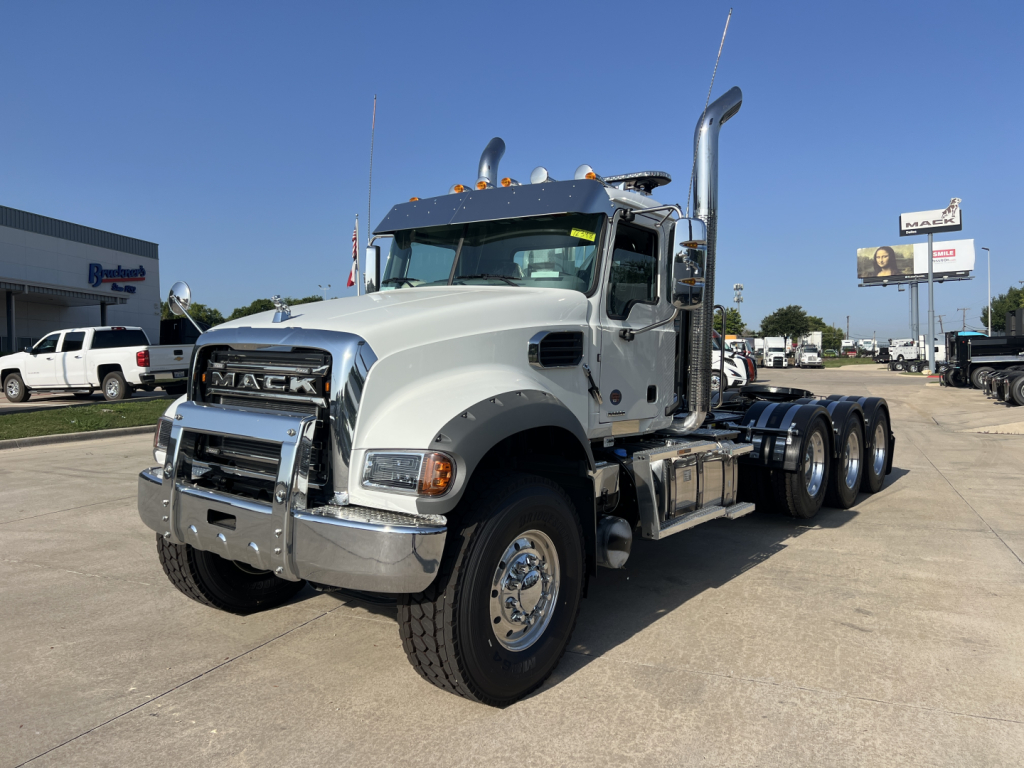
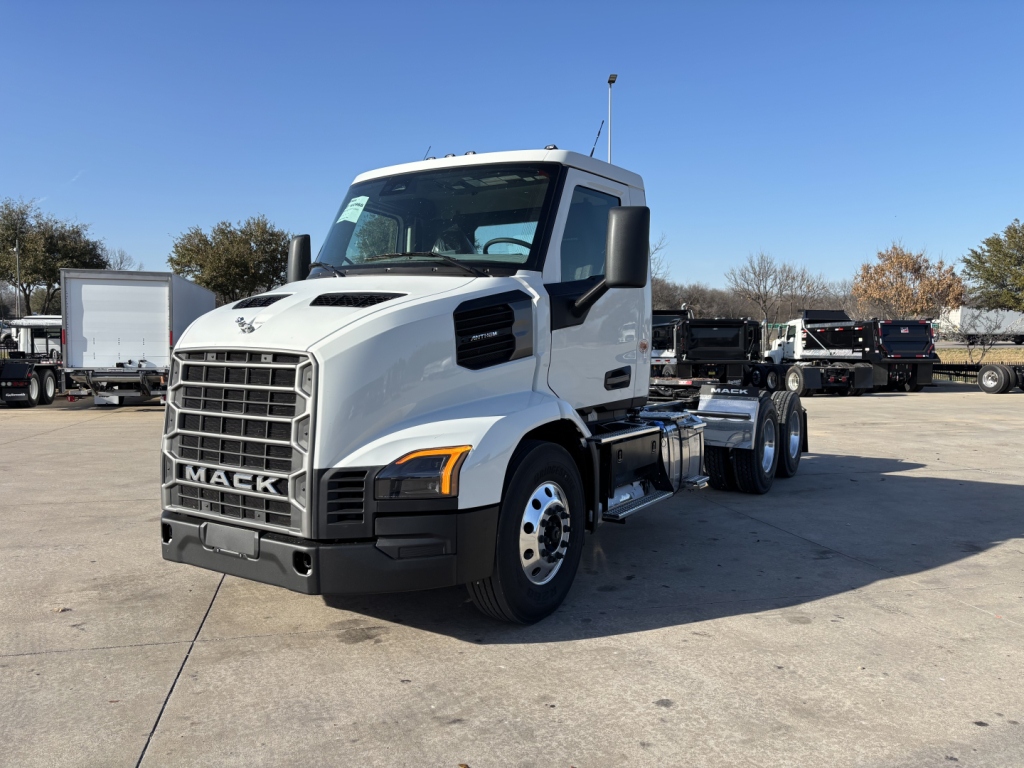
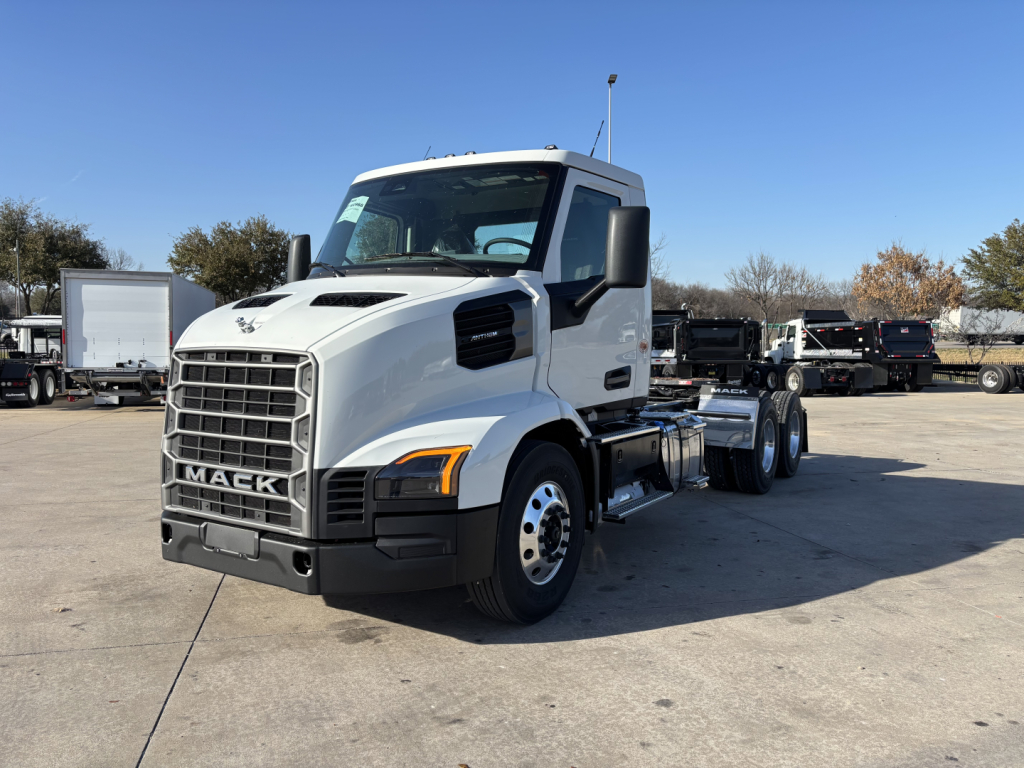
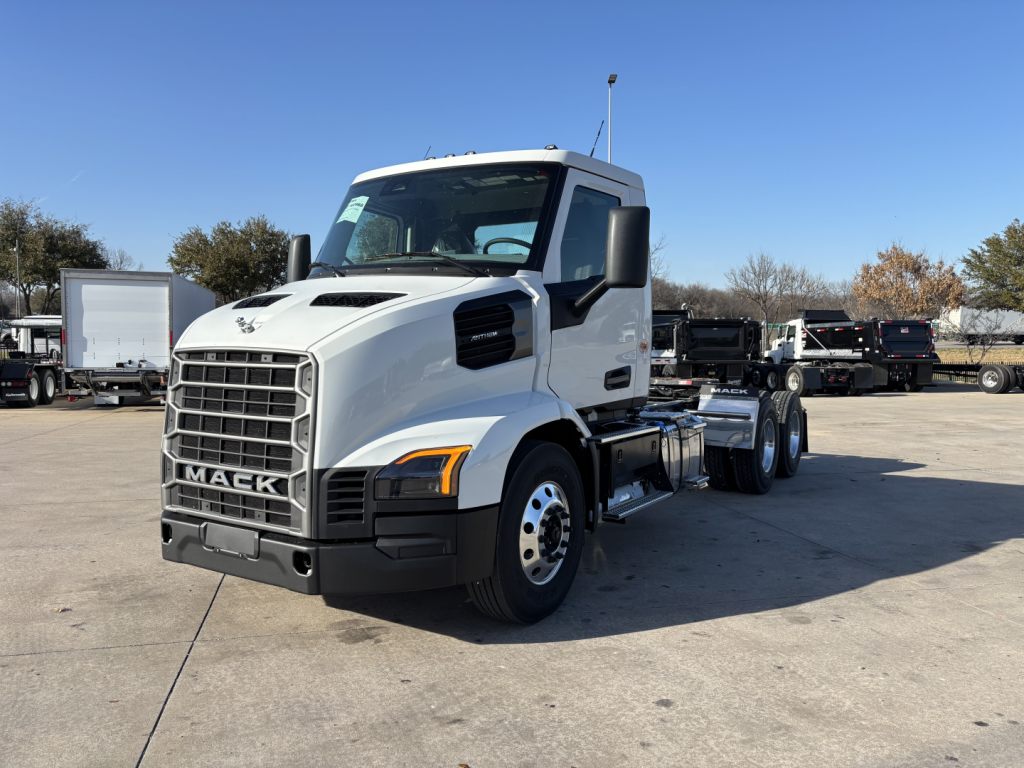
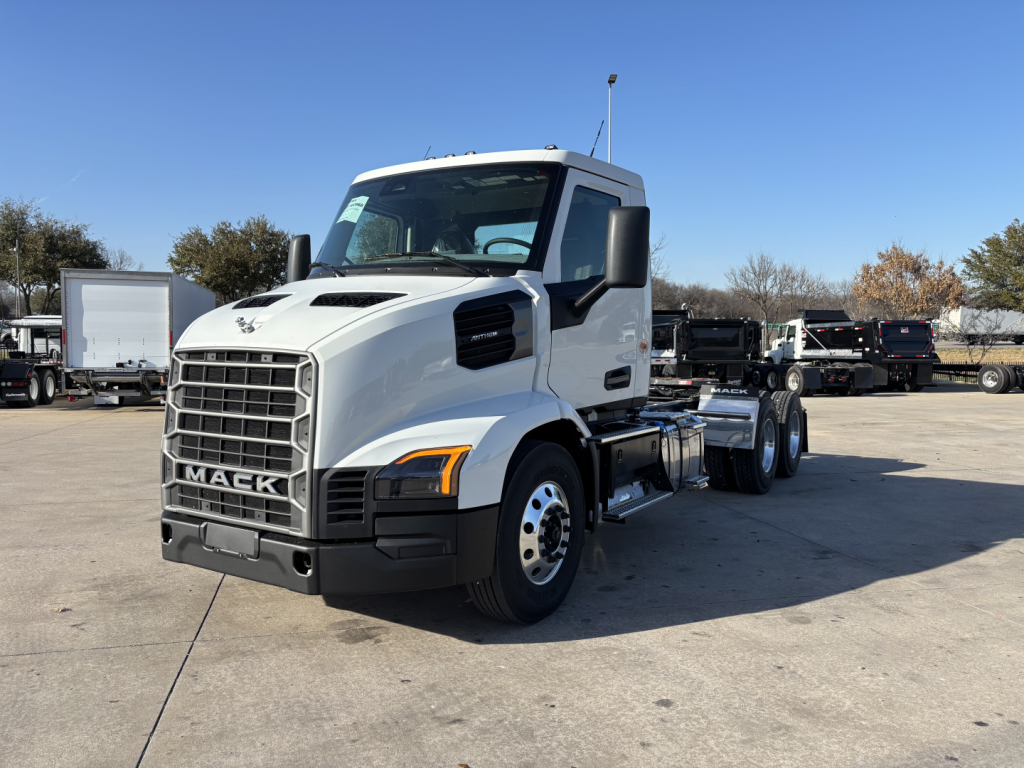
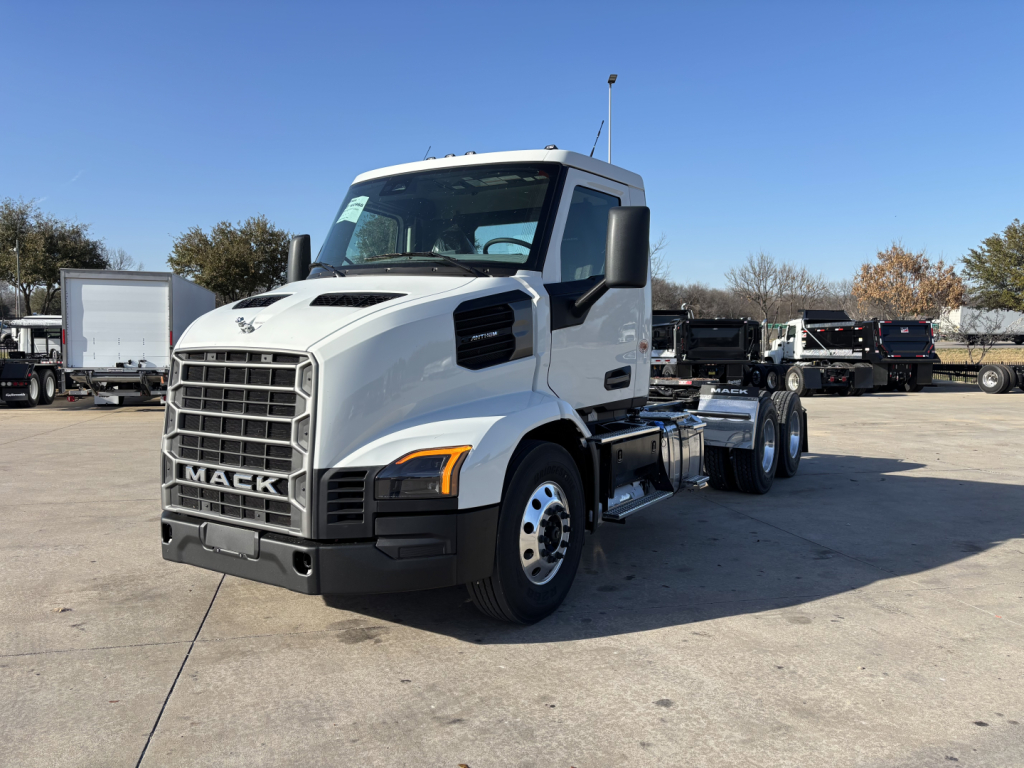
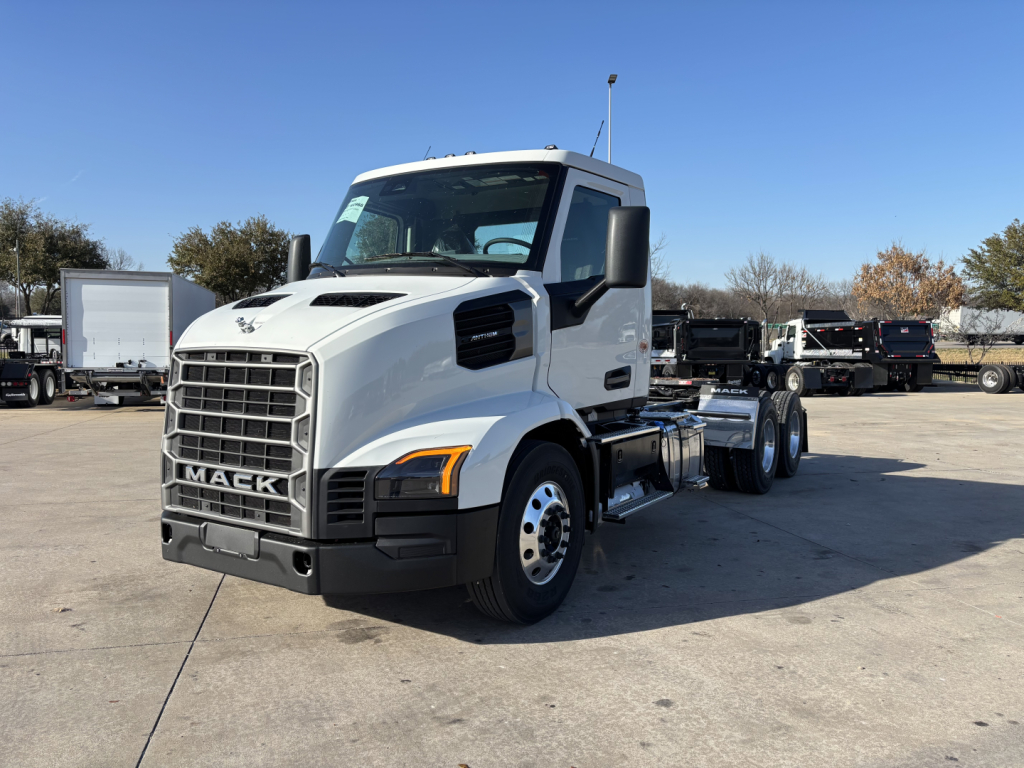
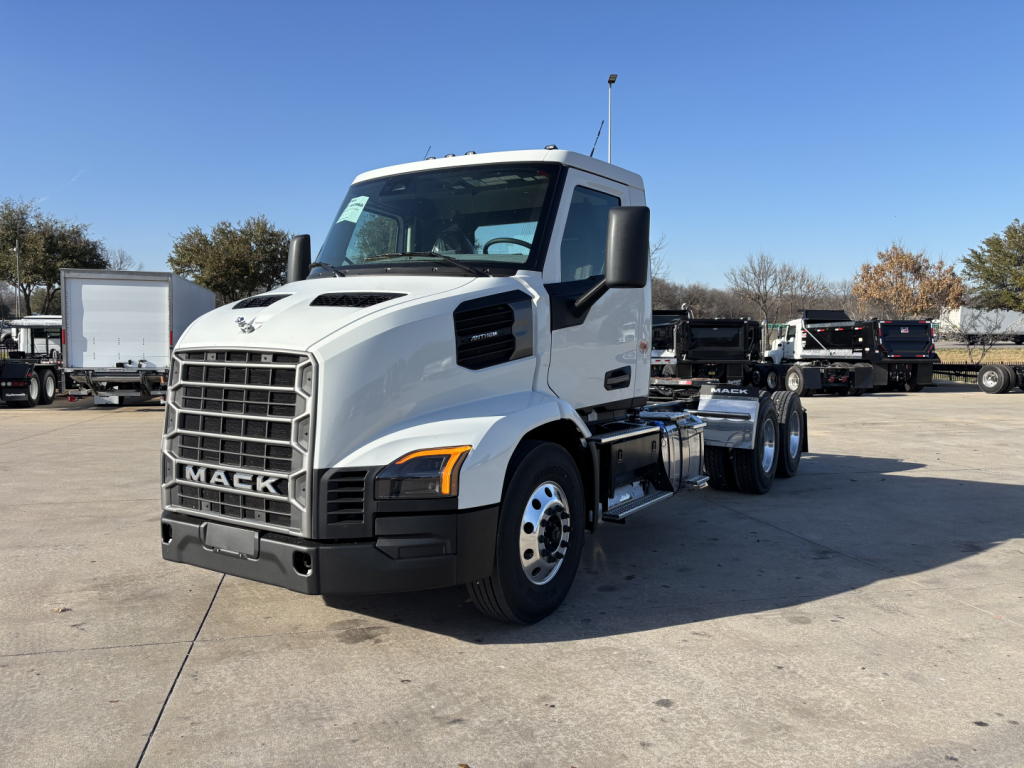
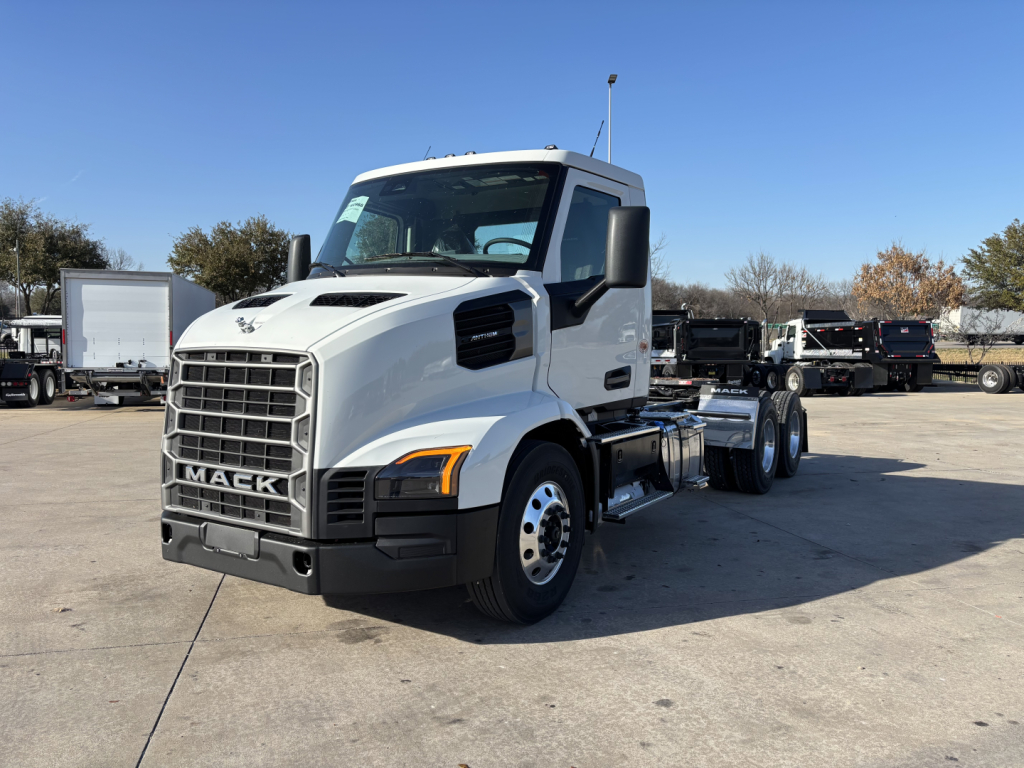
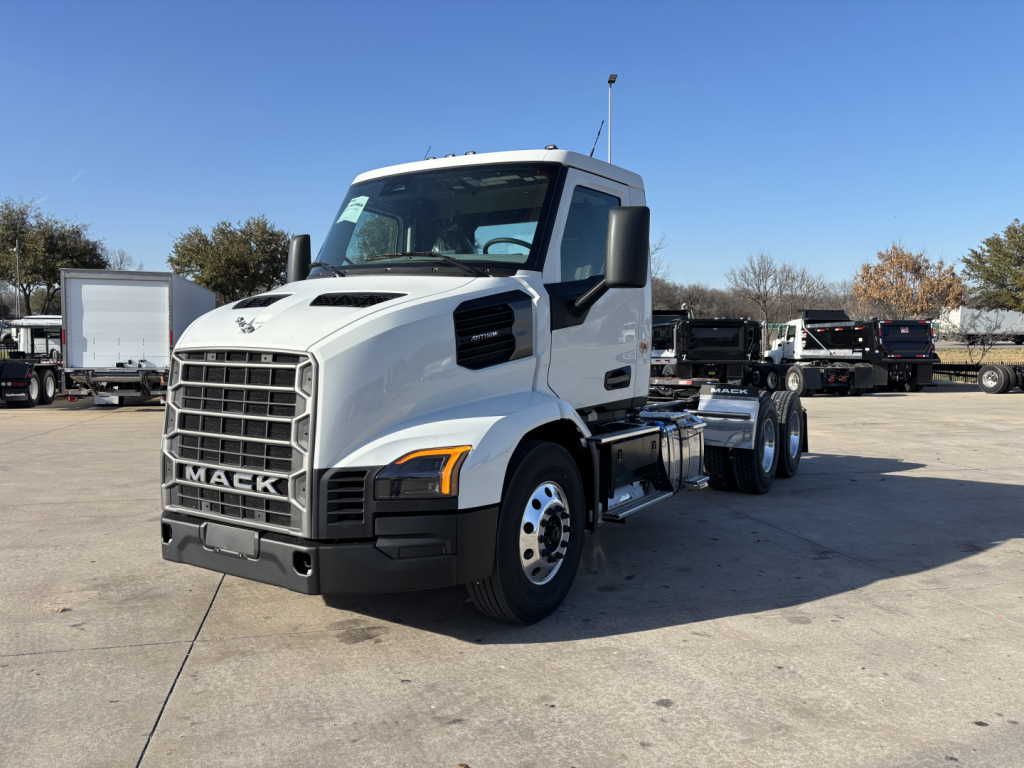
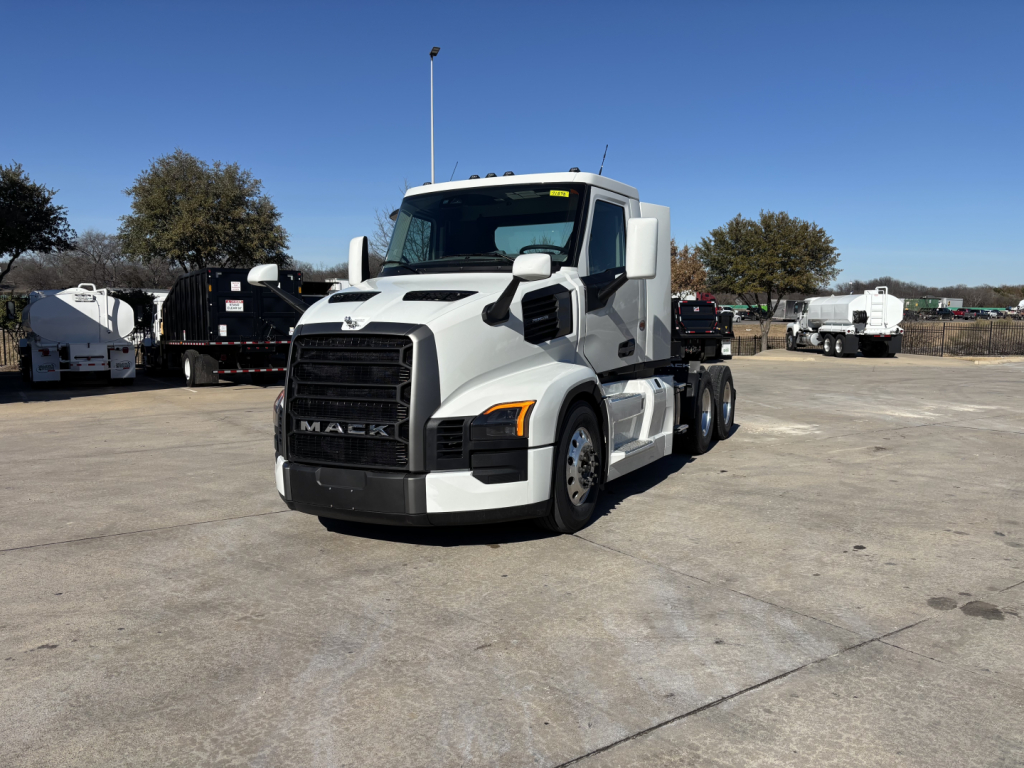
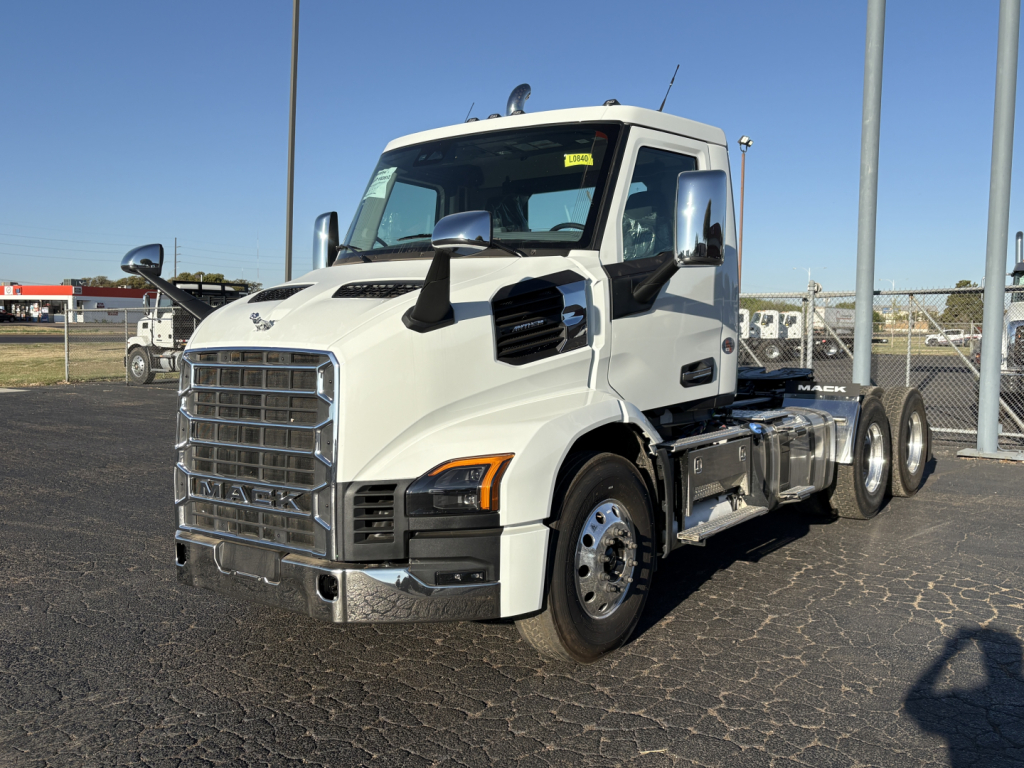
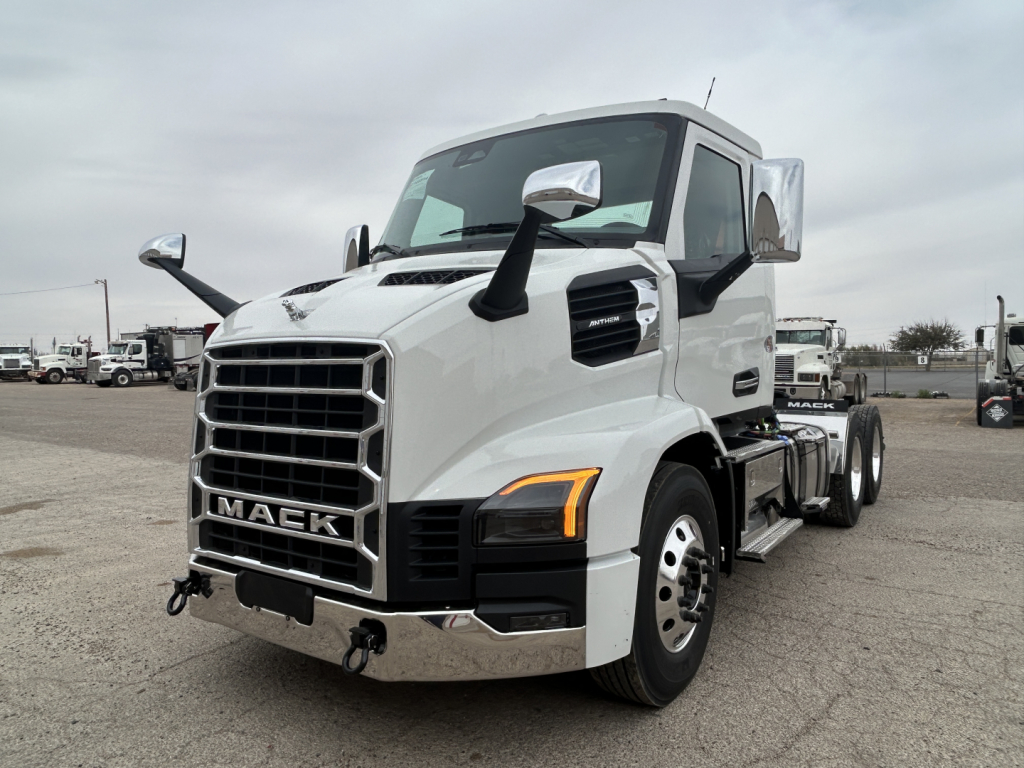
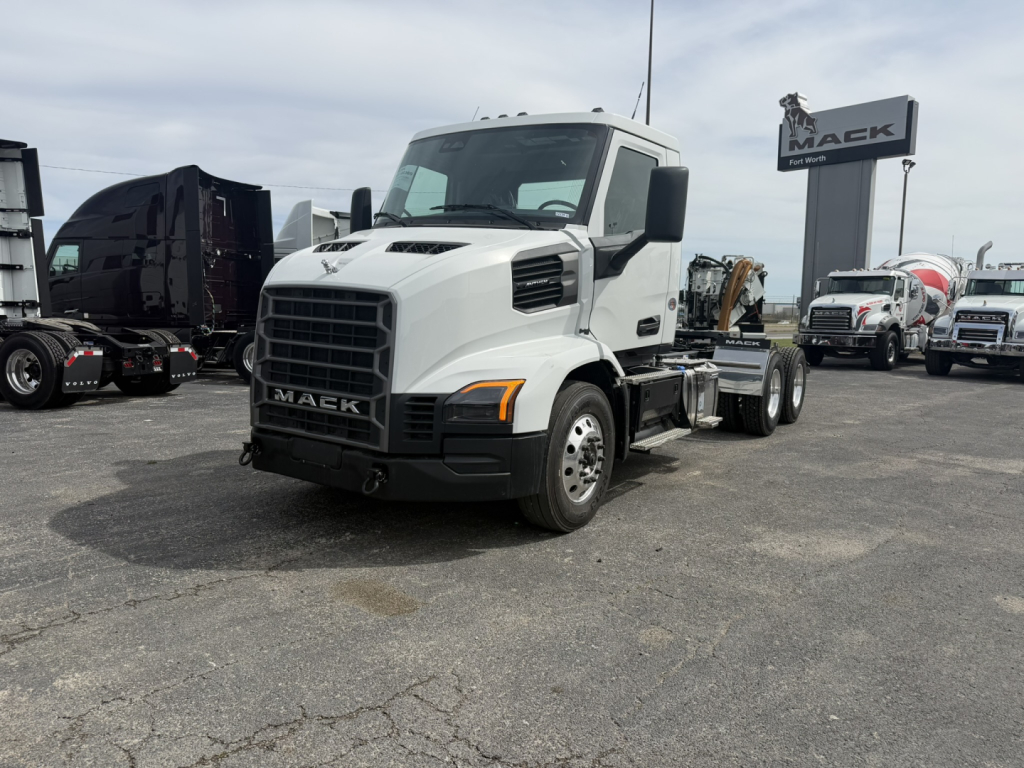
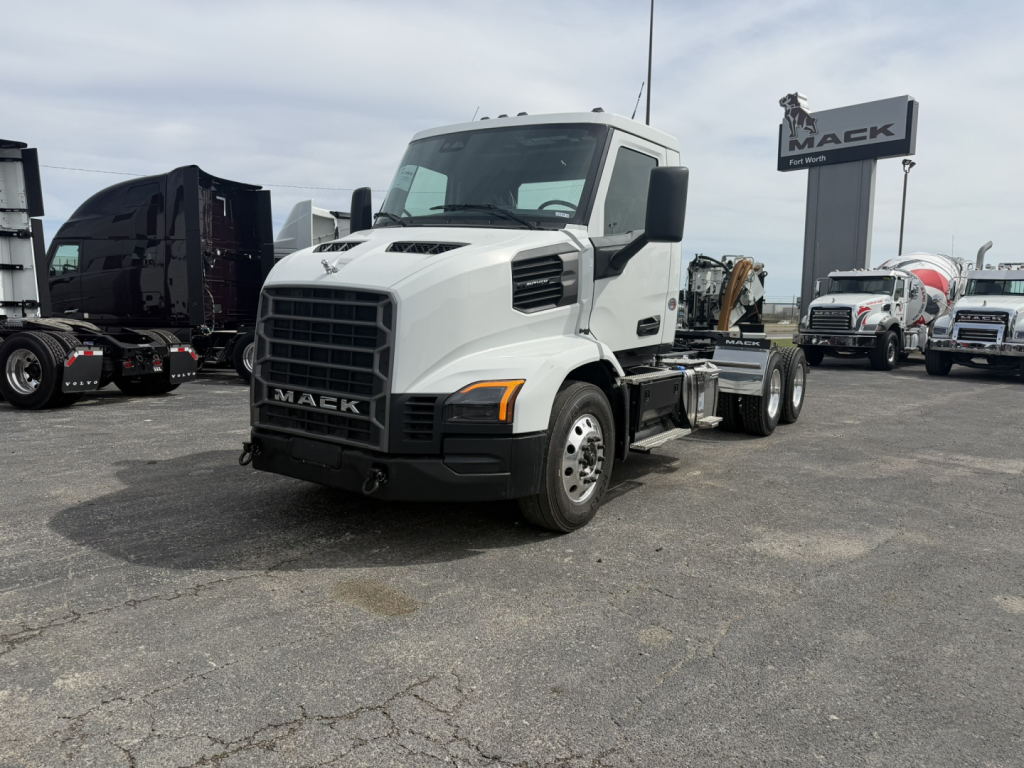
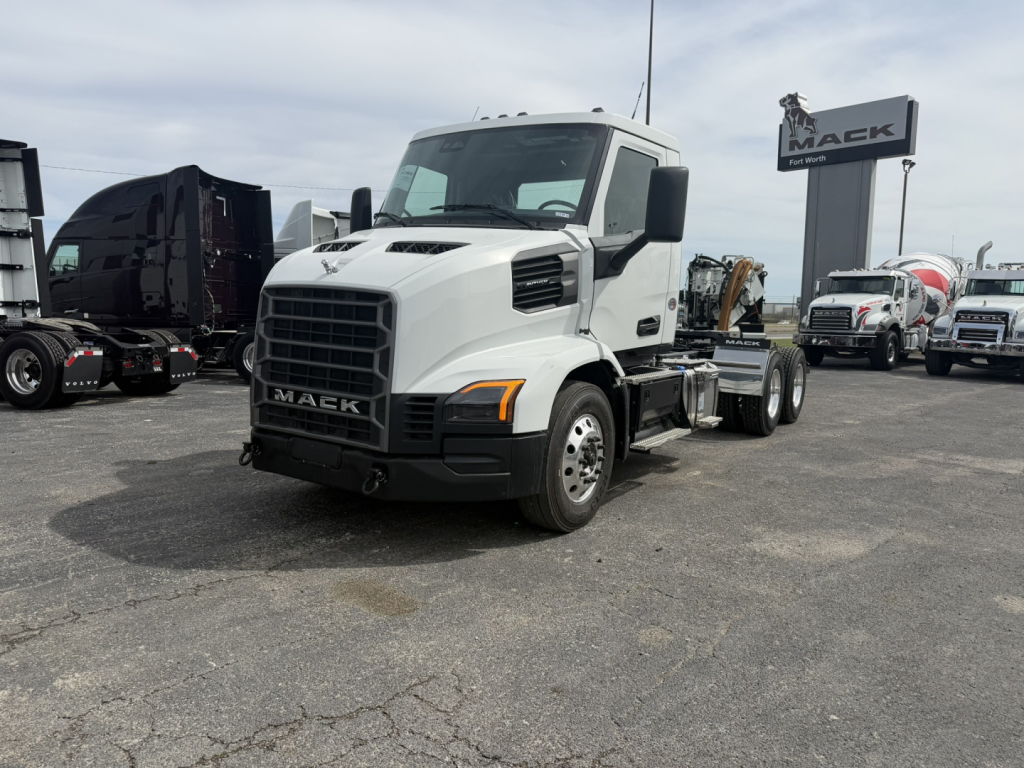
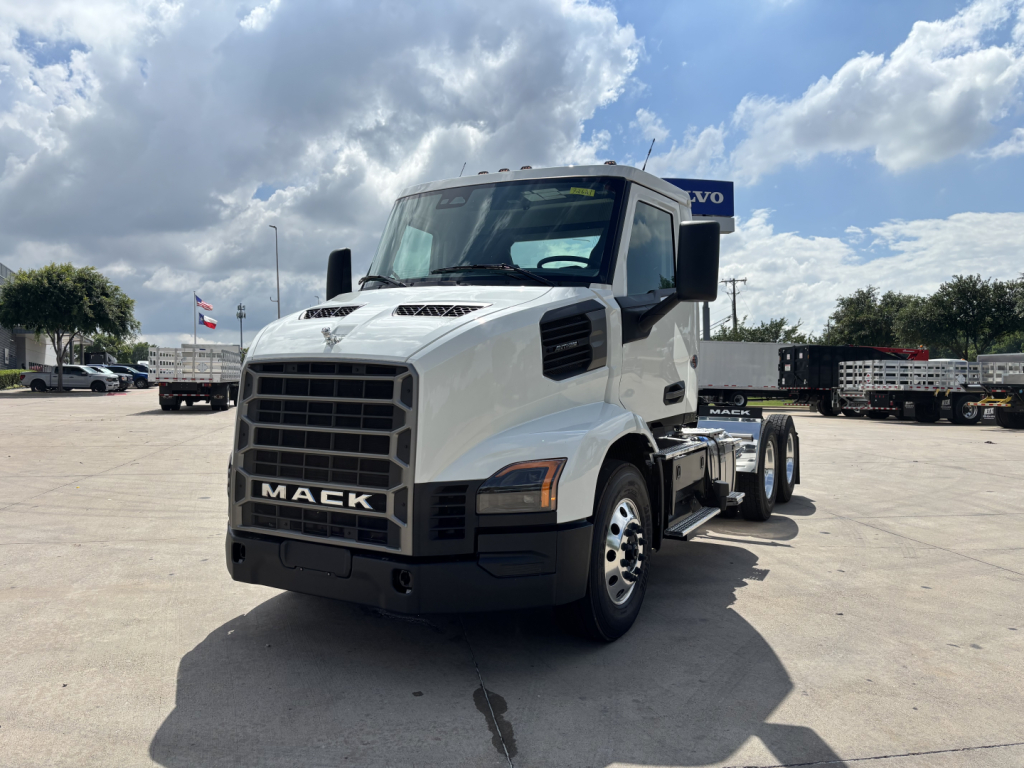
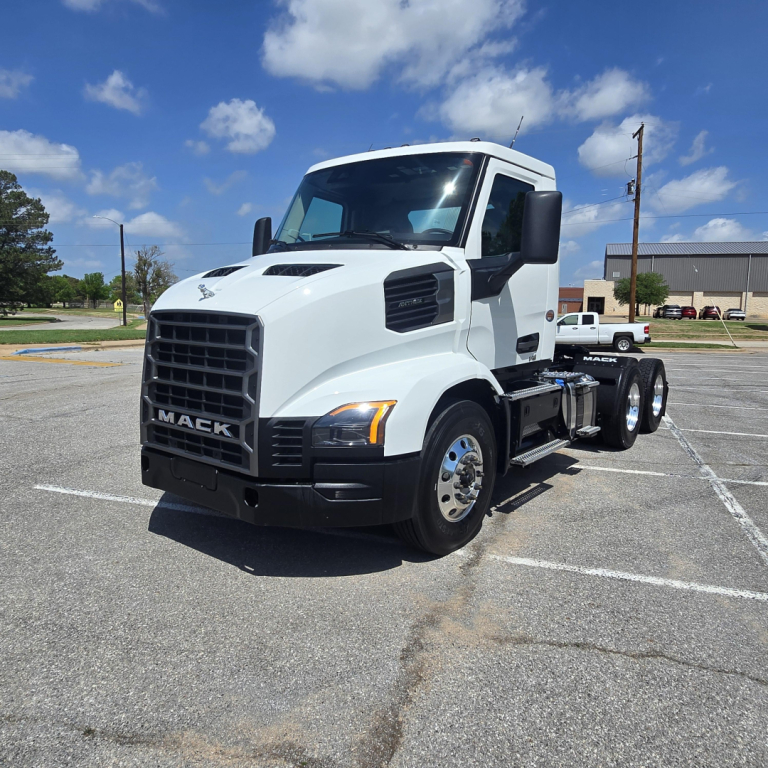

Showing 1 to 24 of 29 results
Have 2027 conventional daycab truck to sell? List it here to reach thousands of buyers.
2027 Conventional Daycab Trucks in Texas
The biggest buying decisions usually come down to powertrain and chassis layout. Current conventional daycabs commonly use diesel engines in the 350 to 500 horsepower range, paired with automated manual transmissions or traditional manuals depending on fleet preference and driver familiarity. Tandem axle daycabs are common for general freight and heavier regional pulls, while single axle versions make sense for lighter payloads and tighter urban work. Wheelbase matters more than many first-time buyers expect because it affects bridge law flexibility, trailer swing clearance, turning radius, and how the truck handles weight transfer on the fifth wheel. A buyer comparing late-model Mack, Volvo, International, Western Star, and similar platforms should also look closely at rear axle ratio, front axle capacity, and suspension design because those choices shape fuel economy, launch performance, and ride quality.
For Texas operations, durability and serviceability carry real weight. A good daycab spec often includes an engine brake, collision mitigation, air ride cab, power windows and locks, and a driver-focused interior that reduces fatigue over repeated daily runs. Fuel capacity can vary widely, but dual tanks are common when trucks are expected to cover regional lanes without frequent stops. Buyers running pneumatic trailers, tankers, flatbeds, dry vans, or containers should confirm PTO needs, air system capacity, frame rail strength, and whether the truck has the right brake and tire package for its route profile. If the job includes frequent docking or city turns, a shorter wheelbase may be the better fit. If the truck will live on heavier freight lanes, a longer wheelbase and higher-rated tandem setup can be the smarter long-term decision.
A conventional daycab is also known simply as a day cab tractor, and the value of this category is straightforward: less weight than a sleeper, easier maneuverability, and lower acquisition and maintenance cost for the right application. The best 2027 daycab choice is the one that matches trailer type, average gross combination weight, route density, and driver turnover. Buyers comparing listings should focus less on badge alone and more on the actual spec sheet: GVWR, GCWR, engine family, transmission model, axle ratings, fifth wheel style, tire size, and maintenance support in their operating area.
Frequently Asked Questions about 2027 Conventional Daycab Trucks in Texas
What is a conventional daycab truck used for?
A conventional daycab truck is used for local and regional hauling where the driver returns home daily and does not need a sleeper. Common applications include dry van freight, tanker work, drayage, flatbed hauling, food distribution, dump service, and dedicated short-haul routes. The conventional hood design provides easier engine access for service and is widely used across both on-highway and vocational operations.
What specs matter most when buying a 2027 conventional daycab in Texas?
The most important specs are axle configuration, horsepower, torque, transmission type, rear axle ratio, wheelbase, fuel capacity, and suspension. In Texas, buyers should also pay close attention to cooling performance, air conditioning output, and the truck's ability to handle heavy heat and long regional runs. If the truck will pull heavier loads, front axle rating, drive axle capacity, and fifth wheel placement are critical to legal weight distribution and overall drivability.
Should I choose a single axle or tandem axle daycab?
A single axle daycab is usually the better choice for lighter payloads, tighter maneuvering, and lower operating cost. A tandem axle daycab is better suited for heavier freight, more demanding trailer combinations, and routes where traction and gross combination weight matter more. The right choice depends on trailer type, expected payload, state weight laws, and how much flexibility you need across different jobs.
Are automated manual transmissions common in conventional daycabs?
Yes. Automated manual transmissions are now common in conventional daycab trucks because they simplify driver training, improve shift consistency, and can help protect the driveline in stop-and-go service. Many fleets prefer them for fuel economy and ease of operation, while some owner-operators and vocational users still prefer manual transmissions for certain applications. The best transmission choice depends on driver pool, terrain, maintenance preference, and duty cycle.
How do I compare one daycab listing to another?
Start with the intended job, then compare GCWR, GVWR, engine rating, transmission model, axle ratio, wheelbase, suspension, and brake setup. After that, review features that affect uptime and driver acceptance such as collision mitigation, engine brake, air ride cab, interior layout, and fuel tank capacity. A lower-priced truck is not always the better value if the chassis spec does not match the freight or requires costly changes after purchase.