
2027 Conventional Daycab Trucks For Sale in Louisiana
Shop 2027 conventional daycab trucks in Louisiana. Compare specs, engines, axle ratings, PTO options, and vocational or regional haul setups.
Learn more
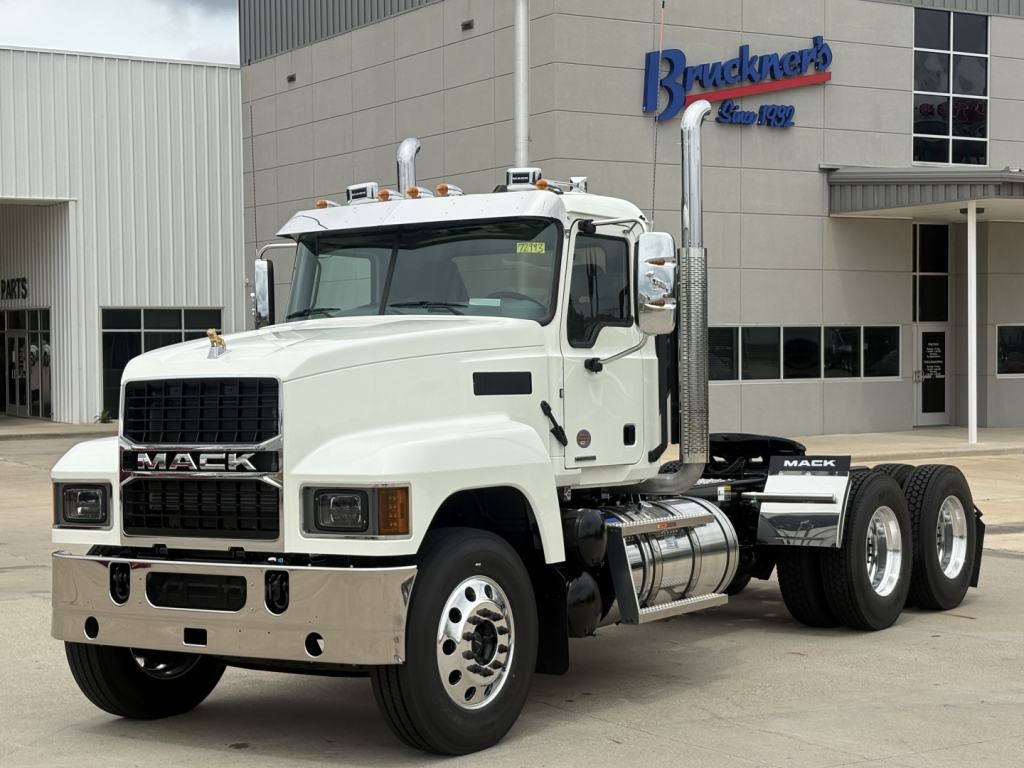
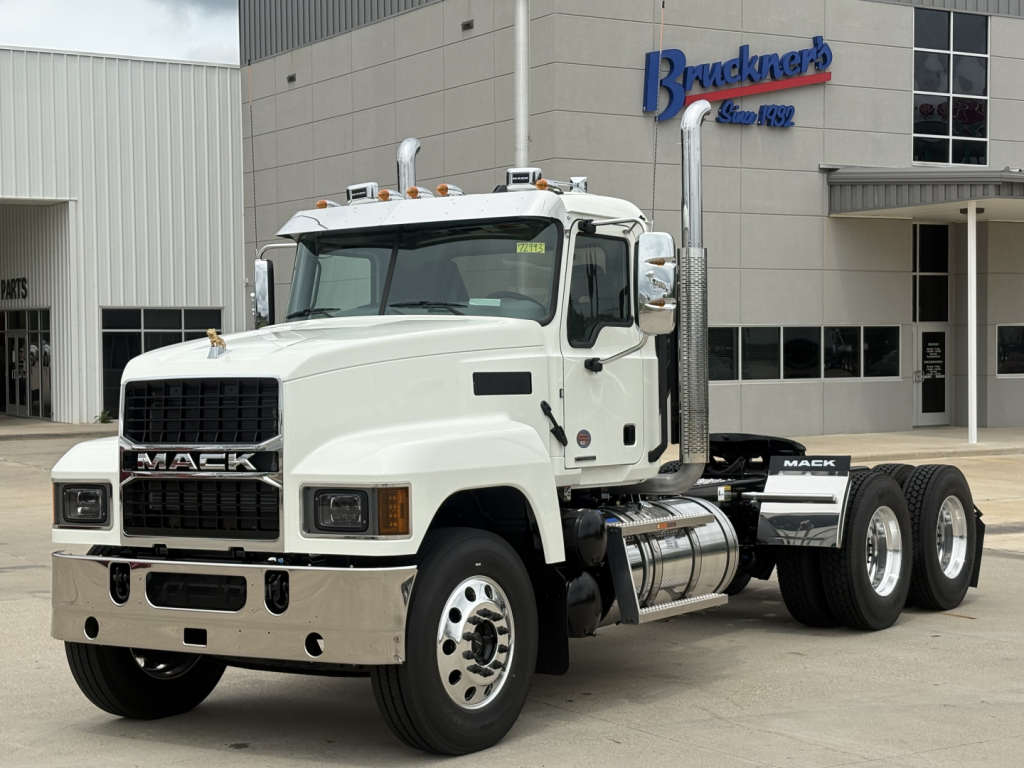
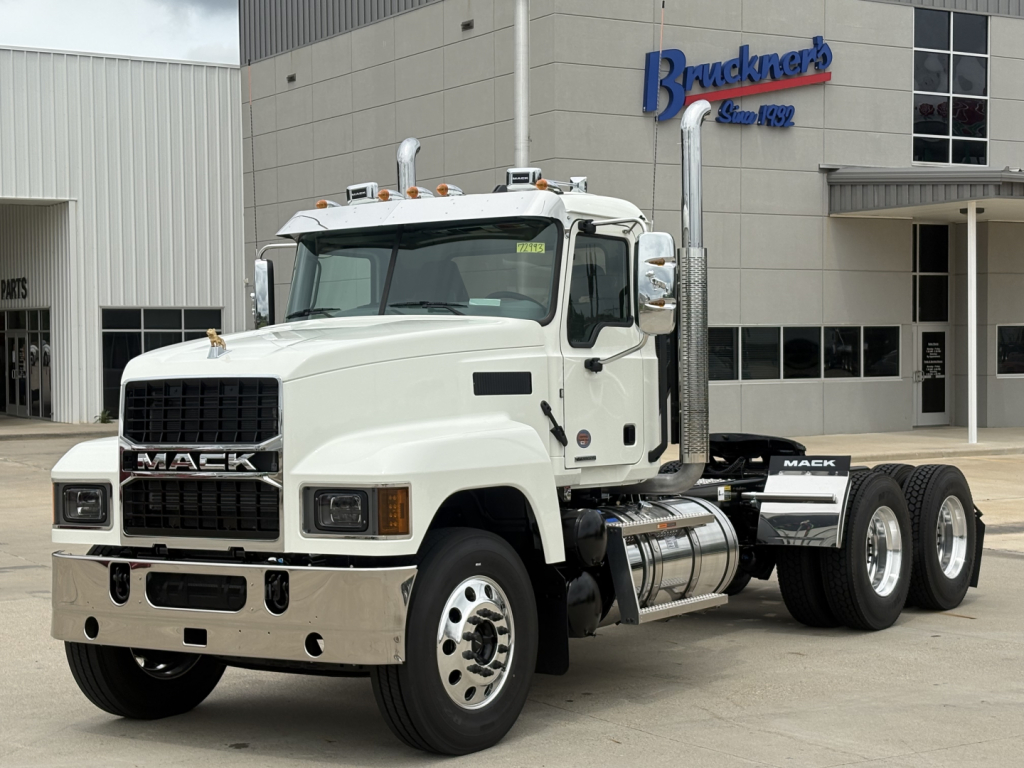
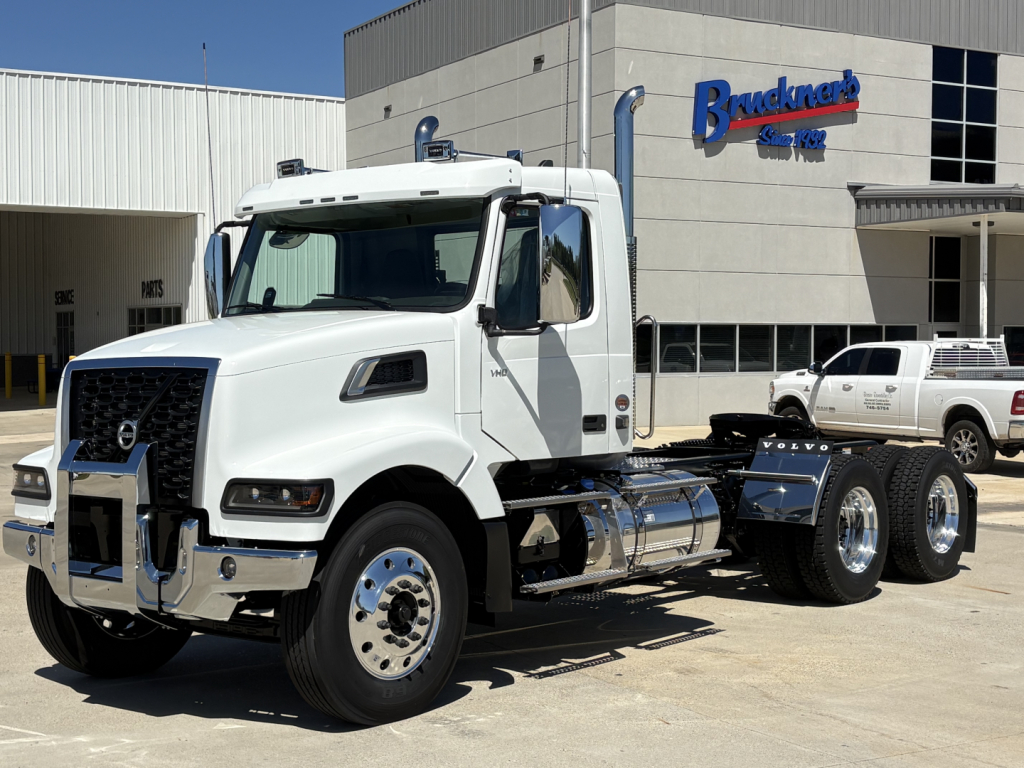
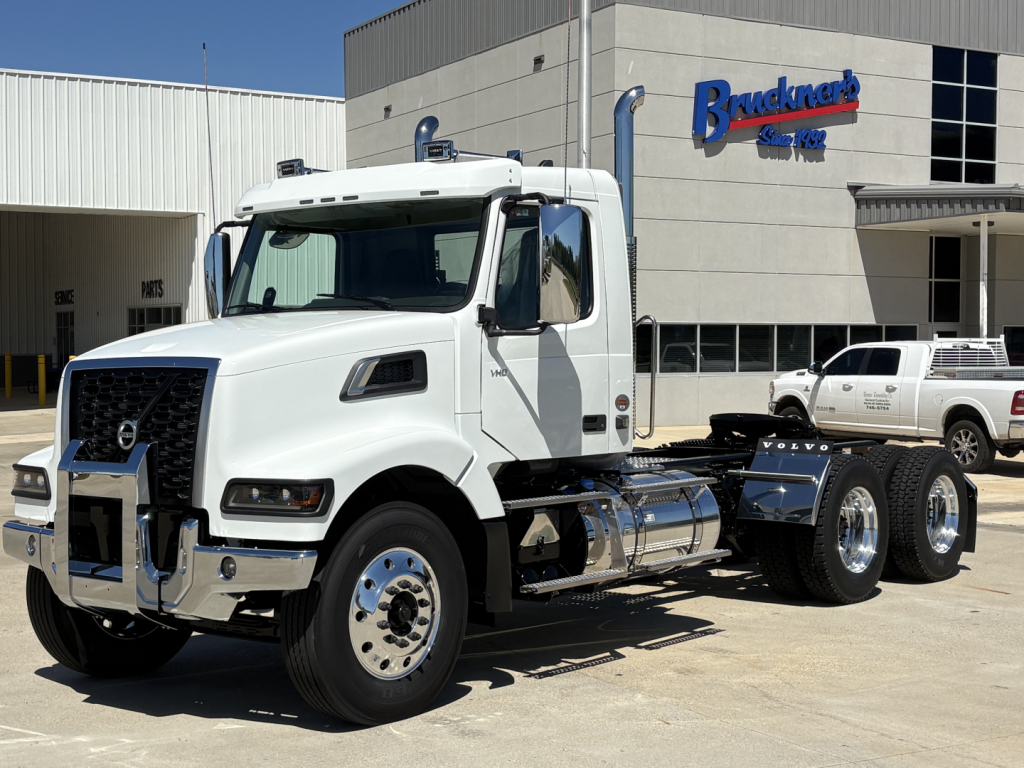
Showing 13 to 24 of 28 results
Have 2027 conventional daycab truck to sell? List it here to reach thousands of buyers.
About 2027 Conventional Daycab Trucks in Louisiana
Current 2027 conventional daycab trucks commonly feature diesel engines in the 400 to 505 horsepower range, with automated manual transmissions now dominating many specs because they improve driver consistency and reduce clutch wear in stop-and-go service. Typical configurations include tandem drive axles with 40,000 to 46,000 pound rear ratings, steer axles from around 12,000 to 14,600 pounds, and air ride suspensions for a better loaded ride and improved traction. Buyers comparing listings should pay close attention to rear axle ratio, locking differentials, and transmission calibration, especially if the truck will spend time on soft jobsites, in heavy haul service, or pulling out of terminals and plants with frequent starts under load.
For Louisiana operations, corrosion resistance, cooling performance, and vocational upfit compatibility deserve extra attention. A daycab working around the Gulf region may see high humidity, heat, short-haul idling, and mixed pavement conditions. Factory PTO provisions, hydraulic pumps, and wet kit setups are important for end dumps, live floors, lowboys, and other hydraulic trailer applications. If the truck will haul bulk commodities or construction material, check for frame strength, back-of-cab clearance, air and electrical line routing, and fuel tank placement. A clean daycab spec should match trailer swing, bridge laws, and turning radius requirements without sacrificing legal payload or service access.
The best 2027 conventional daycab trucks balance cab comfort with durability and uptime. Look for practical interior layouts, good sightlines, easy dash access, collision mitigation and lane safety systems that fit your fleet policy, and a drivetrain backed by dealer support in your operating region. Mack Anthem and Mack Pinnacle daycab configurations are common examples in this category, but the same buying logic applies across the segment. A properly spec'd conventional daycab should be judged on total job fit, not just price or advertised horsepower, because the wrong axle, gearing, or PTO setup can cost more than the initial savings.
Frequently Asked Questions
What is a conventional daycab truck used for?
A conventional daycab truck is used for local and regional jobs where the driver does not need a sleeper. Common applications include dedicated freight, drayage, tanker work, dump and end dump pulling, flatbed, lowboy, and other vocational hauling. The conventional hood design provides easier engine access and allows a wide range of front axle, frame, and drivetrain specs, which is why daycabs are common in both on-highway and vocational fleets.
What specs matter most when buying a 2027 conventional daycab?
The most important specs are the ones tied directly to the job. Buyers should focus on engine horsepower and torque, transmission type, rear axle ratio, drive axle rating, suspension, wheelbase, and whether the truck is PTO or wet kit ready. Steer axle capacity, locking differentials, frame reinforcement, and fuel tank layout also matter when the truck will be used in heavy vocational service or with hydraulic trailers. A good spec is one that matches trailer type, gross combined weight, route conditions, and loading patterns.
Is an automated manual transmission a good choice in a daycab?
For many fleets, yes. Automated manual transmissions are now common in conventional daycab trucks because they reduce driver fatigue, improve shift consistency, and help control clutch abuse in stop-and-go service. They can be especially useful in regional haul and urban operations where frequent starts and traffic are part of the job. The key is making sure the transmission programming, axle ratio, and engine rating are matched to the truck's intended weight and terrain.
Why would a buyer want a PTO or wet kit on a daycab?
A PTO and wet kit allow the truck to power hydraulic trailer functions. That matters for applications such as end dumps, live floors, walking floors, lowboys, and some specialized vocational trailers. A factory-installed PTO provision can simplify the upfit and reduce installation issues later. Buyers should confirm whether the truck has a single-line or dual-line wet kit, the hydraulic pump setup, control placement, and enough frame room for tanks and plumbing.
What should buyers in Louisiana pay attention to with a daycab truck?
Louisiana buyers should consider high heat, humidity, mixed road conditions, and the specific demands of local industries such as construction, bulk hauling, energy support, and port-related work. Cooling capacity, corrosion resistance, air ride durability, and dealer service access are important. If the truck will operate off pavement or around muddy jobsites, axle locks, suspension choice, tire spec, and ground clearance can be as important as engine power. The right local spec usually prioritizes uptime, maneuverability, and job-specific equipment over general-purpose features.