
2023 Conventional Daycab Trucks For Sale in Georgia
Shop 2023 conventional daycab trucks in Georgia. Compare specs, wheelbase, axle ratios, engines, transmissions, and regional haul features.
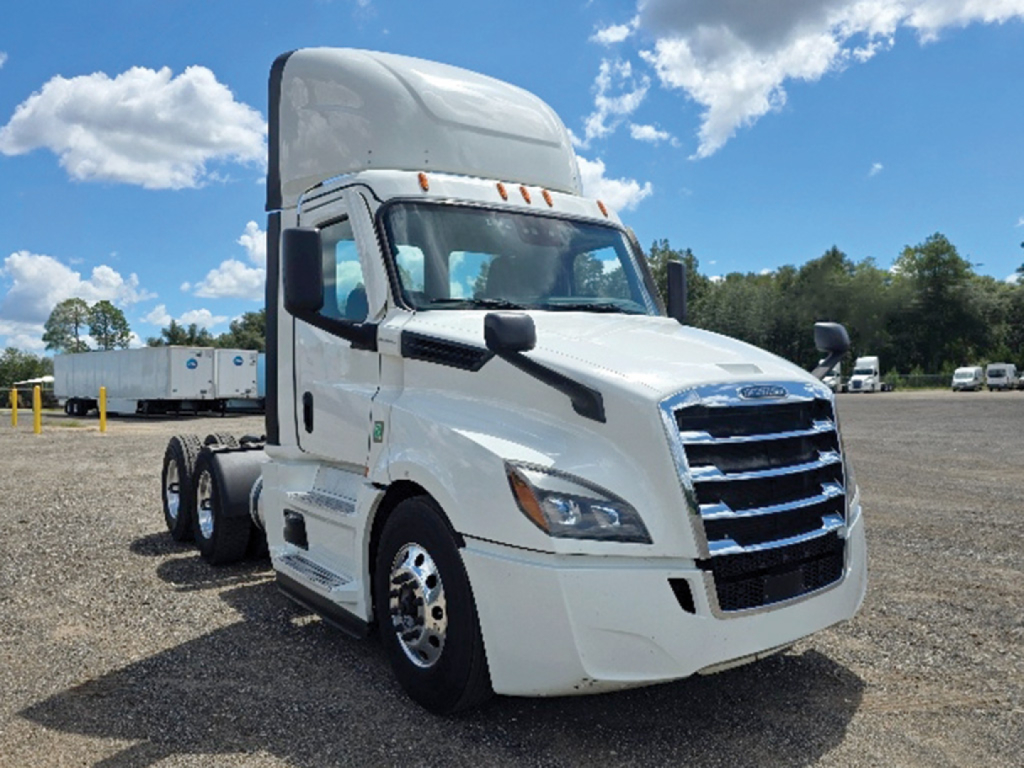
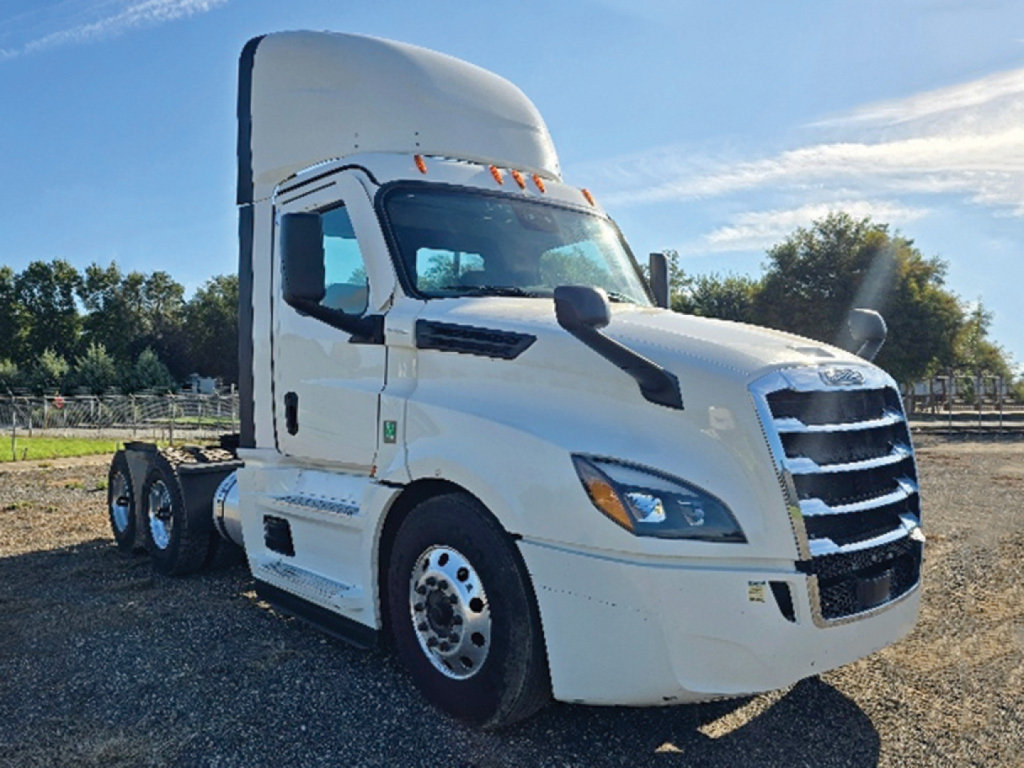
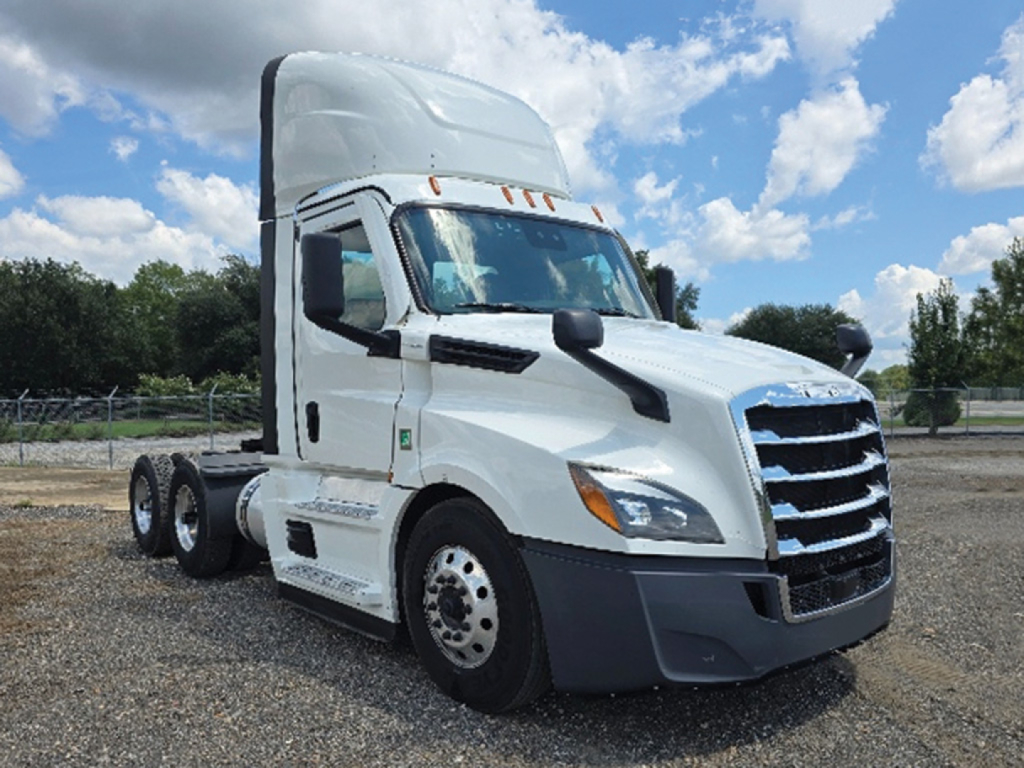
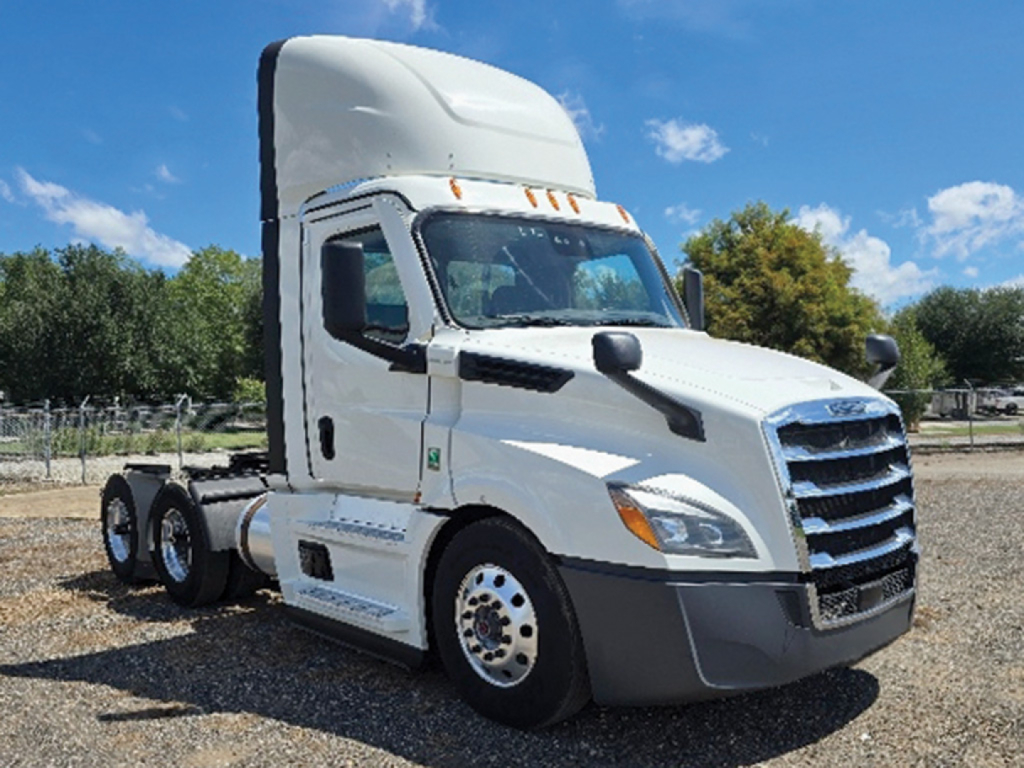
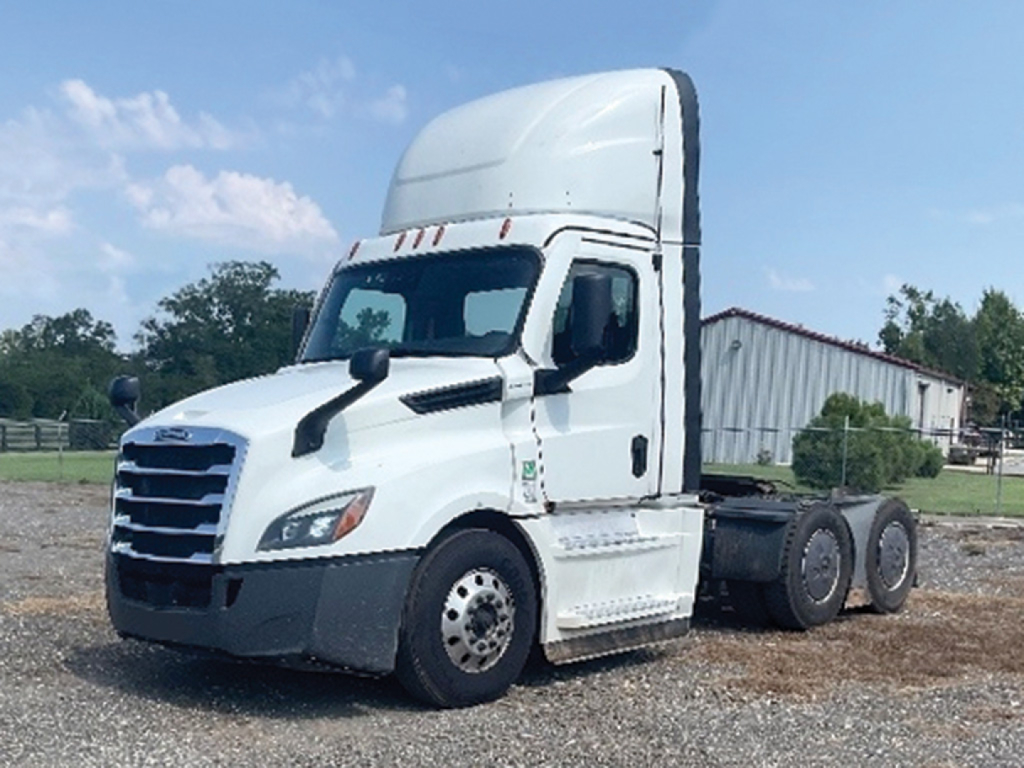
Selling a 2023 conventional daycab truck? List your 2023 conventional daycab truck for sale and reach thousands of commercial buyers.
2023 Conventional Daycab Trucks in Georgia
The first decisions usually come down to engine rating, transmission, rear axle ratio, and wheelbase. In this category, it is common to see 11 to 13 liter diesel engines in the roughly 400 to 455 horsepower range, paired with automated manuals such as Volvo I-Shift, DT12, or similar 12-speed gearboxes. Many daycabs are set up with 40,000 lb rears and ratios such as 2.64, 2.79, or 3.08, and that choice matters. A taller ratio can improve fuel mileage on faster regional lanes, while a deeper ratio may be better for heavier stop-and-go work, tighter grades, or frequent trailer swaps. Wheelbases around the low-170s to high-170s are common because they balance turning radius with ride quality and fifth wheel placement.
Spec details make a real difference in day-to-day operation. Air slide fifth wheels help fleets adjust quickly for varying trailer lengths and kingpin settings. Disc brakes, low-profile 22.5 tires, and aluminum wheels are common on newer highway-oriented tractors because they support braking performance, lower weight, and easier maintenance inspection. Cab extenders, roof fairings, quarter fenders, and horizontal exhaust are also typical on modern conventional daycabs, especially when fuel economy and trailer aerodynamics matter. Inside the cab, buyers should expect air conditioning, tilt and telescoping steering, cruise control, power windows, and a more automotive driving position than older fleet tractors.
For a used 2023 conventional daycab, the smart evaluation is less about model year alone and more about vocation match. Check horsepower against your average gross combination weight, confirm axle ratio against route speed, and look closely at wheelbase if your operation includes urban docks or tight yards. In Georgia, heat load, traffic density, and mixed interstate and city use make cooling system condition, brake spec, and driver comfort more important than they look on paper. A well-matched daycab can deliver strong utilization, easier maintenance planning, and lower total operating cost than an overbuilt road tractor.
Frequently Asked Questions about 2023 Conventional Daycab Trucks in Georgia
What is a conventional daycab truck used for?
A conventional daycab truck is a highway tractor without a sleeper, designed for routes where the driver returns home or to a terminal the same day. Common applications include regional freight, local haul, drayage, dedicated fleet work, and short to mid-range trailer moves. The layout reduces weight and overall length compared with a sleeper tractor, which can improve maneuverability and make it better suited for urban freight and frequent trailer hookups.
What engine and transmission specs are common in a 2023 conventional daycab?
Many 2023 conventional daycab trucks use 11 to 13 liter diesel engines rated around 400 to 455 horsepower, depending on the intended load and duty cycle. Automated manual transmissions are extremely common in this class because they help standardize operation across drivers and can support fuel economy goals. Typical pairings include a 12-speed automated transmission with an engine brake and a rear axle spec designed around either regional highway efficiency or more demanding stop-and-go service.
How important are rear axle ratio and wheelbase on a daycab?
Rear axle ratio and wheelbase are two of the most important buying decisions in this category. The axle ratio affects launch performance, cruise rpm, fuel economy, and how the truck handles heavy loads or hilly terrain. Wheelbase affects turning radius, ride quality, trailer clearance, and fifth wheel placement. A shorter wheelbase usually works better in tight yards and city applications, while a slightly longer wheelbase can ride better and fit some regional linehaul setups more comfortably.
Are conventional daycab trucks a good fit for Georgia operations?
Yes, conventional daycab trucks are often a strong fit for Georgia freight patterns. They work well for Atlanta-area distribution, intermodal moves, regional lanes across the Southeast, and dedicated runs that do not require overnight sleeper use. Buyers in Georgia should pay close attention to cooling performance, air conditioning, traffic-related brake wear, and aerodynamics, since the combination of heat, congestion, and mixed highway speeds can affect both driver comfort and operating cost.
What features should buyers look for on a late-model daycab truck?
Useful late-model features include an air slide fifth wheel, engine brake, air ride suspension, aerodynamic fairings, disc brakes, and driver-focused cab controls. Buyers should also look at fuel tank capacity, tire size, suspension type, and whether the truck has the right electronics for fleet service and diagnostics. On the used side, service history, brake and tire condition, transmission calibration, and evidence of consistent preventive maintenance usually matter more than cosmetic appearance.