
2022 Conventional Daycab Trucks For Sale in New York
Shop 2022 conventional daycab trucks in New York. Compare wheelbase, axle ratings, engine specs, transmissions, and fifth wheel setups.
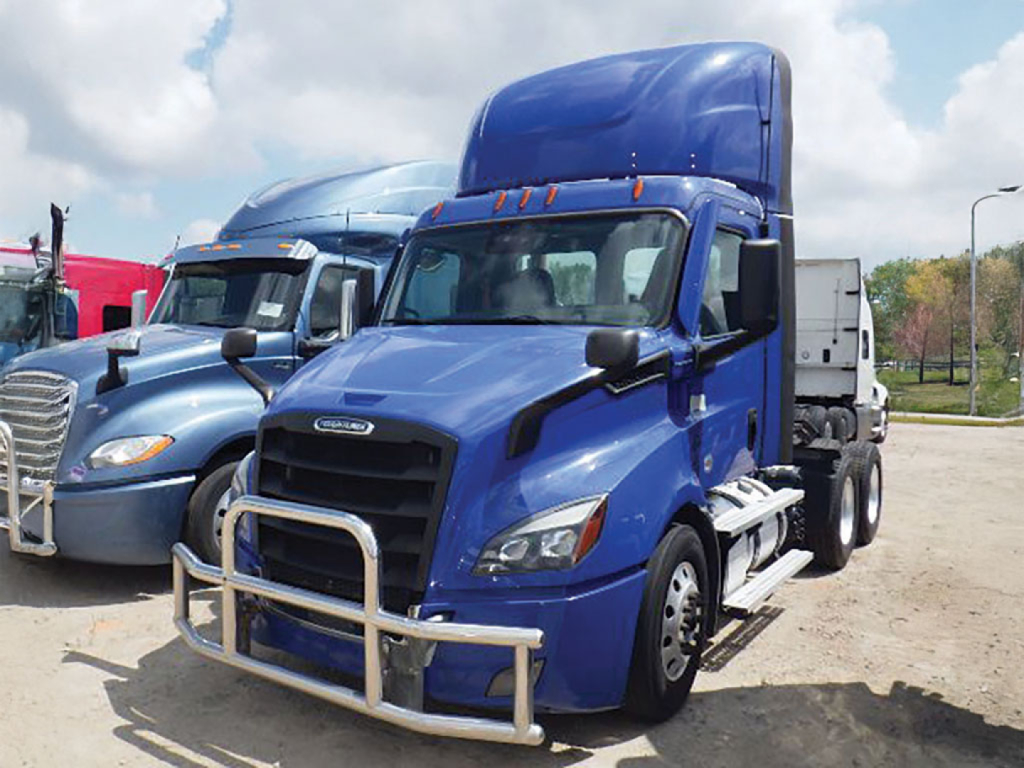
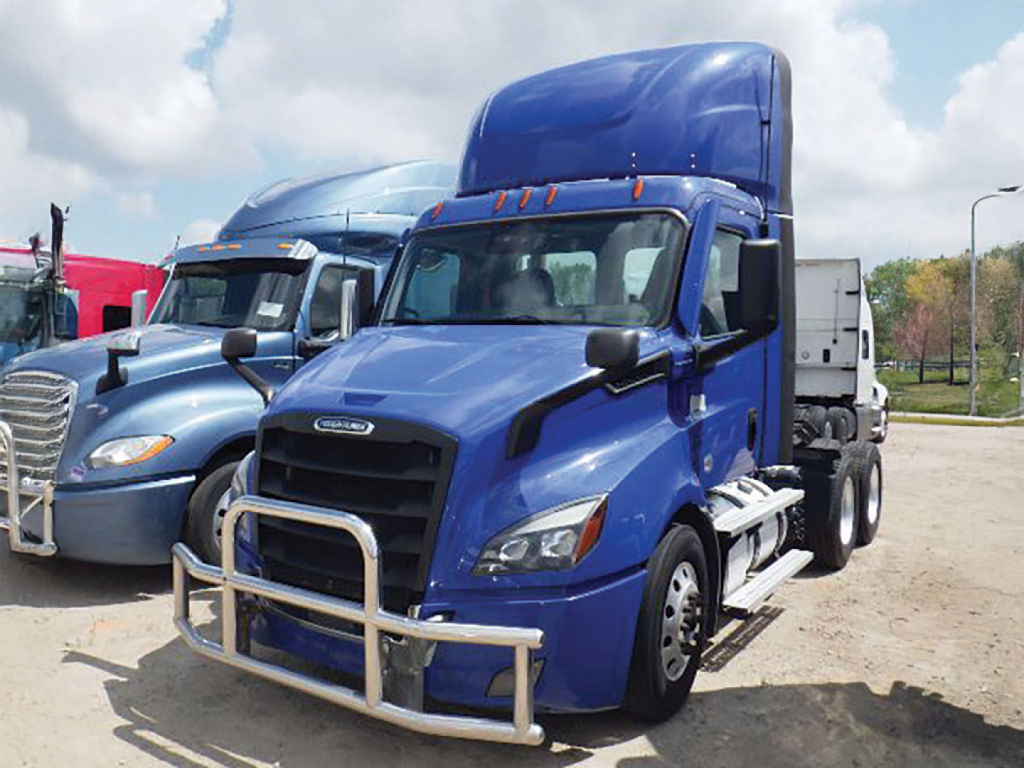
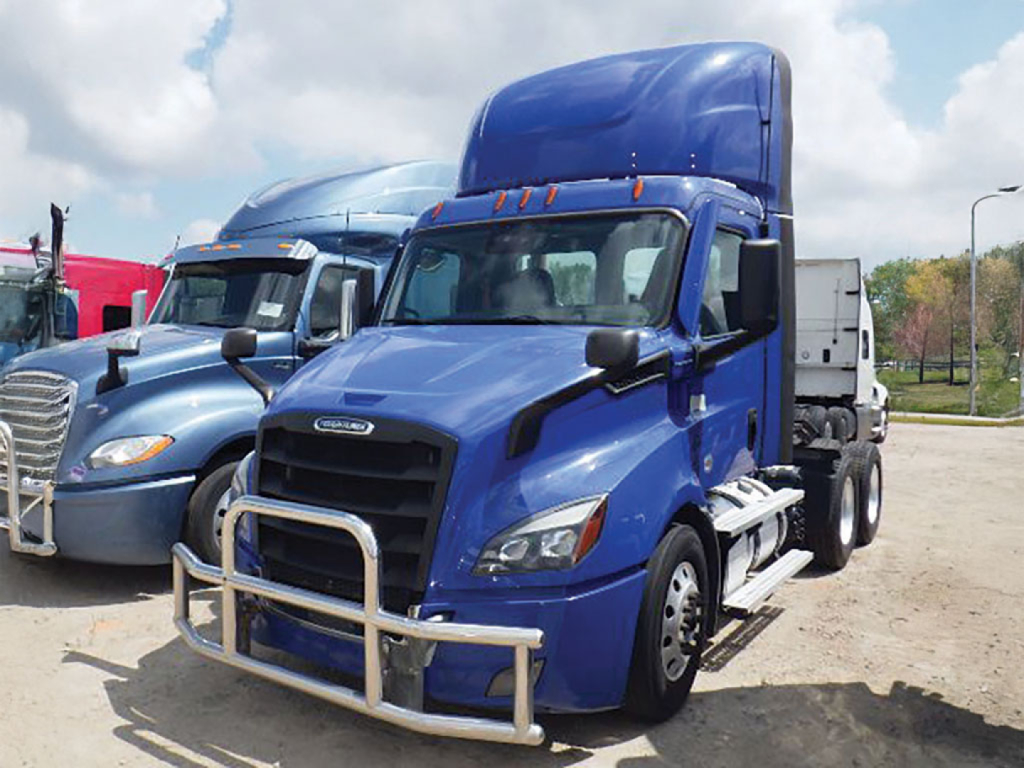
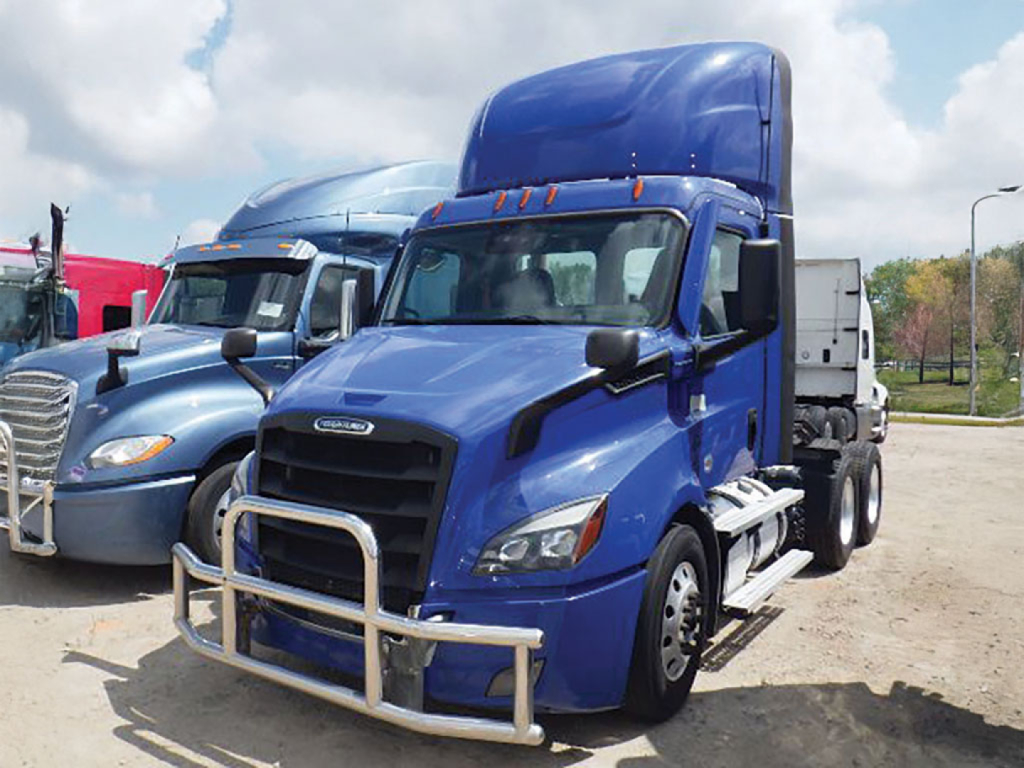
Have 2022 conventional daycab truck to sell? List it here to reach thousands of buyers.
2022 Conventional Daycab Trucks in New York
Powertrain choice matters more than model year alone. Many 2022 daycabs are spec'd with modern diesel platforms in the 350 to 455 horsepower range, paired with automated manual or automatic transmissions for easier driver onboarding and reduced clutch wear in traffic. Rear axle ratios such as 2.64, 2.79, 3.08, or 3.36 change how the truck performs on highway runs versus city starts and grades. A lower numerical ratio can improve fuel economy at cruising speed, while a deeper ratio helps with launch, vocational work, and heavier gross weights. Air ride suspension is common on linehaul and regional tractors, while more vocationally oriented specs may lean toward sturdier suspension packages, PTO readiness, or frame layouts that support wet kits, pintle plates, or other attachments.
Cab and chassis details separate a good daycab spec from one that creates operating headaches. Look closely at the fifth wheel type, including air slide versus stationary, and check frame length, cab-to-axle measurement, and kingpin setting requirements for the trailers you plan to pull. Tire size, wheel material, front axle capacity, and brake configuration also affect service life and payload flexibility. Many newer conventional daycabs include collision mitigation, adaptive cruise, lane departure alerts, and telematics support, which can be valuable for fleets managing safety scores and maintenance planning. Interior features like air ride seats, steering wheel controls, and improved insulation matter too, especially on regional routes where the truck may still spend long shifts on the road every day.
For buyers comparing 2022 conventional daycab trucks for sale in New York, the right unit is usually the one matched to the lane, not the one with the longest options list. A port tractor pulling loaded containers has very different needs than a fuel hauler, a feed route truck, or a regional dry van tractor. Focus on gross combination weight expectations, average trailer length, daily miles, idle time, and maintenance support for the engine and transmission platform in your area. A well-spec'd 2022 daycab can deliver a strong balance of emissions-era efficiency, driver comfort, and resale appeal, provided the chassis, gearing, and axle capacities fit the actual job.
Frequently Asked Questions about 2022 Conventional Daycab Trucks in New York
What is a conventional daycab truck used for?
A conventional daycab truck is a road tractor without a sleeper compartment, designed for routes where the driver returns home or to a terminal the same day. Common applications include regional freight, drayage, local distribution, tanker work, dump transfers, flatbed hauling, and dedicated lane operations. The shorter cab and lighter overall package can improve maneuverability and reduce empty weight compared with a sleeper tractor.
What should I check first on a 2022 daycab tractor?
Start with axle ratings, wheelbase, and fifth wheel setup because those items determine what trailers the truck can safely and efficiently handle. After that, review the engine rating, transmission type, rear axle ratio, suspension, and brake configuration. Buyers should also confirm emissions system history, maintenance records, and whether the chassis has the right frame length and PTO or hydraulic provisions for the intended application.
Is an automatic or automated manual transmission better in a daycab?
For many regional and urban operations, an automated manual or automatic transmission is the practical choice because it reduces driver fatigue, helps with consistency across multiple operators, and can lower clutch-related wear in traffic. A manual still appeals in some vocational or owner-operator settings, but most newer fleet daycabs are spec'd with automated shifting because it supports easier driver recruitment and predictable operation.
What axle ratio works best for a conventional daycab?
The best axle ratio depends on the job. Ratios like 2.64 or 2.79 are commonly used for fuel-efficient highway and regional service, especially when paired with direct or overdrive automated transmissions. Ratios such as 3.08 or 3.36 are often better for heavier loads, frequent starts and stops, or operations that need stronger launch performance. The correct ratio should be matched to engine torque, tire size, average speed, and gross combination weight.
Why does wheelbase matter on a daycab truck?
Wheelbase affects turning radius, ride quality, bridge law flexibility, and trailer clearance. A shorter wheelbase is easier to maneuver in city streets, yards, and tight docks, while a longer wheelbase may be necessary for certain body installations, tank setups, or weight distribution needs. Buyers should compare wheelbase with cab-to-axle and fifth wheel position to make sure the truck will work with the trailers and routes it is expected to handle.