
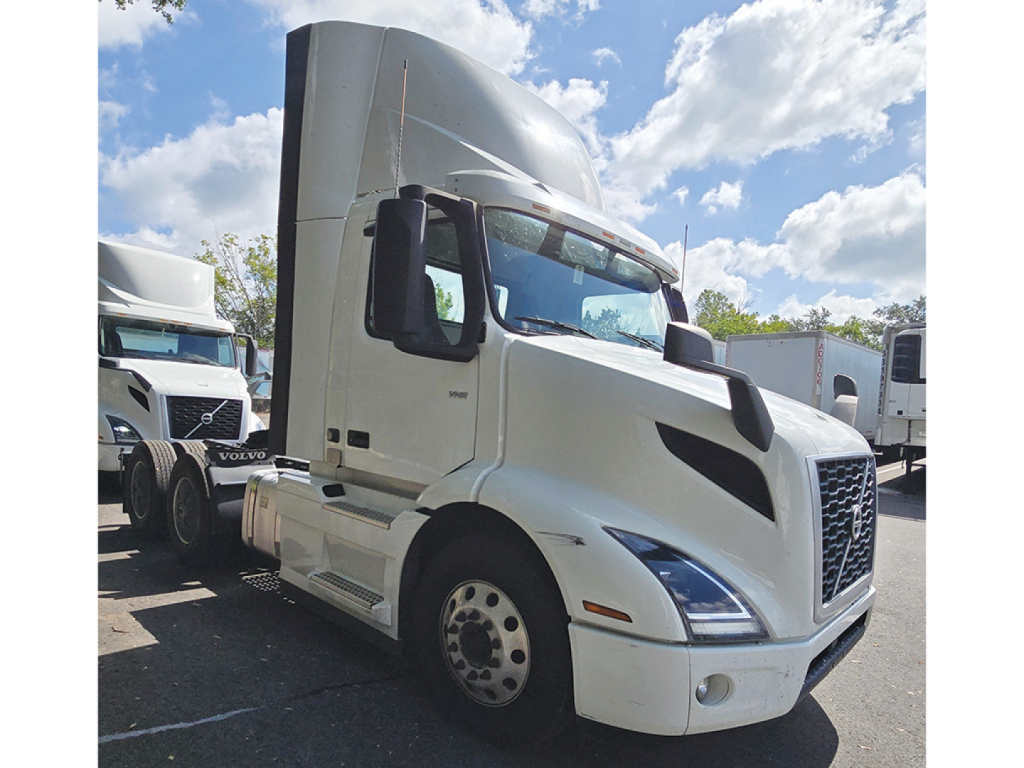
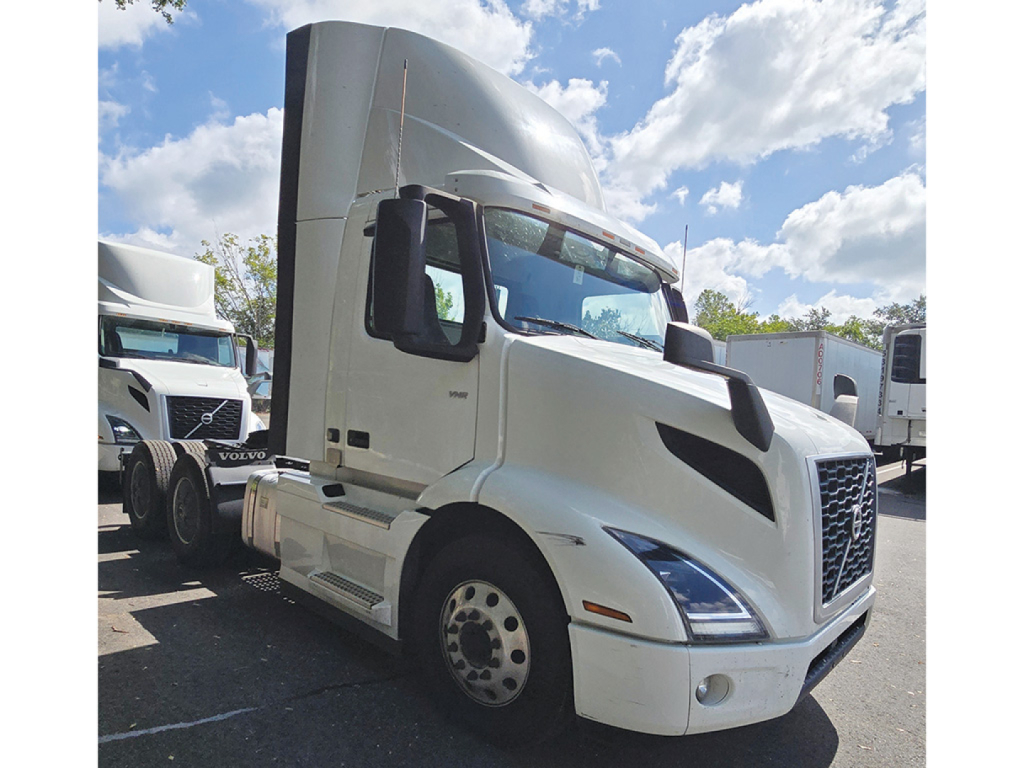
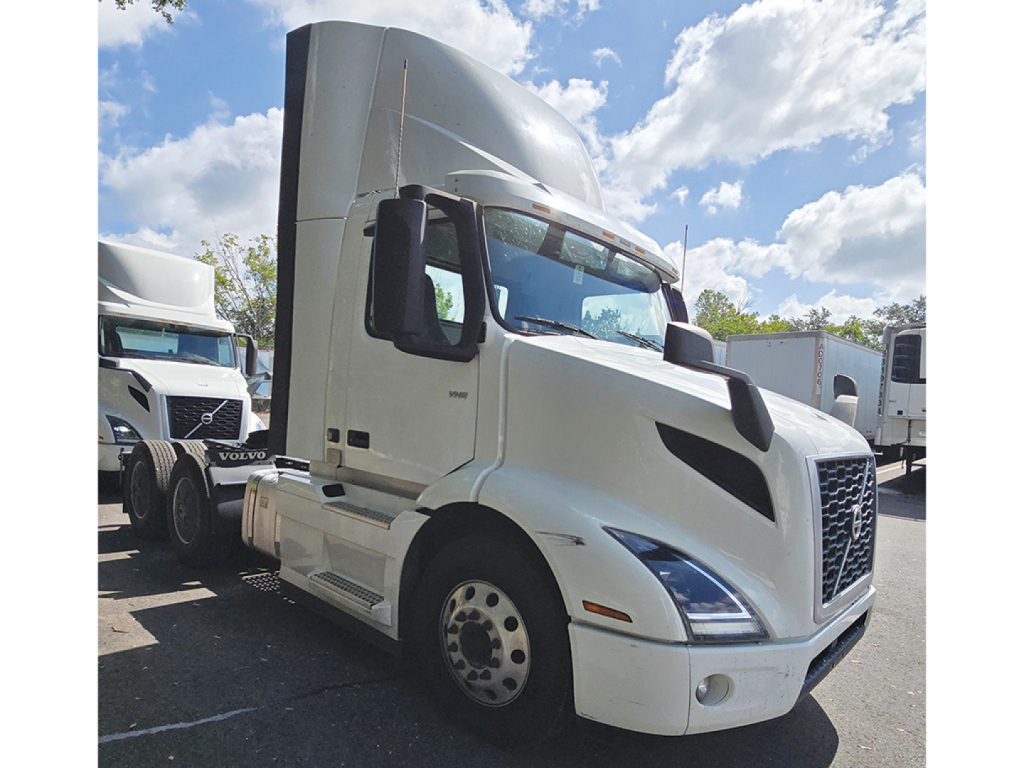
2022 Volvo Conventional Daycab Trucks For Sale in New York
Shop 2022 Volvo conventional daycab trucks for local and regional hauling, with VNR-focused specs, fuel efficiency, maneuverability, and driver comfort.
Learn more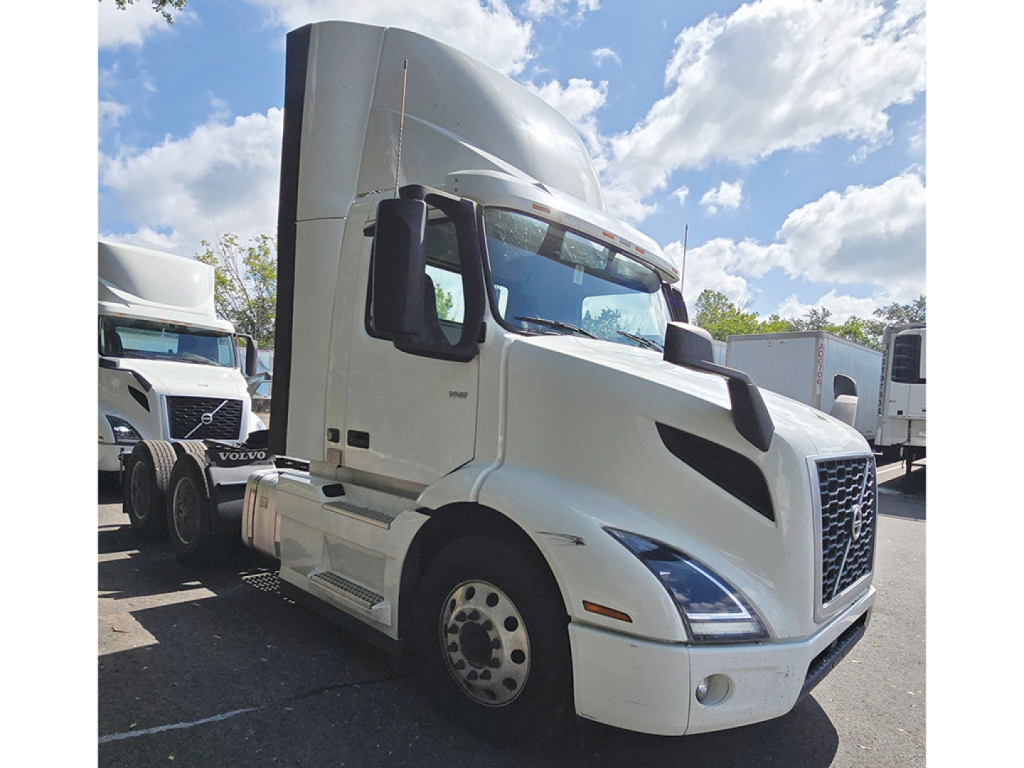
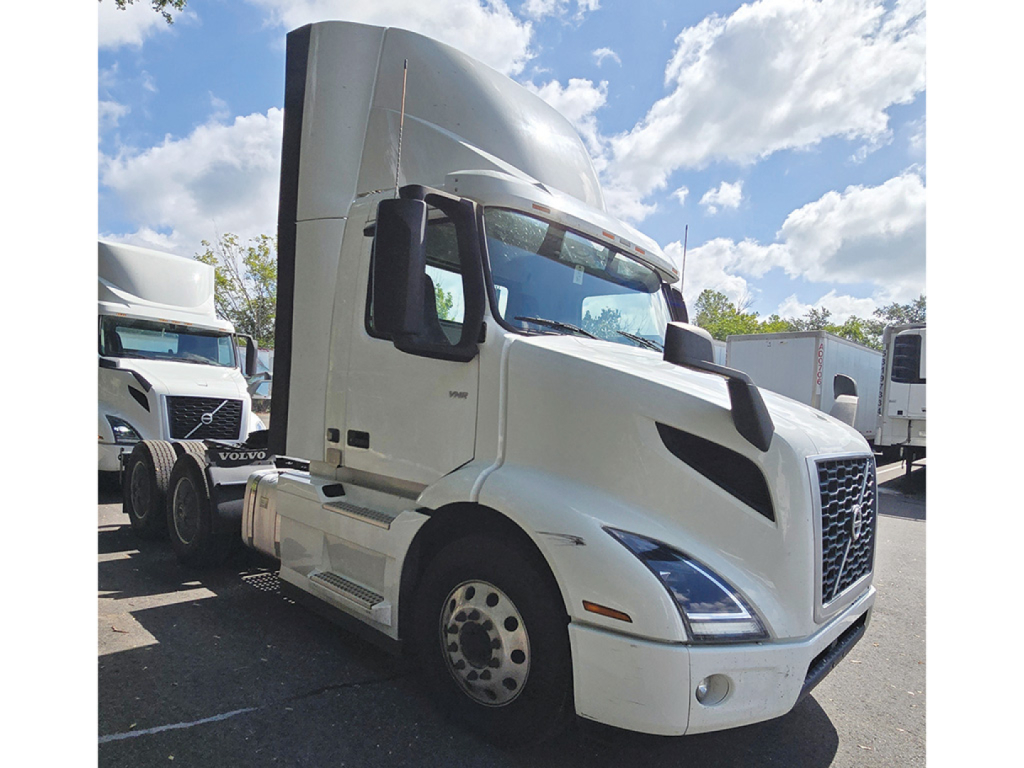
Have 2022 volvo conventional daycab truck to sell? List it here to reach thousands of buyers.
About 2022 Volvo Conventional Daycab Trucks in New York
For spec decisions, start with the powertrain. Many 2022 Volvo daycabs are equipped with the Volvo D13, often in ratings around 405 to 455 horsepower, paired with the Volvo I-Shift automated manual transmission. That combination is popular for fleets because it helps with fuel management, shift consistency, and driver onboarding, especially in dense traffic and frequent stop-and-go operation. Rear axle ratings commonly land around 40,000 pounds, with ratios such as 2.47 or 2.79 depending on the intended balance of startability, cruise rpm, and fuel economy. Air ride suspension, engine brakes, disc brakes, adjustable fifth wheels, and aerodynamic fairings are all common features that affect both operating cost and route suitability.
A buyer comparing 2022 Volvo conventional daycab trucks for sale should pay attention to wheelbase, fuel capacity, and cab equipment as much as engine rating. A wheelbase in the low-170-inch range is common on regional VNR daycabs and works well for trailer maneuvering in tighter yards and urban docks. Dual aluminum fuel tanks can support longer regional turns without adding the bulk of a sleeper tractor setup. Inside the cab, features like tilt and telescoping steering, cruise control, power windows, air conditioning, and upgraded seating matter because daycabs often run multiple drivers or repeated daily duty cycles. In New York and the Northeast, visibility, turning radius, corrosion condition, and cold-weather emissions performance are especially important, particularly for trucks working mixed urban and interstate routes.
The strongest reason buyers focus on this category is lifecycle efficiency. A 2022 Volvo daycab is new enough to offer modern emissions, safety systems, and a refined cab environment, while still fitting applications that do not require a sleeper berth. It is also commonly referred to as a day cab tractor or non-sleeper semi tractor. For local freight, port drayage, dedicated retail distribution, beverage work, LTL support, and terminal-to-terminal runs, this class offers a strong middle ground between heavier long-haul tractors and lighter straight-truck alternatives. The best spec depends on trailer weight, average trip length, docking conditions, and how much emphasis your operation places on uptime, fuel economy, and driver retention.
Frequently Asked Questions
What is a 2022 Volvo conventional daycab best used for?
A 2022 Volvo conventional daycab is best suited for local and regional hauling where drivers return daily and sleeper space is unnecessary. Common applications include terminal work, short regional lanes, retail distribution, drayage, LTL operations, and dedicated freight. The shorter cab configuration improves maneuverability and reduces empty weight compared with a sleeper tractor, which can help in urban freight and high-frequency stop conditions.
What engine and transmission are common in a 2022 Volvo daycab?
Many 2022 Volvo conventional daycabs, especially VNR 300 models, are equipped with a Volvo D13 engine and a Volvo I-Shift automated manual transmission. Horsepower ratings commonly fall in the low-to-mid 400 hp range, depending on the intended duty cycle. This setup is widely chosen because it balances pulling power, fuel efficiency, and consistent shift logic, particularly for fleets operating in traffic-heavy regional service.
How important is axle ratio on a Volvo daycab?
Axle ratio has a major effect on how the truck performs under load and at highway speed. Lower numerical ratios such as 2.47 generally favor fuel economy and lower engine rpm at cruise, while ratios like 2.79 can provide a better balance for regional hauling that includes frequent starts, moderate grades, and mixed-speed operation. The right ratio depends on trailer weights, terrain, transmission programming, and expected average road speed.
What should I check when comparing used 2022 Volvo conventional daycab trucks?
Focus on the complete operating spec, not just mileage and horsepower. Review wheelbase, rear axle rating, suspension type, brake setup, fifth wheel style, tire configuration, and fuel tank capacity. On a Volvo daycab, it is also smart to evaluate service history, emissions system performance, transmission calibration, and cab condition, especially if the truck has worked in high-idle or severe-stop environments. In Northeast markets, frame and undercarriage corrosion should be inspected carefully.
Is a Volvo VNR 300 considered a highway tractor or a city truck?
The Volvo VNR 300 sits between those roles and is best described as a regional tractor. It has the road manners, cab comfort, and powertrain options to handle interstate freight, but its compact daycab layout and maneuverability also make it effective in urban and terminal settings. That versatility is one reason the VNR 300 is a common choice for fleets running mixed city and regional routes.