
2019 Conventional Daycab Trucks For Sale in Oklahoma
Browse 2019 conventional daycab trucks in Oklahoma. Compare specs, axle ratings, wheelbases, engines, transmissions, and regional hauling fit.
Learn more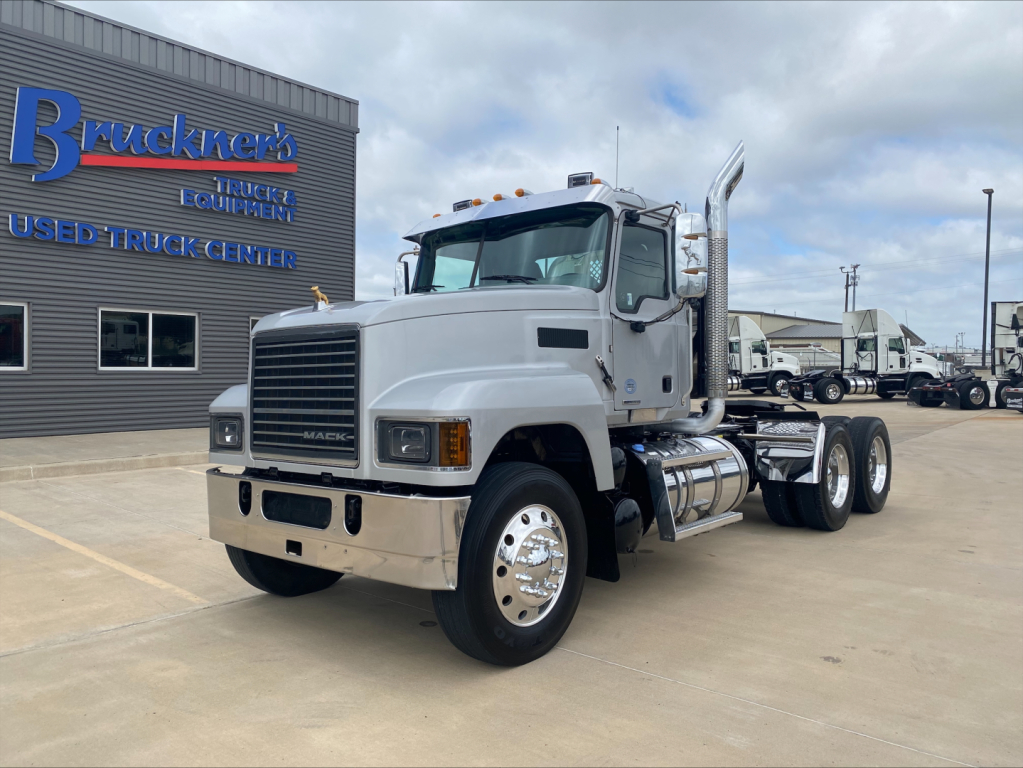
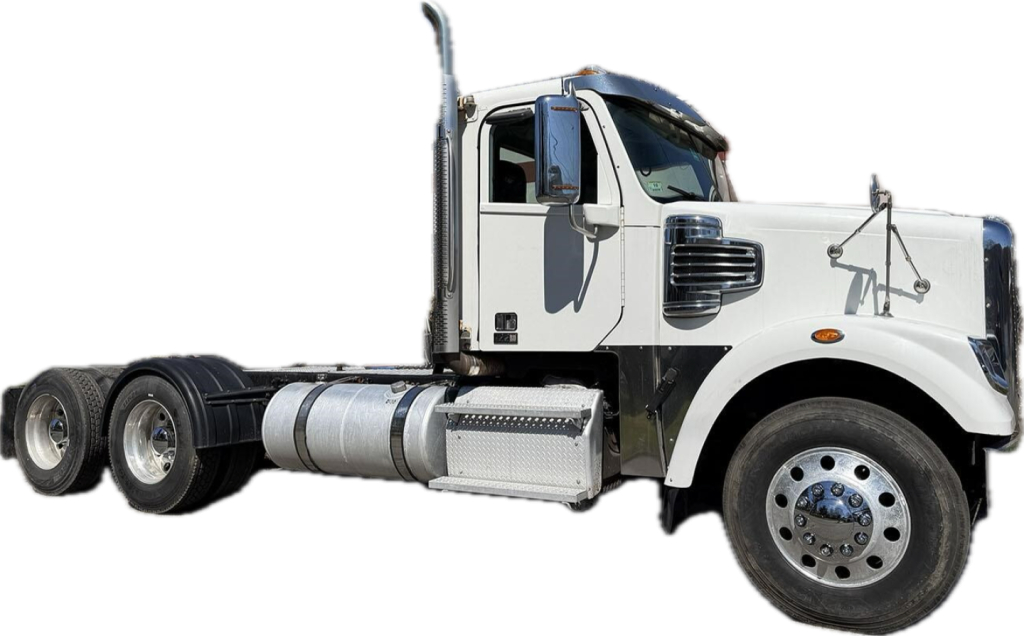
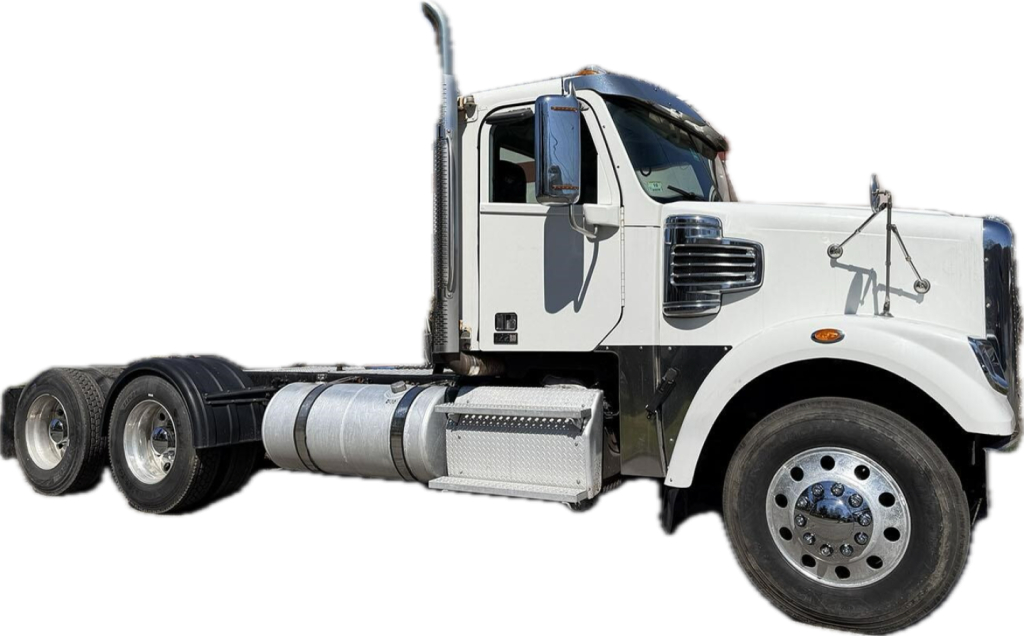
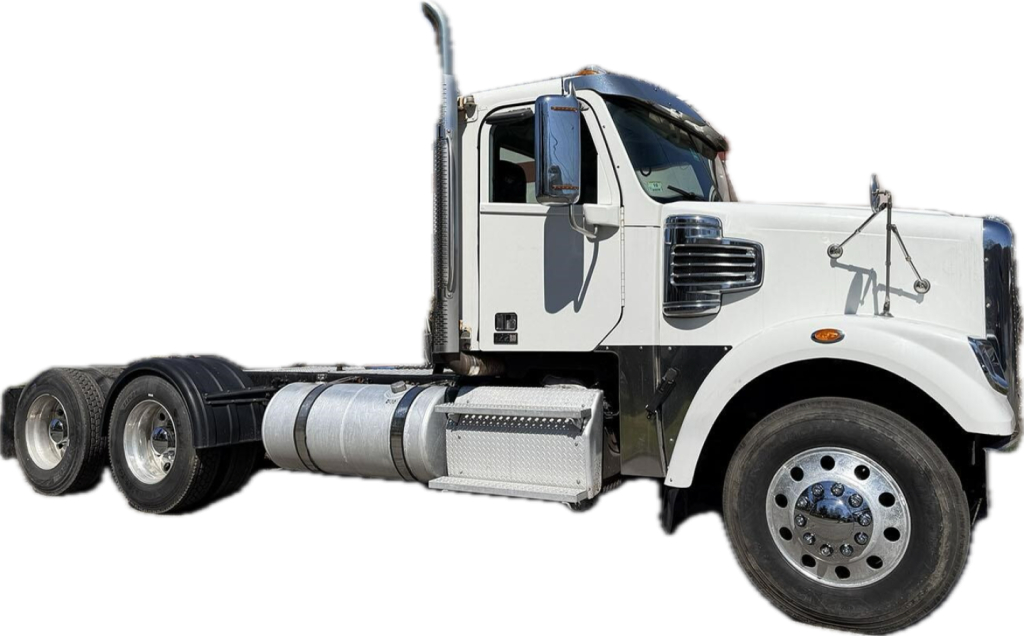
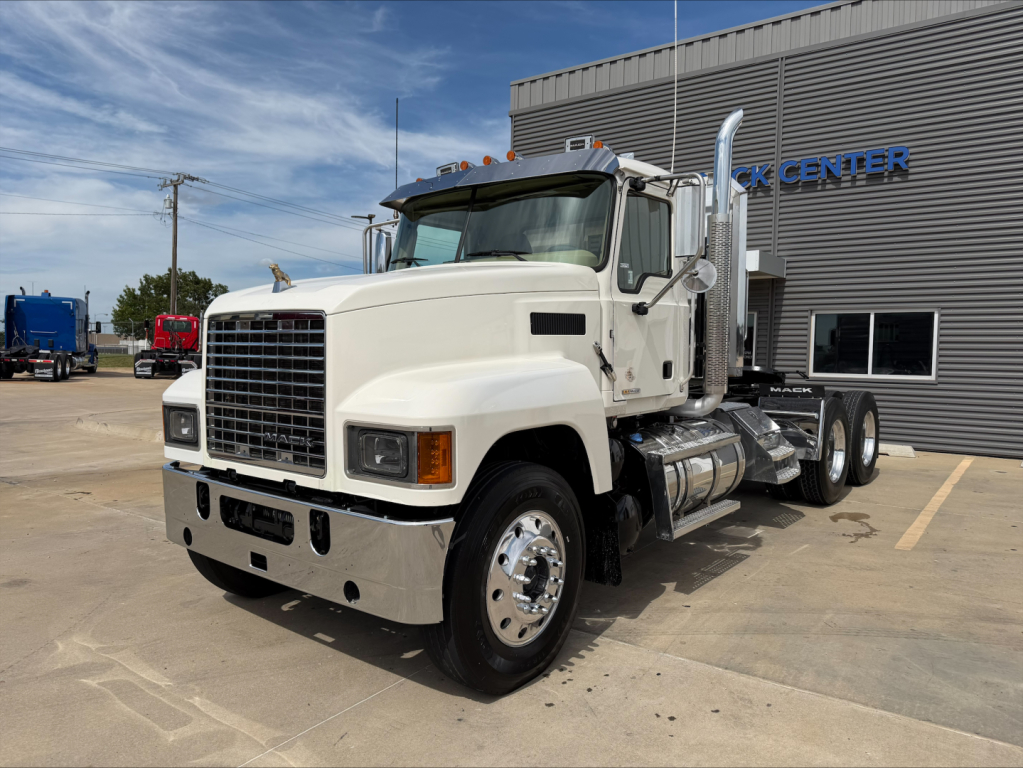
Have 2019 conventional daycab truck to sell? List it here to reach thousands of buyers.
About 2019 Conventional Daycab Trucks in Oklahoma
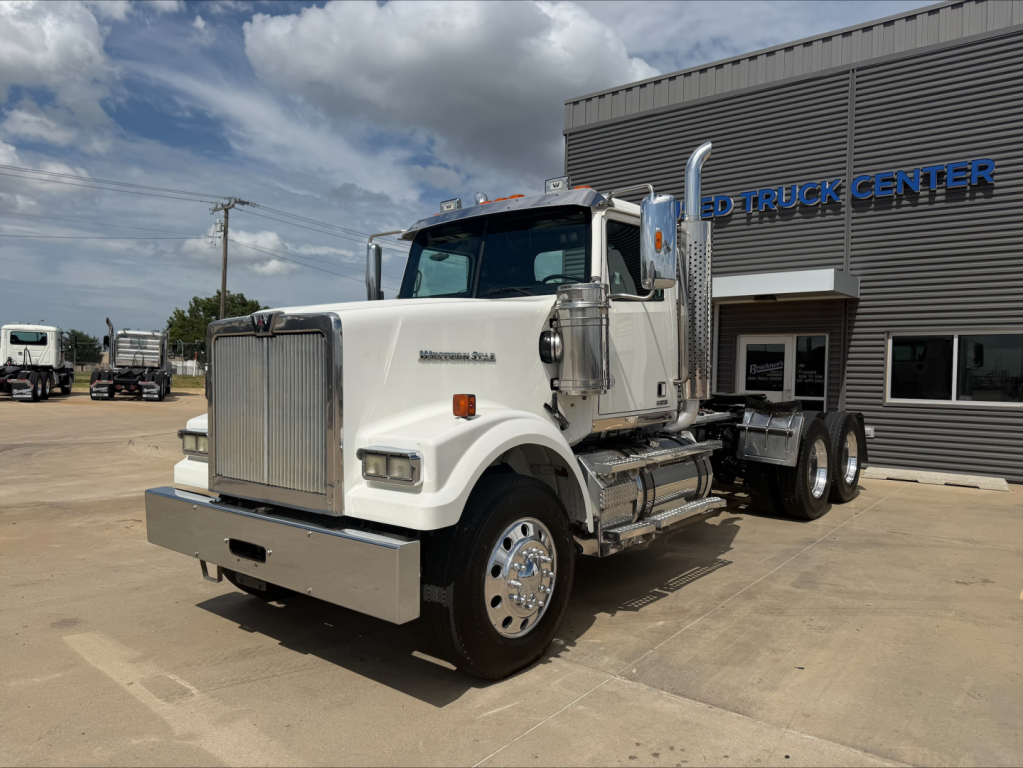
The most important buying decisions usually come down to axle package, wheelbase, and powertrain. In this category, buyers will commonly see tandem axle setups with 12,000-pound front axles and 40,000-pound rear axles, along with air ride suspensions for ride quality and dock-friendly handling. Wheelbases often fall in the 180-inch to 215-inch range depending on intended trailer swing clearance, fuel capacity, and frame layout. Engine ratings around 425 to 505 horsepower are common in fleet-spec and vocational-leaning highway tractors, and automated transmissions such as Mack mDrive, Detroit DT12, or Eaton Endurant are popular for reducing driver fatigue and improving consistency across multi-driver operations. Rear axle ratios like 3.07 or 3.25 are frequently selected for a balance of startability and highway RPM.
A buyer in Oklahoma should pay close attention to operating environment. Daycabs working I-35, I-40, and regional lanes into Texas, Kansas, Arkansas, and Missouri need gearing and horsepower matched to gross combination weight, average trip length, and terrain. A lighter regional van or reefer operation may prioritize fuel economy with a taller ratio and downsped driveline, while heavy haul, bulk, or short-hop work may benefit from more horsepower, a shorter ratio, heavier frame rails, and locking differentials. Frame condition, fifth wheel placement, pusher or headache rack provisions, and PTO compatibility also matter if the truck will move from general freight into more specialized service.
For a used 2019 conventional daycab, condition matters as much as brand. Buyers should review engine hours along with miles, confirm aftertreatment service history, and inspect for signs of excessive idle time, suspension wear, steering play, and uneven tire wear. Transmission calibration history, clutch life on AMTs, DPF and SCR maintenance records, and any remaining engine or emissions coverage can affect long-term cost. A well-spec'd daycab from this model year can still be a strong revenue truck if the wheelbase, axle ratings, gearing, and maintenance history match the job.
Frequently Asked Questions
What is a conventional daycab truck used for?
A conventional daycab truck is used for operations that return the driver home daily or do not require sleeper space. Common applications include regional hauling, local delivery, port drayage, dedicated fleet routes, yard-to-yard transfers, LTL, tanker work, and some vocational tractor service. The conventional hood design also provides easier engine access for service compared with cabover layouts.
What specs matter most when buying a 2019 daycab tractor?
The key specs are axle ratings, wheelbase, horsepower, transmission type, rear axle ratio, suspension, and fifth wheel setup. These determine how the truck performs with your trailer length, gross weight, and route profile. A buyer should also verify emissions system history, engine hours, tire size, brake type, and whether the truck has features such as a headache rack, PTO provisions, or locking differentials if the application requires them.
Is a 2019 conventional daycab a good choice for regional hauling?
Yes, a 2019 daycab can be a very good fit for regional hauling if the truck is spec'd correctly. Many 2019 models have modern powertrains, improved aerodynamics, automated transmissions, and updated safety systems without the acquisition cost of newer units. The best results come from matching horsepower and gearing to average payload, terrain, and highway speed so the truck is neither underpowered nor wasting fuel.
What wheelbase is best for a daycab truck?
The right wheelbase depends on the trailer, axle spread requirements, and maneuverability needs. Shorter wheelbases generally improve turning radius and yard access, which helps in city and terminal work. Longer wheelbases can provide better ride quality, more room for fuel tanks or equipment, and improved trailer clearance in some configurations. Buyers should confirm bridge law considerations and kingpin-to-rear-axle dimensions before choosing.
What should I inspect on a used 2019 daycab before buying?
Focus on service records, engine hours, fault codes, aftertreatment history, suspension wear, steer axle condition, driveline vibration, and signs of frame damage or corrosion. Check for transmission software updates, clutch health on automated manuals, air leaks, brake wear, and uneven tire wear that may indicate alignment or suspension issues. A pre-purchase inspection with ECM data review is one of the best ways to confirm how the truck was operated and maintained.