
2019 Conventional Daycab Trucks For Sale in Georgia
Browse 2019 conventional daycab trucks in Georgia. Compare aero specs, wheelbase, axle ratings, engine options, and drivetrain setups.
Learn more
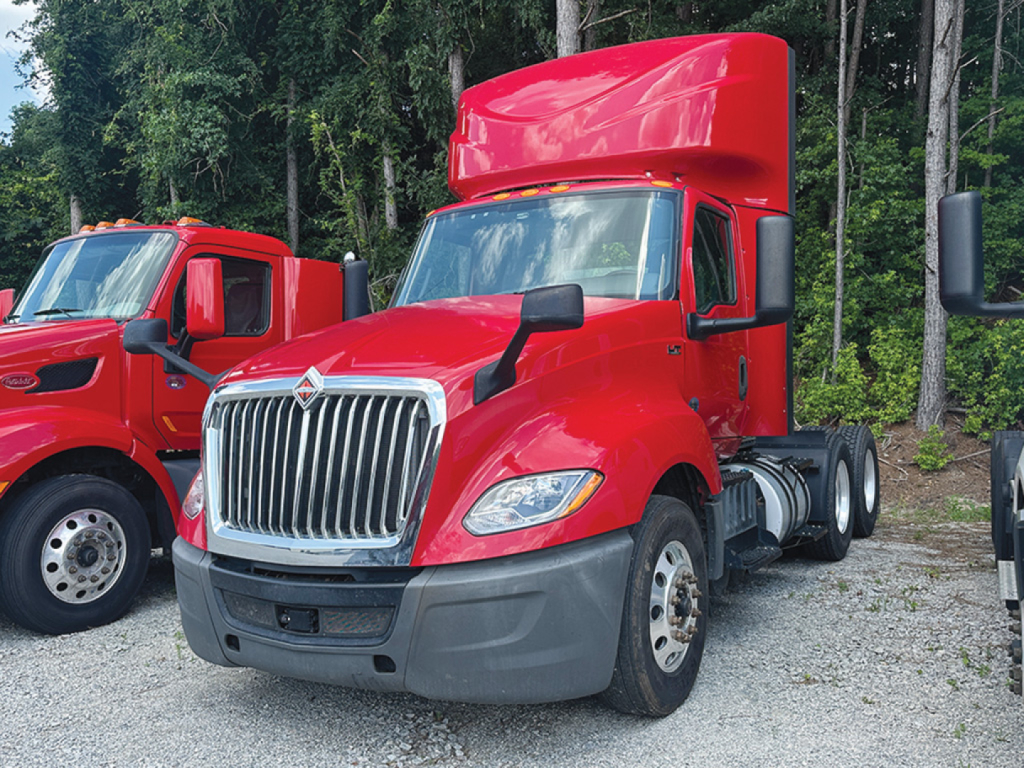
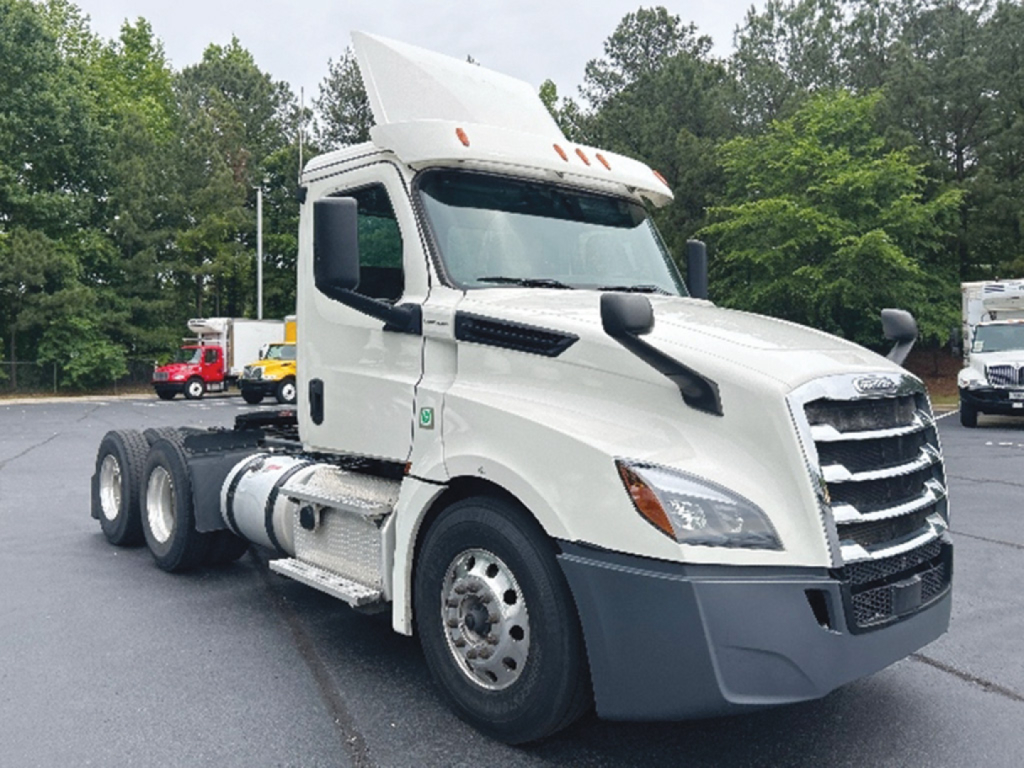
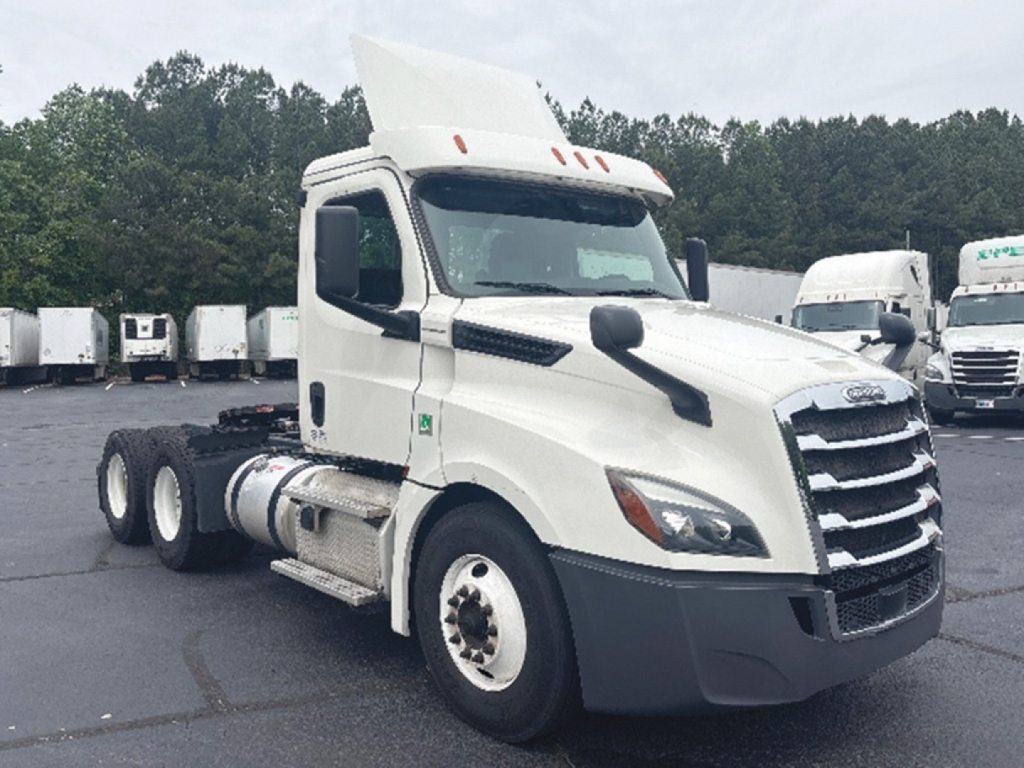
Have 2019 conventional daycab truck to sell? List it here to reach thousands of buyers.
About 2019 Conventional Daycab Trucks in Georgia
The biggest buying decision is usually drivetrain spec. Many 2019 daycabs carry 405 to 455 horsepower engines such as the Volvo D13, Detroit DD15, Cummins X15, Navistar N13, or Mack MP7, typically paired with automated manual transmissions like Volvo I-Shift, Detroit DT12, Mack mDRIVE, or Eaton Endurant and Ultrashift variants. For highway pulling and mixed regional work, 40,000 lb rears with ratios like 2.47, 2.79, or 3.08 are common because they keep cruise rpm down and improve fuel efficiency. Shorter-route or vocational crossover specs may show lighter rear axle ratings, different ratios, or shorter wheelbases for tighter turning. An engine brake, air ride suspension, power steering, and an adjustable or air slide fifth wheel are standard features many fleets consider essential in this class.
Cab and chassis details matter more than many buyers expect. A 172 to 180 inch wheelbase can be a strong fit for van and reefer work, while a shorter setup may be easier around yards, ports, and urban docks. Disc brakes, low-profile 22.5 rubber, super singles, aluminum wheels, collision mitigation, roof fairings, cab extenders, quarter fenders, and dual aluminum fuel tanks are all common on 2019 aero daycabs. In Georgia, heat and stop-and-go traffic make HVAC performance, cooling system condition, idle strategy, and transmission calibration worth a close look. Buyers should also check frame condition, fifth wheel wear, emissions history, tire spec uniformity, and whether the truck's axle spread and kingpin setting match the trailers it will actually pull.
A well-matched 2019 conventional daycab can lower operating cost without giving up pull power or driver acceptance. This model year often delivers a good mix of late-model safety features, more refined automated transmissions, and aerodynamic improvements compared with older fleet tractors. The best value depends on lane length, trailer weight, dock environment, and maintenance discipline. For many buyers, the right truck is not just the newest or highest horsepower unit. It is the one with the correct rear ratio, wheelbase, fifth wheel travel, fuel capacity, and engine-transmission pairing for the job cycle it will run every day.
Frequently Asked Questions
What is a conventional daycab truck used for?
A conventional daycab truck is a non-sleeper road tractor designed for operations where the driver returns home or to a terminal the same day. It is commonly used for regional freight, local shuttle runs, drayage, dedicated contract freight, LTL, and distribution work. Compared with a sleeper tractor, a daycab is lighter, often more maneuverable, and usually better suited to routes that do not require overnight accommodations.
What engine and transmission specs are common in a 2019 conventional daycab?
Many 2019 conventional daycabs are equipped with 11 to 15 liter diesel engines rated around 405 to 455 horsepower and paired with automated manual transmissions. Common combinations include Volvo D13 with I-Shift, Detroit DD15 with DT12, Cummins X15 with Eaton automated transmissions, and Mack MP7 with mDRIVE. Rear axle ratings of 40,000 lbs and highway-friendly ratios such as 2.47, 2.79, and 3.08 are typical on fleet-spec regional tractors.
How do I choose the right wheelbase for a daycab?
Wheelbase should match the trailer type, turning environment, and fuel capacity requirements. Shorter wheelbases generally improve maneuverability in urban areas, terminals, and tight docks. Longer wheelbases can provide better ride quality, room for dual tanks, and more flexibility with trailer gap and fifth wheel placement. Buyers should confirm that the wheelbase works with expected kingpin settings, bridge law considerations, and the amount of fifth wheel slide needed across their trailer mix.
Are 2019 daycab trucks good for fuel economy?
Yes, many 2019 daycab tractors were built with aerodynamic packages and downsped drivetrains that support strong fuel economy in regional and highway service. Features such as roof fairings, cab extenders, side fairings, low-rolling-resistance tires, automated transmissions, and tall rear axle ratios all help reduce fuel burn. Actual results depend on route profile, average speed, idle time, trailer type, and how well the engine and aftertreatment systems are maintained.
What should I inspect before buying a used 2019 conventional daycab?
Key inspection points include engine fault history, aftertreatment condition, transmission operation, clutch actuator performance on automated manuals, suspension wear, brake life, tire match, and fifth wheel condition. It is also important to review rear axle ratio, axle ratings, wheelbase, and fuel tank capacity to make sure the truck fits the intended application. Service records, ECM data, signs of excessive idle time, and evidence of prior collision or frame repair can tell you as much as the odometer on a fleet tractor.