
2018 Conventional Daycab Trucks For Sale in Texas
Browse 2018 conventional daycab trucks in Texas. Compare wheelbase, axle ratio, engine, and transmission specs for local and regional hauling.
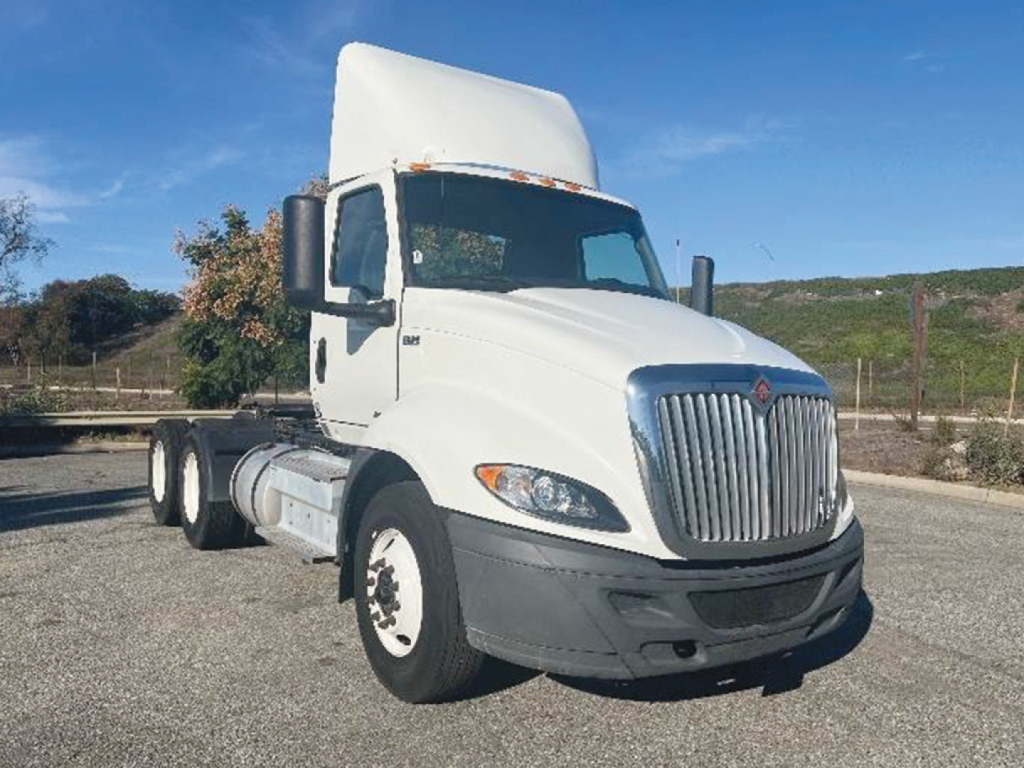
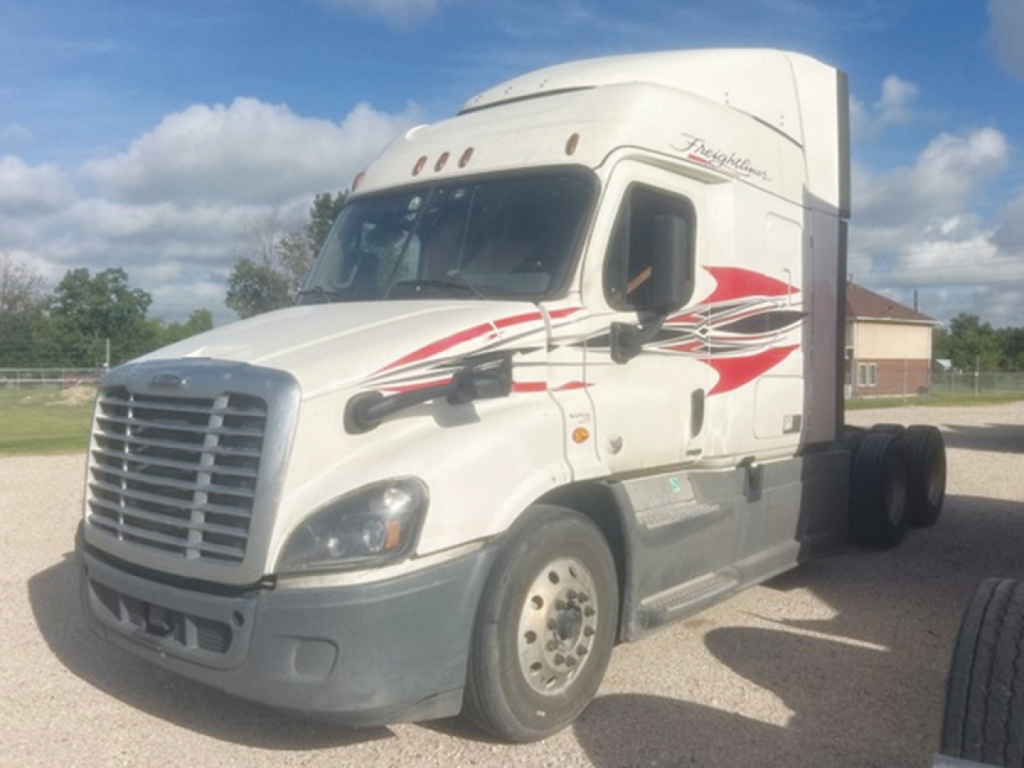

Have 2018 conventional daycab truck to sell? List it here to reach thousands of buyers.
2018 Conventional Daycab Trucks in Texas
The spec decisions matter more than the badge. For most 2018 daycab buyers, wheelbase, rear axle ratio, transmission type, and engine rating should match the job before anything else. Shorter wheelbases are easier to turn and better for city and yard access, while longer wheelbases can improve ride quality and allow for larger fuel capacity. Common engines in this class include 11 to 13 liter diesel platforms, usually paired with automated manual transmissions or traditional manuals. Texas operators often favor specs that balance highway speed with fuel economy, such as mid-3.xx or even lower axle ratios on regional lanes, while heavier stop-and-go or port work may call for a deeper ratio and more aggressive startability.
A 2018 conventional daycab can be set up for a wide range of trailer combinations, so it is important to confirm fifth wheel position, frame layout, PTO capability if needed, and suspension rating. Tandem axle daycabs with 40,000 lb rears are common, but actual application depends on gross combination weight, trailer type, and how often the truck will operate loaded versus empty. Buyers should also look closely at brake configuration, tire size, fuel tank placement, fairings, and whether the truck has air ride suspension, engine brake, locking differentials, and driver comfort items like adjustable steering, premium seating, and integrated telematics. These details affect uptime and operating cost as much as headline horsepower.
For Texas use, cooling system condition, A/C performance, emissions system health, and service history deserve extra attention. Heat, long idle time, and mixed duty cycles can expose weak points in EGR, DPF, DEF, and aftertreatment components, especially on trucks that have spent years in city service. A solid 2018 daycab should be evaluated for mileage, engine hours, clutch or automated transmission calibration history, suspension wear, and frame integrity around the fifth wheel and crossmembers. When the truck is properly spec'd, a conventional daycab remains one of the most efficient tractor formats for high-frequency turns, regional freight, and operations where every foot of trailer access and every pound of payload matters.
Frequently Asked Questions about 2018 Conventional Daycab Trucks in Texas
What is a conventional daycab truck used for?
A conventional daycab truck is primarily used for local and regional hauling where the driver returns home daily and does not need sleeper space. Common applications include dry van, reefer, flatbed, tank, intermodal, dedicated retail routes, and port or terminal work. The shorter cab configuration improves maneuverability and reduces weight, which makes it a strong fit for frequent stops, tight delivery locations, and high-cycle operations.
What should I look for when buying a 2018 conventional daycab in Texas?
Focus first on the truck's intended duty cycle. Wheelbase, axle ratio, engine horsepower, torque rating, transmission type, and rear suspension capacity should match the trailers and average gross weights you expect to pull. In Texas, buyers should also pay close attention to A/C output, cooling system condition, aftertreatment service records, and overall idle-hour history because heat and extended low-speed operation can affect long-term reliability.
Are automated manual transmissions common in 2018 daycab trucks?
Yes. By 2018, automated manual transmissions were common across major OEMs in conventional daycab tractors. They are popular for fleet service because they help standardize driver performance, reduce clutch wear from inconsistent shifting, and can support fuel economy goals. A buyer should still review software update history, calibration records, clutch life if applicable, and how the transmission was spec'd for the truck's axle ratio and intended load profile.
What wheelbase is best for a conventional daycab?
The best wheelbase depends on the application. Shorter wheelbases generally improve turning radius and are better for city work, container yards, and docks with limited space. Longer wheelbases can deliver a smoother ride, more room for fuel tanks or accessories, and better fit for certain trailer settings. The right choice comes down to bridge laws, trailer swing clearance, fuel capacity needs, and how much maneuverability the route demands.
How important is axle ratio on a 2018 daycab truck?
Axle ratio has a major effect on startability, cruise RPM, grade performance, and fuel consumption. A numerically lower ratio can help reduce engine speed at highway cruise and improve fuel economy on lighter regional runs. A numerically higher ratio can improve low-speed pulling power and launch performance for heavier loads, frequent starts, and vocational duty. On a used 2018 daycab, axle ratio should be evaluated together with transmission gearing, tire size, and the truck's actual operating speeds.