
2018 Freightliner Conventional Daycab Trucks For Sale in Texas
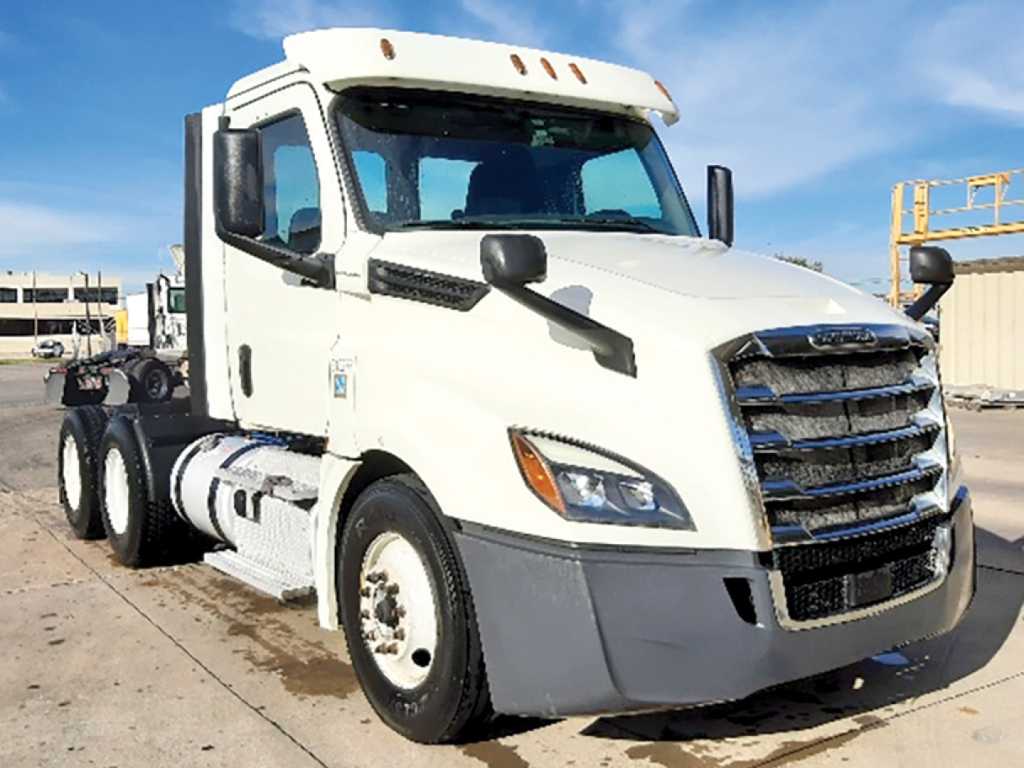
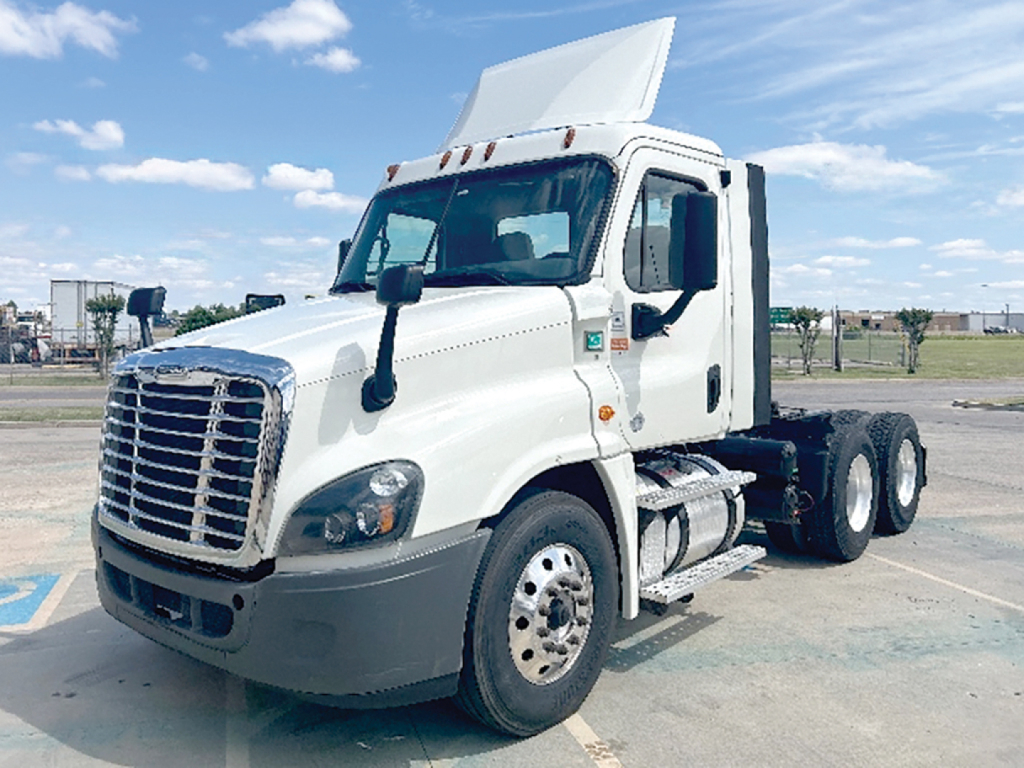
Shop 2018 Freightliner conventional daycab trucks in Texas. Compare Cascadia specs, DD13 engines, wheelbases, axle ratings, and daycab applications.
Learn more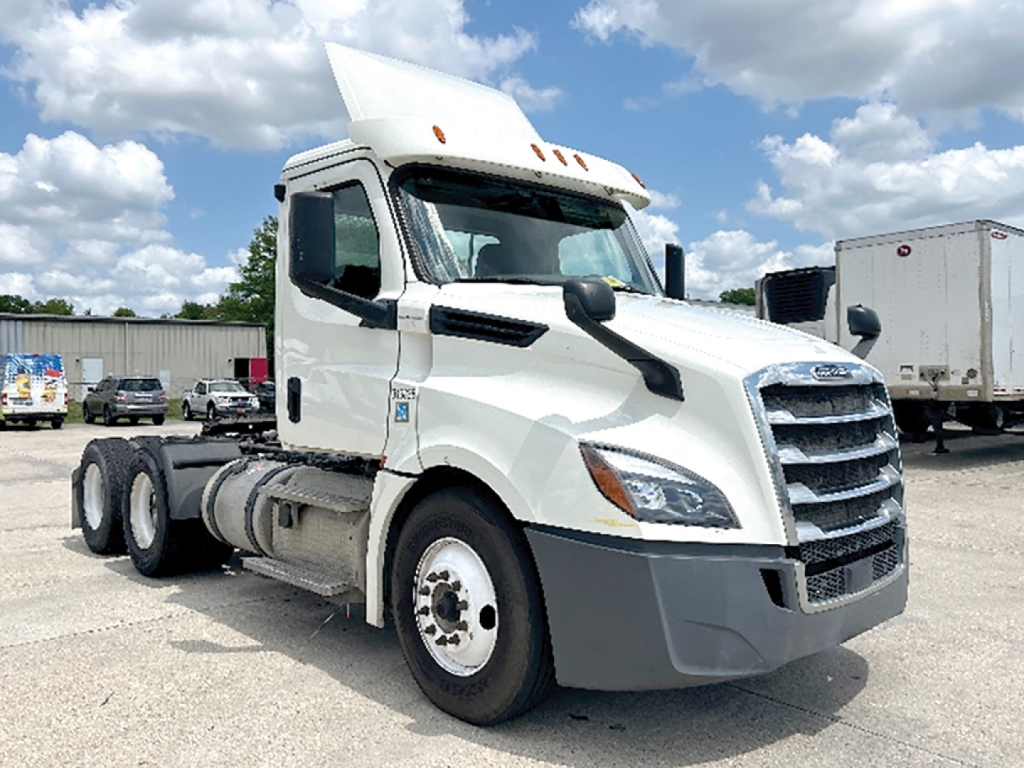
Have 2018 freightliner conventional daycab truck to sell? List it here to reach thousands of buyers.
About 2018 Freightliner Conventional Daycab Trucks in Texas
The key spec decisions usually start with engine, transmission, axle rating, and wheelbase. A 2018 Freightliner daycab often shows up with a Detroit DD13 in the low-to-mid 400 horsepower range, paired with a DT12 automated manual transmission. That setup is popular for fuel economy, simple driver training, and strong performance in regional service. Buyers should match rear axle capacity and ratio to the actual job. A 40,000-pound tandem with a 3.08 ratio is a common fit for van, reefer, and general freight, while a lighter single-axle setup can make sense for weight-sensitive or urban applications. Wheelbases in the mid-170-inch range are common on daycabs and can affect trailer swing clearance, bridge law flexibility, and how easily the truck works in tight yards or customer docks.
Brake and suspension specs matter more than many buyers expect. Air ride suspension remains the standard choice for ride quality and freight protection, and disc brakes are increasingly desirable for stopping performance, easier inspections, and reduced fade in repeated stop-and-go service. An air slide fifth wheel adds flexibility if the truck will pull different trailer lengths or needs kingpin setting adjustment across multiple accounts. Common supporting specs on Freightliner daycabs include dual aluminum fuel tanks, horizontal exhaust, cab extenders, fairings, quarter fenders, and 11R22.5 rubber. These details affect operating range, trailer compatibility, aero efficiency, and maintenance costs over time.
Cab condition and electronics deserve a close look on any 2018 model. Freightliner daycabs from this era often include cruise control, power windows, tilt and telescoping steering, air conditioning, and in many cases collision mitigation systems. That can be a real advantage for fleets focused on driver retention and safety compliance. Buyers should also evaluate idle hours, maintenance history, emissions system service, clutch and transmission calibration history on DT12-equipped trucks, and wear points like bushings, steering components, and fifth wheel movement. A well-spec'd 2018 Freightliner conventional daycab can still be a strong value in Texas service if the drivetrain, axle spec, and cab layout are matched to the freight and route profile.
Frequently Asked Questions
What is a 2018 Freightliner conventional daycab best used for?
A 2018 Freightliner conventional daycab is best suited for regional hauling, local freight, drayage, terminal-to-terminal work, dedicated contract lanes, and other operations where the driver returns home regularly. The daycab layout eliminates sleeper weight and length, which can improve maneuverability and payload efficiency. In Texas, this type of truck is commonly used for dry van, reefer, flatbed, tanker, and container moves where route density and quick turns matter more than over-the-road living space.
What engine and transmission are common in a 2018 Freightliner daycab?
Many 2018 Freightliner conventional daycabs are equipped with a Detroit DD13 diesel engine and a DT12 automated manual transmission. This combination is popular because it offers a good balance of horsepower, fuel economy, and ease of operation across mixed regional duty cycles. Some trucks may have different engine ratings or drivetrain specs, so buyers should verify horsepower, torque, rear axle ratio, and transmission programming to make sure the truck is suited for the trailer weights and terrain it will actually run.
How important are axle ratio and wheelbase on a Freightliner daycab?
Axle ratio and wheelbase have a direct impact on performance, fuel economy, maneuverability, and trailer compatibility. A taller ratio such as 3.08 is common for highway-oriented regional work and can help keep engine rpm down, while other ratios may be better for heavier loads or more stop-and-go service. Wheelbase affects turning radius, bridge compliance, and the ability to properly position different trailers using the fifth wheel. Buyers should compare these specs against kingpin settings, trailer gap needs, and the loading environment before choosing a truck.
Are disc brakes and air ride suspension worth prioritizing on this category?
Yes, for many buyers they are. Disc brakes can improve stopping consistency, reduce brake fade, and simplify visual inspection compared with traditional drum setups. Air ride suspension helps ride quality and can be beneficial for both driver comfort and freight protection, especially on rougher regional routes. On a used 2018 Freightliner daycab, these features can also support resale value, but the condition of the brake system, suspension bags, shocks, and related hardware is just as important as the original spec.
What should buyers inspect first on a used 2018 Freightliner conventional daycab?
Start with maintenance records, engine hours, odometer reading, emissions system history, and any fault code activity. Then inspect the DD13 or other engine for leaks, regen-related issues, and service documentation, followed by DT12 shift quality and calibration history if equipped. After that, check the fifth wheel, frame condition, suspension wear, steering play, brake life, tire condition, and cab electronics. A daycab can look clean and still have an axle, aftertreatment, or transmission spec that does not fit the intended application, so the first inspection should always confirm both mechanical condition and vocational fit.