
2017 Conventional Daycab Trucks For Sale in New York
Shop 2017 conventional daycab trucks in New York. Compare wheelbase, engine, axle ratings, transmission, and fifth wheel setup.
Learn more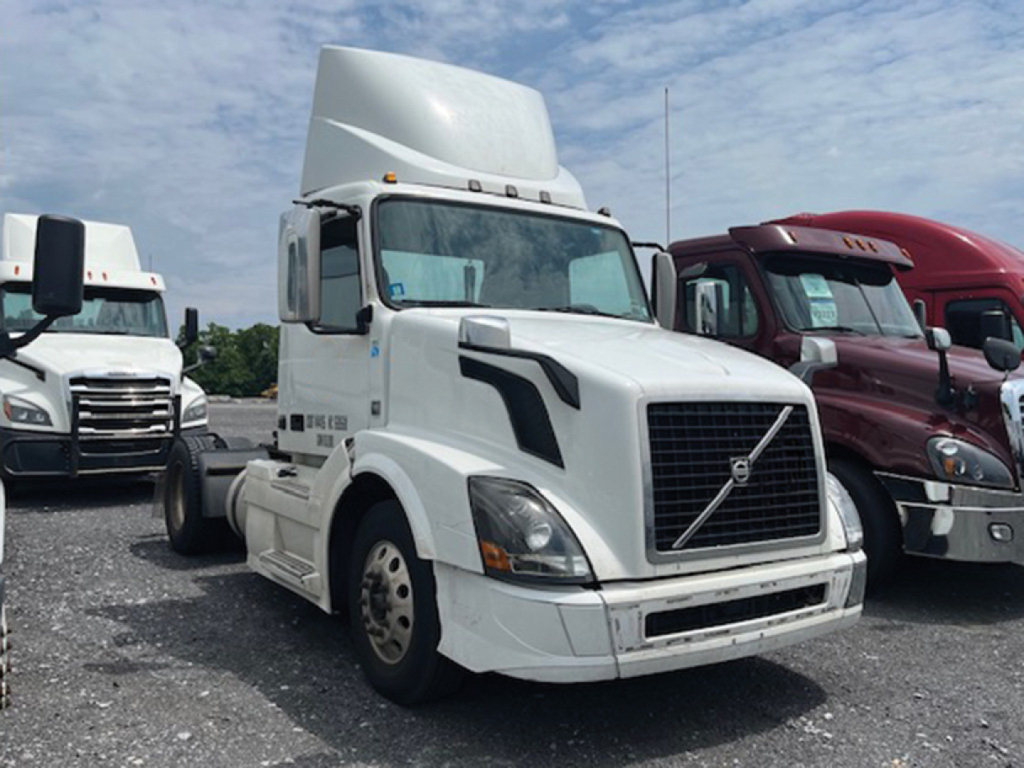

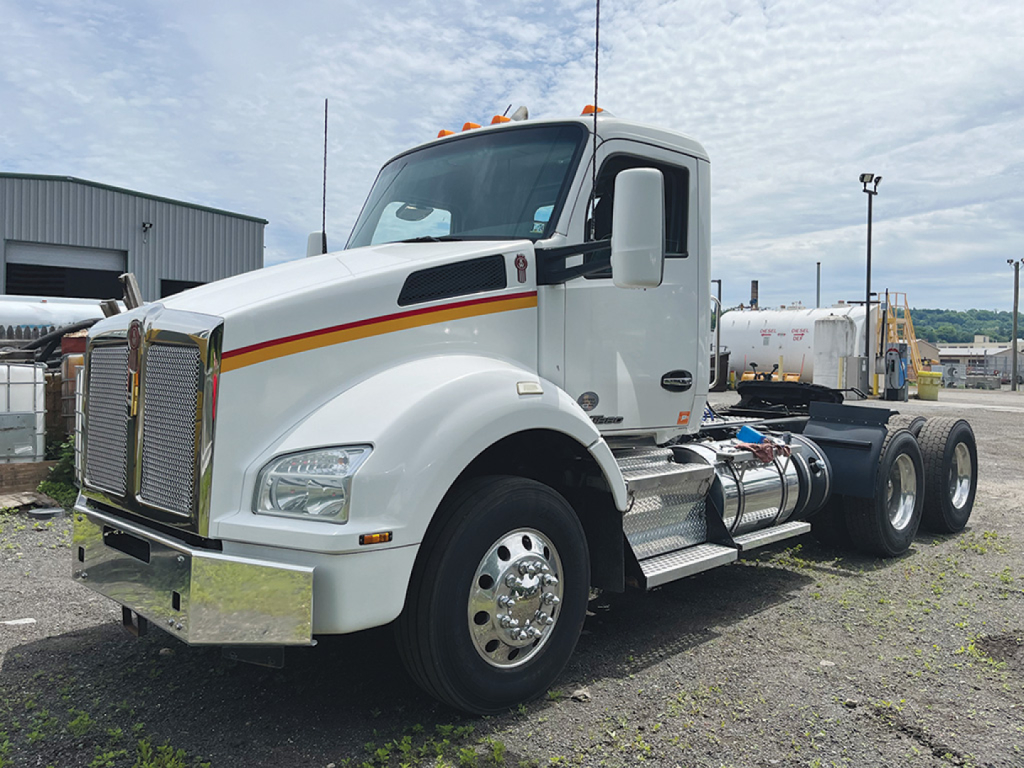
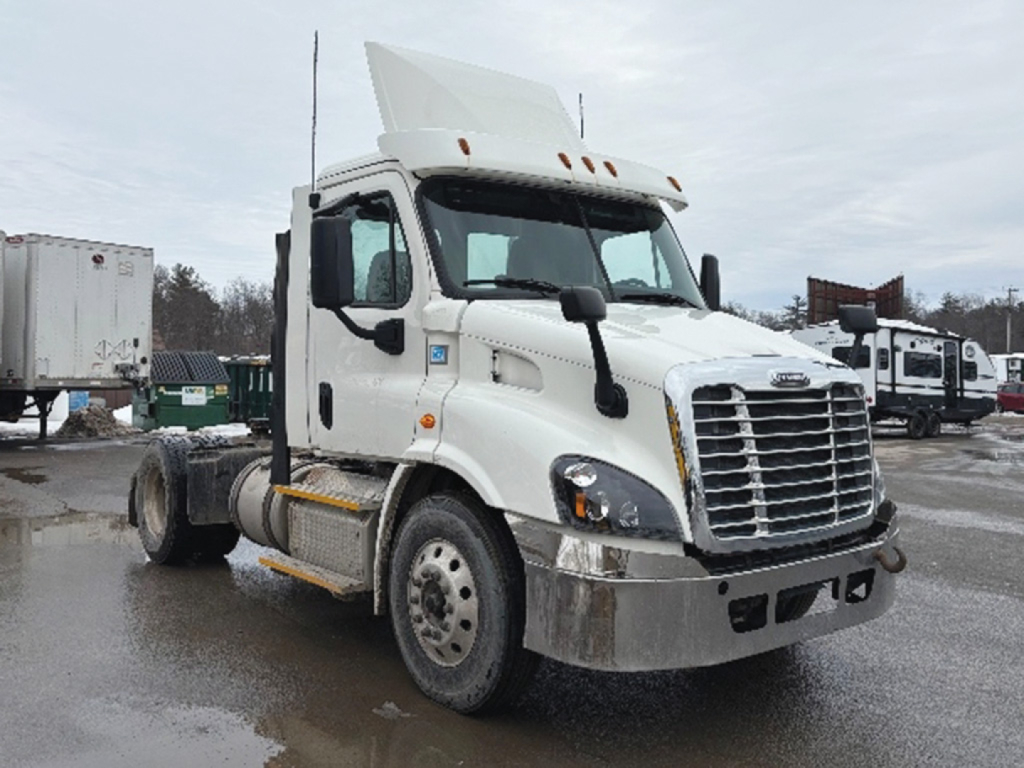
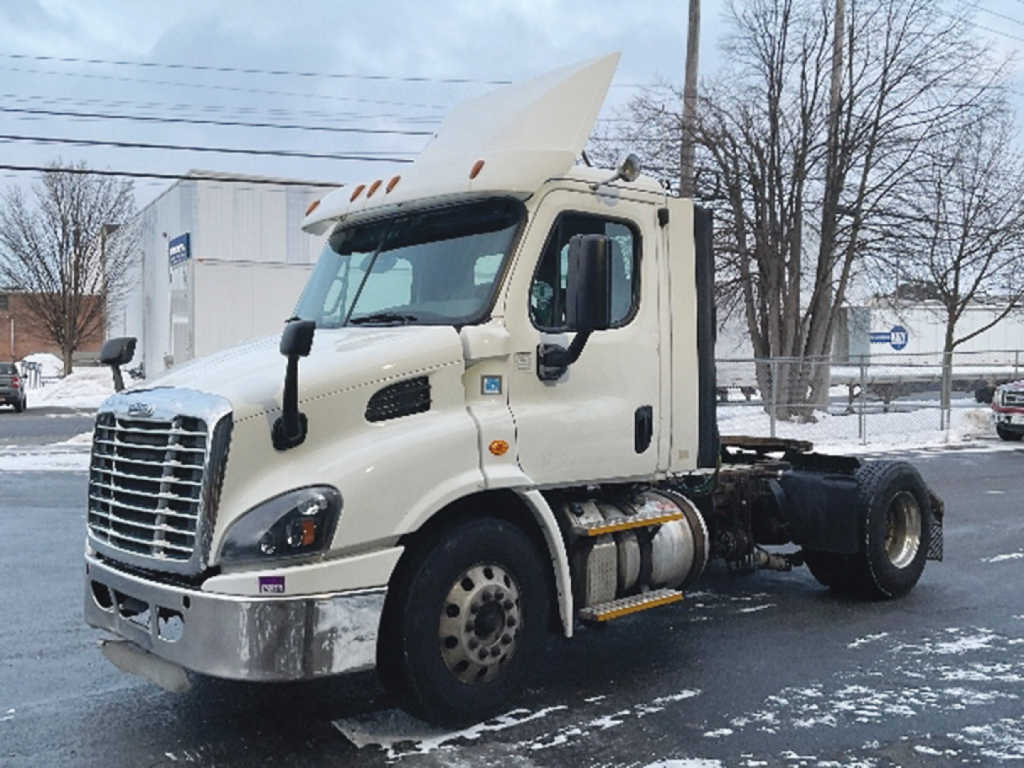
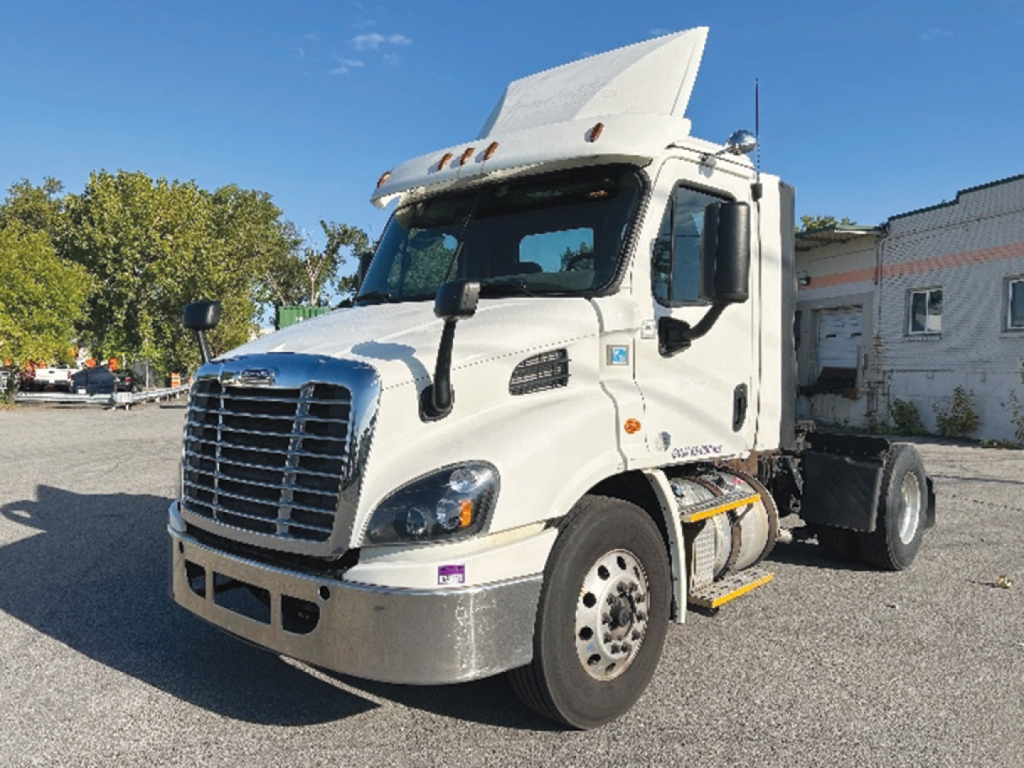
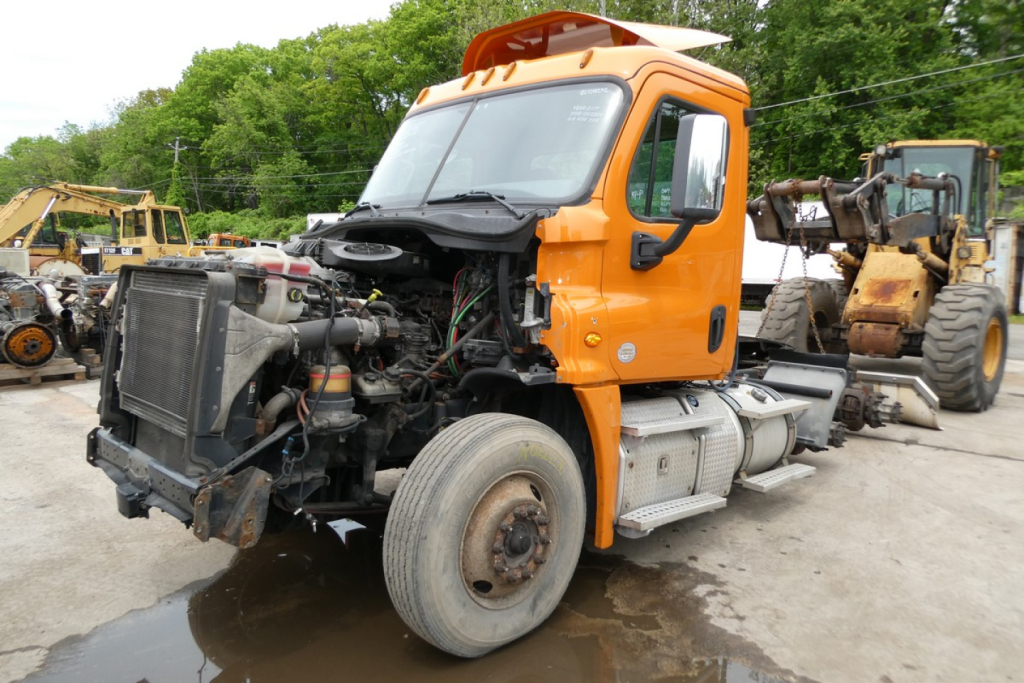
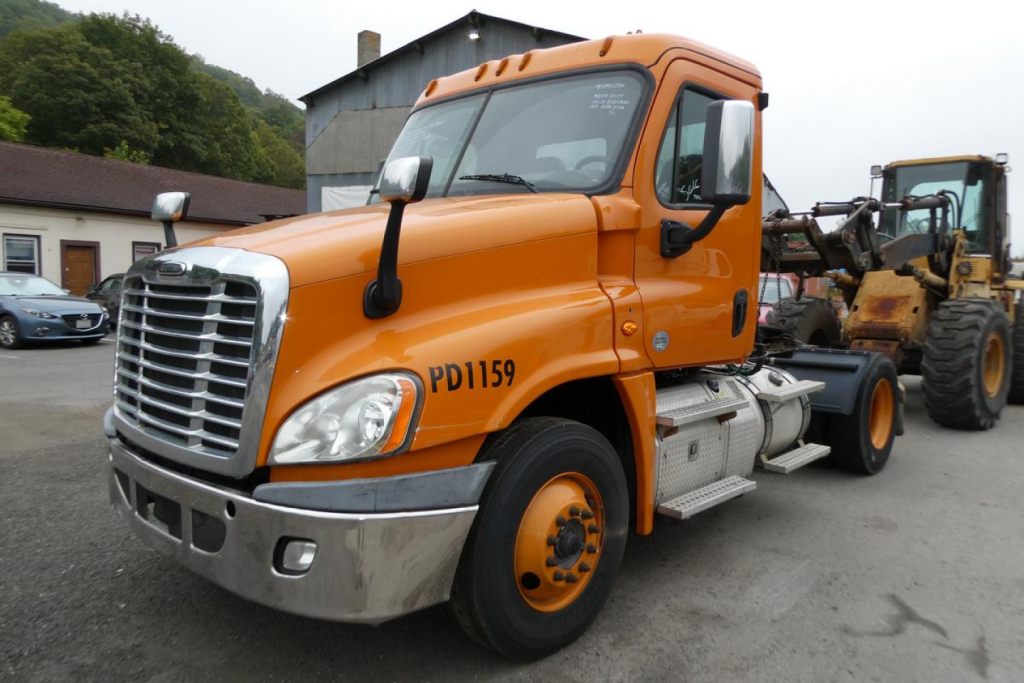
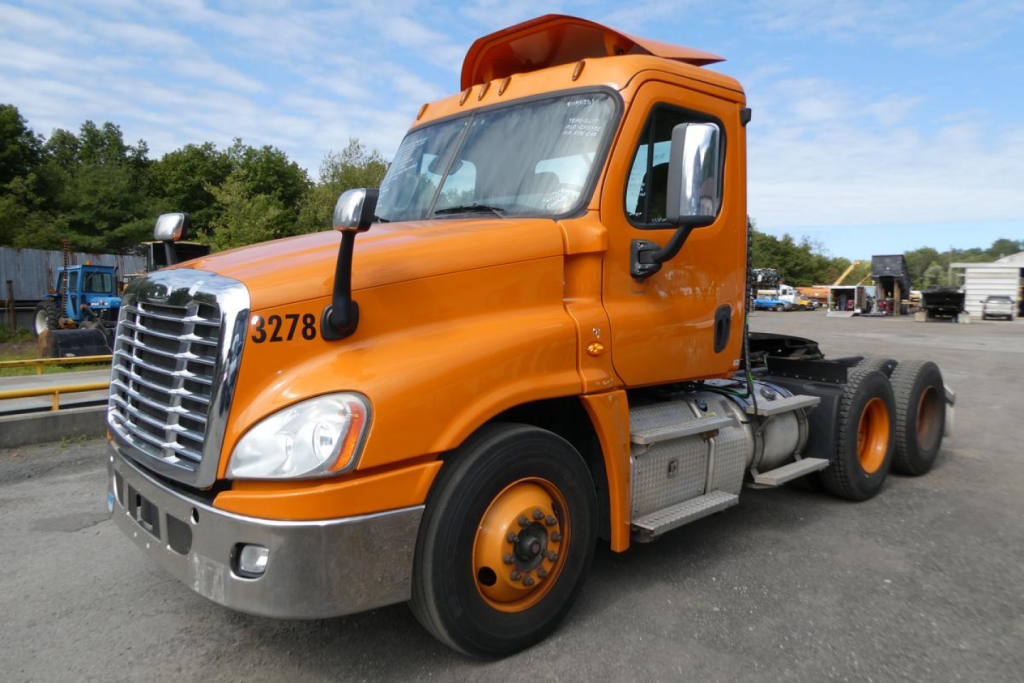
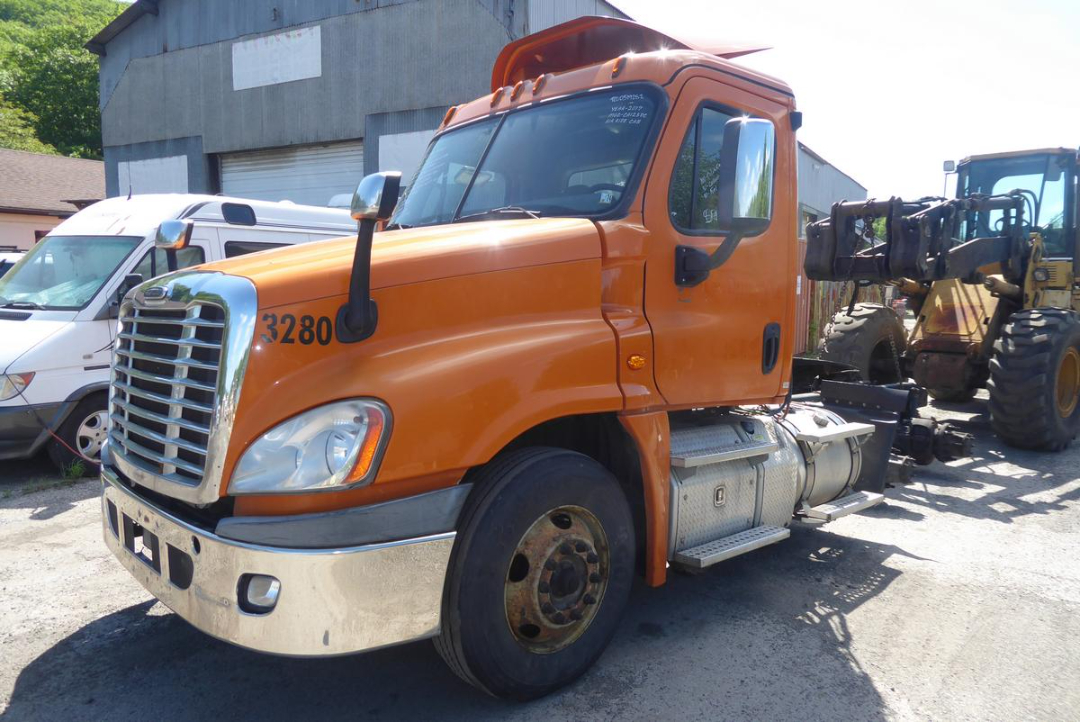
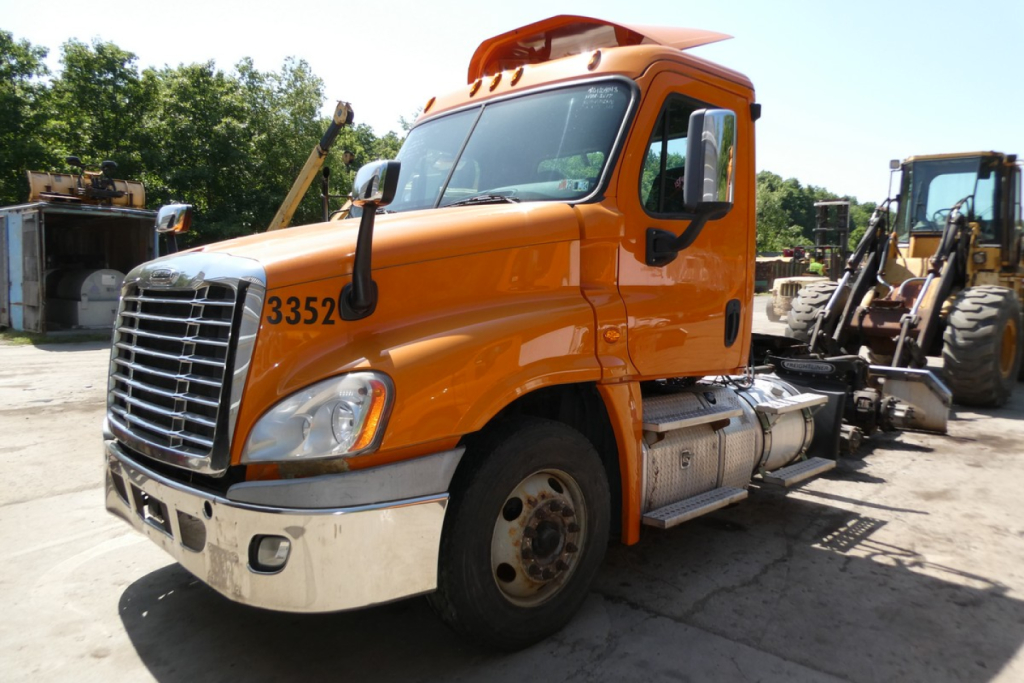
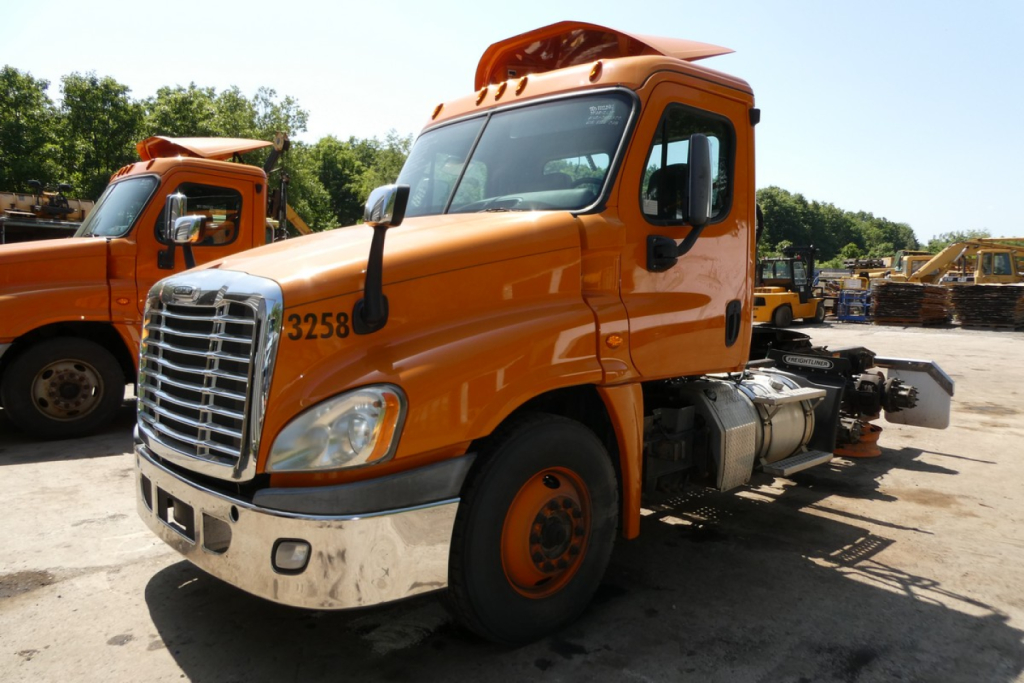
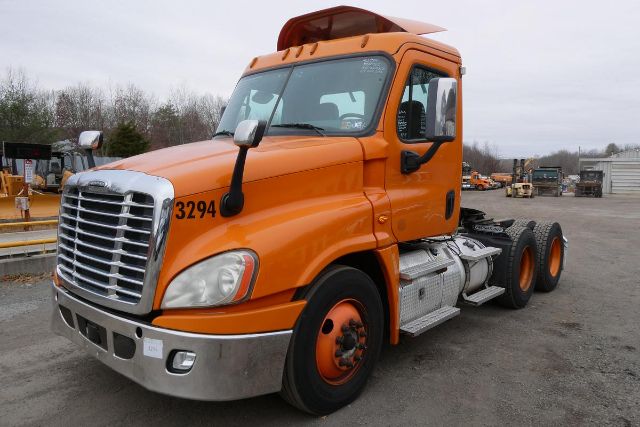
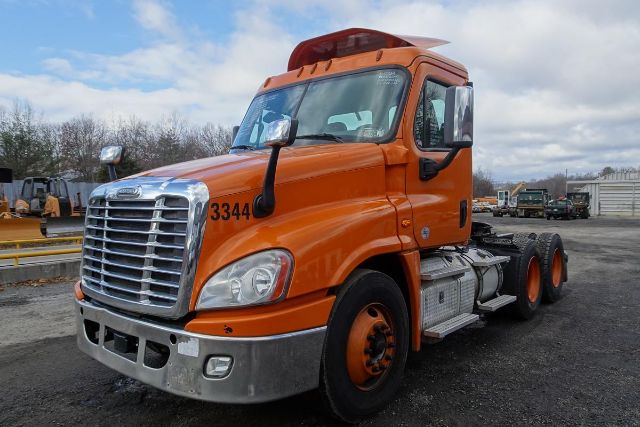
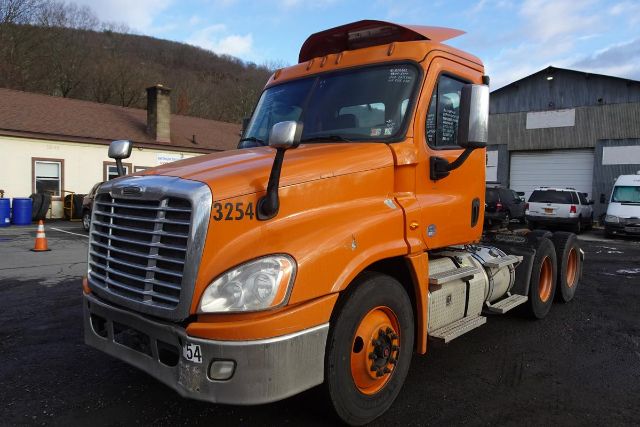
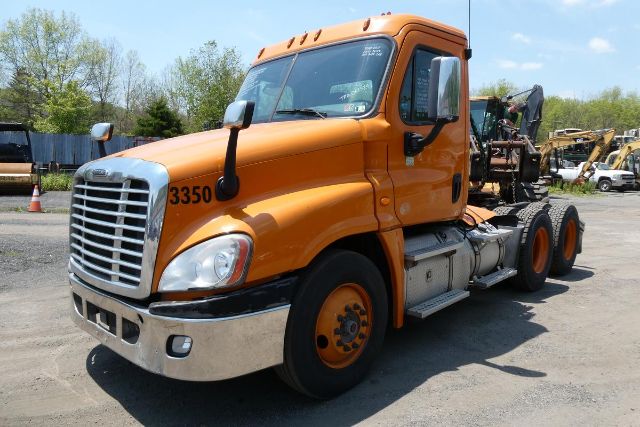
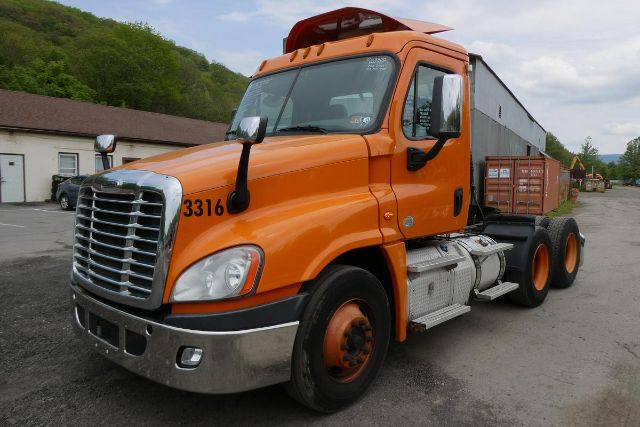
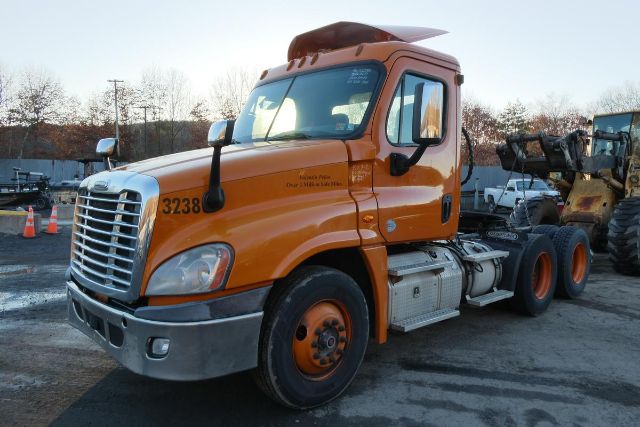
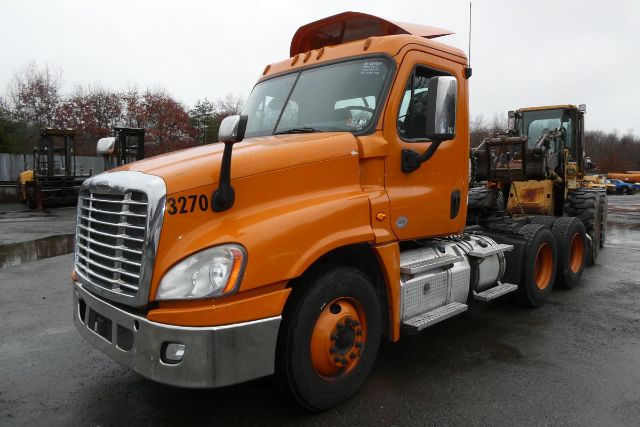
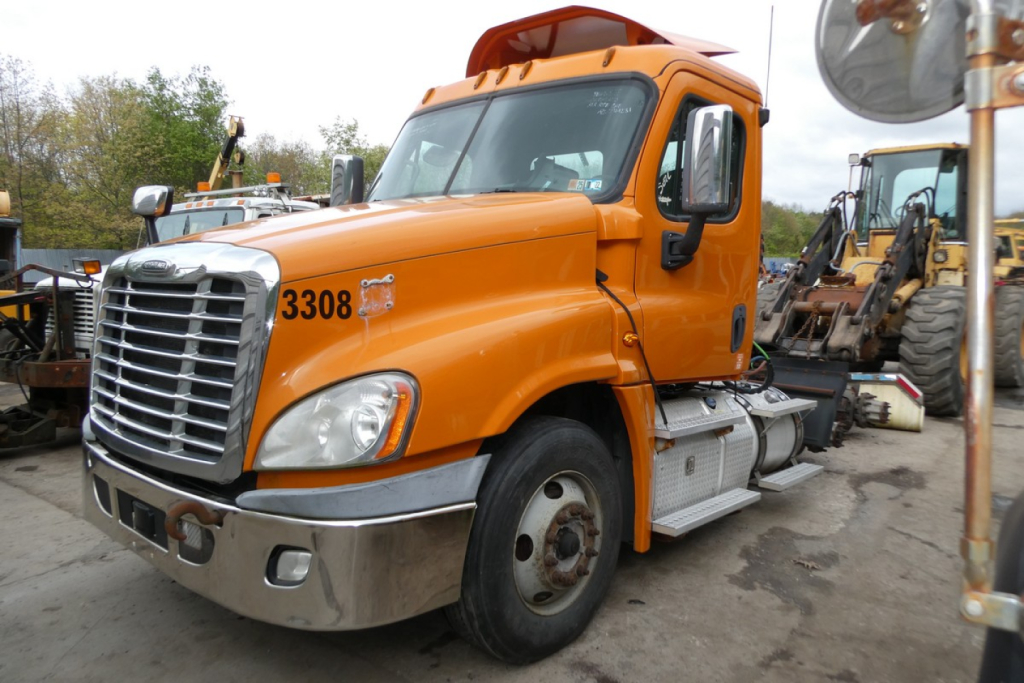
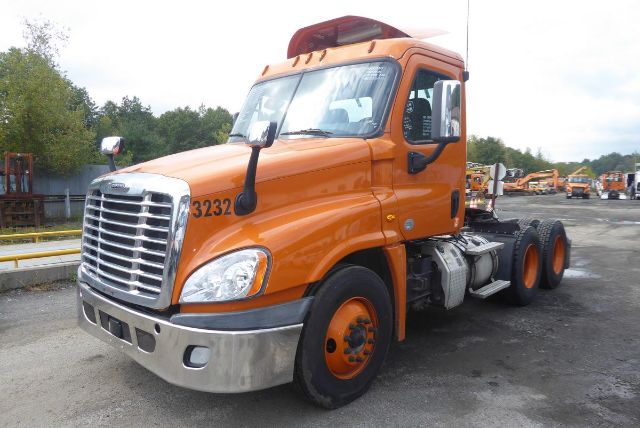
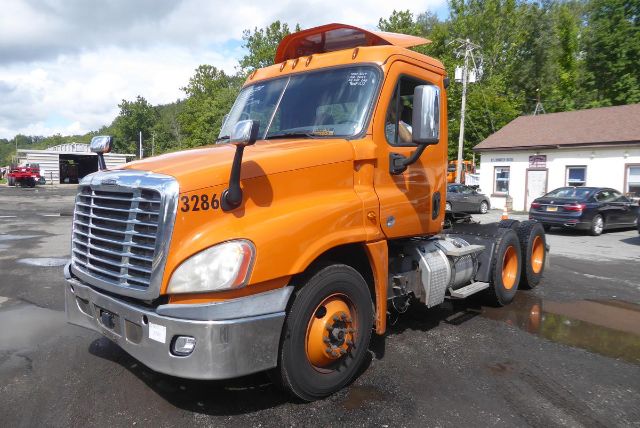
Showing 1 to 24 of 26 results
Have 2017 conventional daycab truck to sell? List it here to reach thousands of buyers.
About 2017 Conventional Daycab Trucks in New York
Spec selection matters more than the badge on the hood. Many 2017 conventional daycabs are set up with a 12,000 lb front axle and tandem rears rated from around 23,000 lb to 40,000 lb or higher, with suspensions and axle ratios chosen for either lighter regional van work or heavier container, dump, and vocational pulling. Wheelbase is a key buying point. Shorter wheelbases improve turning radius and dock access in tighter urban freight environments, while longer wheelbases can ride better and allow more room for frame-mounted equipment. Fifth wheel style also affects usability. A stationary fifth wheel is common on dedicated applications, while an air-slide fifth wheel gives more flexibility for trailer balance and kingpin settings across mixed fleets.
For a used 2017 daycab, powertrain condition and maintenance history should lead the inspection. Confirm engine hours against odometer reading, check for fault codes, review aftertreatment service records, and inspect for leaks around the engine, transmission, and differential housings. On trucks with automated manuals, verify clutch calibration, shift performance, and software health. Air disc brakes are common on better-spec highway tractors from this era and can be a plus for stopping performance and serviceability, but lining and rotor condition still need close attention. Suspension condition, frame integrity, tire wear pattern, and signs of prior fifth wheel or trailer contact are all worth checking, especially on trucks that spent time in dense terminal or city service.
A well-matched 2017 conventional daycab can still be a strong value for fleets and owner-operators that need a dependable local tractor without paying for sleeper weight and complexity. The best fit depends on lane length, trailer type, gross combination weight, and how often the truck operates in congestion versus open highway. In New York service, buyers usually benefit from balancing compact dimensions with enough axle, suspension, and cooling capacity to handle stop-and-go work, seasonal weather, and higher idle time. The right truck in this category should be easy to service, correctly geared for the route, and spec'd to match the freight instead of forcing the operation to adapt to the truck.
Frequently Asked Questions
What is a conventional daycab truck used for?
A conventional daycab truck is a road tractor without a sleeper compartment, designed for local and regional hauling. It is commonly used for container drayage, dry van, reefer, flatbed, terminal work, and dedicated route operations where the driver returns the same day. The shorter cab configuration reduces weight and overall length, which helps in tighter yards, urban streets, and frequent dock work.
What should I look for when buying a used 2017 conventional daycab?
Start with the core specs and the service record. Verify engine make, horsepower, transmission type, axle ratings, suspension, wheelbase, rear axle ratio, and fifth wheel setup against the work the truck will actually do. Then inspect emissions system history, engine hours, fault codes, brake condition, tire wear, frame rails, suspension bushings, and signs of collision or trailer impact damage. A truck with the right spec and documented maintenance is usually a better buy than one with higher horsepower but the wrong gearing or axle package.
Is an automated manual transmission a good choice in a 2017 daycab?
For many regional and urban operations, yes. Automated manual transmissions such as a 12-speed Detroit DT12 can improve driver consistency, reduce missed shifts, and help with fuel economy. They are especially useful in stop-and-go traffic and multi-driver fleets. The key is to confirm smooth engagement, proper calibration, and clean service history, because shift quality and clutch life depend heavily on maintenance and software condition.
What axle ratio and wheelbase work best for New York daycab service?
That depends on trailer type, average load, and operating radius. Lower numerical ratios such as 3.08 can favor fuel economy on highway-oriented lanes, while deeper ratios like 3.42 or 3.73 may better suit heavier starts, city work, and routes with more stop-and-go driving. A shorter wheelbase generally helps with maneuverability in boroughs, terminals, and older industrial areas, while a slightly longer wheelbase can improve ride quality and stability for heavier regional runs.
Are air disc brakes worth having on a used conventional daycab?
Air disc brakes can be a real advantage on a daycab that sees dense traffic and repeated stopping. They typically provide strong, consistent braking and can simplify certain service tasks compared with drum setups. That said, condition matters more than the brake type alone. Inspect rotor thickness, pad life, caliper movement, and air system health, because repair costs on neglected air disc systems can offset their performance benefits.