
2004 Conventional Day Cab Trucks For Sale
Compare 2004 conventional day cab trucks for sale by engine emissions, axle setup and service history to match local hauling and regional operating rules.
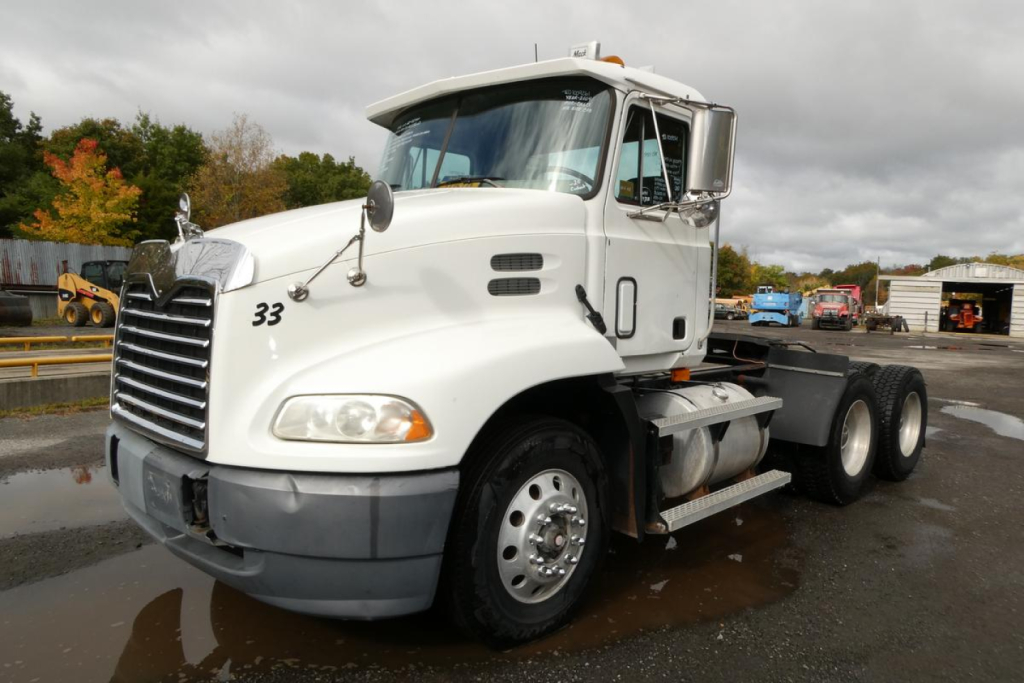
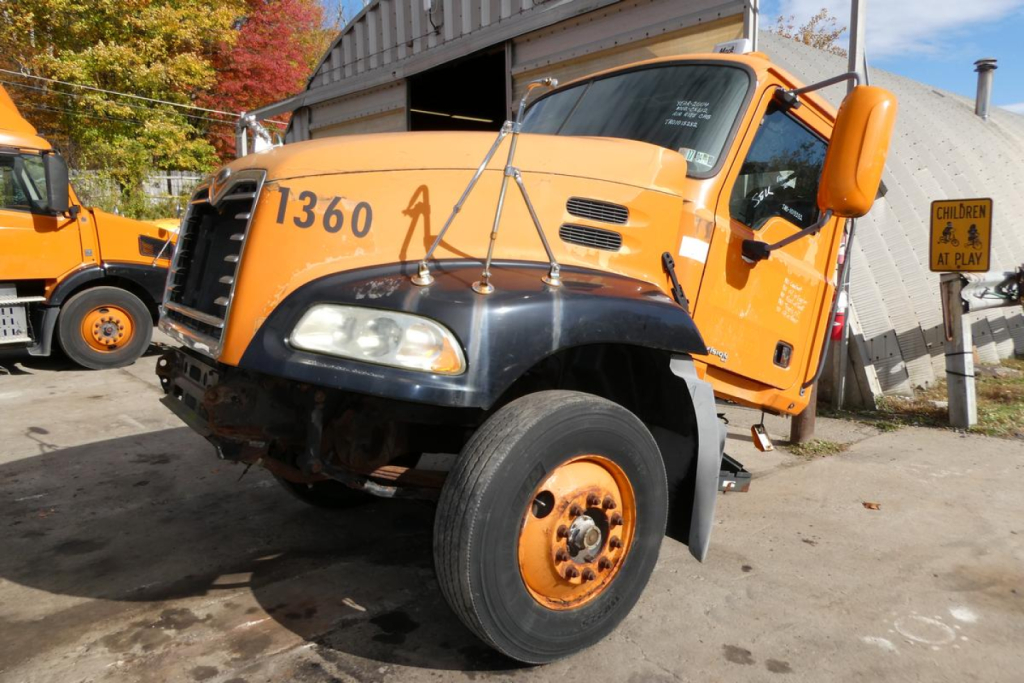
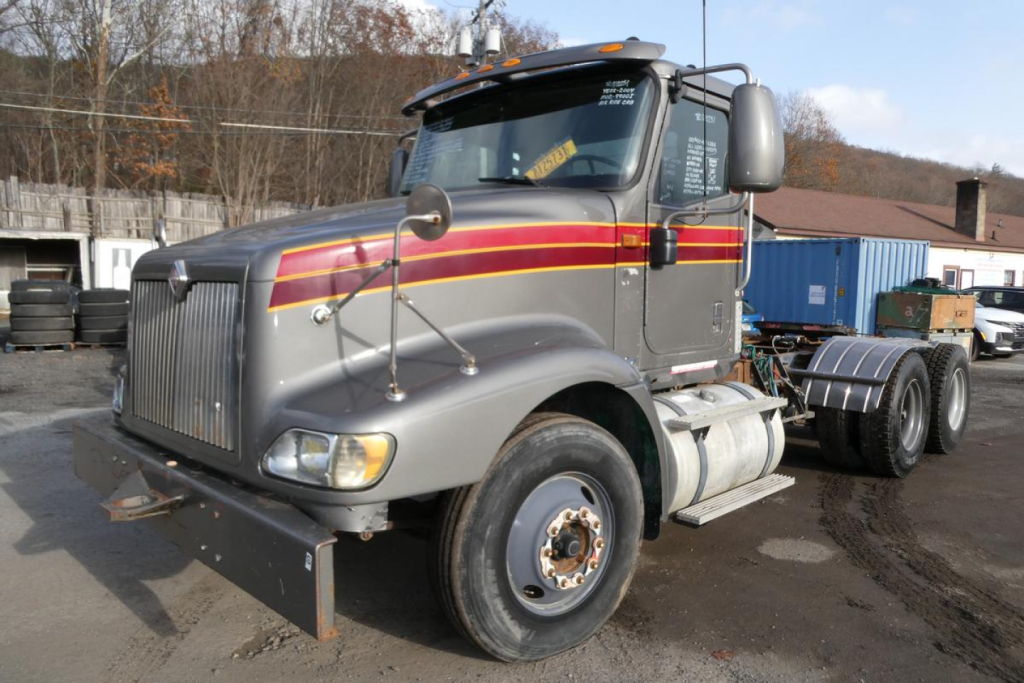
Selling a 2004 conventional day cab truck? List your 2004 conventional day cab truck for sale and reach thousands of commercial buyers.
2004 Conventional Day Cab Trucks
Engine and drivetrain choices vary across makes. International 9400 tractors commonly paired Cummins ISX power with manual transmissions, Mack Vision models used Mack AC engines, and Freightliner Columbia tractors could carry Detroit Series 60 power. Engine-specific service history matters more than the badge. Compare single-axle and tandem-drive layouts against loaded trailer weight, traction needs and route grades. A 12,000-pound steer axle with 40,000-pound tandem rears is a familiar road-tractor configuration, not a guarantee of legal payload. Check fifth-wheel travel, axle ratio and tire size against trailer geometry and intended cruising speed.
On used trucks, reconcile odometer readings with ECM mileage, engine hours and repair invoices, especially after an engine or dash replacement. Request a cold start and loaded road test, then inspect blowby, coolant pressure, clutch engagement, transmission noise, steering play and air-system leakdown. Salt exposure can leave serious frame, cab-mount and air-tank corrosion even on a low-mileage tractor. Distinguish complete runners from nonrunning projects or incomplete chassis. Any unused 2004 truck offered as new still needs age-related hose, seal, tire and brake inspection; confirm written warranty terms and whether a qualifying first retail sale triggers the 12% federal excise tax.
Operating location can decide whether a sound tractor is useful. California's Truck and Bus Regulation generally requires 2010-or-newer engines in diesel trucks over 26,000 pounds GVWR, subject to exemptions; adding a DPF alone does not meet that requirement. Check eligibility before committing to California work. Elsewhere in the United States and Canada, verify route-specific axle limits, bridge restrictions and provincial or state inspection requirements rather than assuming the chassis rating establishes legal combination weight.
Frequently Asked Questions about 2004 Conventional Day Cab Trucks
What CDL do I need to drive a 2004 day cab tractor?
A typical 2004 day cab tractor pulling a semitrailer requires a Class A CDL in the United States. The federal threshold generally covers combinations rated or weighing 26,001 pounds or more when the towed vehicle exceeds 10,000 pounds. Check the license for air-brake and manual-transmission restrictions. Canadian drivers generally need a provincial Class 1 or Class A license, with the required air-brake qualification.
Can a 2004 day cab legally haul an 80,000-pound combination?
A 2004 day cab can haul an 80,000-pound combination only if its ratings, axle loading and route limits all permit it. Standard US Interstate limits generally include 20,000 pounds on a single axle and 34,000 pounds on a tandem, subject to bridge-formula requirements and applicable exceptions. Scale the loaded combination axle by axle; a tractor's GVWR is not its allowable gross combination weight. Canadian limits follow provincial rules.
Is a 10-speed or 13-speed transmission better in a 2004 day cab?
A 10-speed usually suits routine local and regional freight, while a 13-speed provides closer ratio steps for changing grades and heavier work. On a 2004 day cab, confirm transmission torque capacity against the installed engine's rating, especially after a repower or uprate. Compare first gear, top gear, axle ratio and tire size together; transmission speed count alone does not establish starting ability or highway engine rpm.
What wet kit does a 2004 day cab need for a dump trailer?
The dump trailer's required hydraulic flow, pressure and reservoir capacity determine the wet kit for a 2004 day cab. Confirm that the transmission accepts the intended PTO and that PTO rotation, speed and pump mounting match the hydraulic design. Single-line and two-line arrangements are not interchangeable without checking the complete circuit. Inspect reservoir cleanliness, hose routing, relief-valve settings and clearance around the driveline before putting the combination to work.