
Construction/Vocational Trucks For Sale in Illinois
Browse construction and vocational trucks for demanding jobsite work, including mixer, pump, conveyor, dump, and severe-service chassis.
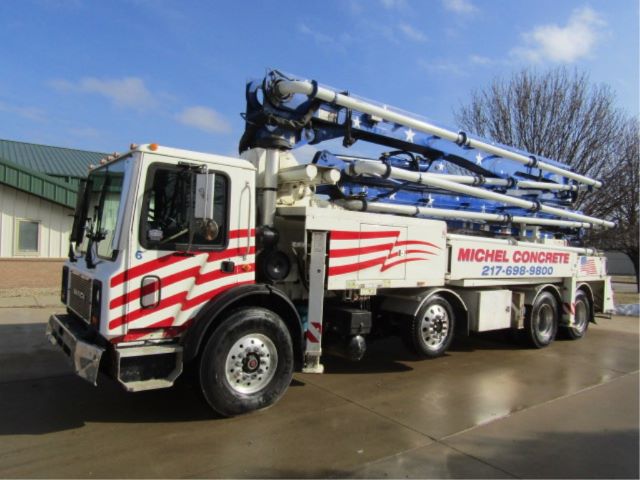
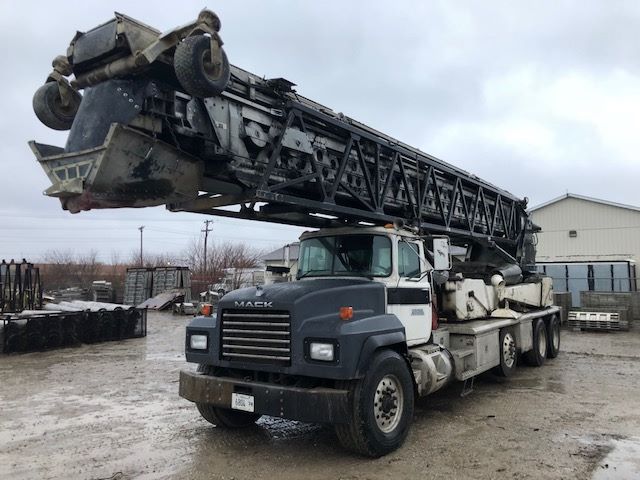
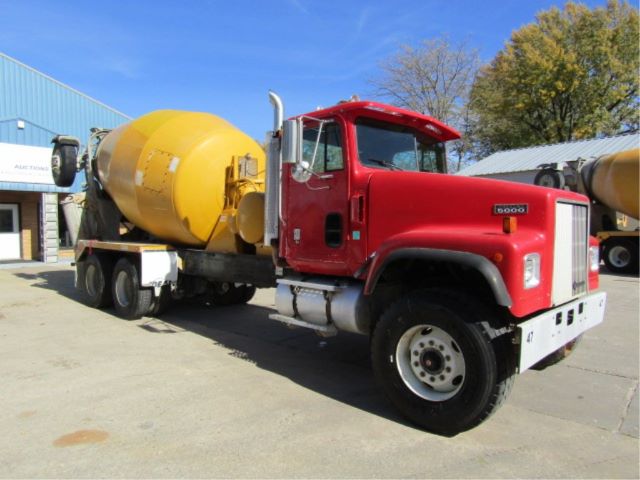
Selling a construction/vocational truck? List your construction/vocational truck for sale and reach thousands of commercial buyers.
Construction/Vocational Trucks in Illinois
A buyer should start with the truck’s intended application and weight profile. Front axle capacity, rear suspension type, frame strength, PTO provisions, and transmission gearing matter more here than on a linehaul truck. Many vocational units run set-back or set-forward front axles, double-frame rails, heavy camelback or walking beam suspensions, and deep reduction rears to handle off-road traction and constant load shifts. Engines are typically selected for low-end torque and durability rather than top-road speed, and transmissions range from manual and automated manual to Allison automatics depending on the duty cycle. If the truck will carry a mixer, pump, dump body, or conveyor system, confirm hydraulic setup, PTO hours, pump condition, and how the chassis was originally spec’d for the equipment.
Used construction trucks should be evaluated with more than mileage in mind. Engine hours, idle time, clutch wear, suspension bushing condition, frame corrosion, body mount integrity, and evidence of concrete, asphalt, or aggregate abuse often tell the real story. On mixer and pump trucks, drum condition, boom inspections, hopper wear, outriggers, and hydraulic leaks are major checkpoints. On dump and aggregate applications, hoist condition, liner wear, tailgate function, pintle setup, and rear crossmember damage are worth close inspection. Buyers in Illinois also tend to watch for rust in cabs, underbodies, and electrical connections due to winter road treatment and year-round exposure.
The best construction or vocational truck is the one that matches the work without carrying excess chassis cost or insufficient capacity. A short-wheelbase urban unit may be ideal for tight city pours or utility work, while a longer wheelbase and heavier suspension package may suit bridge formula mixers, high-capacity dumps, or conveyor applications. Look closely at GVWR, axle spacing, suspension ratings, body manufacturer support, and parts availability for both chassis and upfit. Mack, among other severe-service brands, remains common in this category because of durable vocational drivetrains and straightforward serviceability, but the right choice still comes down to payload, terrain, body integration, and the type of work the truck will see every day.
Frequently Asked Questions about Construction/Vocational Trucks in Illinois
What is considered a construction or vocational truck?
A construction or vocational truck is a severe-service truck designed for specialized work rather than general freight. This includes dump trucks, concrete mixers, pump trucks, conveyor trucks, roll-offs, water trucks, hooklifts, and other chassis with job-specific bodies or equipment. These trucks are typically built with heavier frames, higher axle ratings, vocational suspensions, PTO capability, and drivetrain specs intended for rough terrain, high loads, and frequent starts and stops.
What specs matter most when buying a used vocational truck?
The most important specs depend on the job, but buyers usually focus on axle ratings, wheelbase, suspension type, engine torque, transmission type, PTO setup, and frame configuration. Body-specific details matter just as much. A mixer buyer should verify drum capacity and hydraulic condition, while a dump buyer should inspect hoist and body wear. In Illinois, axle spacing and bridge-law considerations can also affect legal payload and route flexibility, so those dimensions should be confirmed early.
Is mileage or engine hours more important on a construction truck?
Engine hours are often as important as mileage, and in some cases more important. Vocational trucks may spend long periods idling at jobsites, powering hydraulic systems, or operating PTO-driven equipment without adding many road miles. A truck with moderate miles but very high hours can show more wear in the engine, cooling system, transmission, and PTO components than the odometer suggests. The best evaluation looks at both mileage and hours along with maintenance records and wear indicators.
What should I inspect on a concrete mixer or pump truck?
On a mixer truck, inspect drum condition, chute structure, water system, hydraulic components, PTO operation, subframe integrity, and signs of excessive buildup or cracking. On a pump truck, pay close attention to boom condition, outrigger function, hydraulic leaks, hopper wear, and documented inspection history for the boom and pumping system. The chassis itself still needs a full vocational inspection, especially frame rails, suspension, steering components, and brake condition, because these trucks carry substantial weight and work under constant stress.
Are vocational trucks in Illinois prone to rust and corrosion?
Yes. Illinois trucks often see winter salt, wet jobsite conditions, and year-round exposure that can accelerate rust in cabs, frame components, electrical connections, brake hardware, and body mounts. Corrosion does not automatically rule out a truck, but it should be evaluated carefully around spring hangers, crossmembers, wiring, hydraulic line supports, and underbody structure. Surface rust is common, while scaling, cracked mounts, or severe frame corrosion can become a costly repair issue.