
Used Chipper Trucks For Sale in Florida
Browse used chipper trucks in Florida. Compare arborist and landscape chip box trucks with dump bodies, PTO hoists, and non-CDL GVWR options.
Learn moreBrowse Chipper Trucks by Make
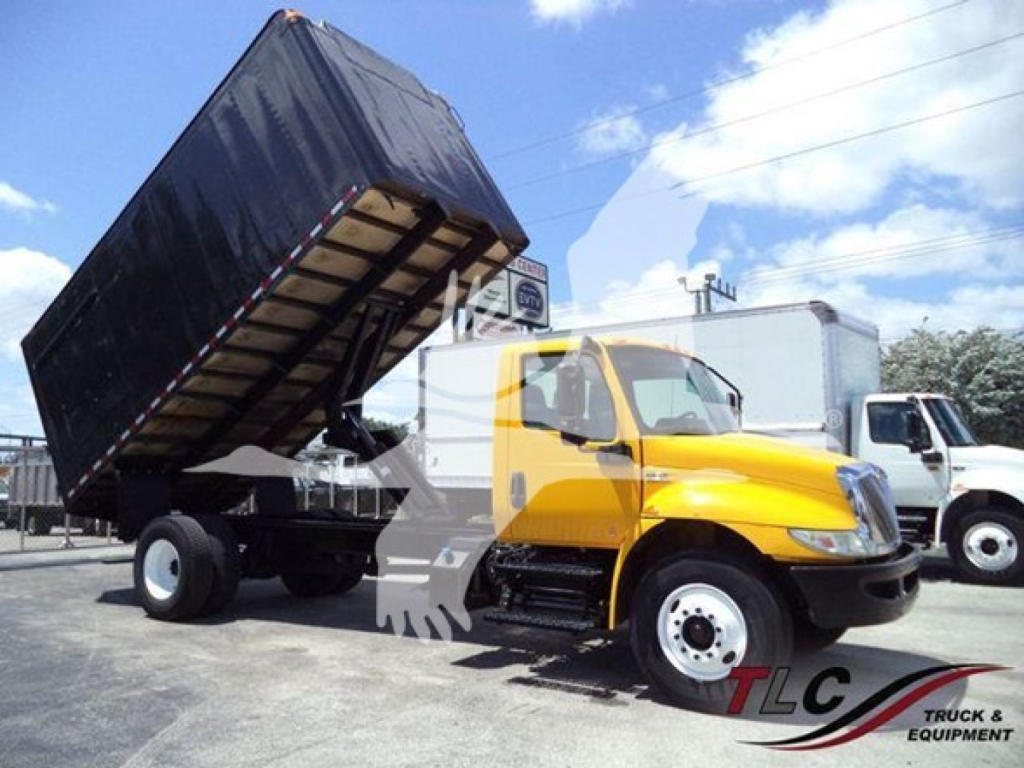
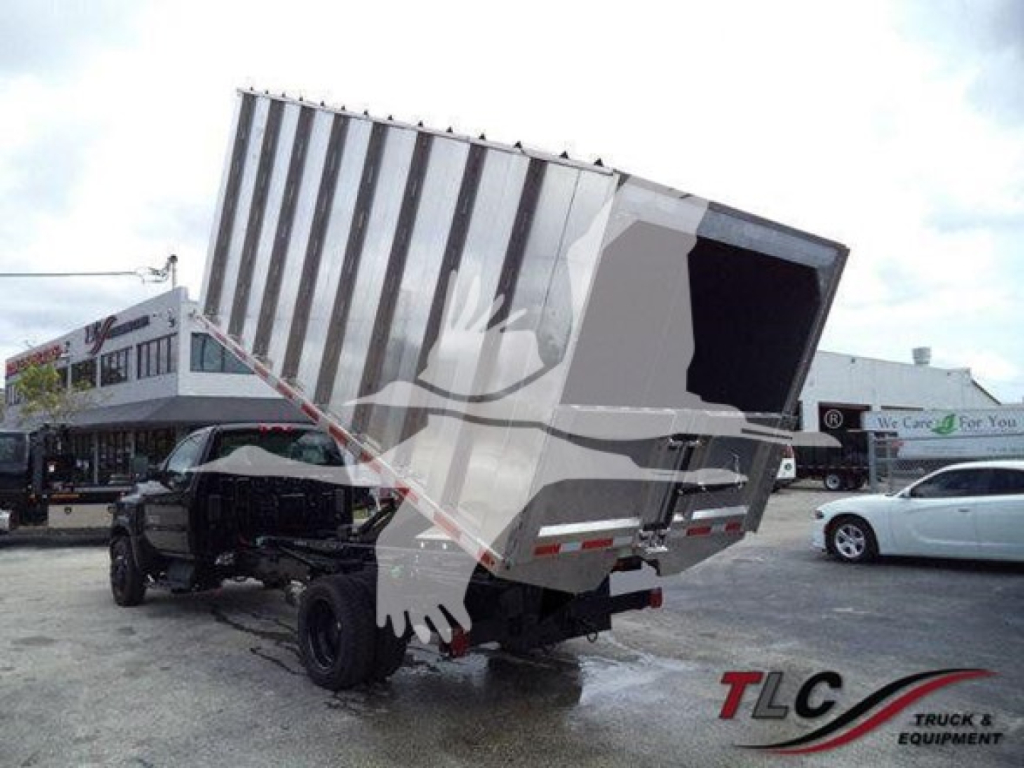
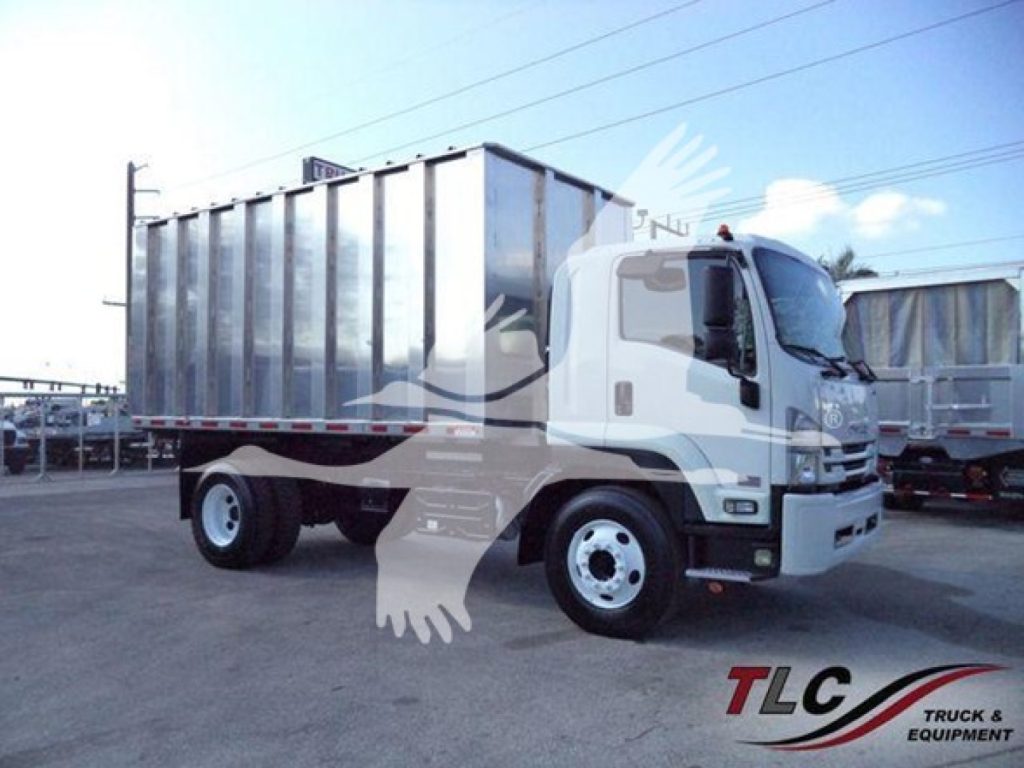
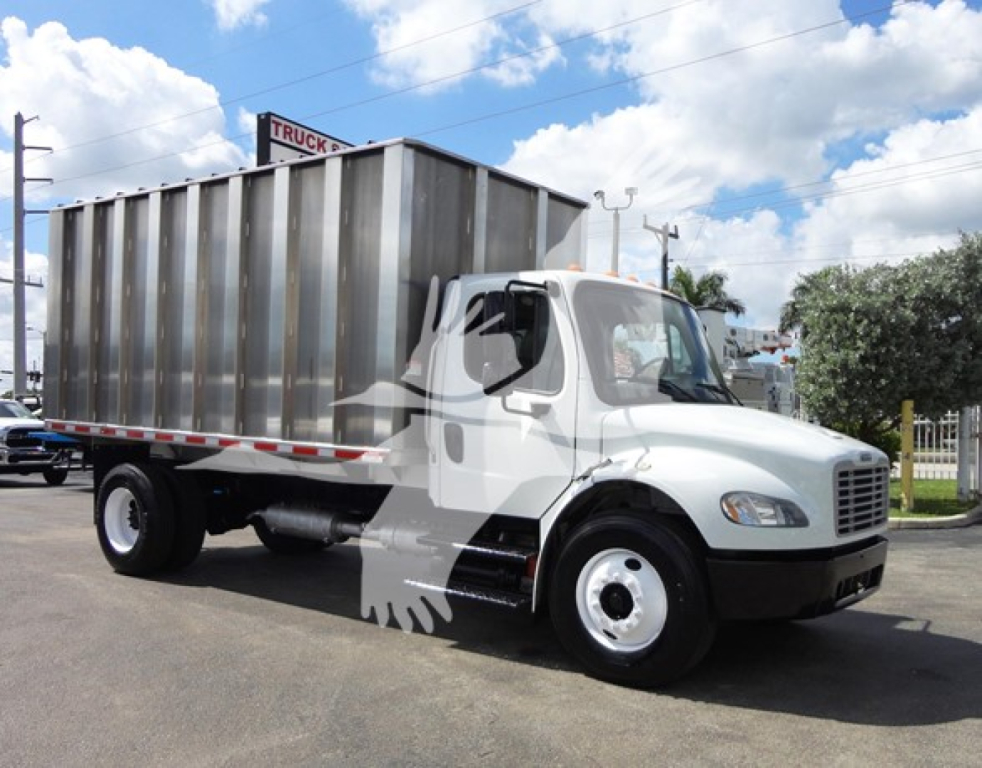
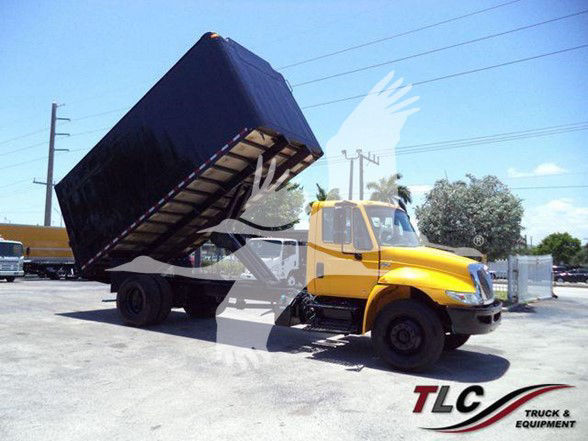
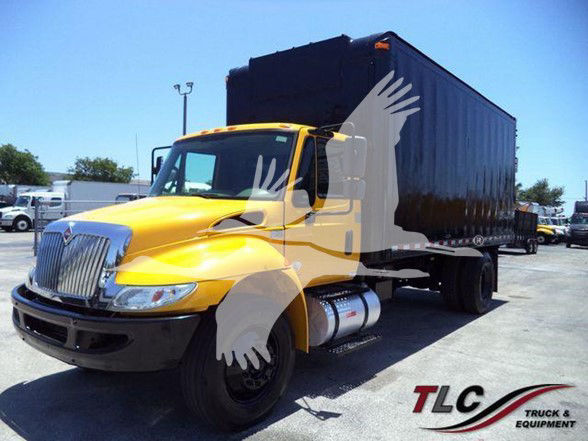
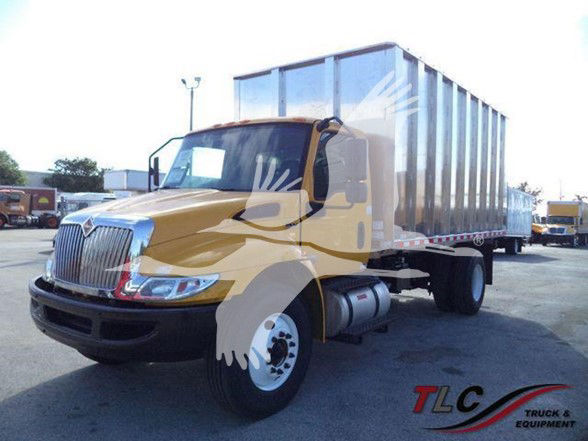
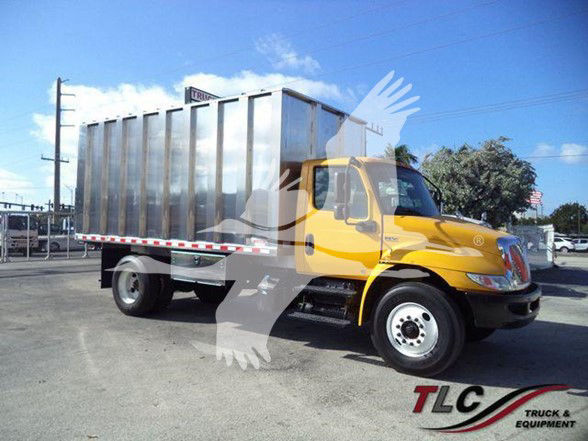
Showing 1 to 12 of 13 results
Have used chipper truck to sell? List it here to reach thousands of buyers.
About Used Chipper Trucks in Florida
For many buyers, the first decision is chassis class and GVWR. Popular used chipper truck platforms include the International DuraStar 4300, Freightliner M2 106, and Chevrolet Silverado 6500HD. A key breakpoint is the non-CDL range, typically 25,950 to 26,000 GVWR, which allows strong payload and body capacity without moving into a CDL requirement in many applications. Buyers should still verify local licensing, actual registered weight, and how body upfits affect usable payload. Engines commonly include the Cummins 6.7L and Duramax 6.6L diesel, usually paired with an Allison automatic transmission. Air brakes are common on Class 6 and 7 chassis, while lighter chipper trucks may use hydraulic brakes.
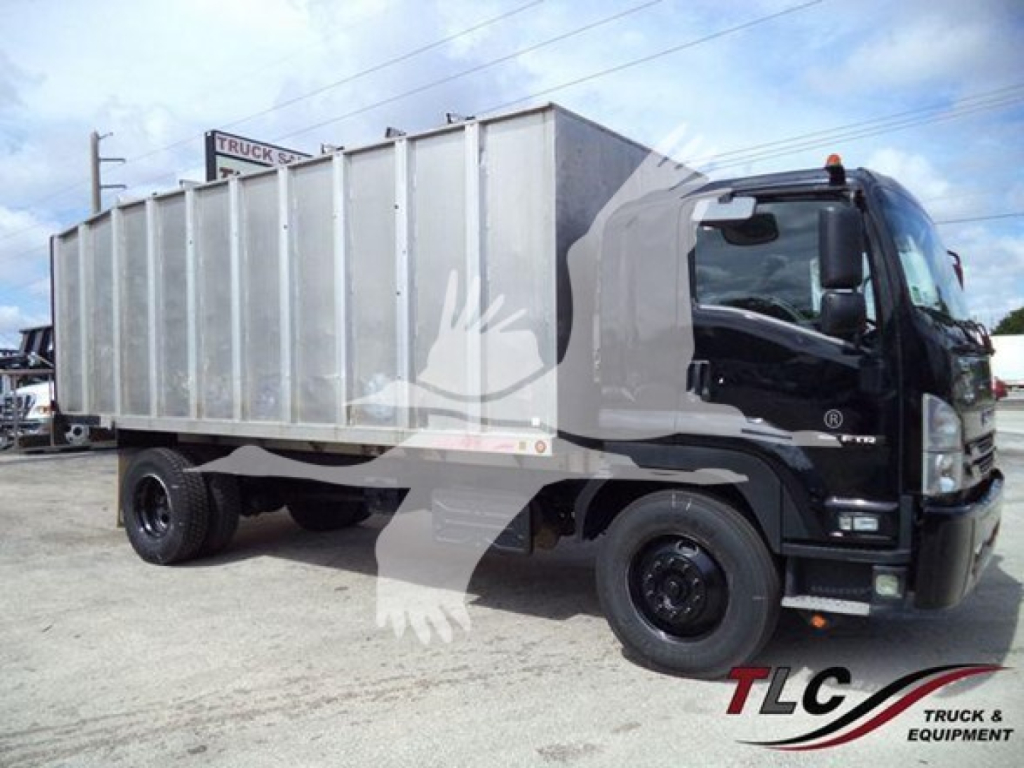
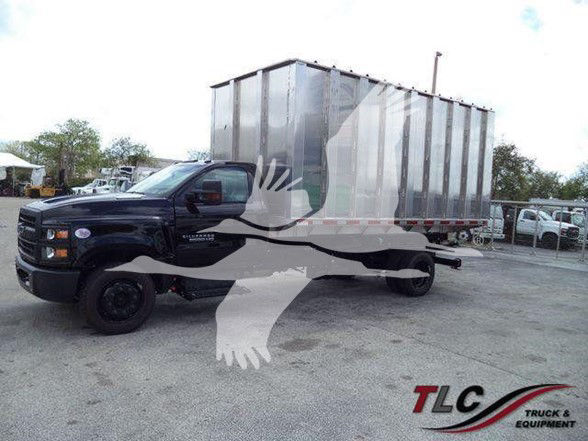
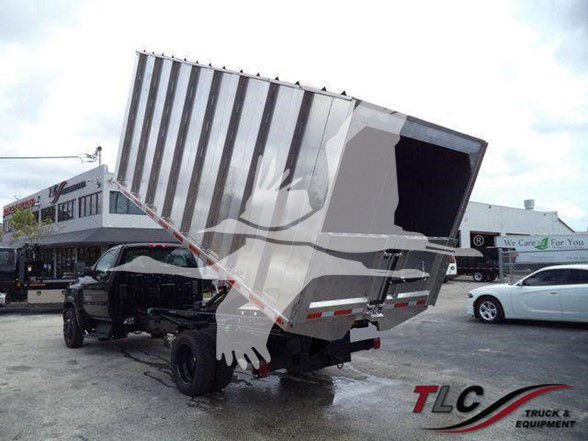
Body construction is where long-term value shows up. Aluminum chipper bodies are popular because they resist corrosion, save weight, and hold up well in humid coastal conditions. Common body specs include an 8-foot width, 84-inch sides and bulkhead, 3/16-inch smooth plate in high-wear areas, crossmembers on close centers, and enclosed roofs with stamped or reinforced panels. Most trucks in this class use an electric-over-hydraulic or PTO-driven hoist from brands such as Venco or Rugby. A buyer should inspect the hoist, PTO engagement, rear hinge area, barn door framing, floor condition, and any interior liner wear from abrasive chip loads. If the truck will tow a chipper daily, check hitch rating, trailer plug type, and how the rear structure is reinforced.
A good used chipper truck should match the crew’s route density, dump frequency, and towing needs. Shorter wheelbase trucks are easier to place in residential streets and tight job sites, while heavier chassis with air ride suspension and 22.5-inch rubber usually carry larger bodies with better road manners. In Florida, cooling system condition, A/C performance, rust prevention, hydraulic hose condition, and body sealing deserve extra attention because heat, moisture, and year-round use accelerate wear. Service records on the engine, transmission, brakes, PTO, and hydraulics are often more important than paint or cosmetics. The best buying approach is to evaluate the truck as a work package: chassis durability, body capacity, dump system condition, and towing setup all need to fit the way an arborist or landscape crew actually operates.
Frequently Asked Questions
What is a chipper truck used for?
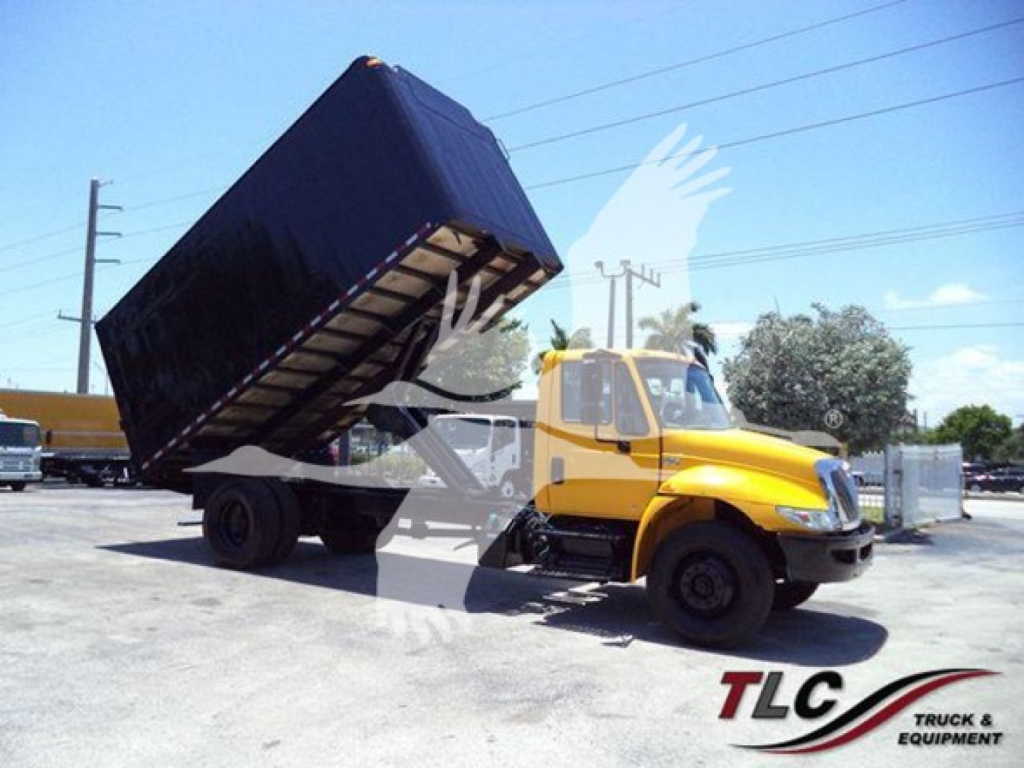
A chipper truck is used to haul wood chips, brush, leaves, and other loose organic debris generated by tree service, line clearance, landscaping, and storm cleanup work. Most are built with a tall enclosed chip box and a dump hoist so crews can load lightweight bulky material efficiently and then unload it quickly at a disposal or compost site. Many also include a rear hitch and trailer plug so the truck can tow a tow-behind wood chipper to and from the job.
What GVWR should I look for in a used chipper truck?
Many buyers target a used chipper truck with a GVWR around 25,950 or 26,000 pounds because it can provide useful body capacity while staying in the common non-CDL range. That said, the right GVWR depends on body length, crew size, towing requirements, and how often the truck runs at full volume. Wood chips are lighter than dirt or gravel, but wet debris and added equipment weight can reduce available payload faster than expected. Always compare the truck’s actual empty weight to its intended working load.
Are aluminum chipper bodies better than steel?
Aluminum chipper bodies are often preferred because they reduce body weight, improve corrosion resistance, and can help preserve payload capacity. That is especially useful in humid and coastal environments such as Florida. Steel bodies can be durable, but they typically weigh more and may require closer attention to rust and coating condition. The better choice depends on the body design, floor thickness, reinforcement, and the type of debris being hauled every day.
What should I inspect on a used chipper dump truck?
Focus on the dump body floor, sidewalls, roof, barn doors, hoist, PTO or electric-over-hydraulic system, rear hinges, and hitch assembly. On the chassis side, inspect engine service history, transmission operation, brake type and condition, suspension, tires, and any signs of frame corrosion or hard use. A chipper truck may have a newer body on an older chassis, so it is important to evaluate both components separately. Hydraulic leaks, slow hoist cycle times, door misalignment, and excessive floor wear are common red flags.
Why are chipper trucks common in Florida fleets?
Florida fleets rely on chipper trucks because tree trimming, hurricane preparation, right-of-way maintenance, and storm debris cleanup create constant demand for fast-loading, high-volume debris hauling. The enclosed chip body helps contain light material in windy conditions, and the dump function speeds turnaround at disposal sites. Trucks used in Florida should be checked carefully for cooling performance, air conditioning, hydraulic hose condition, and corrosion resistance because heat, moisture, and salt exposure can shorten component life.