
Isuzu Chipper Trucks For Sale in Florida
Compare Isuzu chipper trucks for sale in Florida by legal payload, towing ratings, dump-body construction, and corrosion risk from coastal service.
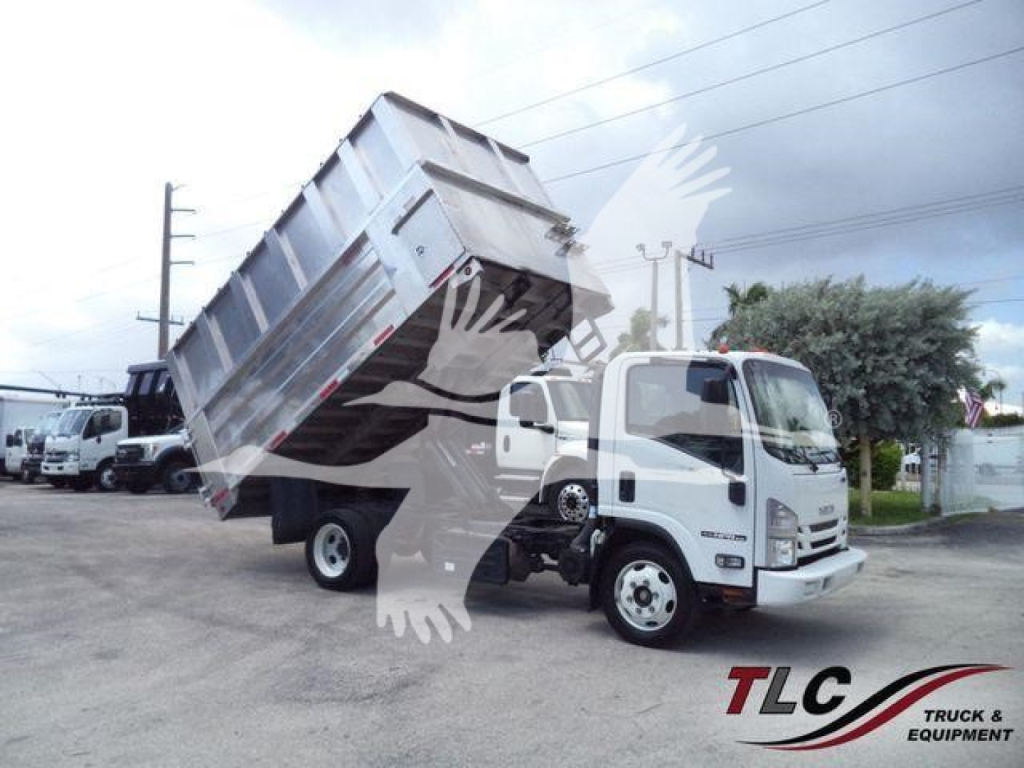
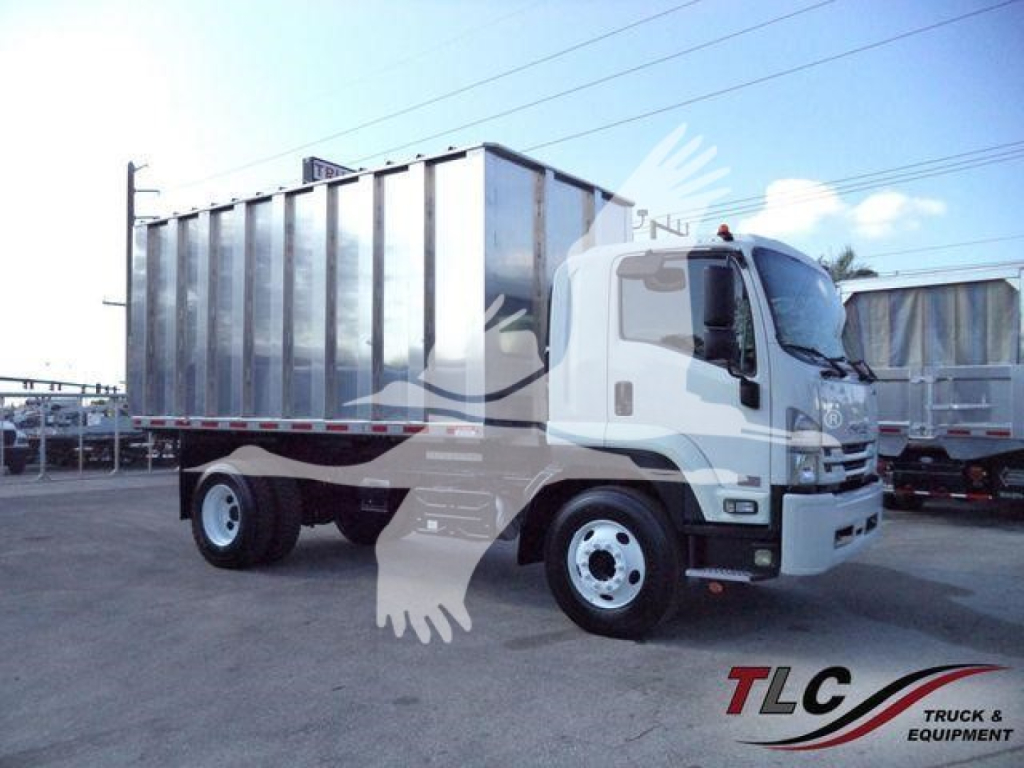
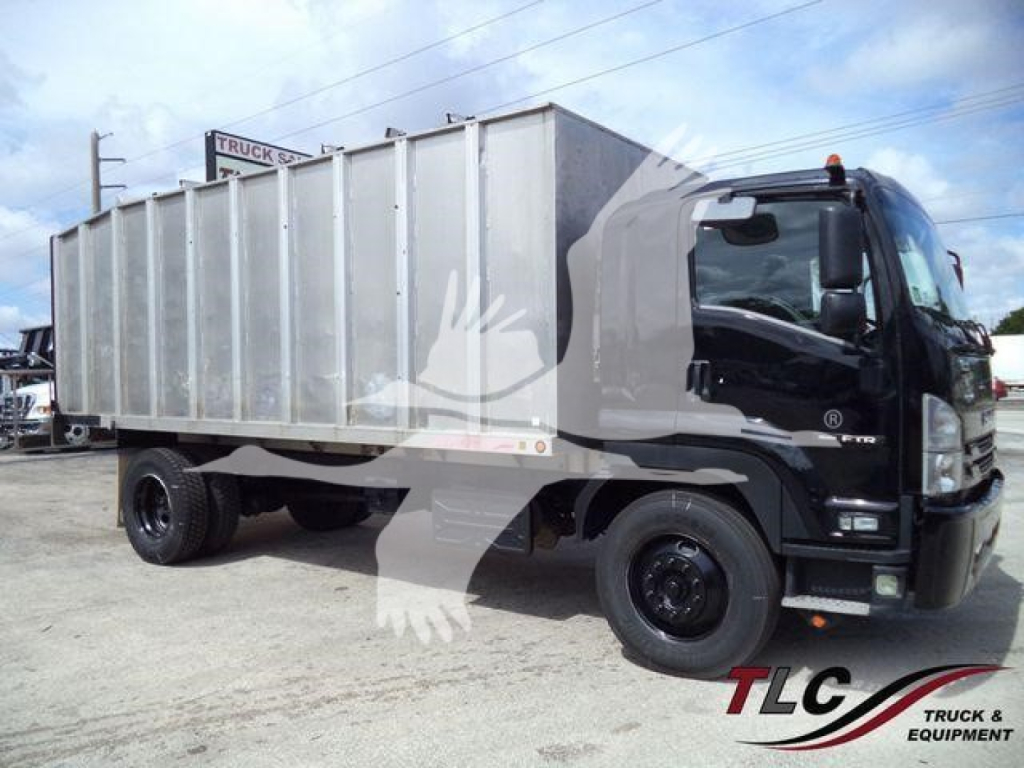
Selling a isuzu chipper truck? List your isuzu chipper truck for sale and reach thousands of commercial buyers.
Isuzu Chipper Trucks in Florida
N-series chassis such as the NPR-HD and NRR suit smaller crews, while the medium-duty FTR supports larger chip bodies. A 5.2-liter Isuzu diesel is common in diesel N-series trucks and 2018-era FTRs; later FTR versions use the Cummins B6.7. Verify the actual engine, transmission, GVWR, and GCWR by chassis documentation because Isuzu model names do not establish towing capacity. On used diesel trucks, review ECM hours, idle time, regeneration history, and aftertreatment repairs. Test the hoist and inspect body mounts, hinge pins, hydraulic lines, and chassis rails, even when a used chassis carries a newly installed body.
Florida's heat makes cooling-system condition and cab air conditioning practical inspection priorities; coastal salt exposure also warrants checking electrical connectors, brake lines, and frame corrosion. Frequent rain and storm debris make roof integrity, rear-door sealing, and secure chip containment worth checking. For a new chassis and body, confirm PTO compatibility, completed-vehicle weight certification, and separate chassis, engine, and body warranty terms. Ask whether 12% federal excise tax applies to the completed truck rather than assuming every Isuzu chip truck is taxable.
Frequently Asked Questions about Isuzu Chipper Trucks in Florida
Do I need a CDL to drive an Isuzu chip truck in Florida?
Florida generally requires a Class B CDL for a chip truck rated or actually weighing 26,001 pounds or more when the towed unit does not exceed 10,000 pounds. A combination rated or actually weighing at least 26,001 pounds generally requires Class A credentials when the towed chipper exceeds 10,000 pounds by rating or actual weight. Check both truck and chipper ratings before assigning a driver; a truck below the Class B threshold can still form a Class A combination.
Is an aluminum or steel chip body better for Florida tree work?
An aluminum chip body generally preserves more payload and avoids rust in the body panels, making aluminum useful for Florida's humid and coastal conditions. Steel offers strong abrasion resistance where crews also haul logs or rough debris. Compare floor thickness, crossmember spacing, weld condition, and the manufacturer's load limits rather than choosing by material alone. Aluminum bodies still need inspection for cracking and corrosion where dissimilar metals meet.
Should an Isuzu chipper dump truck have a PTO or electric hydraulic hoist?
A PTO-driven hydraulic hoist is usually the better fit for frequent dumping, while electric-over-hydraulic can suit lighter, less frequent cycles. An electric hoist needs adequate battery capacity, charging output, cables, and duty-cycle allowance. A PTO system requires a compatible transmission and correctly sized pump. For either arrangement, confirm that the hoist is rated for the loaded body and installed geometry, not merely the empty body weight.
How much difference is there between an Isuzu NPR-HD and NRR chip truck?
The Isuzu NPR-HD commonly carries a 14,500-pound GVWR, while the NRR commonly carries a 19,500-pound GVWR, giving the NRR more gross-weight allowance for an enclosed chip body and its load. That difference is not automatically usable payload because body, hoist, tools, and crew consume capacity. Verify the chassis certification label, axle ratings, and completed empty weight, especially when an advertisement's model name and stated GVWR disagree.
What should I check around the tilting cab on an Isuzu chip truck?
An Isuzu chip truck's cab must tilt through its intended service range without contacting the chip-body bulkhead, tool racks, or added equipment. Check the cab latch, hinges, tilt assistance, and any required clearance with the seller or technician demonstrating the proper procedure. Poorly positioned upfit components can obstruct engine access and increase service labor. Inspect hoses and wiring near the cab pivot for stretching, chafing, or improvised repairs.