
Used 2006 Cargo Van Trucks For Sale

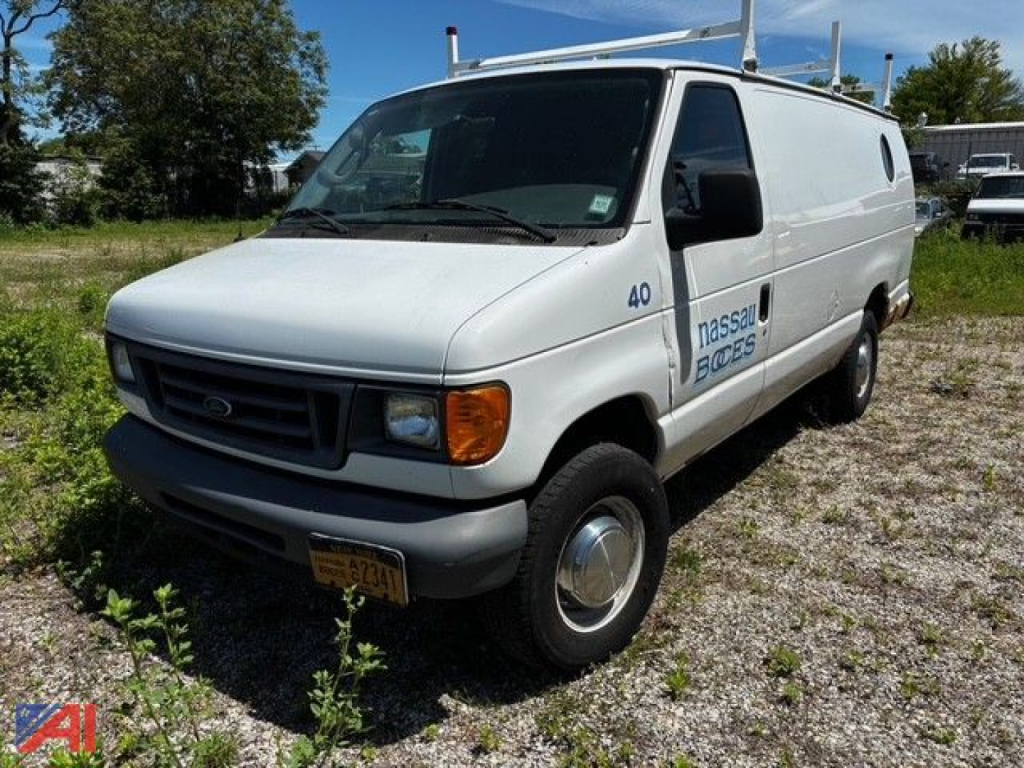
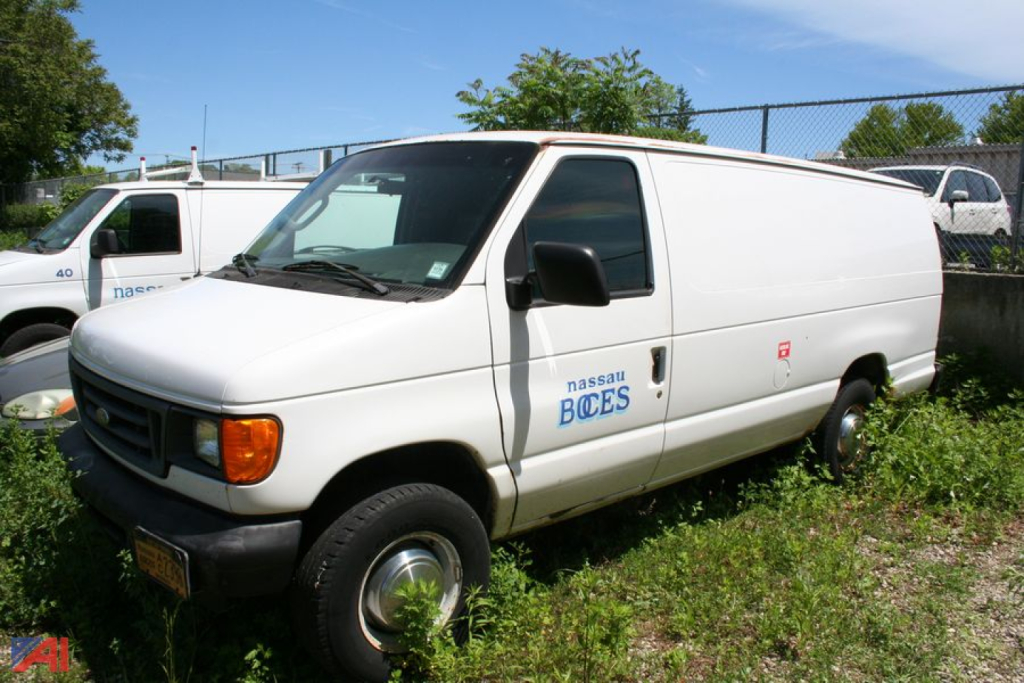
Have used 2006 cargo van truck to sell? List it here to reach thousands of buyers.
Used 2006 Cargo Van Trucks
Frequently Asked Questions about Used 2006 Cargo Van Trucks
What should I look for first on a used 2006 cargo van?
Start with service history, mileage, idle time if known, and signs of commercial wear. On a 2006 cargo van, pay close attention to transmission shift quality, engine oil leaks, cooling system condition, brake line corrosion, suspension wear, and rear door alignment. Rust matters on rocker panels, door bottoms, floor structure, and underbody crossmembers, especially in snow-belt states. A clean cargo area can also tell you a lot about how the van was used and whether it was previously fitted with shelving, bins, or bulkheads.
Which 2006 cargo van size is best for delivery or contractor work?
That depends on payload, cargo volume, and route type. A full-size cargo van is usually the better fit for electricians, plumbers, HVAC service, telecom work, and parcel delivery because it offers more cubic capacity and stronger payload ratings than compact vans. If the van will carry ladder racks, compressors, generators, or dense tool loads, a 2500 or 3500 chassis is generally the safer choice. For lighter urban routes, a smaller van can be easier to maneuver and cheaper to operate, but it will give up interior space and weight capacity.
Are gasoline or diesel engines better in a 2006 cargo van?
Gasoline engines are more common in this segment and are often simpler and less expensive to maintain, especially for short-route use with frequent stops. Diesel-equipped 2006 cargo vans can offer strong low-end torque and good fuel efficiency under load, but repair costs and emissions-related considerations can be higher depending on the platform. The better choice comes down to duty cycle, local service support, and total operating cost, not just fuel economy.
How important is the interior upfit on a used cargo van?
Interior upfit has a direct effect on productivity and resale value. Shelving, drawer systems, bulkheads, ladder racks, partition doors, cargo mats, and inverter setups can save time and reduce additional setup cost if they match your operation. Buyers should still inspect mounting points, floor condition, wall damage, and any drilled roof or body penetrations. A poorly installed upfit can create water intrusion, rattles, electrical issues, or hidden rust around fasteners.
What operating limits matter most on an older cargo van?
GVWR, payload capacity, wheelbase, roof height, and rear door opening dimensions are the specs that usually matter most. Many buyers focus only on engine and mileage, but cargo vans earn their keep through usable space and legal carrying capacity. Exceeding payload on an older van accelerates wear on brakes, tires, springs, wheel bearings, and transmissions. Matching the van to the actual load profile is one of the best ways to control maintenance costs.