
Used Chevrolet Cargo Van Trucks For Sale in New York
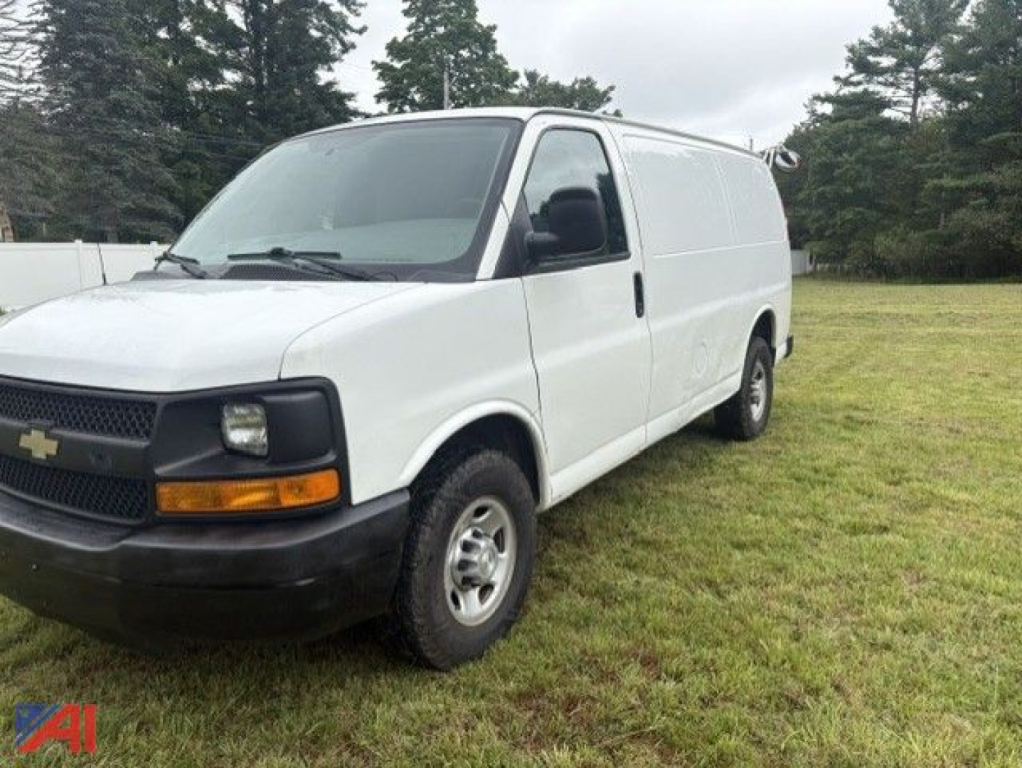
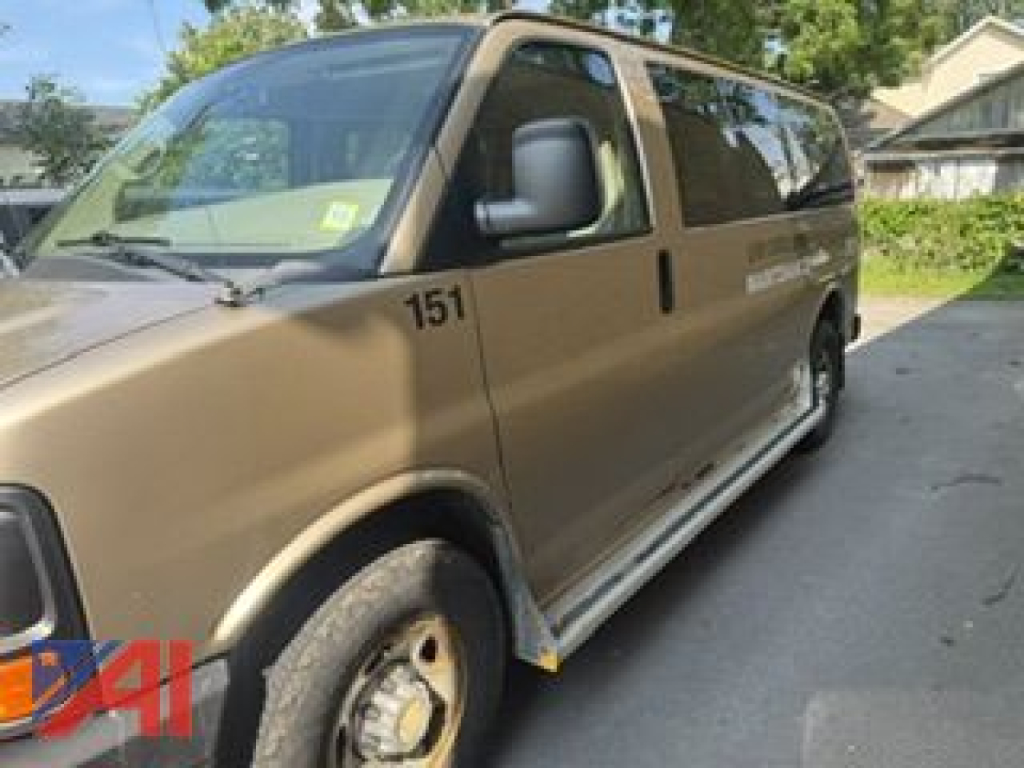
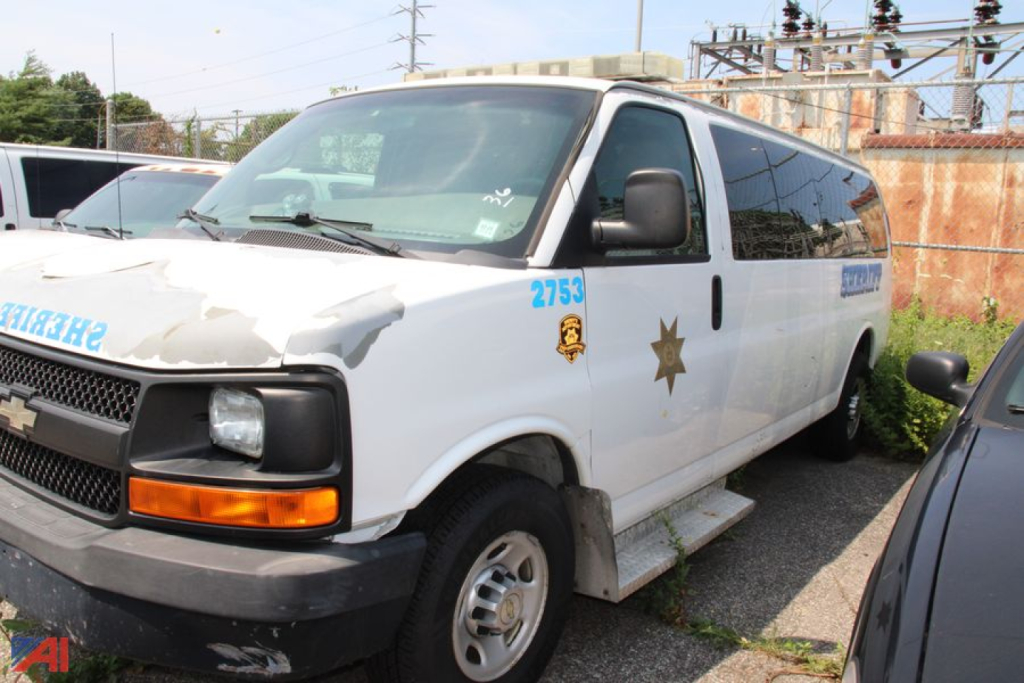
Have used chevrolet cargo van truck to sell? List it here to reach thousands of buyers.
Used Chevrolet Cargo Van Trucks in New York
The first buying decision is typically GVWR and wheelbase. A 2500 can suit lighter delivery or service work, while a 3500 is often preferred when shelving, bins, compressors, generators, or heavier parts inventory are part of the upfit. Buyers should pay attention to cargo volume, rear and side door access, roof height, and the condition of the load floor and wall panels. Many used cargo vans have already seen vocational use, so shelving holes, partition mounts, inverter wiring, ladder rack attachments, and signs of repeated loading at the rear threshold are normal wear points. Tire condition, brake life, suspension sag, and door hinge wear are worth checking closely on higher-mile units.
Chevrolet cargo vans are also known for broad parts availability and familiar gas powertrains, which can simplify maintenance for small fleets and independent operators. On used models, service records matter more than trim level. Look for evidence of regular fluid changes, transmission service, cooling system upkeep, and front-end work, especially on vans that spent years in city service. If the van has a bulkhead, shelving package, roof rack, tow package, or auxiliary power setup, confirm the installation quality and make sure the upfit still matches the intended job. A clean body is useful, but door operation, driveline condition, idle quality, and electrical function usually tell the better story on a work van.
For buyers comparing multiple used Chevrolet cargo vans, the best value often comes from matching the van to the route and payload instead of chasing the lowest price. A lighter-duty van used for parcel work has different needs than a fully equipped plumber, electrician, or HVAC truck. In New York service, rust at rocker panels, door bottoms, underbody components, and brake lines deserves extra attention. A well-maintained Chevrolet cargo van can still be a practical fleet truck when the chassis, cargo area, and upfit points have been evaluated with the job in mind.
Frequently Asked Questions about Used Chevrolet Cargo Van Trucks in New York
What Chevrolet cargo van models are most common in the used market?
The Chevrolet Express is the most common model in the used cargo van market, with 2500 and 3500 series units appearing most often in commercial service. These vans are widely used for deliveries, contractor fleets, and mobile service applications because they offer enclosed cargo space, straightforward upfitting, and broad parts support. Older units are especially common in municipal, trade, and small business fleets.
What should I inspect first on a used Chevrolet cargo van?
Start with the items that affect work readiness and operating cost: engine condition, transmission behavior, brake wear, tire condition, suspension height, and door operation. On a cargo van, the cargo area also matters because shelving mounts, partitions, ladder racks, and electrical add-ons can leave behind wear or poor-quality modifications. In New York, corrosion on the underbody, brake lines, rocker panels, and door seams should be checked carefully.
Is a Chevrolet Express 2500 or 3500 better for commercial use?
The right choice depends on payload and upfit weight. A 2500 is often sufficient for lighter parcel delivery, general service calls, or mobile tools with moderate cargo weight. A 3500 is usually the better fit when the van carries built-in shelving, parts inventory, equipment, or heavier trade loads on a daily basis. The higher-rated chassis can provide better long-term durability when the van is consistently worked near capacity.
Are used Chevrolet cargo vans good for city delivery and service work?
Yes. Chevrolet cargo vans are widely used in urban delivery and service routes because they combine enclosed storage, easy access through side and rear doors, and dimensions that are more manageable than larger box trucks. They are commonly used by electricians, plumbers, HVAC technicians, couriers, and municipal departments. Buyers should still match wheelbase, GVWR, and interior layout to the route density and cargo type.