
Peterbilt Car Carrier Trucks For Sale
Compare Peterbilt car carrier trucks for sale by rack design, axle capacity, drivetrain and hydraulic condition before choosing an auto transport setup.
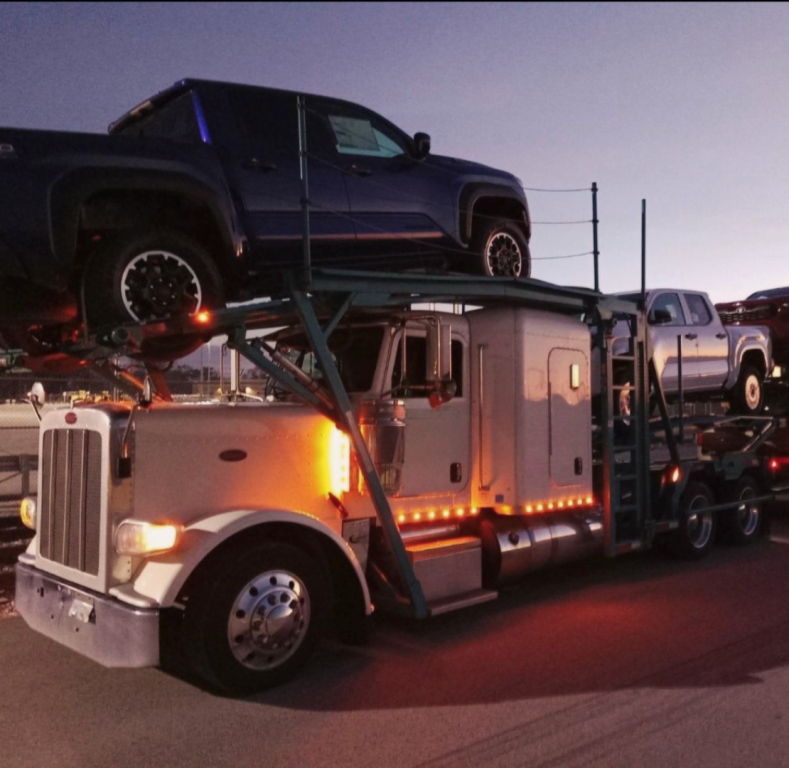
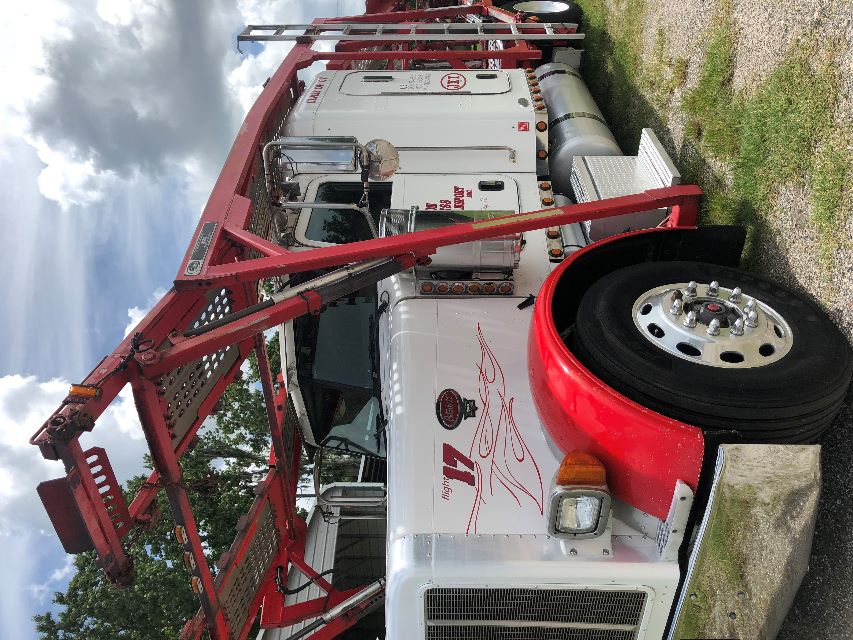

Selling a peterbilt car carrier truck? List your peterbilt car carrier truck for sale and reach thousands of commercial buyers.
Peterbilt Car Carrier Trucks
Older Peterbilt auto transport trucks may carry Caterpillar C15 or Cummins ISX engines, while later 389 configurations can have PACCAR MX-13 or Cummins ISX15 and X15 power. Confirm the installed engine from its identification plate and maintenance records. Eaton Fuller 13-speed and 18-speed manuals offer flexible gearing, while automated transmissions require verification of the exact model and PTO compatibility. Rear axle ratio, tire size and loaded operating speed matter more than peak horsepower when balancing highway cruising against steep loading-yard entrances.
Used car haulers need two inspections: one for the Peterbilt chassis and another for the transport structure. Compare ECM mileage and hours with odometer readings, service invoices and documented engine replacements; a replacement engine does not renew the chassis. Inspect frame rails around rack mounts, crossmembers, cab mounts and suspension brackets for cracking, corrosion or questionable reinforcement. Cycle every hydraulic deck and inspect cylinders, hoses, valve banks, pivot pins, slide tracks and locking mechanisms. Check tire wear, steering play and brake condition, then verify vehicle tie-down equipment and loaded clearance around the cab, exhaust and sleeper. Hydraulic seepage and worn pivots can turn routine loading into repeated downtime.
New equipment should be specified jointly with the Peterbilt dealer and carrier-body manufacturer. Wheelbase, axle ratings, cab and sleeper dimensions, suspension height, exhaust routing and PTO provisions must support the chosen rack without sacrificing steering clearance or legal payload. Request an axle-weight projection using representative vehicles, fuel and driver equipment. Separate chassis, engine, transmission and transport-body warranty responsibilities, including hydraulic components and coverage for installation-related failures. Qualifying new heavy trucks and trailers sold for highway use in the United States are generally subject to a 12% federal excise tax.
Model year alone does not establish emissions equipment: verify the engine year and certified configuration. The 2007 emissions era introduced DPF-equipped highway engines, and 2010-era engines commonly added SCR and DEF systems. Older units require close review of aftertreatment service history and emissions compliance, especially for California operation. Across the United States and Canada, salted roads accelerate rack and chassis corrosion, while cold weather exposes weak batteries and sluggish hydraulics. Confirm loaded height, axle weights, combination length and cargo overhang against the actual states, provinces and routes served.
Frequently Asked Questions about Peterbilt Car Carrier Trucks
How many SUVs can a Peterbilt car carrier haul?
SUV dimensions and loaded axle weights determine usable capacity on a Peterbilt car carrier, not the number of deck positions. Tall vehicles can eliminate stacking combinations that work with sedans, while heavy pickups can reach axle limits before every position is filled. Request a loading diagram for representative vehicles and verify ramp ratings, roof clearance, tie-down access and axle weights.
What should I check on a Peterbilt car hauler with a replacement engine?
Documented engine identity and installation quality are the first checks on a repowered Peterbilt car hauler. Obtain the engine serial number, installation invoice, warranty terms and records showing compatibility with the transmission, cooling system and emissions controls. Compare engine ECM data with chassis service history because a replacement engine does not reset chassis mileage. Missing or altered aftertreatment equipment is a compliance warning.
What is the legal length of a Peterbilt stinger-steered car carrier?
A qualifying stinger-steered automobile transporter can have an 80-foot overall combination length, excluding cargo overhang, on the US National Network. Federal rules also allow up to 4 feet of front cargo overhang and 6 feet at the rear. A Peterbilt conventional fifth-wheel car hauler does not automatically qualify for that allowance. Check access-road restrictions, loaded height and provincial limits before planning cross-border routes.
Should I buy a day cab or sleeper Peterbilt car hauler?
A day cab usually suits local vehicle transfers, while a sleeper better supports multiday auto transport routes. On a Peterbilt car hauler, cab selection also affects rack geometry, usable deck space, chassis weight and access for maintenance. Compare complete loading diagrams rather than cab dimensions alone. A sleeper does not replace the need for safe parking, required rest periods or sufficient clearance beneath the transport structure.