
2019 Car Carrier Trucks For Sale
Compare 2019 car carrier trucks for sale by deck layout, axle capacity and emissions history to match local pickups or multicar transport across borders.
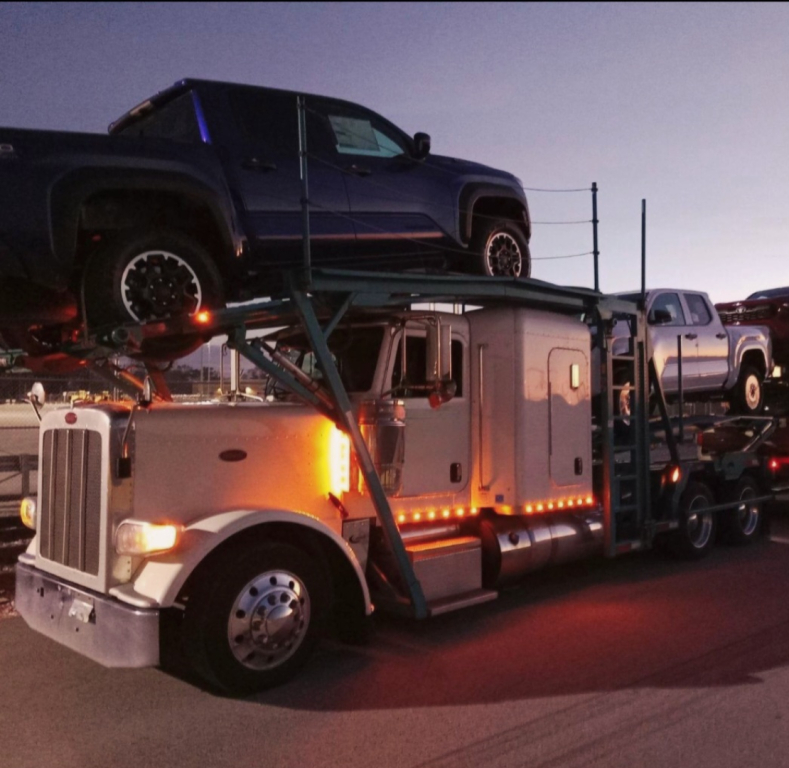
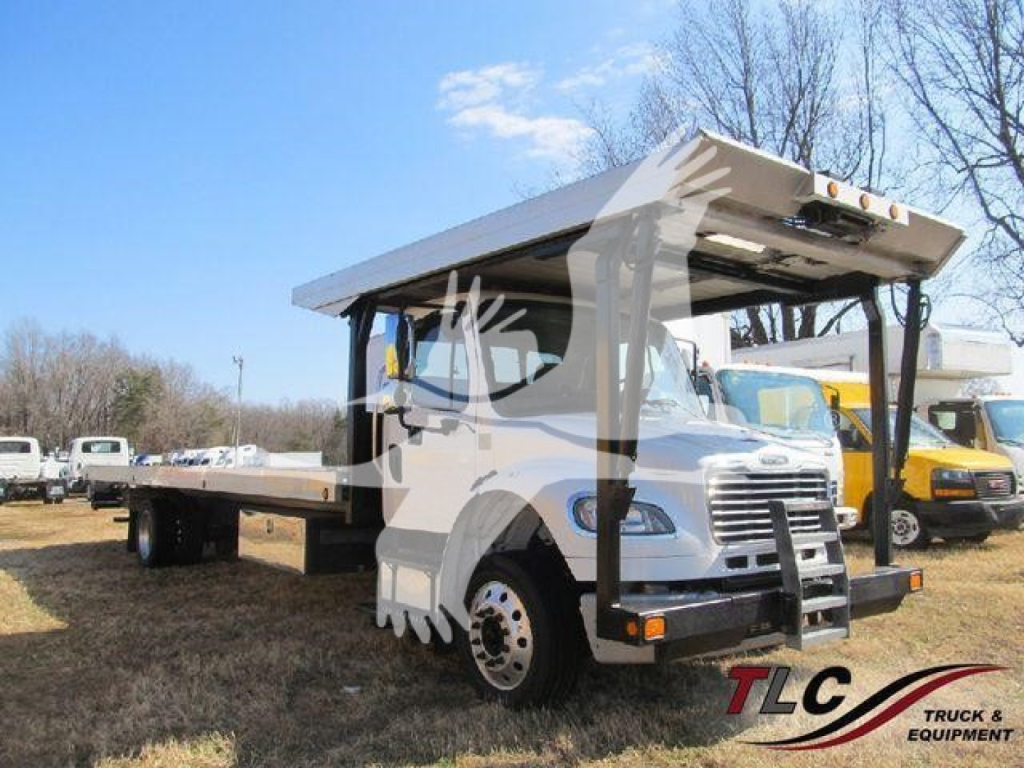
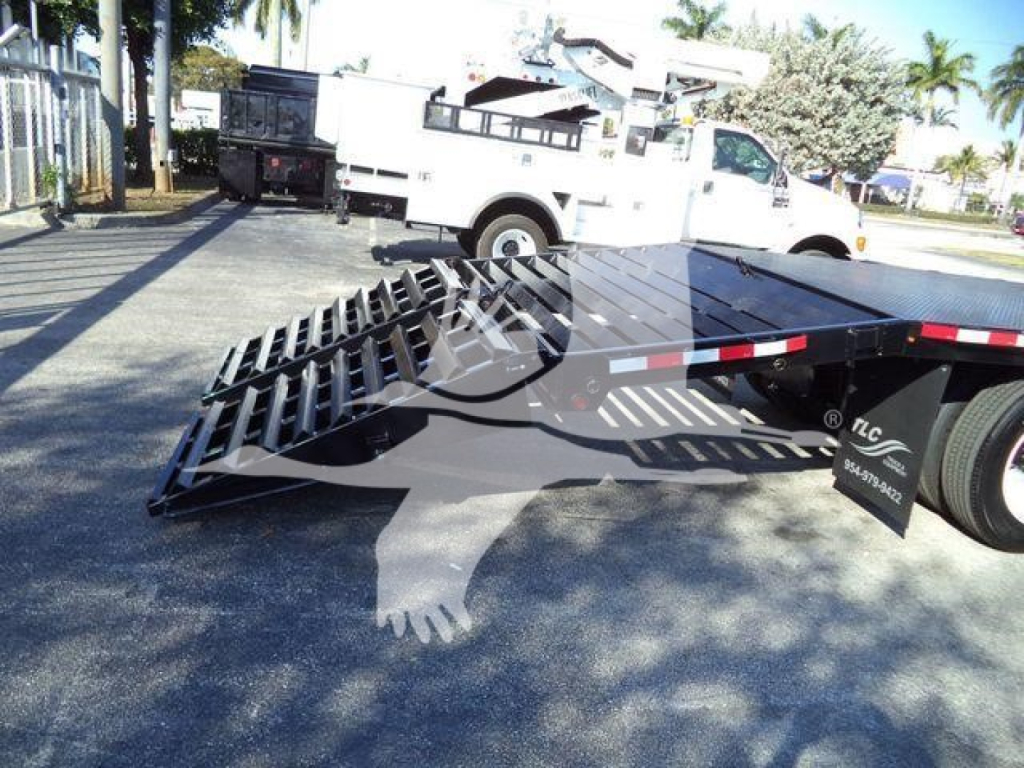
Selling a 2019 car carrier truck? List your 2019 car carrier truck for sale and reach thousands of commercial buyers.
2019 Car Carrier Trucks
Most 2019 diesel chassis have DPF and SCR/DEF systems from the GHG17 emissions era. On used auto transport trucks, review ECM hours, regeneration history and maintenance records; test the PTO, winch, cylinders and locks under load. Inspect deck hinges, frame extensions and hydraulic lines, with extra attention to corrosion from road salt. For US and Canadian routes, verify loaded height, axle weights and car-carrier length exceptions rather than relying on advertised vehicle capacity. A new carrier body on a used 2019 chassis does not make the truck new. For an unused chassis sold as new, establish warranty start dates and whether the 12% US federal excise tax applies to the qualifying heavy truck's first taxable retail sale.
Frequently Asked Questions about 2019 Car Carrier Trucks
Do I need a Class A or Class B CDL for a 2019 car carrier?
A single-unit car carrier generally requires a Class B CDL in the United States at a GVWR or actual gross weight of 26,001 pounds or more. Class A generally applies when the combination reaches that threshold and the towed vehicle exceeds 10,000 pounds by rating or actual weight. Air brakes affect license restrictions, not the weight threshold. Canadian commercial license classes and air-brake qualifications vary by province.
What is the difference between a stinger-steered and high-mount car carrier?
A stinger-steered car carrier places the fifth wheel low and behind the tractor's rear axle, while a high-mount carrier uses a conventional fifth-wheel location over the drive axles. That difference changes trailer compatibility, articulation and loading geometry. Before pairing a 2019 tractor with a trailer, confirm coupling height, hydraulic connections, cab clearance and head-rack compatibility. The two configurations are not interchangeable simply because both transport cars.
Can a 2019 diesel car carrier operate in California?
California-bound 2019 diesel car carriers over 14,000 pounds GVWR generally fall under CARB's Clean Truck Check program, including qualifying trucks registered outside California. Verify the carrier's reporting and testing status, engine emissions label and applicable CARB requirements before dispatch. The chassis model year alone does not prove compliance, particularly after an engine replacement. A clean dashboard and no active fault codes are not substitutes for the required compliance records.
Which engine and transmission should I look for in a 2019 car carrier?
A Cummins B6.7 or L9 with an Allison automatic is a common medium-duty pairing for local car transport, including the Freightliner M2 106. For heavier multicar combinations, the Peterbilt 389 offers Class 8 choices such as the PACCAR MX-13 or Cummins X15. Match transmission torque capacity, rear axle ratio and cooling capacity to loaded weight and grades; engine horsepower alone does not establish a suitable drivetrain.