
Used Peterbilt Cabover Trucks For Sale
Have used peterbilt cabover truck to sell? List it here to reach thousands of buyers.
Used Peterbilt Cabover Trucks
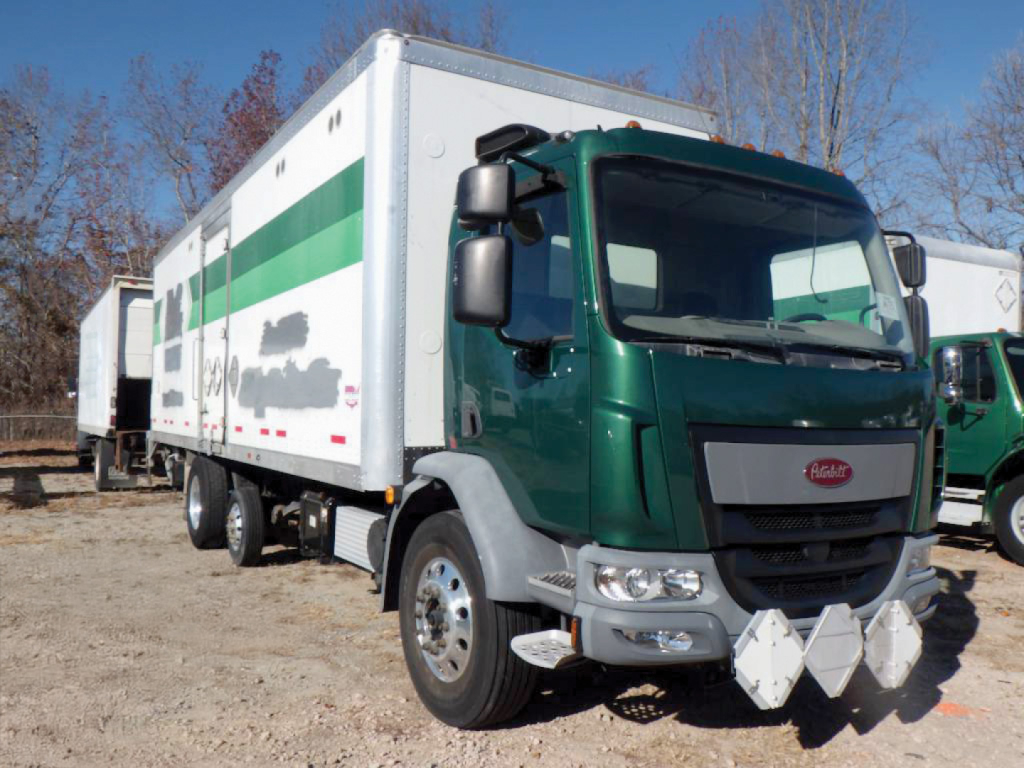
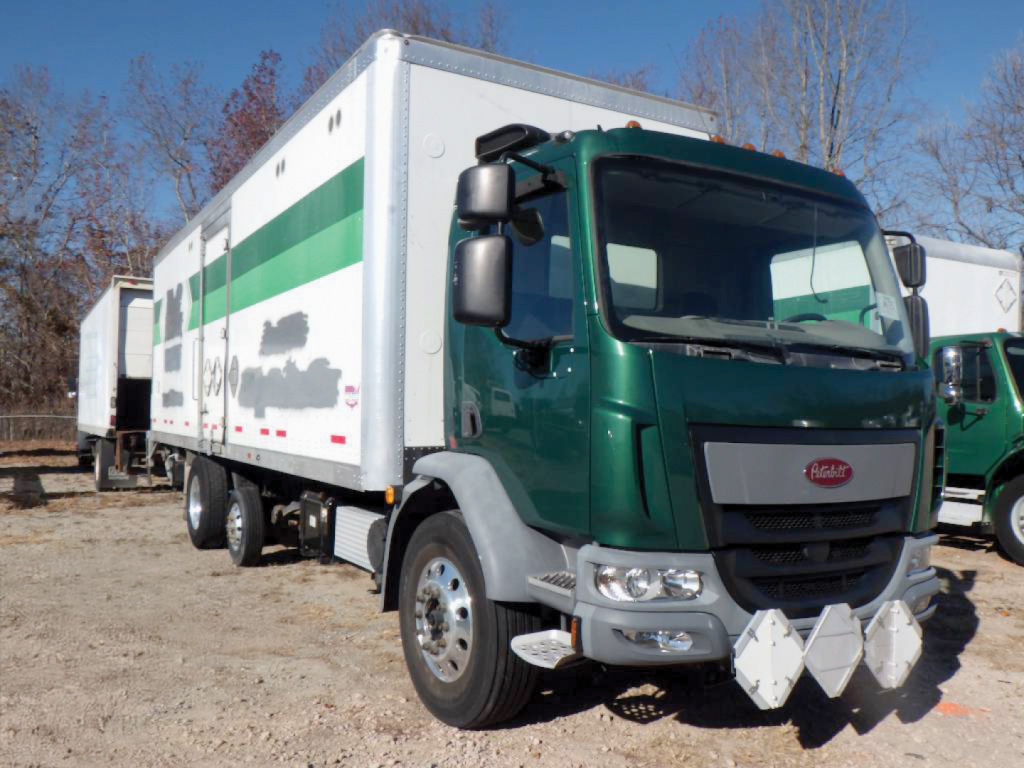
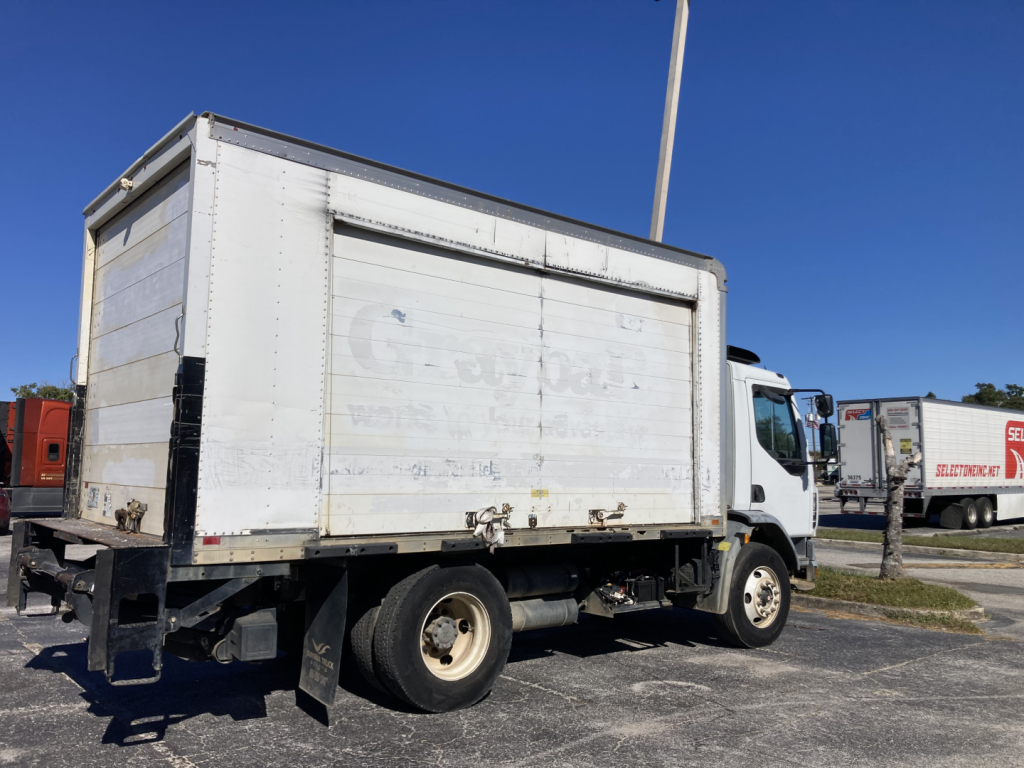
The main buying decisions usually come down to GVWR, wheelbase, axle rating, engine-transmission pairing, and the body already installed on the chassis. Many used Peterbilt cabovers are spec'd as straight trucks with dry van bodies, reefer bodies, stake bodies, or service bodies, and some include liftgates or route-delivery equipment. Buyers should pay close attention to frame dimensions, cab-to-axle measurement, and rear axle ratio because those specs determine body fit, payload balance, and start-stop performance. On used units, transmission type is important too. Automatic and automated transmissions are common in urban work because they reduce driver fatigue and help with fleet training, while air brakes are often preferred for heavier gross weights and more demanding service cycles.
Peterbilt cabover trucks in this class commonly use PACCAR diesel power and are designed around medium-duty applications where uptime and service access matter. A buyer should look closely at emissions system history, especially on used diesel cabovers that have spent their lives idling, making short trips, or working dense city routes. Review fault codes, aftertreatment maintenance, NOx sensor history, DPF service records, and cooling system condition. Because cabovers package a lot into a shorter chassis, front axle loading, tire wear, steering component condition, and cab tilt hardware are all worth inspecting carefully. Visibility is one of the strongest advantages in this category, but door condition, step wear, seat condition, and interior entry points can tell you a lot about how hard a route truck has been worked.
A good used Peterbilt cabover should match the route as much as the payload. If the truck will spend most of its day in downtown traffic, frequent backing, and curbside stops, compact dimensions and sightlines may matter more than raw horsepower. If the unit is carrying a box and liftgate, confirm that remaining payload after body weight still works for the freight. If the truck is being bought for regional pickup and delivery, compare ride, noise level, service network familiarity, and parts support with the exact engine and transmission in the chassis. Buyers who focus on turning radius, body compatibility, brake type, maintenance records, and emissions health usually make better decisions in the used cabover market.
Frequently Asked Questions about Used Peterbilt Cabover Trucks
What is the main advantage of a Peterbilt cabover truck?
The main advantage is maneuverability. A Peterbilt cabover places the cab over the engine and front axle, which shortens the overall vehicle length and improves turning radius. That makes it especially useful for city delivery, dock work, alleys, and routes where a conventional hood truck gives up too much space. It also helps maximize body length on a compact wheelbase.
What should I inspect first on a used Peterbilt cabover?
Start with maintenance records, engine fault history, emissions components, and the condition of the installed body if one is included. On a used cabover, buyers should also inspect front axle loading, steering linkage, brake type and wear, suspension condition, cab tilt operation, and tire wear patterns. Trucks used in stop-and-go service often show their hardest wear in brakes, steering, doors, steps, seats, and aftertreatment systems.
Are Peterbilt cabover trucks good for box truck and delivery applications?
Yes. Peterbilt cabovers are commonly used as box trucks, reefer trucks, and route-delivery chassis because the short nose design improves visibility and maneuvering while leaving more usable frame length for the body. They are a strong fit for urban freight, final-mile delivery, beverage routes, and municipal or vocational applications where frequent stops and tight turns are part of the job.
How important is the engine and transmission spec on a used cabover?
It is one of the most important decisions because engine output, rear axle ratio, and transmission type directly affect launch performance, fuel economy, and driver comfort in stop-and-go service. Many buyers prefer automatic or automated transmissions for route work because they reduce fatigue and simplify hiring. The right spec depends on body weight, payload, terrain, and how often the truck operates at highway speed versus city speed.
Do used Peterbilt cabovers have emissions issues to watch for?
They can, especially if the truck has spent most of its life idling, running short routes, or operating in dense urban traffic. Buyers should review DPF cleaning intervals, DEF system repairs, NOx sensor replacement history, regen performance, and any active or stored fault codes. A truck that runs well mechanically can still need emissions work, so a diagnostic scan and service history review are important before purchase.