
Freightliner Cabover Sleeper Trucks For Sale in Utah
Browse Freightliner cabover sleeper trucks with key specs, sleeper options, axle setups, and hauling considerations for long-haul operations.
Learn more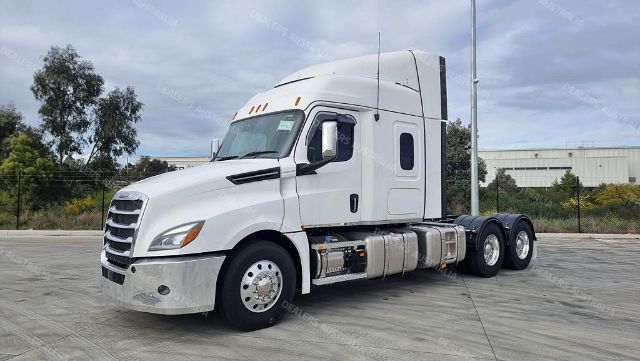
Have freightliner cabover sleeper truck to sell? List it here to reach thousands of buyers.
About Freightliner Cabover Sleeper Trucks in Utah
The sleeper itself is the main decision point after chassis layout. Cabover sleepers are typically configured for short- to mid-length overnight use, so buyers should look closely at bunk size, storage, HVAC performance, insulation, and ease of cab access. Freightliner cabovers have long been used in vocational and regional applications where a compact tractor still needs to support multi-day runs. Visibility is usually strong thanks to the forward seating position, but ride quality, cab noise, and service access can vary by model and suspension setup, so those areas deserve attention when comparing listings.
Powertrain and axle specs depend on the intended freight. Common considerations include diesel engine rating, manual or automated transmission choice, rear axle ratio, wheelbase, and GVWR or GCWR targets. If the truck will pull van, reefer, or flatbed freight through Utah and surrounding western states, buyers should match horsepower and torque to terrain, cruising speed, and trailer weight. A shorter cabover tractor can be ideal where bridge law, kingpin setting, and trailer swing clearance all affect day-to-day usability. Front axle capacity, suspension type, and brake specification also matter because cabovers place more operating focus on steer axle control and driver comfort.
When evaluating a used Freightliner cabover sleeper, pay close attention to maintenance access, cooling system condition, cab mounts, steering components, and sleeper seals. Cabovers are efficient in confined spaces, but they reward disciplined upkeep because engine packaging is tighter than on a long-nose conventional. Interior wear can also tell you a lot about duty cycle and driver treatment. For fleets and owner-operators that need a compact sleeper tractor with Freightliner parts support and a layout suited to route-density and maneuverability, this category remains a smart fit.
Frequently Asked Questions
What is the main advantage of a Freightliner cabover sleeper truck?
The main advantage is a shorter overall tractor length without giving up sleeper space for overnight use. That shorter footprint improves turning radius, helps in tight yards and city deliveries, and can make trailer positioning easier at congested docks. It is a useful configuration when maneuverability is a higher priority than the ride characteristics of a conventional long-hood tractor.
Are cabover sleeper trucks good for long-haul freight?
They can be, but the fit depends on driver expectations and route profile. A cabover sleeper works well for regional hauling, port work, dense freight lanes, and operations where overall length matters. For extended over-the-road use, buyers should pay close attention to sleeper size, storage, ride quality, noise insulation, and HVAC performance because those factors affect driver comfort more noticeably in a compact cabover layout.
What should I inspect on a used Freightliner cabover sleeper?
Focus on cab tilt components, cooling system health, steering and suspension wear, front axle condition, cab mounts, brake system, and sleeper integrity. Because the engine sits beneath or directly behind the cab, service access points and signs of deferred maintenance are important. Also inspect interior wear, bunk condition, door seals, electrical accessories, and any evidence of water intrusion around the sleeper or windshield area.
Why would a buyer in Utah consider a cabover sleeper instead of a conventional sleeper tractor?
Utah operations often combine interstate travel, mountain grades, energy or construction support work, and delivery points with limited space. A cabover sleeper can be easier to maneuver in tight staging areas, older industrial properties, and urban corridors while still allowing overnight operation. If the truck will run mixed regional freight with frequent backing, turning, and yard movement, the compact design can be a practical advantage.