
Cab and Chassis Trucks For Sale in Washington
Browse cab and chassis trucks for sale in Washington. Compare Class 4-8 chassis specs, wheelbases, GVWR, engine options, and upfit potential.
Selling a cab and chassis truck? List your cab and chassis truck for sale and reach thousands of commercial buyers.
Cab and Chassis Trucks in Washington
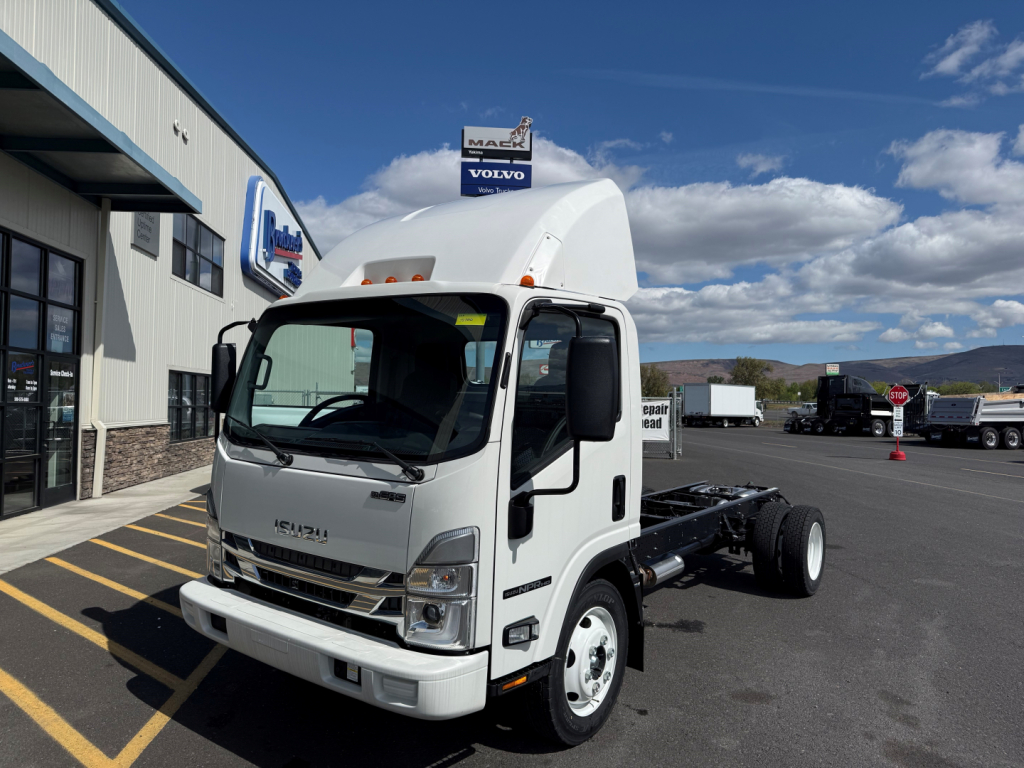
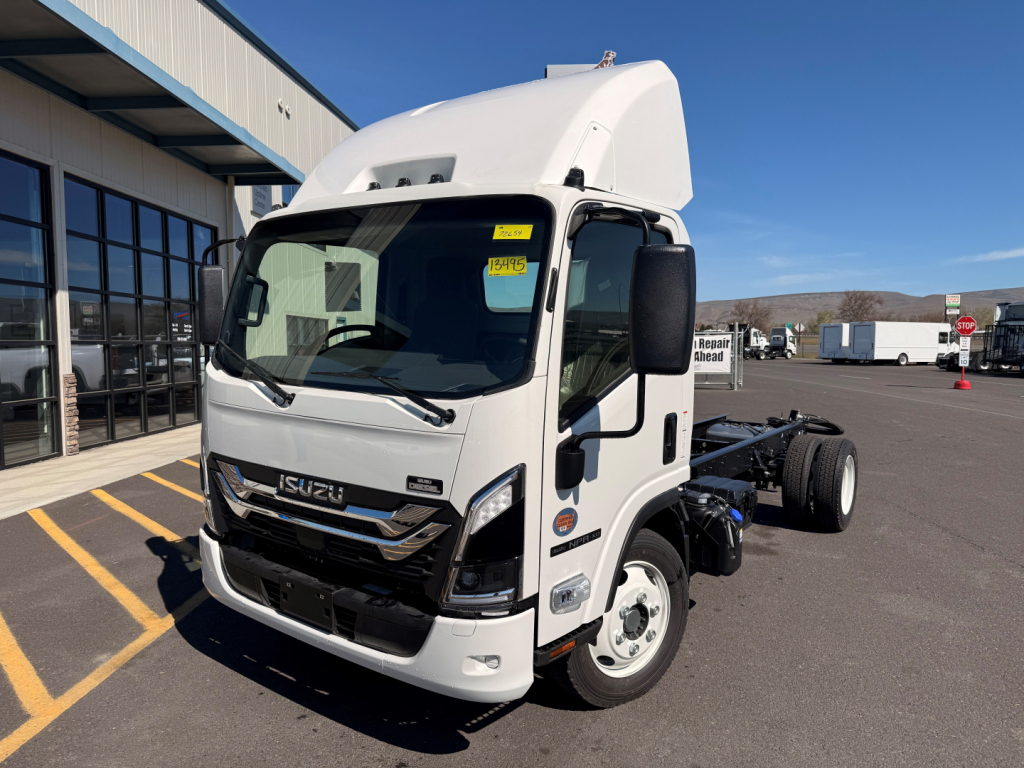
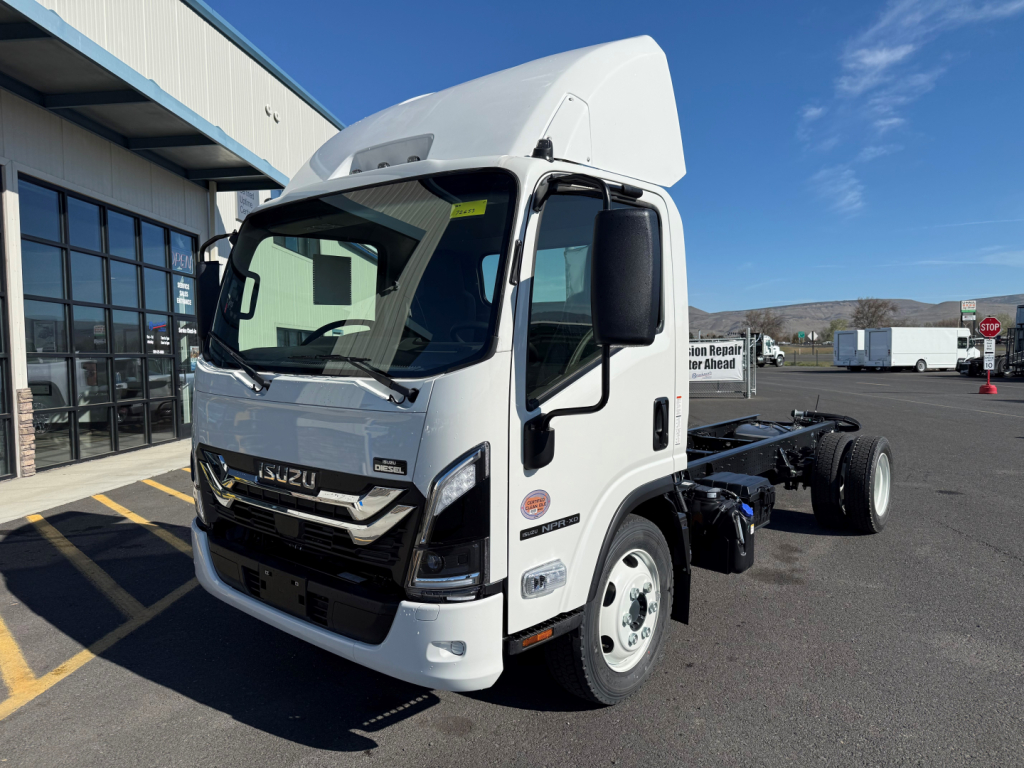
The biggest differences in this category usually come down to class, cab style, and upfit compatibility. Medium-duty cab and chassis trucks such as Isuzu NQR, Ford F-Series, Chevrolet Silverado HD, and similar models are common for delivery, landscaping, and municipal work where tighter turning radius and lower cab height matter. Heavy-duty conventional chassis from makes like Peterbilt, Kenworth, Freightliner, and International are more common when the body requires higher GVWR, PTO capability, tandem axle options, or a stronger vocational foundation. Pay close attention to wheelbase, cab-to-axle, and cab-to-end-of-frame dimensions, because those measurements determine what body can be mounted without major frame modification. Buyers should also confirm front axle loading, rear suspension type, brake configuration, fuel tank placement, and any factory provisions for body builders.
Powertrain selection matters just as much as frame layout. Diesel engines remain the standard for most commercial cab and chassis applications because of torque output, durability, and resale value, but the right horsepower rating depends on route profile and body weight, not just preference. In Washington, buyers running mountain grades, mixed highway travel, or heavier vocational bodies should look closely at rear axle ratio, transmission gearing, cooling capacity, and exhaust brake performance. Automatic transmissions dominate medium-duty applications, while heavier trucks may be spec'd for vocational automatics or manual options depending on PTO demands. If the truck will power a dump bed, crane, compressor, or hydraulic system, verify PTO compatibility before purchase. Emissions equipment condition is also important on used diesel chassis, especially on higher-mileage units where DPF, DEF, and EGR system history can affect downtime.
A strong cab and chassis purchase is really an upfit decision made early. Frame rail spacing, clear frame length, electrical access, and body-builder integration points all affect how easily the truck can be put to work. Rust is generally less severe in Washington than in heavier road-salt regions, but buyers should still inspect frame corrosion, previous drill patterns, crossmember repairs, and signs of overloading. For used units, mileage and engine hours should be reviewed alongside service records, brake wear, suspension condition, and tire date codes. Also known as a chassis cab or chassis truck, this equipment class is one of the most practical ways to build a truck around a precise commercial use instead of adapting a finished body that was designed for someone else’s operation.
Frequently Asked Questions about Cab and Chassis Trucks in Washington
What is a cab and chassis truck used for?
A cab and chassis truck is used as the base platform for a custom body or vocational upfit. Common applications include box trucks, flatbeds, service trucks, dump bodies, rollback carriers, utility bodies, stake beds, and landscape bodies. The truck is purchased with the cab, frame, axles, and drivetrain in place so the buyer or body builder can install the exact body needed for the job.
What specs matter most when buying a cab and chassis truck?
The most important specs are GVWR, wheelbase, cab-to-axle measurement, cab-to-end-of-frame length, front and rear axle ratings, frame rail dimensions, and engine-transmission combination. Those numbers determine payload capacity, body fitment, and overall performance once the truck is upfitted. Buyers should also verify PTO capability, suspension type, brake system, and fuel tank placement because those details can affect body installation and operating cost.
How do I know what body will fit a cab and chassis?
Body fitment starts with the cab-to-axle and cab-to-end-of-frame dimensions, not just overall wheelbase. Body manufacturers use these measurements to determine the correct body length and mounting position. A buyer should also check frame height, frame spacing, rear axle location, and any components mounted on the rails that could interfere with installation. Confirming these details before purchase helps avoid expensive frame modifications or a body that sits improperly on the chassis.
Is diesel the best choice for a cab and chassis truck in Washington?
Diesel is still the preferred choice for many cab and chassis trucks because it delivers strong low-end torque, good durability under load, and broad support for vocational applications. That matters in Washington where some routes involve mountain grades, mixed terrain, and heavier body configurations. The best choice still depends on duty cycle, annual mileage, idle time, and emissions-system maintenance history. For many buyers, the right diesel setup is less about maximum horsepower and more about matching torque, gearing, and GVWR to the job.
What should I inspect on a used cab and chassis truck before buying?
A used cab and chassis truck should be inspected for frame condition, crossmember integrity, previous body-mount holes, signs of overloading, suspension wear, brake condition, tire age, and drivetrain service history. On diesel models, emissions-system records and fault history are especially important. Buyers should also confirm that the wheelbase and cab-to-axle dimensions still match the planned upfit, because some used chassis have already been modified for a previous body configuration.