
Used Peterbilt Cab and Chassis Trucks For Sale in Florida
Browse used Peterbilt cab and chassis trucks in Florida. Compare wheelbases, axle ratings, engine options, and upfit-ready specs.
Learn more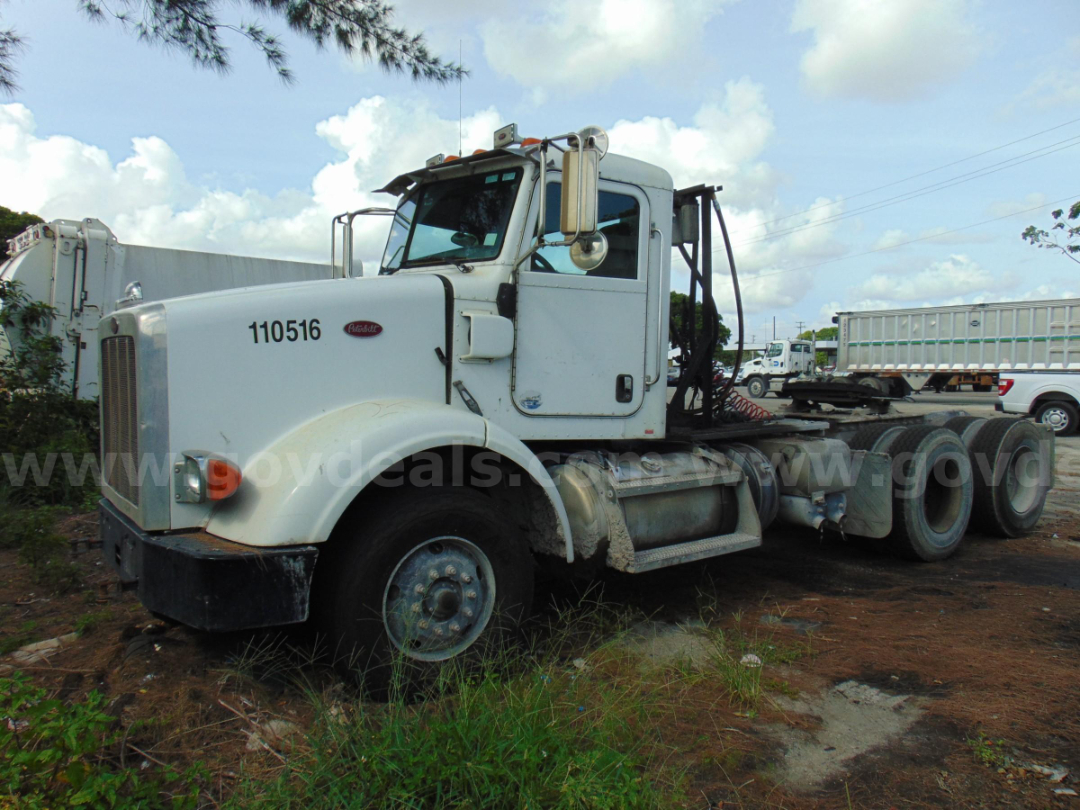
Have used peterbilt cab and chassis truck to sell? List it here to reach thousands of buyers.
About Used Peterbilt Cab and Chassis Trucks in Florida
The main buying decision is usually chassis spec, not just make and model. Wheelbase, back-of-cab to axle measurement, frame rail dimensions, front and rear axle ratings, suspension type, and PTO compatibility will determine what body can be installed and how well the truck performs once upfitted. Many used Peterbilt cab and chassis trucks carry diesel engines from PACCAR, Cummins, or Caterpillar depending on year and original spec, paired with manual, automated, or automatic transmissions from Eaton, Allison, or similar suppliers. Buyers should also check bridge law fit, turning radius, fuel tank placement, exhaust routing, and clear frame space if a crane, compressor, outriggers, or hoist package is planned.
For Florida service, corrosion is often less severe than in northern road salt markets, but heat, humidity, and long idle time still matter. A buyer should pay close attention to cooling system condition, DPF and SCR aftertreatment history, engine hours versus odometer miles, and signs of electrical wear in body-builder circuits. On used cab and chassis trucks, frame condition is critical because prior upfit removal can leave extra holes, modified crossmembers, or wiring that needs to be corrected before a new body goes on. If the truck is already partially equipped for vocational use, inspect hydraulic plumbing, pump operation, PTO engagement, and any evidence of overload wear at the suspension, driveline, or steer axle.
Peterbilt remains a popular choice in vocational fleets because parts support is broad, the cab environment is familiar to many drivers, and resale tends to stay solid when the truck is correctly spec'd. The best value usually comes from matching the chassis to the body and duty cycle rather than chasing the lowest upfront price. A used Peterbilt cab and chassis with the right GVWR, axle spread, transmission, and frame layout can go straight into revenue service with fewer compromises than a general-purpose truck that needs major modification.
Frequently Asked Questions
What should I check first on a used Peterbilt cab and chassis truck?
Start with the chassis measurements and ratings. Confirm wheelbase, cab-to-axle or cab-to-trunnion dimension, GVWR, front and rear axle capacities, frame section, and suspension spec before focusing on cosmetics. Those numbers determine what body can be installed, how weight will distribute, and whether the truck can legally and reliably do the intended job. On a used unit, also inspect the frame for added holes, welded repairs, removed equipment mounts, and any changes left behind from a prior body.
Which Peterbilt models are most common as cab and chassis trucks?
Vocational Peterbilt models such as the 365, 367, and newer medium-duty and severe-service platforms are common in cab and chassis form. The exact model matters less than the actual truck spec because two trucks with the same model badge can have very different axle ratings, frame layouts, engine ratings, and body-builder options. Buyers should read the door tag, build sheet, and axle information rather than assuming all trucks of one model are interchangeable.
Is engine mileage or engine hours more important on a used vocational cab and chassis?
Both matter, but engine hours are especially important on vocational trucks because many spend long periods idling to run PTO equipment or support municipal and utility work. A truck with moderate mileage but very high hours may have more wear on the engine, aftertreatment system, cooling package, and accessory drive than the odometer suggests. Review the hours, maintenance records, idle history, and DPF or SCR service history together to get a clearer picture of actual use.
Are used Peterbilt cab and chassis trucks good candidates for new body installs?
Yes, if the frame layout and ratings match the planned application. A used cab and chassis can be an efficient platform for a new dump body, utility body, roll-off, hooklift, flatbed, or other vocational package, but the truck must have the right wheelbase, axle placement, clear frame space, PTO provisions, and suspension capacity. Before purchase, confirm that the body builder can work with the existing chassis without expensive frame modifications, driveline changes, or relocation of tanks and aftertreatment components.
What Florida buyers should look for specifically on a used cab and chassis truck?
Florida buyers should pay close attention to sun and heat exposure, cooling system health, air conditioning performance, and moisture-related electrical issues. Salt corrosion is often less aggressive than in northern states, but coastal operation can still affect wiring, hardware, aluminum components, and exposed hydraulic parts. It is also smart to check tire date codes, hose condition, and cab seals because heat and UV exposure can age rubber components faster than mileage alone would suggest.