
Cab and Chassis Trucks For Sale in Oklahoma
Browse cab and chassis trucks for sale in Oklahoma. Compare wheelbase, axle ratings, PTO setups, and body-ready specs for vocational work.
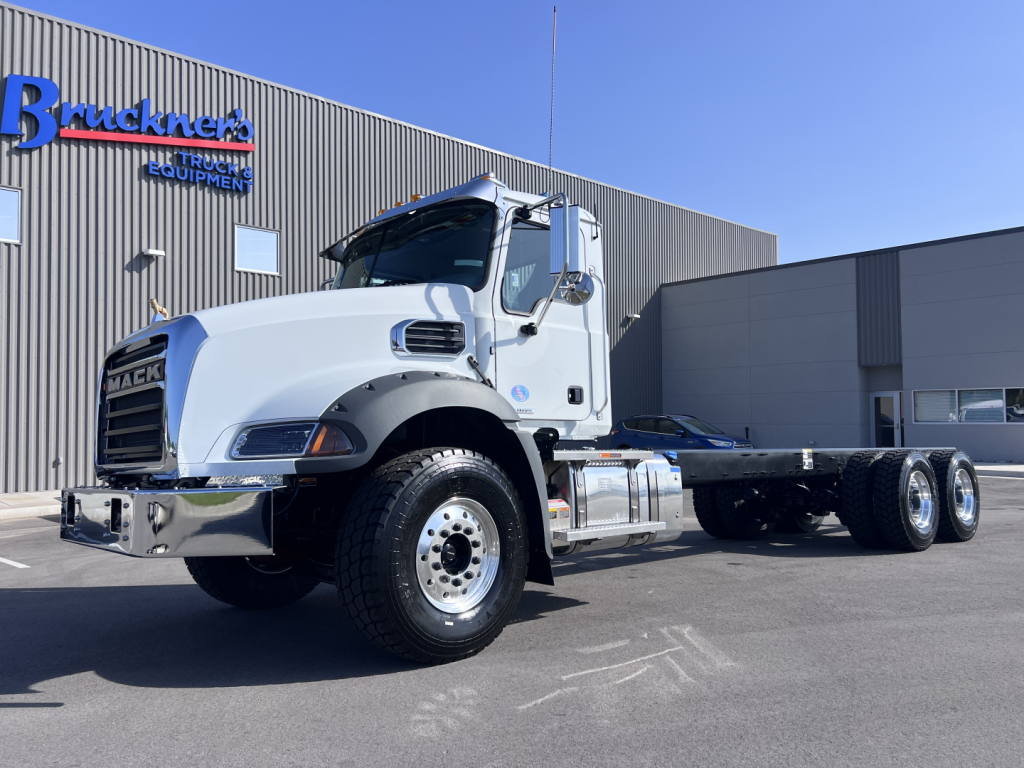
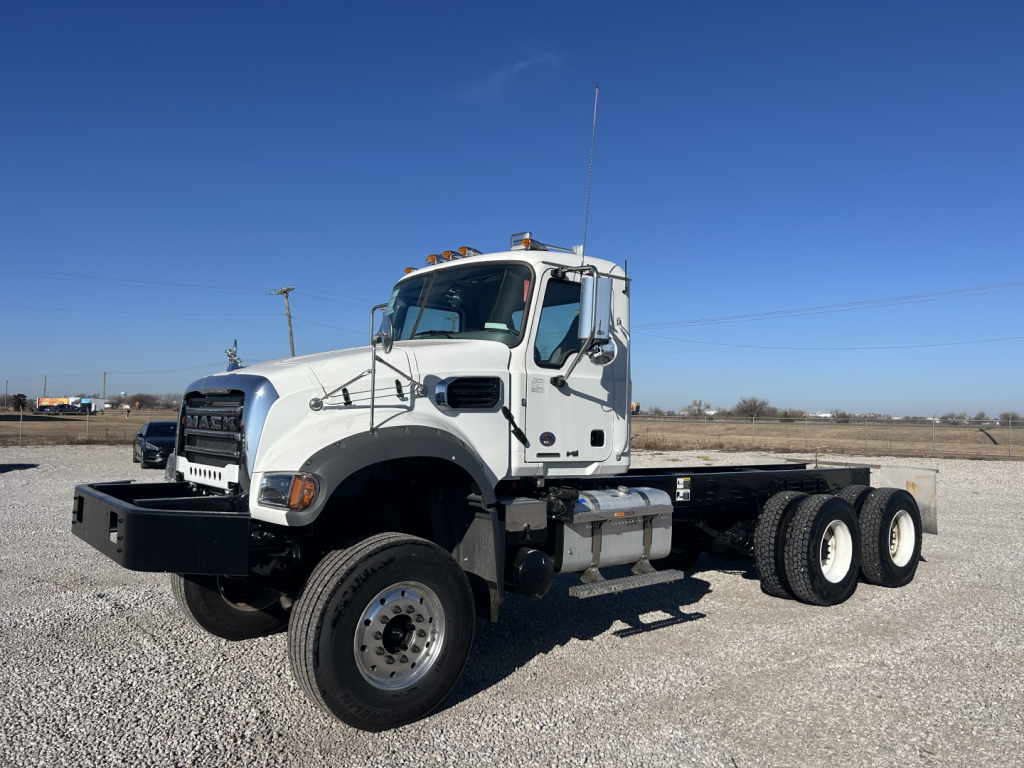

Selling a cab and chassis truck? List your cab and chassis truck for sale and reach thousands of commercial buyers.
Cab and Chassis Trucks in Oklahoma
Wheelbase is one of the first numbers to verify because it determines body length, axle placement, bridge compliance, and turning radius. On heavier Class 8 cab and chassis trucks, buyers often compare wheelbases in the low-200-inch to upper-260-inch range depending on whether the truck will carry a dump body, mixer, tanker, or heavy service body. Front axle ratings around 18,000 to 20,000 pounds and tandem rears around 46,000 pounds are common on severe-duty setups, with GVWRs pushing into the 64,000 to 66,000 pound range. Rear suspension choice also matters. Camelback and other multileaf suspensions are valued for durability in rough jobsite service, while vocational air ride or premium rubber block designs may be preferred where ride quality or equipment protection is more important.
Powertrain decisions should be made around PTO needs, start-stop duty cycles, and loaded operating speeds. In this category, buyers will commonly see diesel engines in the mid-300 to mid-400 horsepower range paired with Allison automatic transmissions or automated manuals such as Mack mDRIVE. Allison automatics remain popular for refuse, utility, towing, and stop-and-go municipal work because they simplify operation and work well with PTO-driven equipment. Automated manuals can make sense for linehaul-heavy vocational use or operations that want better fuel economy at road speed. Rear axle ratio is another practical checkpoint. Ratios in the high 3s to low 4s can support highway travel with a loaded body, while deeper ratios such as 5.04 are better suited to low-speed work, launchability, and severe-service applications.
A buyer should also confirm frame rail dimensions, cab-to-axle measurement, body-builder provisions, and PTO compatibility before comparing prices. That includes checking for double-frame reinforcement, crossmember spacing, lift axle plans, exhaust routing, and any air, hydraulic, or electrical requirements the upfitter will need. In Oklahoma, where these trucks may split time between highway miles, lease roads, construction sites, and municipal streets, durability and service access are just as important as published specs. A well-matched cab and chassis will body up cleanly, carry the intended load legally, and avoid expensive rework after the build begins.
Frequently Asked Questions about Cab and Chassis Trucks in Oklahoma
What is the difference between a cab and chassis truck and a complete straight truck?
A cab and chassis truck is sold with the cab, frame, engine, transmission, axles, and running gear, but without the final vocational body installed. A complete straight truck already has the body attached, such as a dump body, box, service body, or rollback. Buyers choose a cab and chassis when they need a truck built for a specific application and want control over body length, PTO setup, axle placement, and equipment integration.
How do I choose the right wheelbase for a cab and chassis?
Wheelbase should be selected based on the intended body length, cab-to-axle requirement, weight distribution, and turning needs. A longer wheelbase can improve stability and allow for larger bodies or more equipment, but it also increases turning radius and can complicate maneuvering on tight jobsites. The body manufacturer should confirm the exact cab-to-axle and frame requirements before the truck is ordered or purchased, because guessing on wheelbase can lead to costly fitment problems.
Are Allison automatic transmissions better for vocational cab and chassis trucks?
Allison automatics are often preferred for vocational service because they perform well in stop-and-go work, simplify driver training, and integrate well with many PTO-driven applications. They are common in refuse, utility, municipal, tow, and construction fleets. That said, an automated manual can still be a strong choice when the truck will spend more time at road speed or when fuel economy is a higher priority. The better transmission is the one that matches the truck's actual duty cycle and body equipment.
What axle ratings are common on heavy-duty cab and chassis trucks?
For severe-duty Class 8 applications, front axle ratings of 18,000 to 20,000 pounds and tandem rears around 40,000 to 46,000 pounds are common, though exact ratings depend on the body, payload, and legal operating target. Buyers should look beyond GVWR alone and verify frame strength, suspension capacity, tire ratings, and local bridge and registration requirements. The finished truck must be spec'd as a complete package, not just as a chassis with enough advertised horsepower.
What should I confirm before sending a cab and chassis to an upfitter?
Before the truck goes to an upfitter, confirm the cab-to-axle measurement, wheelbase, frame rail dimensions, PTO provisions, exhaust layout, fuel tank location, battery box placement, rear suspension type, and any double-frame or reinforcement needs. It is also smart to verify electrical interface needs, hydraulic plumbing plans, and clearances for outriggers, hoists, or body mounts. Getting those details aligned early helps the body install go faster and reduces the chance of expensive modifications after the build starts.