
Cab and Chassis Trucks For Sale in Iowa
Browse cab and chassis trucks for sale in Iowa. Compare wheelbases, axle setups, engine options, and upfit readiness for your job.
No exact matches found for your search
Showing Cab and Chassis Trucks instead.
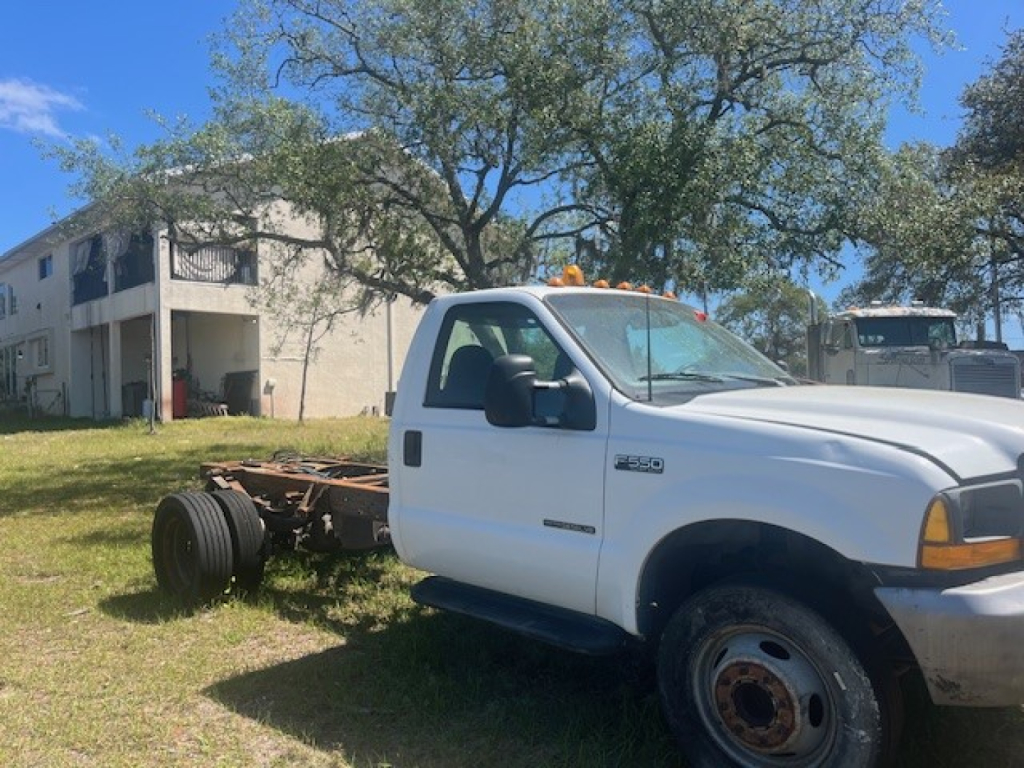
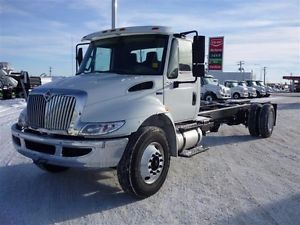
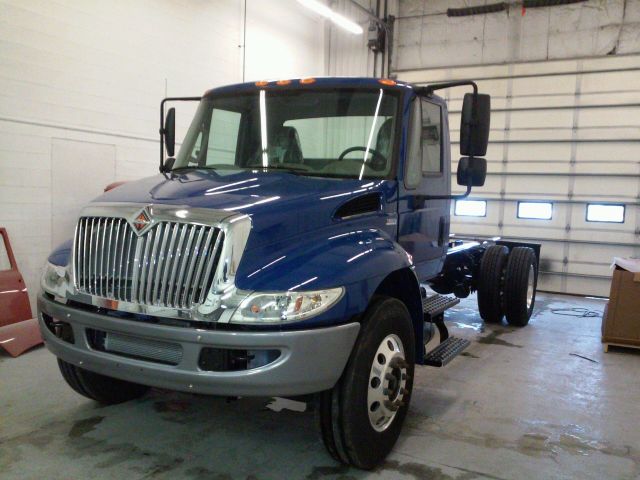
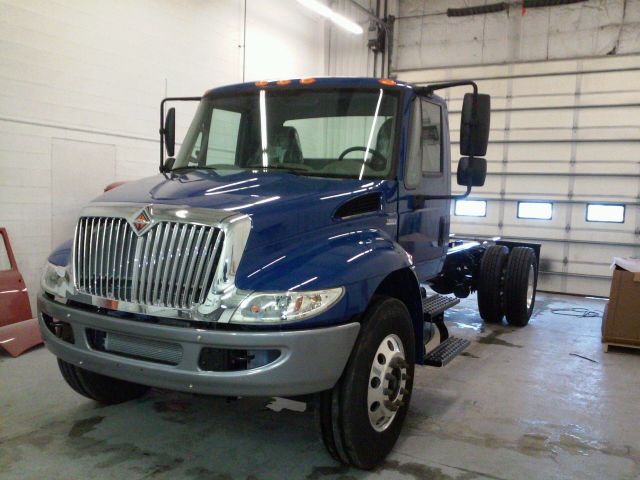
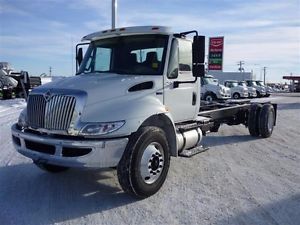
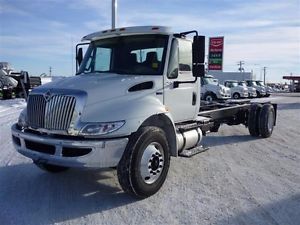
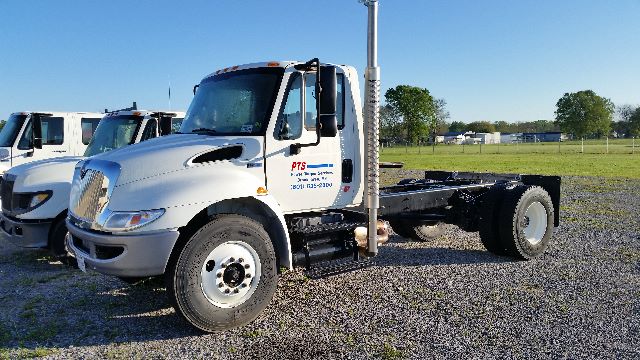
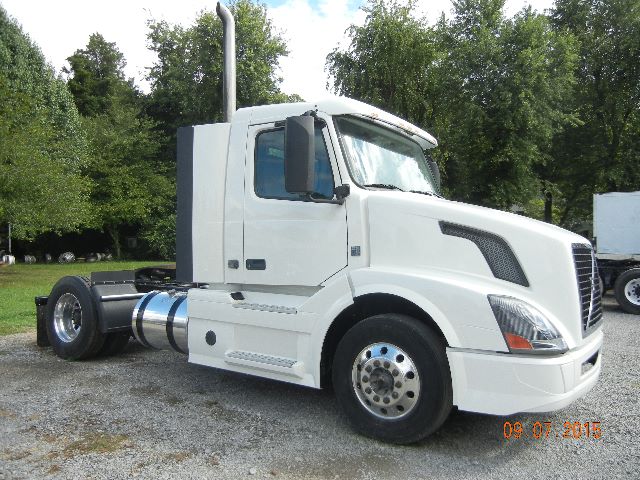
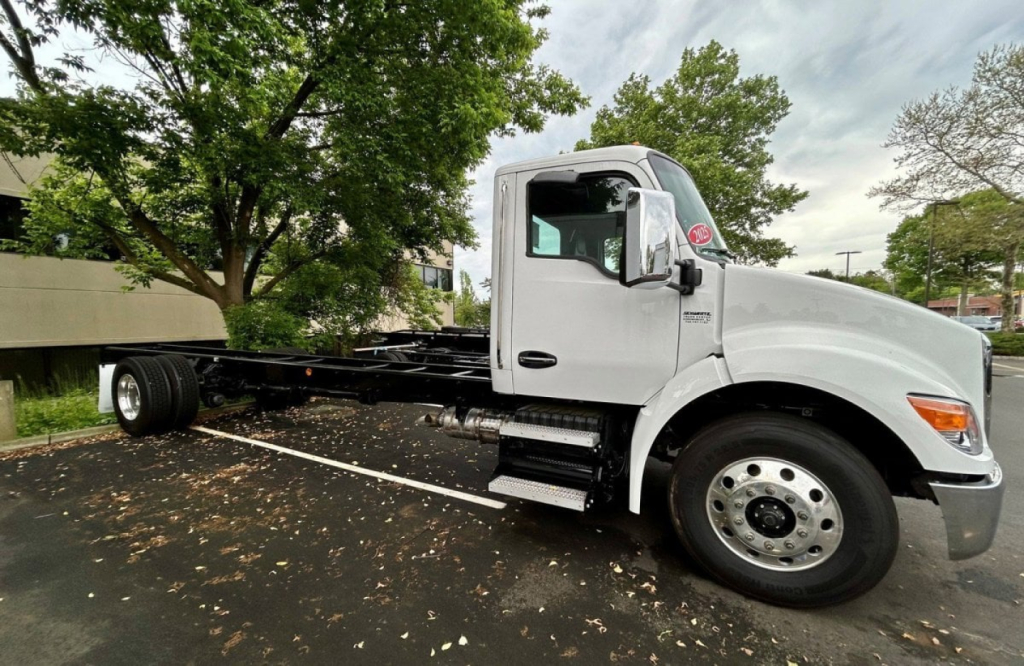
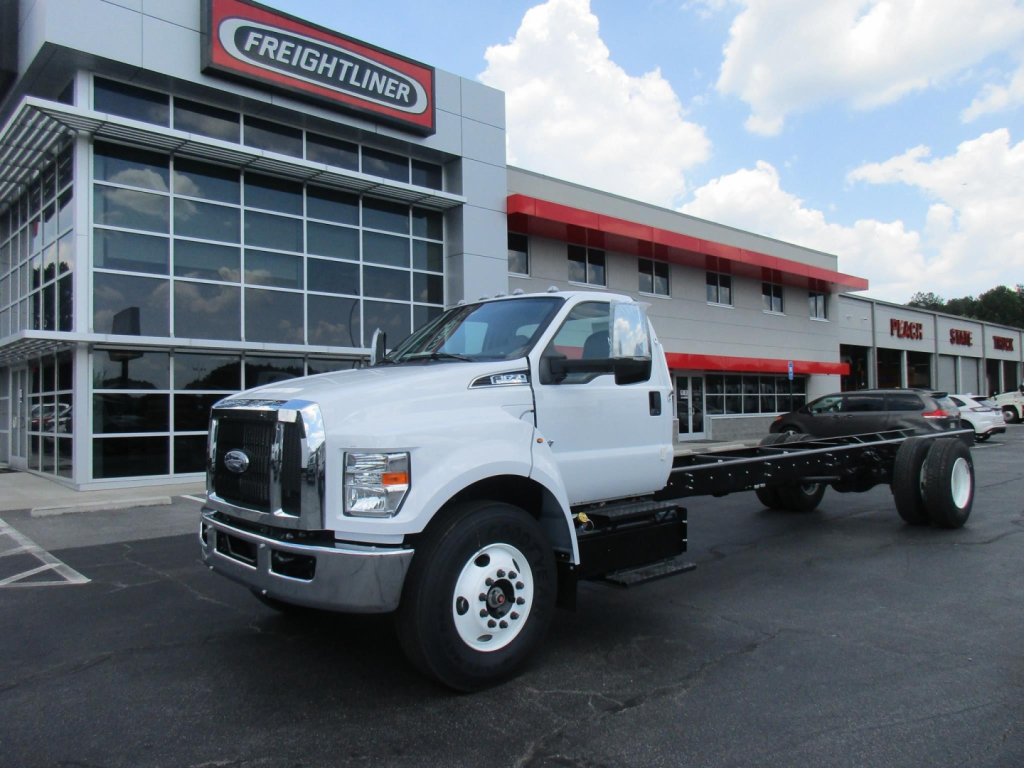
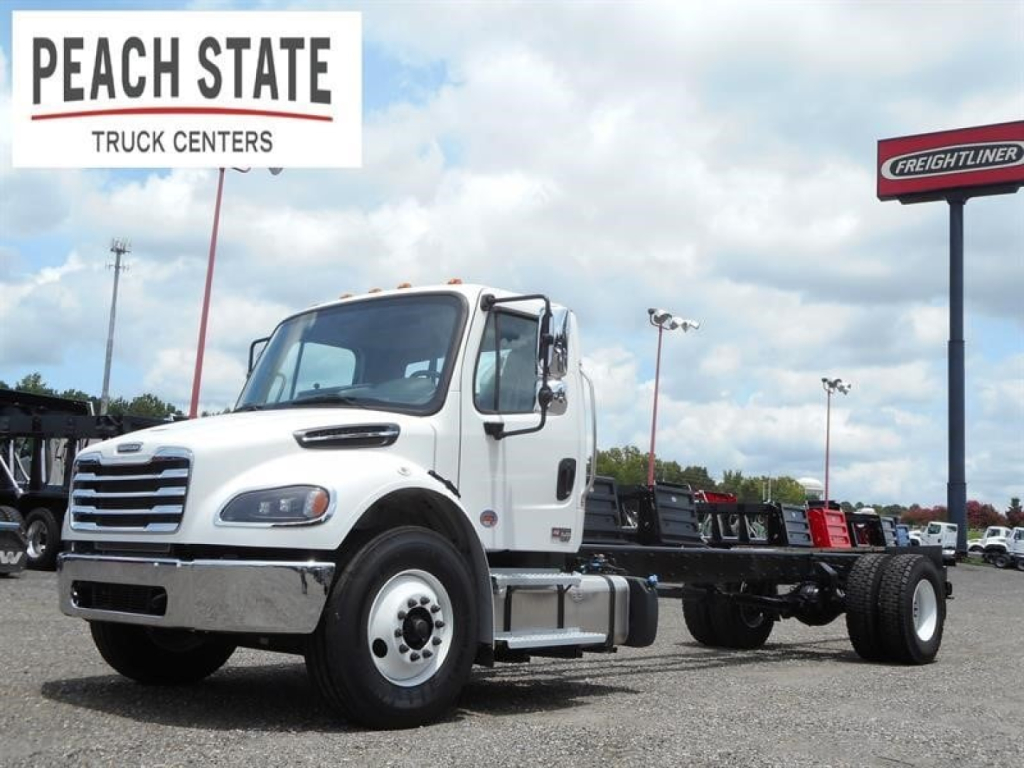
2027 Freightliner M2 106
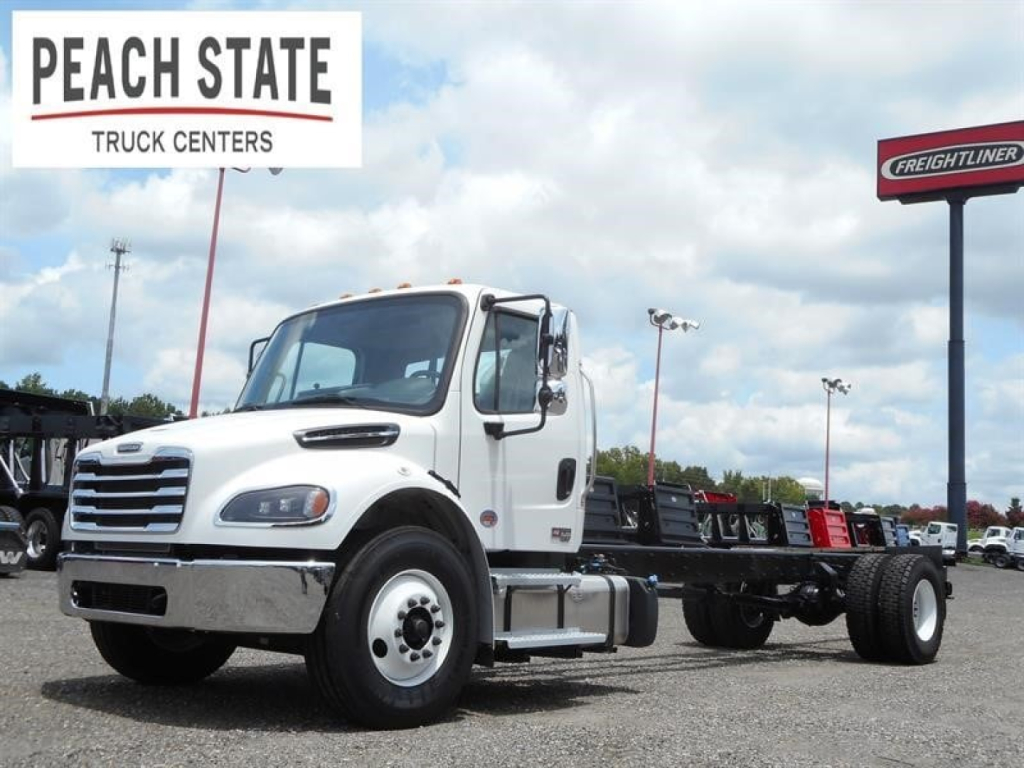
2027 Freightliner M2 106
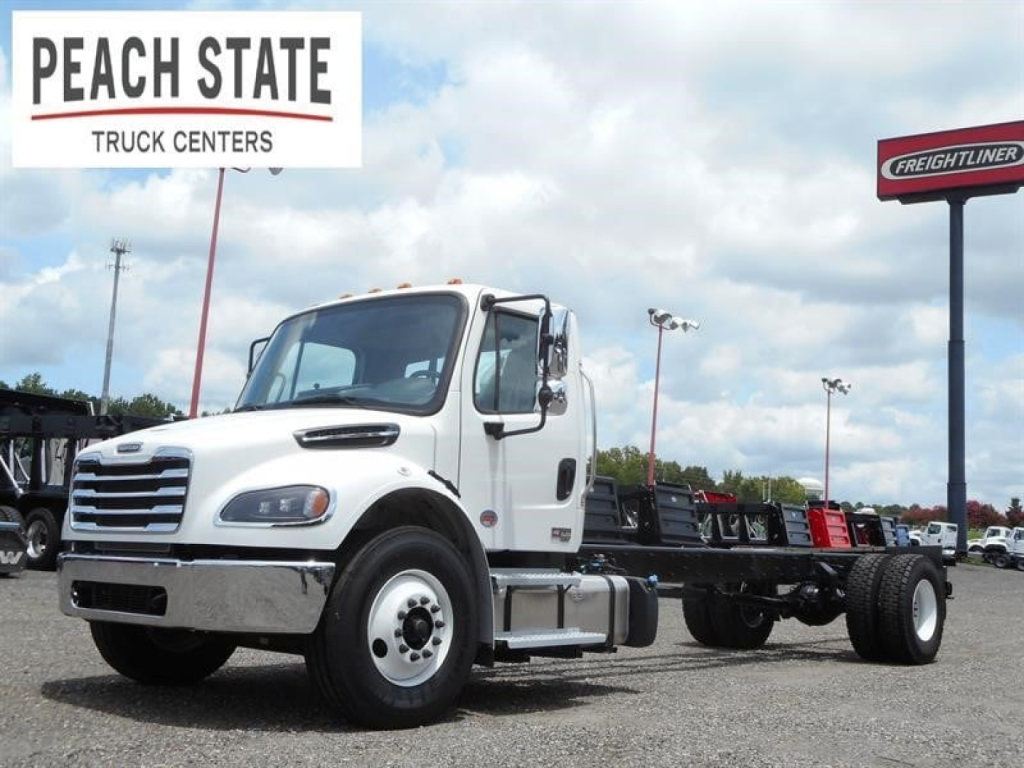
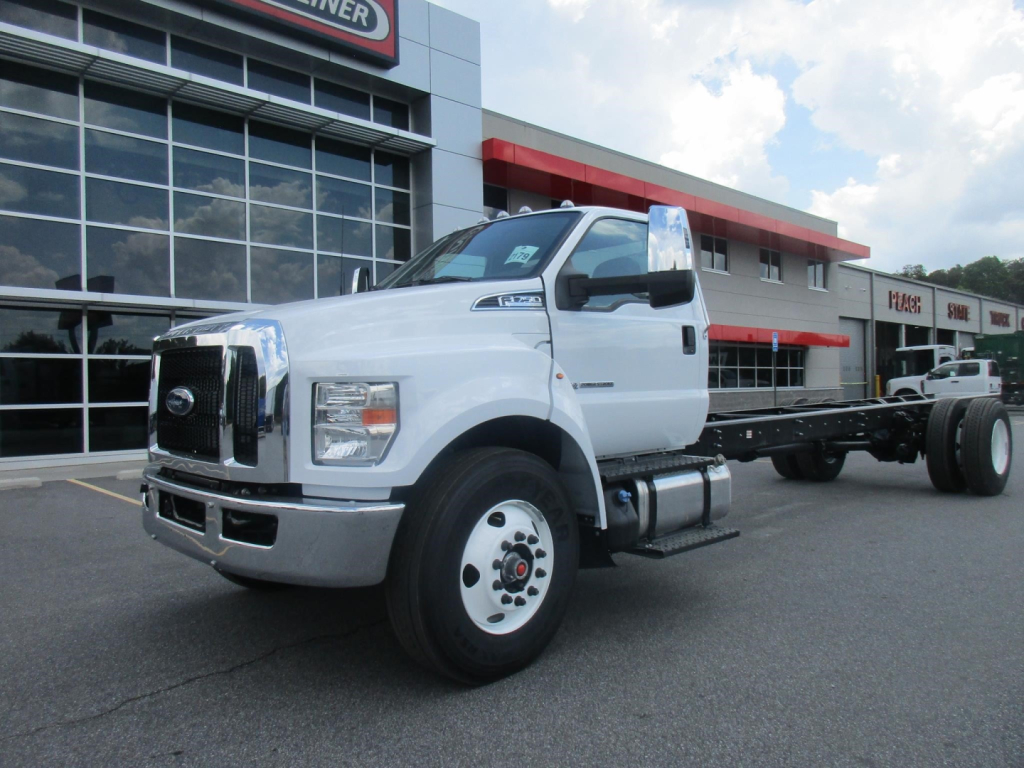
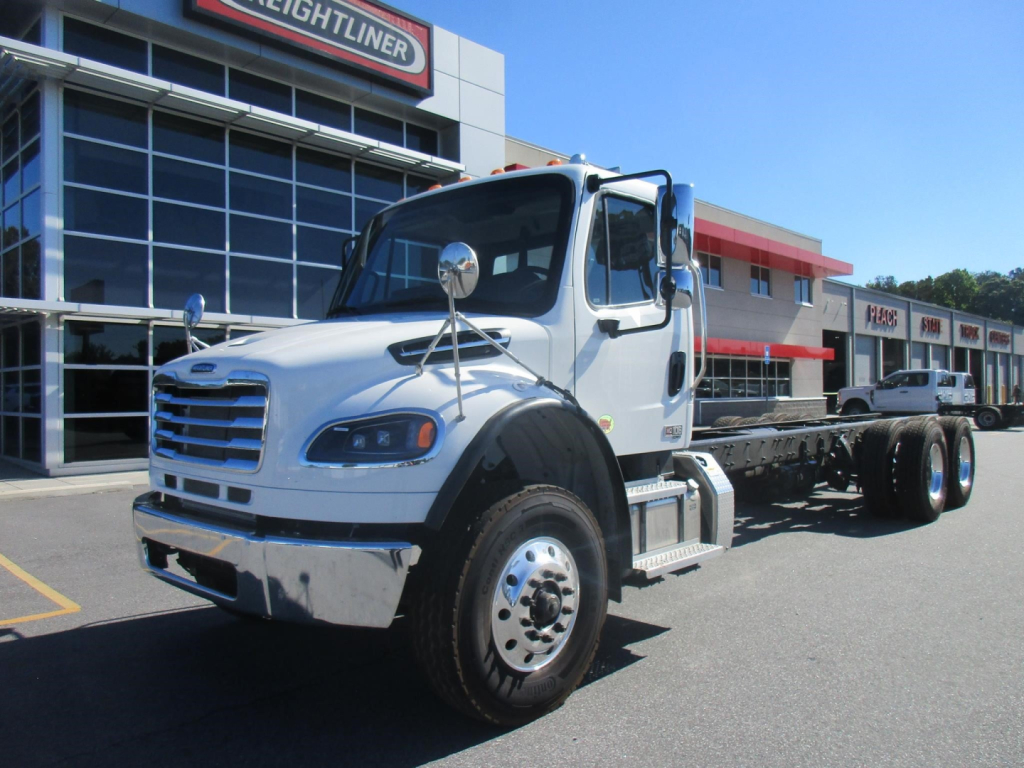
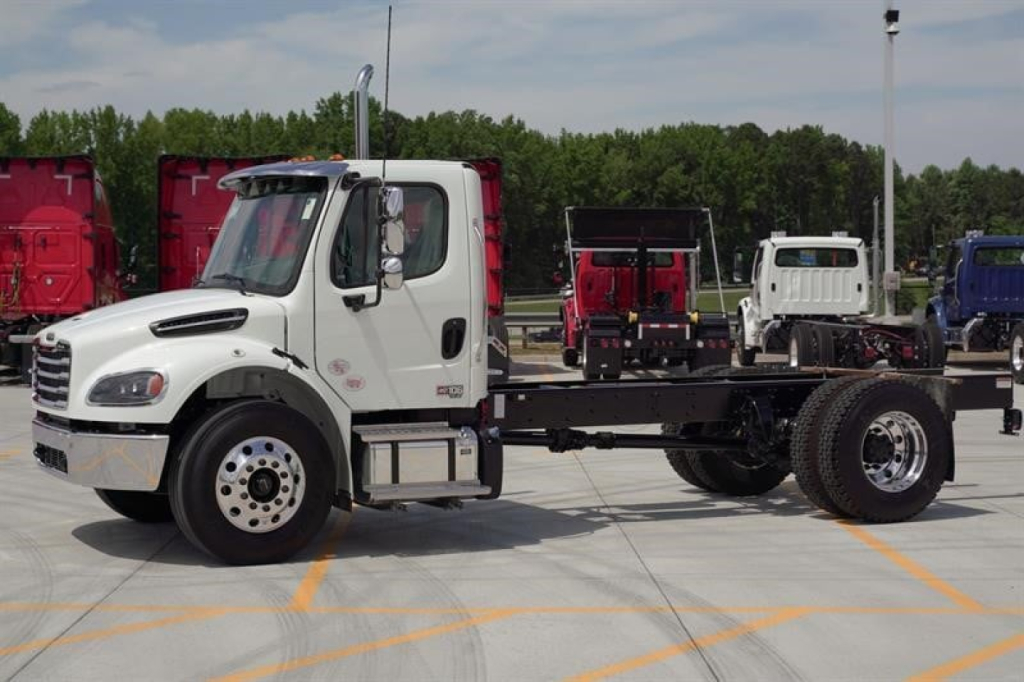
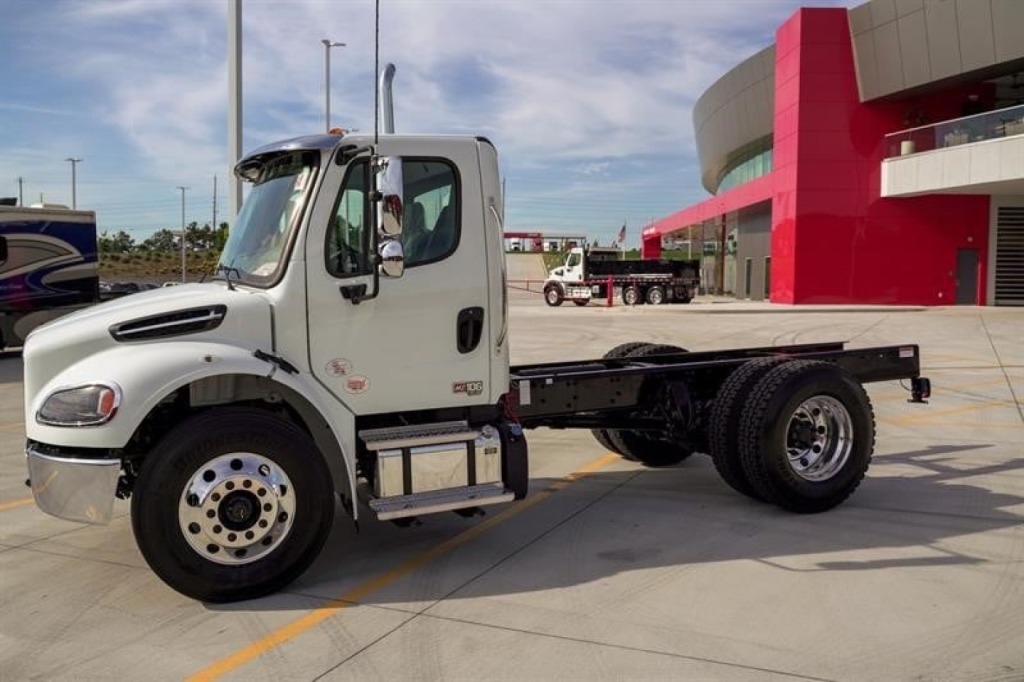
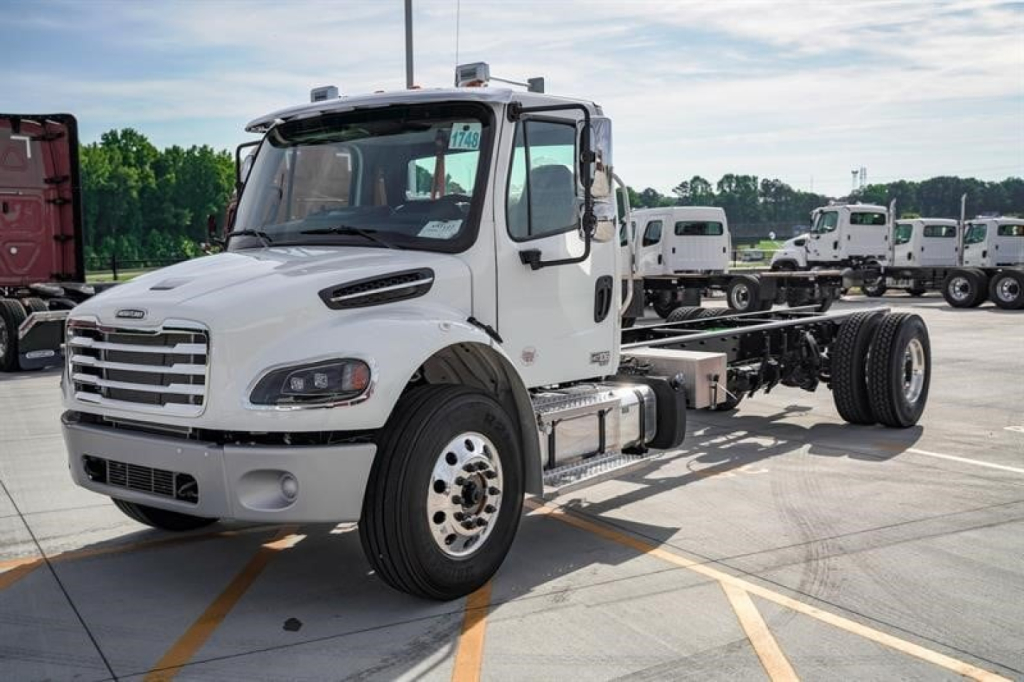
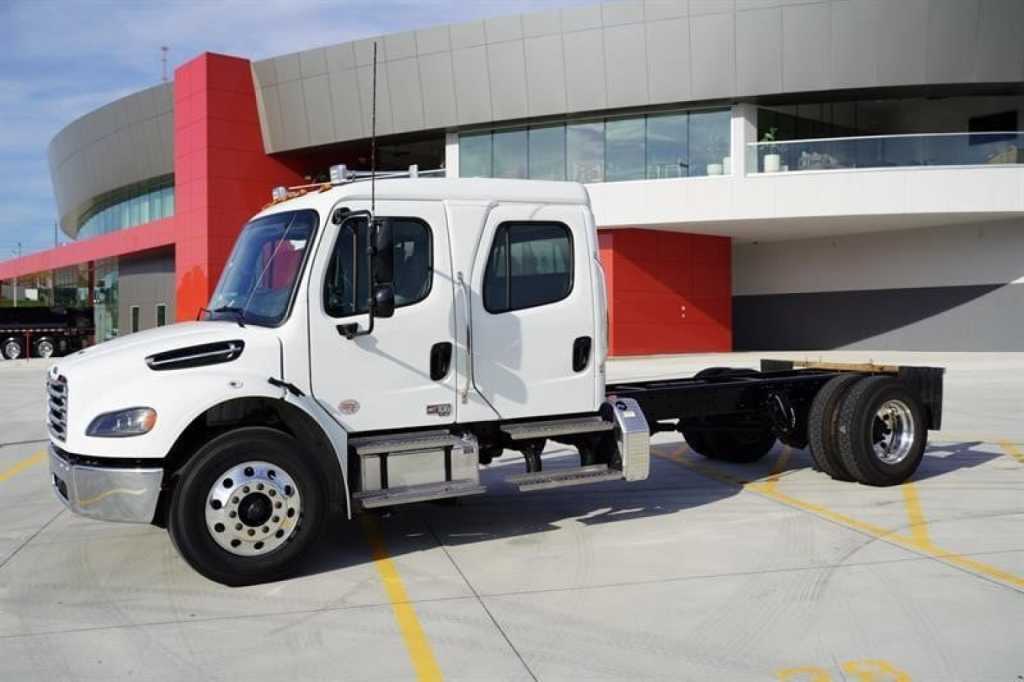
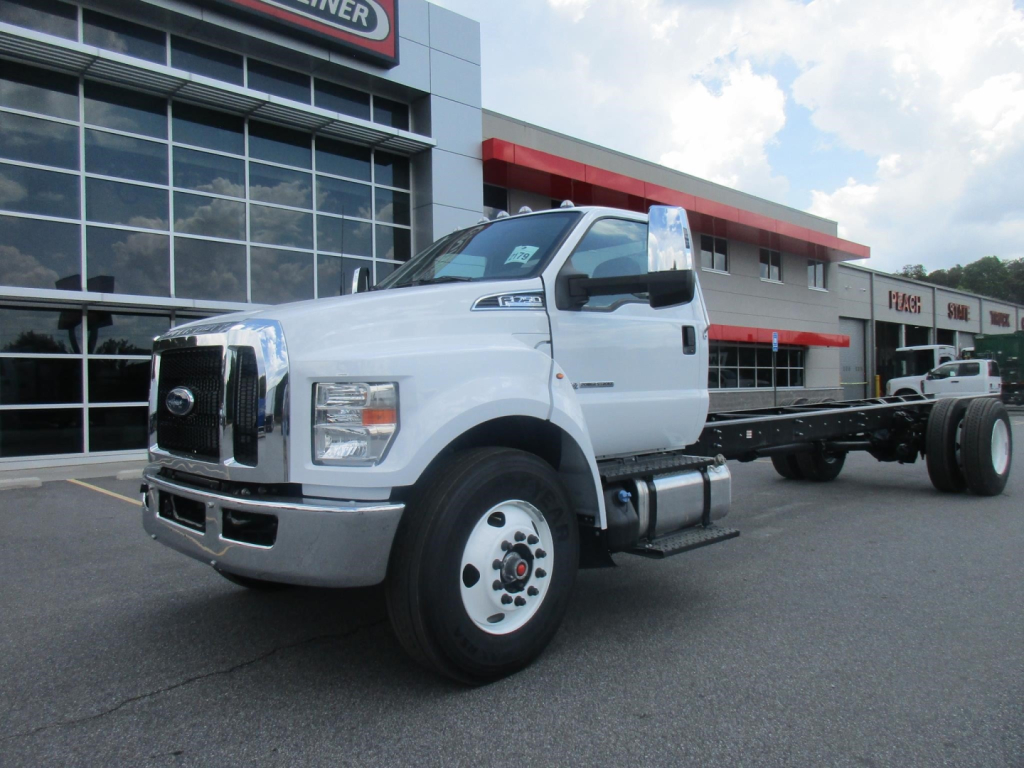
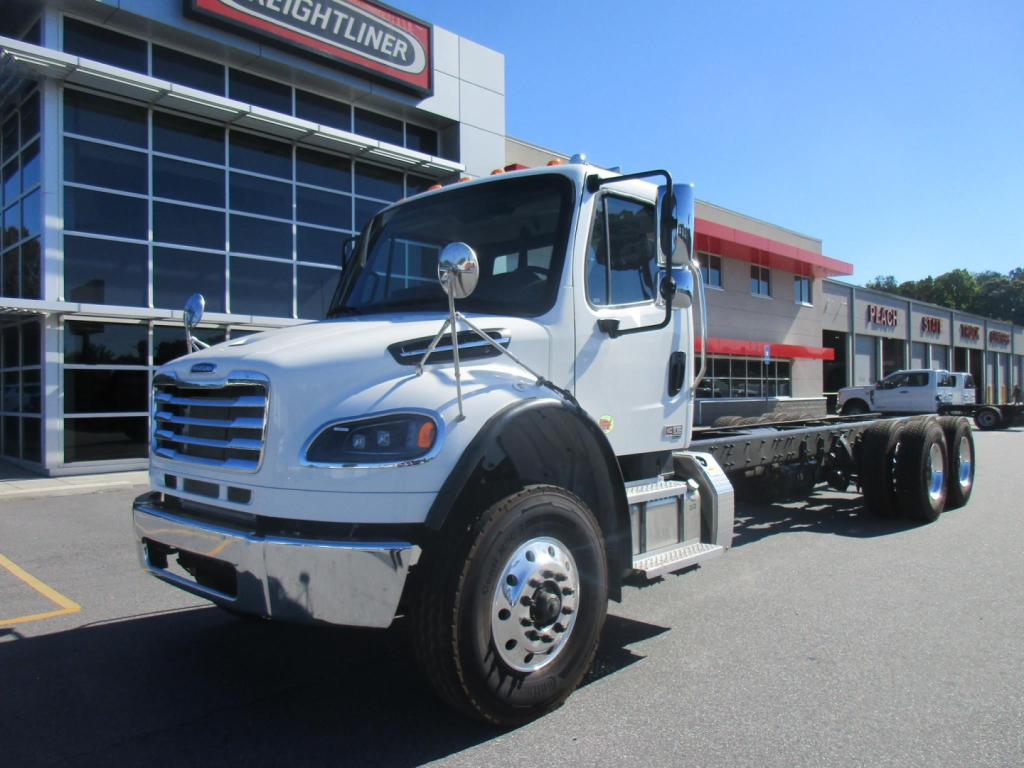
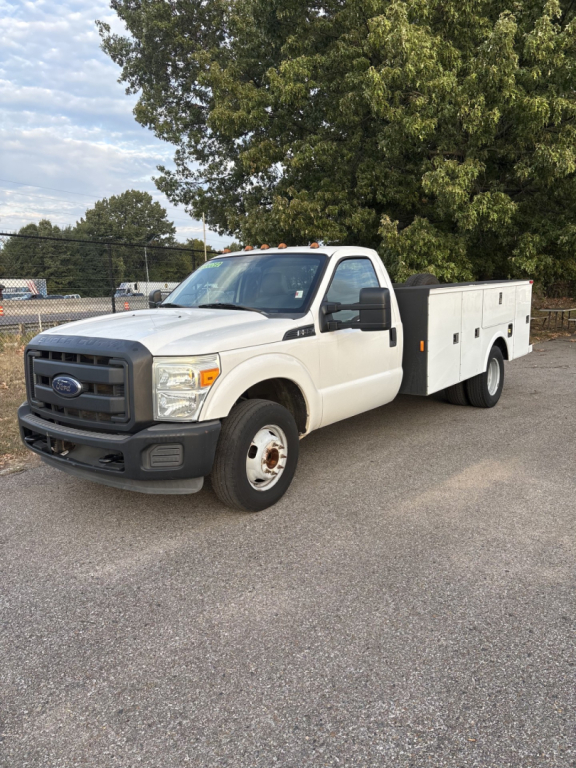
Showing 1 to 28 of 149 results
Selling a cab and chassis truck? List your cab and chassis truck for sale and reach thousands of commercial buyers.
Cab and Chassis Trucks in Iowa
On this type of truck, buyers usually start with GVWR and axle configuration. Common setups include single-axle and tandem-axle chassis, with diesel power from major OEMs like Cummins, Detroit, Paccar, and Volvo depending on brand. Transmission choice matters if the truck will spend its life in stop-and-go service, on secondary roads, or hauling heavier loads. Automated manuals are common, but some fleets still prefer manual transmissions for certain vocational applications. Suspension type, rear axle ratio, and wheelbase all affect maneuverability, bridge compliance, body length, and how well the finished truck performs once loaded.
Used cab and chassis trucks can range from highway-derived platforms to true vocational chassis. A highway-based chassis may offer a quieter cab, sleeper or day cab options, and better fuel economy for regional work, while a vocational-spec truck is more likely to have heavier rails, higher front axle capacity, PTO provisions, and durability features designed for severe service. Buyers should pay close attention to frame condition, existing holes or modifications, emissions system history, tire wear, brake condition, and whether the truck has enough remaining capacity for the body and payload planned. If the truck already carried a body, inspect for corrosion, stretched wiring, and signs of overloading around the suspension and frame.
For Iowa operators, practical concerns include cold-weather starting, road treatment exposure, and the mix of interstate, county road, and jobsite use. A good cab and chassis match should support the intended body without compromising legal payload, turning radius, or service access. If the truck will become a dump, rollback, box truck, mechanic truck, or tanker application, confirm body-builder dimensions early, including frame height, cab-to-back-of-cab, and clearances for hydraulic components or lift equipment. The best choice is the chassis that fits the upfit correctly the first time and holds up under the real duty cycle, not simply the lowest upfront price.
Frequently Asked Questions about Cab and Chassis Trucks in Iowa
What is a cab and chassis truck?
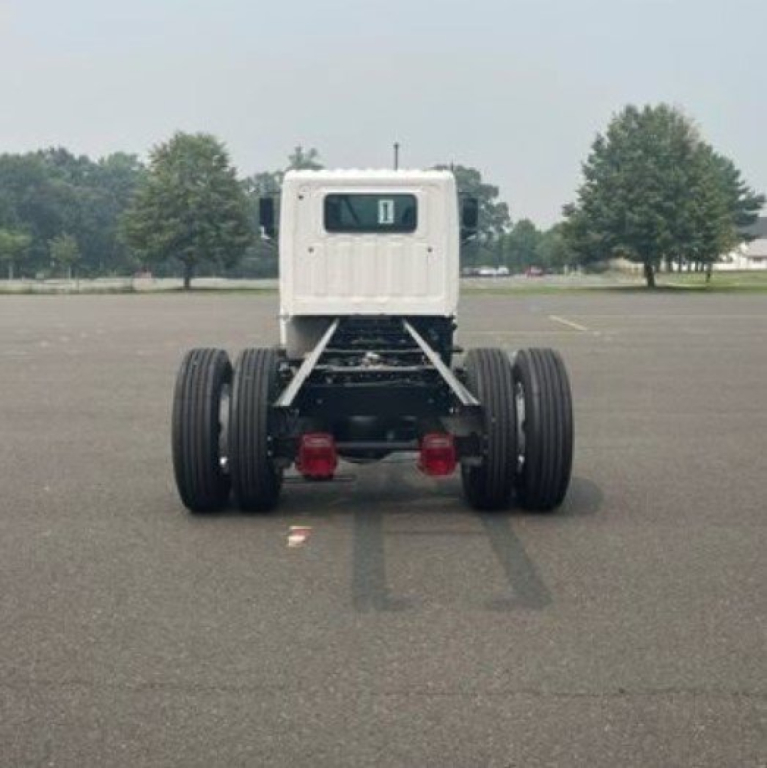
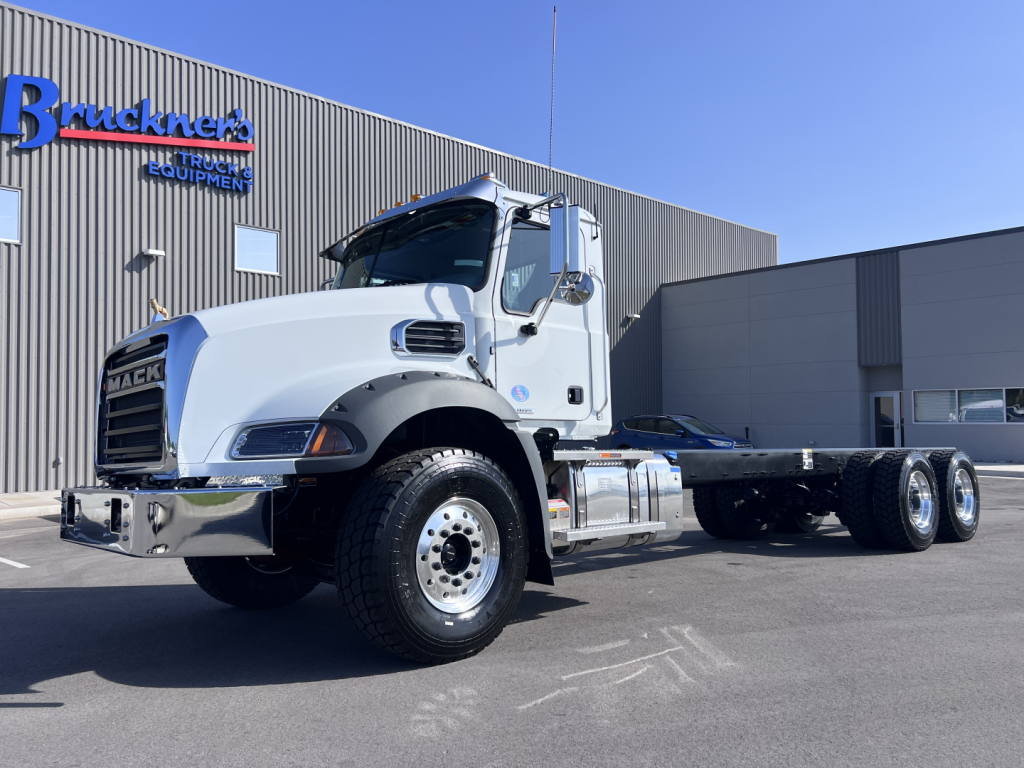
A cab and chassis truck is a truck sold with the cab, drivetrain, and exposed frame rails, but without the final work body installed. It is intended to be upfitted with equipment such as a dump body, flatbed, van body, rollback, service body, utility body, or tanker. The value of this platform is flexibility, because the buyer can match the chassis specifications to the exact body and payload requirement.
What measurements matter most when buying a cab and chassis truck?
The most important dimensions are wheelbase, cab-to-axle, cab-to-back-of-cab, and frame height. These measurements determine what body can be installed and how the finished truck will balance weight across the axles. Buyers should also confirm front and rear axle ratings, suspension capacity, and overall GVWR so the completed truck remains legal and functional with the intended payload.
Can a highway tractor be used as a cab and chassis truck?
In some cases, yes. Some used platforms started life as road tractors and can be repurposed for certain applications, especially regional hauling or specialized conversions. The buyer needs to verify frame layout, axle placement, suspension, PTO capability, and whether the chassis can accept the intended body without excessive modification. A purpose-built vocational chassis is usually the better fit for severe-duty work.
What should I inspect on a used cab and chassis truck before buying?
Focus on frame condition, rust, previous body mounting holes, crossmember integrity, suspension wear, brake condition, and tire condition. Review engine and aftertreatment service history carefully, especially on higher-mileage diesel units. It is also important to inspect wiring, PTO provisions, air and hydraulic hookups, and any signs that the truck was overloaded or poorly modified during a previous upfit.
Which applications are common for cab and chassis trucks in Iowa?
Common Iowa applications include grain and ag support bodies, dump trucks, flatbeds, service trucks, utility trucks, box trucks, and towing or recovery builds. Buyers often need a chassis that can handle both paved-road travel and jobsite or rural-road conditions. That makes axle ratings, ground clearance, wheelbase, and corrosion condition especially important in this market.