
2026 Cab and Chassis Trucks For Sale in Alabama
Shop 2026 cab and chassis trucks in Alabama. Compare wheelbases, GVWR, engine and PTO options for body builders and vocational fleets.
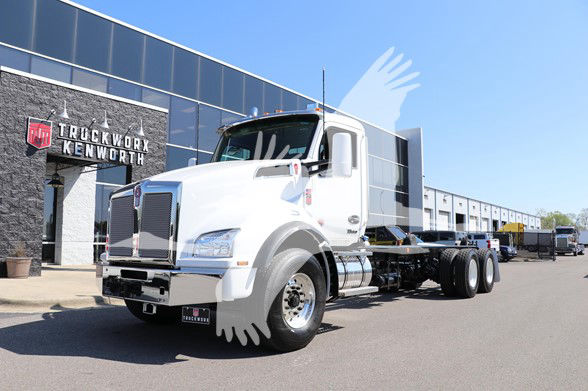
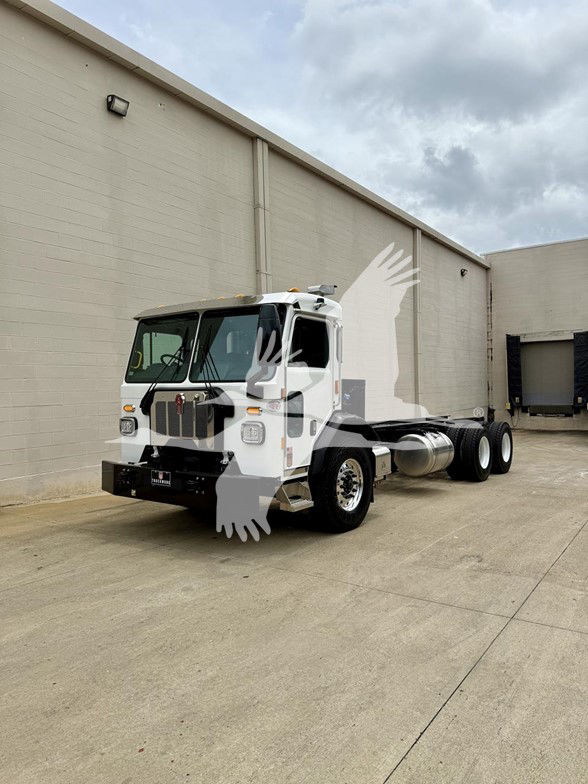
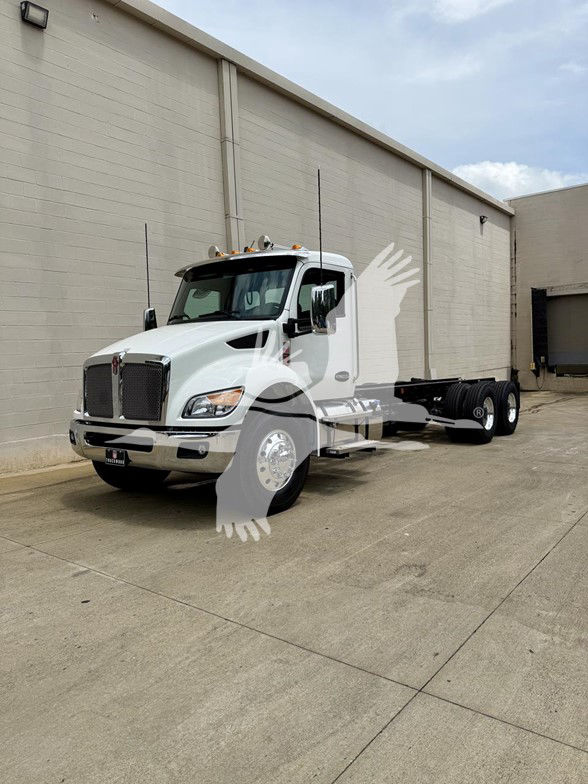
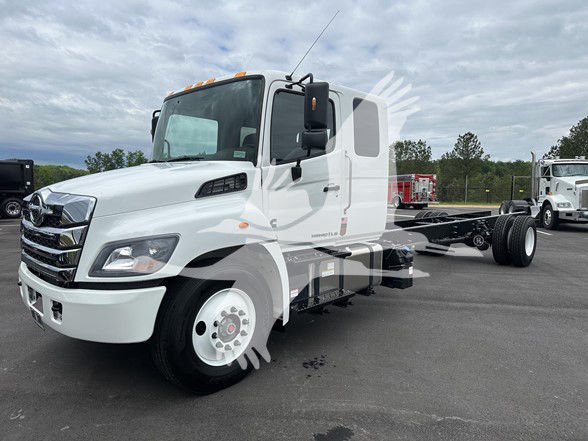
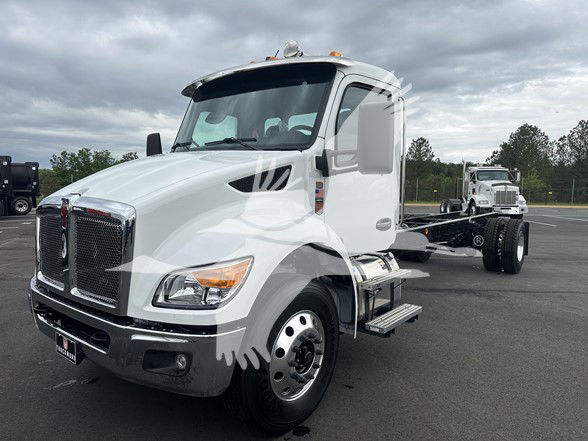
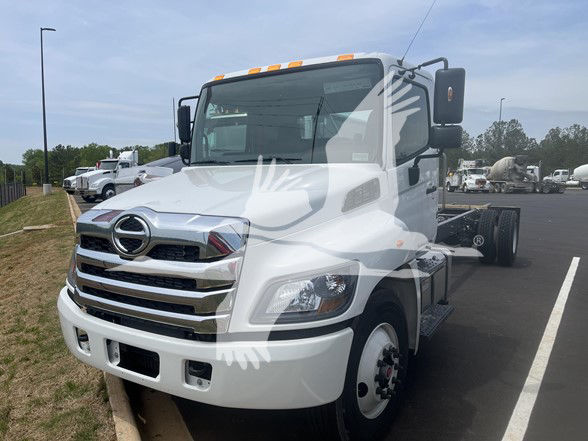
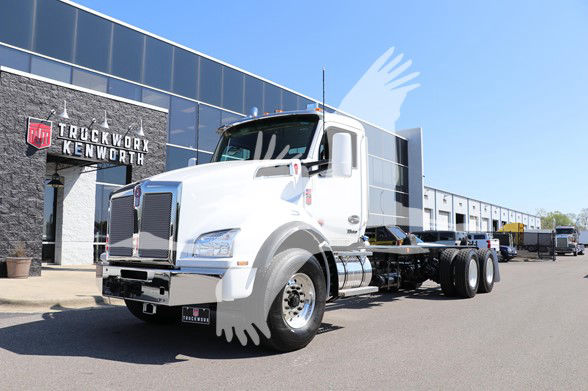
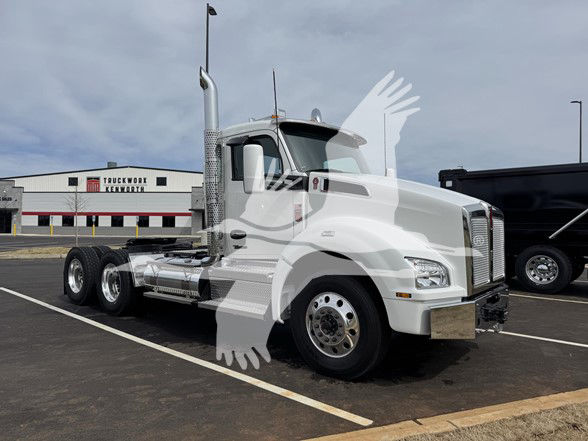
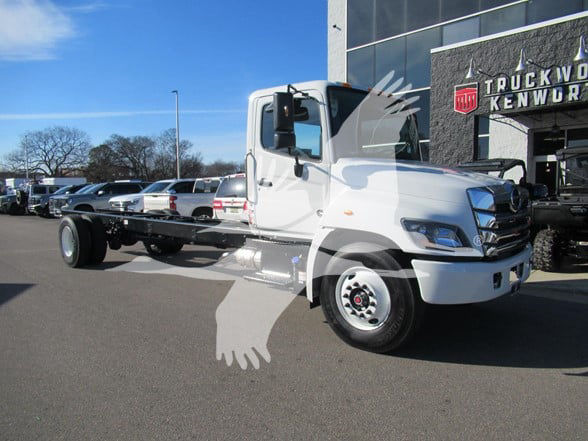
Selling a 2026 cab and chassis truck? List your 2026 cab and chassis truck for sale and reach thousands of commercial buyers.
2026 Cab and Chassis Trucks in Alabama
Wheelbase and back-of-cab to axle measurement usually drive the buying decision first. If the chassis is too short or too long, body fitment, bridge compliance, turning radius, and weight distribution can all suffer. Common vocational platforms in this class range from medium-duty models to severe-service trucks, with popular specs including diesel engines such as a PACCAR PX-7 or Cummins X15, Allison automatic transmissions, and automated manual options like the Endurant XD Pro. Buyers should also pay attention to frame section modulus, front axle rating, rear axle ratio, suspension type, PTO provisions, and clear frame rail space for hydraulic tanks, toolboxes, outrigger packages, or auxiliary equipment.
For Alabama operators, application and terrain matter as much as raw horsepower. A municipal or utility chassis working city streets may prioritize maneuverability, visibility, and automatic transmission operation. A heavier vocational truck headed to job sites or hauling equipment may need a longer wheelbase, higher horsepower, heavier rears, locking differentials, and a more robust suspension package. Cooling capacity, air brake configuration, fuel tank placement, and exhaust routing also matter because they affect how easily the truck can be upfitted and serviced after the body is installed.
A strong cab and chassis spec saves time and money at the body-builder stage. Look closely at axle spacing, cab-to-axle, frame height, tire size, and intended finished GVWR before choosing a truck. Factory switches, PTO programming, trailer connections, and vocational electrical provisions can make a big difference once the truck is in service. For buyers comparing 2026 models, the smartest approach is to match the chassis to the final body, payload, and duty cycle first, then compare engine, transmission, and wheelbase combinations that support that build.
Frequently Asked Questions about 2026 Cab and Chassis Trucks in Alabama
What is a cab and chassis truck used for?
A cab and chassis truck is used as the base platform for a custom upfit. Common bodies include dump beds, flatbeds, service bodies, rollback carriers, utility bodies, vacuum units, tank bodies, hooklifts, and box bodies. The chassis is selected first so the frame length, axle ratings, drivetrain, and wheelbase match the finished truck's body, payload, and operating environment.
How do I choose the right wheelbase for a cab and chassis truck?
Start with the body manufacturer's required cab-to-axle and overall frame length, then work backward to wheelbase. The right wheelbase affects body fit, turning radius, bridge law compliance, ride quality, and front-to-rear weight distribution. A truck that is incorrectly sized can create problems during installation and may overload an axle once the body and payload are added.
What specs matter most on a 2026 vocational cab and chassis?
The most important specs are intended GVWR, front and rear axle ratings, engine torque, transmission type, frame strength, suspension, PTO capability, and brake configuration. Buyers should also verify tire size, fuel tank placement, exhaust routing, electrical provisions, and any frame rail obstructions. These details directly affect body installation, payload capacity, and how well the truck performs in its intended work cycle.
Is an automatic transmission better than an automated manual for cab and chassis applications?
It depends on the job. Allison automatic transmissions are popular in stop-and-go vocational work because they are smooth, easy to operate, and well suited for PTO-driven applications. Automated manuals can offer strong performance and efficiency in heavier-duty applications where gear selection and grade handling matter. The right choice depends on terrain, body type, driver mix, and expected daily duty cycle.
Why is PTO and body-builder compatibility important on a cab and chassis truck?
PTO and body-builder compatibility determines how easily the truck can power hydraulic pumps, compressors, winches, mixers, and other vocational equipment. A chassis that is prepped with the right transmission options, switch packs, wiring, and programming can reduce upfit time and avoid costly modifications later. Buyers should confirm PTO openings, software settings, and available frame space before finalizing a chassis spec.