
2008 Cab and Chassis Trucks For Sale
Shop 2008 cab and chassis trucks with the wheelbase, GVWR, and frame specs needed for dump, service, box, stake, utility, and specialty upfits.
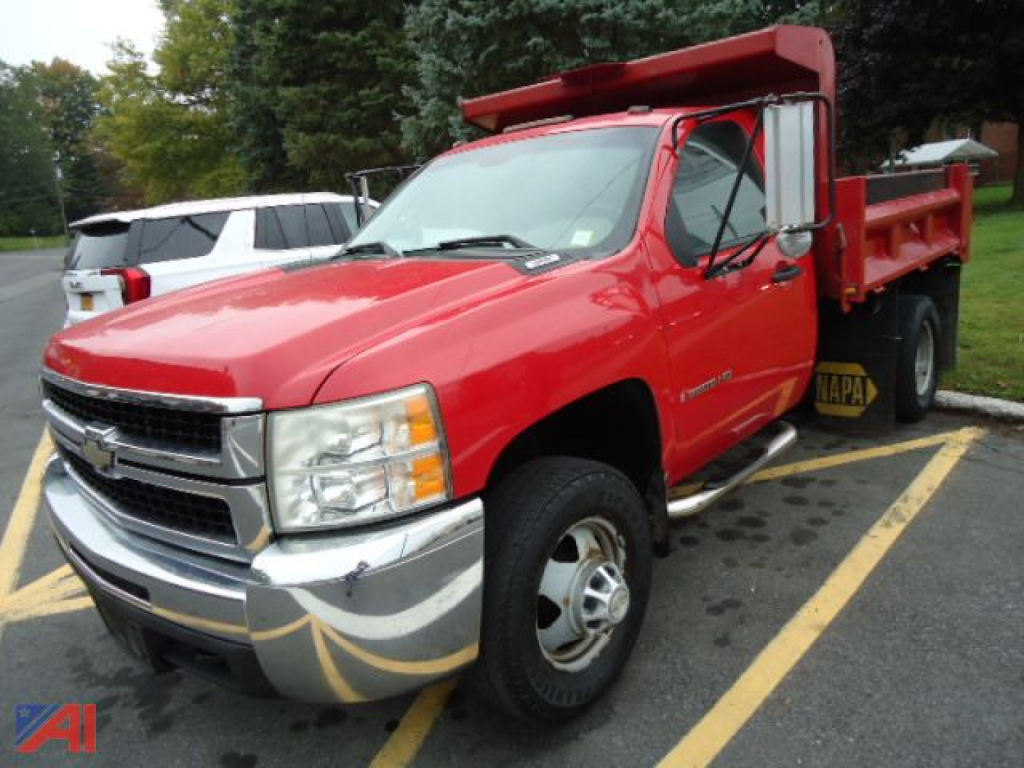

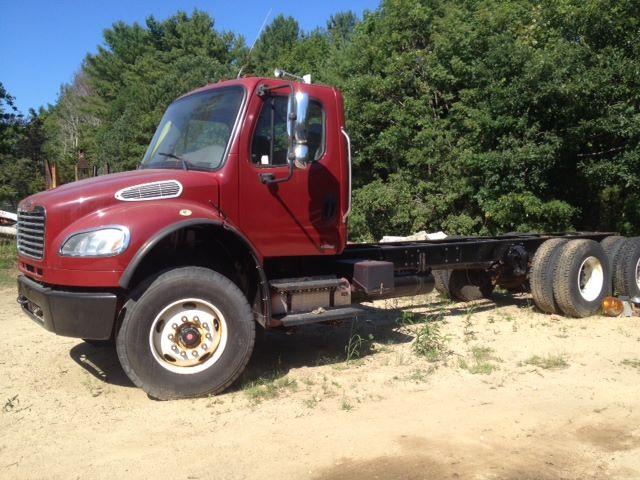
Selling a 2008 cab and chassis truck? List your 2008 cab and chassis truck for sale and reach thousands of commercial buyers.
2008 Cab and Chassis Trucks
For many buyers, the first decision is duty class. A lighter 2008 cab and chassis in the 14,000 to 19,500 GVWR range can make sense for local delivery, landscaping, telecom, or light contractor work, especially where tighter turning radius and lower operating cost matter. Moving into Class 6 and Class 7, you start seeing more flexibility for heavier van bodies, larger flatbeds, dump inserts, mechanics bodies, and municipal work. Class 8 chassis are a different discussion altogether, with tandem and severe-duty configurations built for concrete, crane, refuse, oilfield, and heavy vocational applications. Suspension type, rear axle ratio, brake configuration, and PTO capability matter more in this category than they do on a standard road tractor because the truck is often expected to run equipment, idle on site, and handle uneven terrain.
Because 2008 sits in an emissions transition era, engine and aftertreatment spec deserve extra attention. Buyers should confirm the exact engine family, emissions equipment, and service history before comparing prices. A pre-DPF or early-DPF truck can appeal to operators who want a simpler platform, but condition and maintenance records are critical. Look closely at frame integrity, crossmembers, body removal history, corrosion around mounting points, and signs of prior upfit stress. If the truck already has a body removed, verify that the frame has not been cut, drilled excessively, or altered in ways that limit your next installation. Transmission choice also affects usability. Automatics are common for stop-and-go routes and municipal work, while manual or automated manual setups may be preferred in heavier vocational service depending on driver preference and PTO requirements.
The best 2008 cab and chassis truck is the one that matches the intended body and loaded operating cycle without forcing compromises on axle capacity or wheelbase. Buyers should measure for cab-to-axle, cab-to-end-of-frame, and overall frame height, then compare those numbers against body manufacturer requirements. It is also smart to account for front axle loading after the upfit, especially on trucks carrying cranes, compressors, generators, or other forward-mounted equipment. A clean used chassis from this model year can still be a cost-effective foundation for a work truck if the specs line up and the truck has been maintained with vocational use in mind.
Frequently Asked Questions about 2008 Cab and Chassis Trucks
What is the most important spec to check on a 2008 cab and chassis truck?
Cab-to-axle measurement is usually the first number to verify because it determines body fitment, but it should be reviewed along with wheelbase, GVWR, front and rear axle ratings, and frame dimensions. A truck can look correct at a glance and still be wrong for the body you plan to install. Upfit compatibility depends on the full chassis layout, not one dimension by itself.
Are 2008 cab and chassis trucks good for upfitting?
Yes, many 2008 cab and chassis trucks remain strong candidates for upfitting because they were built on durable vocational platforms and are available in a wide range of wheelbases and duty classes. The deciding factors are frame condition, corrosion, previous body mounting history, PTO provisions, and whether the engine and driveline match the intended work cycle. A well-maintained older chassis can be a practical base for a dump body, utility body, flatbed, van body, or service body.
What bodies are commonly installed on a 2008 cab and chassis truck?
Common upfits include box trucks, flatbeds, stake beds, dump bodies, mechanics bodies, utility bodies, tow bodies, hooklifts, tank bodies, and specialty municipal equipment. The right body depends on axle ratings, frame strength, PTO options, and the available cab-to-axle length. Heavier bodies with cranes, compressors, or hydraulic systems require especially close attention to weight distribution and front axle capacity.
What should buyers watch for on a used 2008 cab and chassis truck?
Buyers should inspect emissions components, engine service history, transmission operation, brake condition, suspension wear, and any frame modifications left behind from a previous body. Rust around spring hangers, frame flanges, crossmembers, and body mount locations can create expensive problems during an upfit. It is also important to confirm that the truck's electrical system and PTO setup will support the equipment you plan to run.
Is a diesel 2008 cab and chassis better than a gas model?
Diesel is more common in medium-duty and heavy-duty cab and chassis trucks because it delivers better torque for payload, PTO work, and sustained vocational use. Gas engines can still make sense in lighter applications with lower annual mileage, shorter routes, and simpler maintenance priorities. The better choice depends on GVWR, body type, daily load, idling time, and how often the truck will power hydraulic or auxiliary equipment.