
1999 Cab and Chassis Trucks For Sale in New York
Browse 1999 cab and chassis trucks for sale in New York. Compare wheelbase, cab-to-axle, GVWR, axle ratings, and body-ready specs.
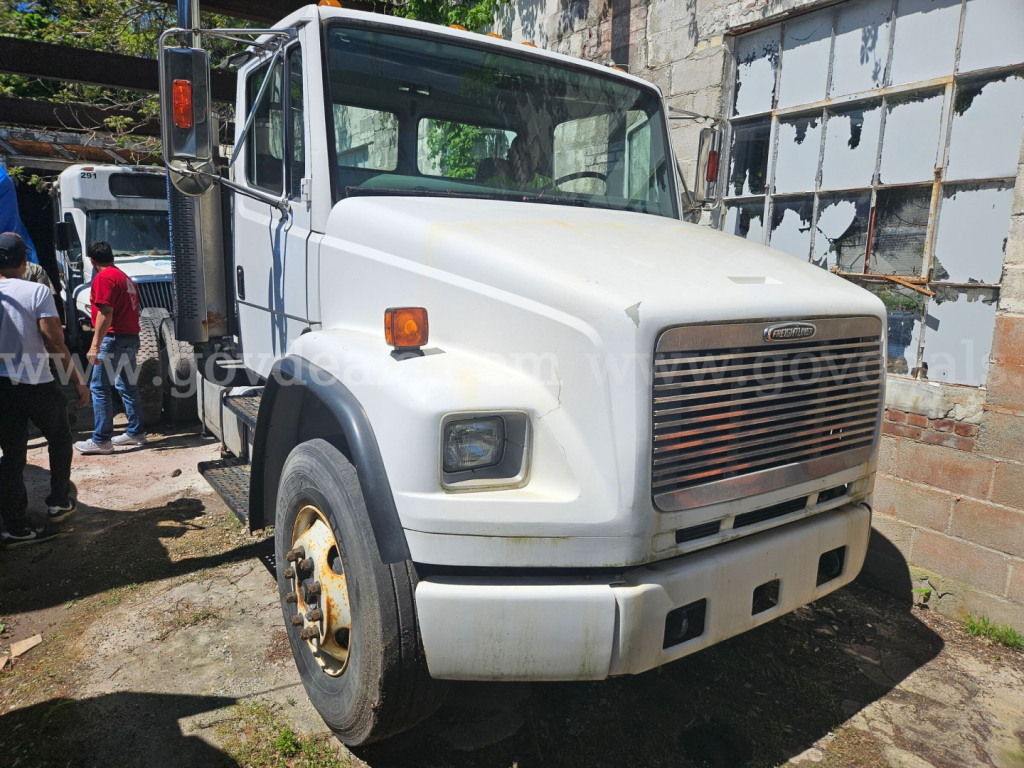
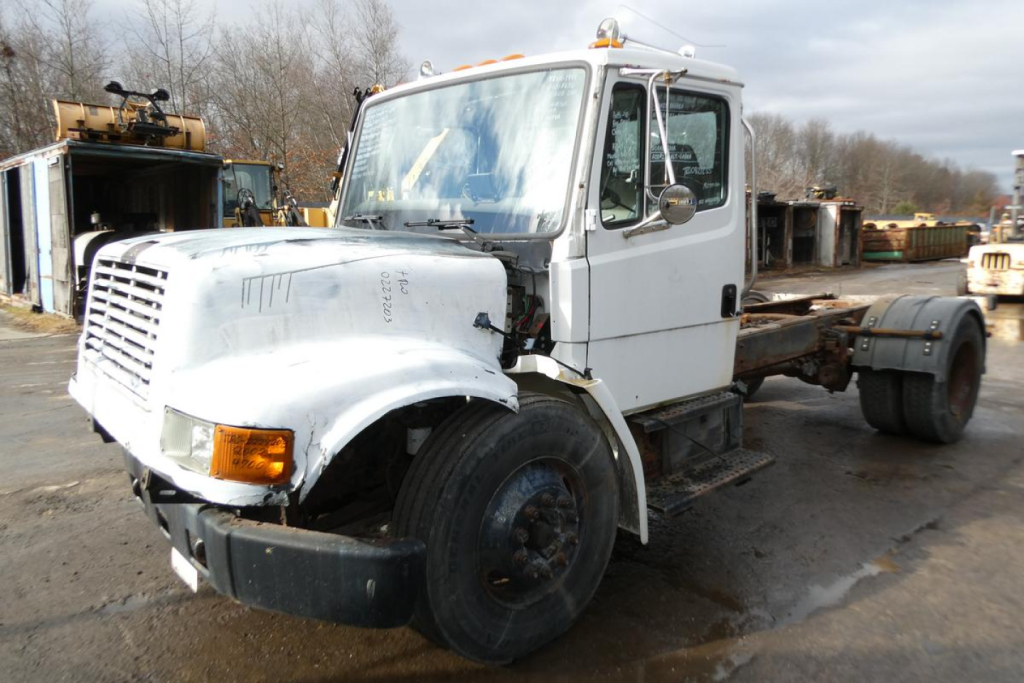
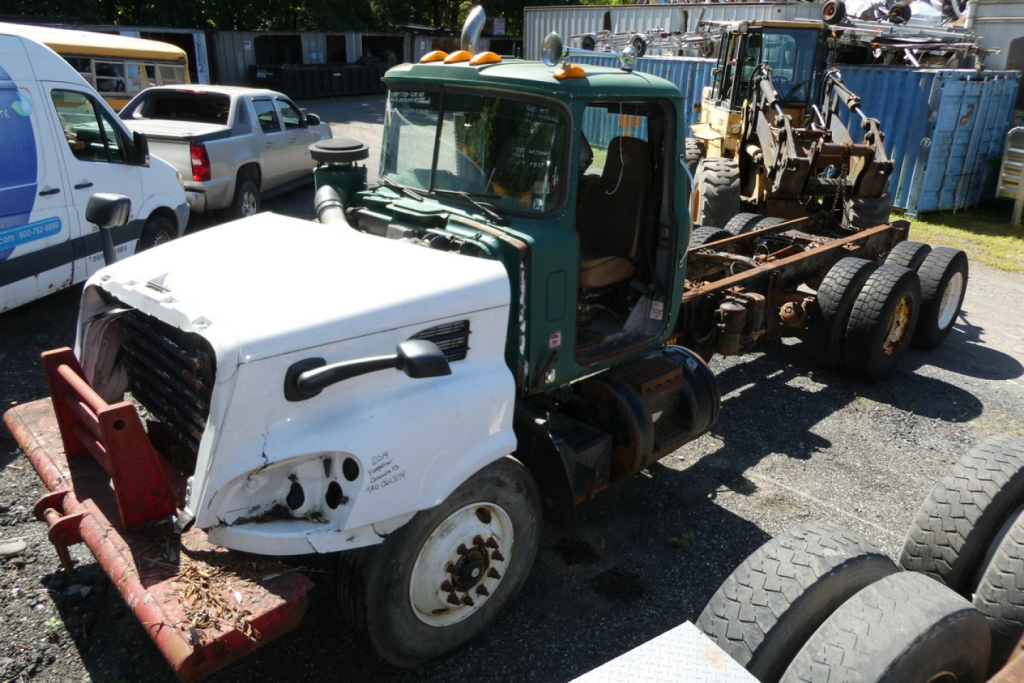
Have 1999 cab and chassis truck to sell? List it here to reach thousands of buyers.
1999 Cab and Chassis Trucks in New York
For a 1999 model, engine and brake system decisions matter as much as body fitment. Many trucks from this era use mechanical or early electronic diesel platforms that are still familiar to independent shops, but buyers should confirm cold-start behavior, blow-by, injector condition, cooling system health, and transmission operation before focusing on cosmetics. In New York, rust can be the deciding factor on an older cab and chassis, especially around frame rails, crossmembers, spring hangers, cab mounts, brake lines, fuel tank straps, and electrical connections. If the truck is intended for plowing, salting, or utility work, pay even closer attention to front axle capacity, frame condition, hydraulic routing, and evidence of corrosion from road treatment exposure.
Body planning is where a cab and chassis either saves money or creates extra fabrication expense. A buyer should compare cab-to-axle length, cab-to-end measurement, axle ratings, suspension type, tire size, and brake setup against the body being installed. Air brake trucks are common in heavier classes, while hydraulic brakes are more common in lighter GVWR applications. Spring suspension is straightforward and durable for many vocational uses, while air ride can improve ride quality and body protection depending on the job. Transmission choice also affects the truck's fit for purpose. Automatics are popular for stop-and-go delivery, municipal, and utility work, while manuals are still valued in heavier vocational applications where driver preference and service simplicity matter.
A well-matched 1999 cab and chassis truck can still be a practical fleet tool when the core structure is sound and the dimensions fit the intended body. The best buyers look past paint and focus on frame integrity, usable rear axle capacity, PTO compatibility, turning radius, and parts support for the engine, transmission, and rear axle. On an older chassis, small specification mismatches can become expensive once fabrication starts. The strongest value usually comes from a truck with clear measurement data, a straight frame, serviceable driveline components, and a chassis layout that reduces the amount of rework needed before the body goes on.
Frequently Asked Questions about 1999 Cab and Chassis Trucks in New York
What is the most important measurement on a cab and chassis truck?
Cab-to-axle is usually the first number to confirm because it determines what body length can be installed and how the weight will sit on the chassis. Wheelbase, cab-to-end, and frame height also matter, but cab-to-axle is the measurement body installers and upfitters use first when matching the truck to a flatbed, dump body, service body, box, or rollback.
What can a 1999 cab and chassis truck be used for?
A 1999 cab and chassis truck can be configured for a wide range of vocational work, including dump service, utility work, towing, delivery, landscaping, municipal applications, and mobile service operations. The final use depends on GVWR, axle ratings, frame type, suspension, and PTO capability. Buyers should match the truck's chassis specifications to the body and equipment they plan to install rather than buying only by engine or brand.
Are older cab and chassis trucks a good choice for upfitting?
They can be, if the frame is straight, the corrosion level is manageable, and the driveline has good parts support. Older trucks often cost less to acquire, but fabrication costs can rise quickly if the frame needs repair, the brake system needs a full overhaul, or the measurements do not match the intended body. On a 1999 model, structural condition is usually more important than appearance.
What should buyers in New York check on a 1999 cab and chassis truck?
New York buyers should inspect for rust on the frame rails, crossmembers, cab mounts, suspension mounts, brake lines, and electrical connections. Corrosion from winter road treatment can affect both safety and upfit cost. It is also smart to check steering components, spring hangers, fuel system hardware, and any prior frame modifications or reinforcements, especially on trucks that may have seen municipal or plow service.
How do I know if a cab and chassis truck will handle my body and payload?
Start with the truck's GVWR, front and rear axle ratings, frame construction, and suspension capacity. Then compare those numbers to the body weight, mounted equipment weight, and expected payload. A truck may physically accept a body based on cab-to-axle length but still be the wrong choice if the rear axle, suspension, or frame is undersized for the finished application. The right match is based on both dimensions and legal working weight.